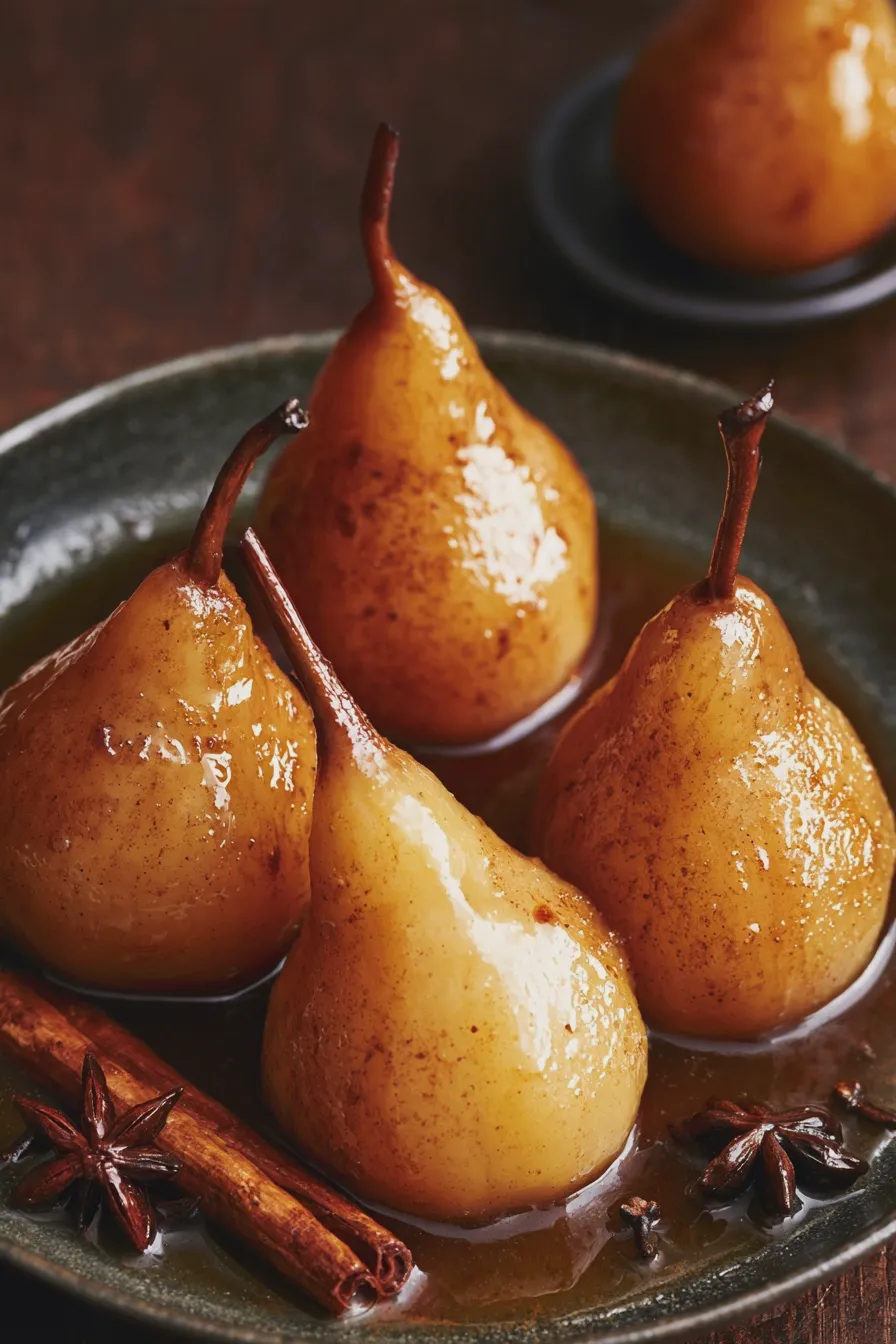
There’s something undeniably elegant and comforting about a perfectly poached pear. These beautiful fruits, gently simmered in a flavorful liquid until tender and infused with delicious aromas, make for a stunning yet surprisingly simple dessert. Whether you’re looking for a light and refreshing treat or a decadent end to a special meal, poached pears are a versatile classic that always impresses. This guide will walk you through everything you need to know to create the best poached pears, from selecting the right fruit to mastering the poaching process and exploring delightful flavor combinations. Get ready to elevate your dessert game with this timeless recipe!
Choosing the Right Pears for Poaching
The foundation of any great poached pears recipe is, of course, the pears themselves! Not all pears are created equal when it comes to poaching. The key is to select varieties that hold their shape well during the simmering process and have a pleasant, slightly firm texture.
Best Pear Varieties for Poaching
When you’re looking for the best poached pears, consider these varieties:
- Bosc: These are a top choice. Bosc pears have a firm, slightly gritty texture that softens beautifully without becoming mushy. Their sweet flavor also holds up well in the poaching liquid.
- Anjou: Both red and green Anjou pears are excellent options. They have a mild sweetness and a good, firm texture that’s forgiving for beginners.
- Comice: While often enjoyed fresh for their buttery sweetness, Comice pears can be poached, but they are more delicate. If using Comice, keep a close eye on them to avoid overcooking.
- Forelle: These smaller pears are attractive and have a crisp texture that softens nicely. They are also great for individual servings.
Pears to Avoid
Softer varieties like Bartlett pears are generally not recommended for poaching. They tend to become very soft and can disintegrate in the liquid, which isn’t ideal for achieving that elegant presentation. For more information on different types of pears and their best uses, you can explore resources like pear varieties.
Ripeness Matters
The ideal pear for poaching should be ripe but still firm to the touch. Avoid pears that are overly soft, bruised, or have blemishes. A slightly underripe pear will hold its shape better, while an overripe one risks becoming mushy. You want a pear that yields slightly to gentle pressure but doesn’t feel soft.
Don’t miss out on our guide to How To Make Ice Cream At Home.
The Art of How to Poach Pears
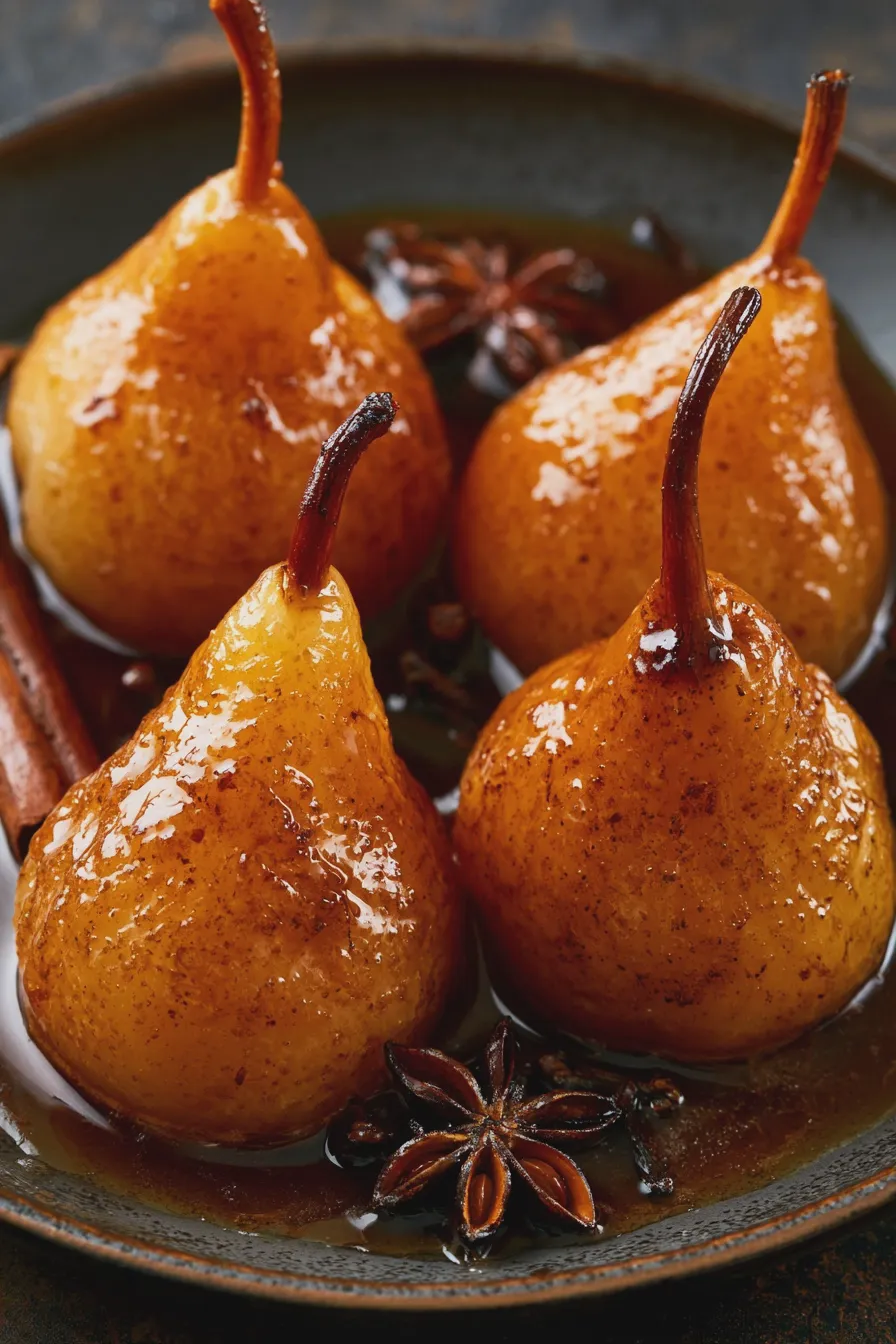
Poaching is a gentle cooking method where food is submerged in a simmering liquid. For pears, this liquid is where all the flavor magic happens. The goal is to cook the pears until they are tender enough to be easily pierced with a knife but still retain their form and a slight bite.
Essential Ingredients for Poaching Liquid
The poaching liquid is your canvas for flavor. Here are the core components:
- Liquid Base: This is usually water, wine (red or white), or a combination. Fruit juices like apple or pear juice can also be used.
- Sweetener: Sugar is the most common, but honey or maple syrup can also be used for different flavor profiles.
- Aromatics: This is where you add depth and complexity. Spices, citrus zest, and extracts are key.
Basic Poaching Liquid Ratio
A good starting point for a poaching liquid is:
- 4 cups of liquid (e.g., water, wine, or juice)
- 1 cup of sugar (adjust to your sweetness preference)
- A selection of aromatics
The exact ratio can be adjusted based on the sweetness of your fruit and your personal taste. Remember, the goal is to create a flavorful syrup that infuses the pears.
Don’t miss out on our guide to How Eggs Affect Desserts.
Step-by-Step Poaching Process
- Prepare the Pears: Peel the pears, leaving the stem intact for a beautiful presentation. You can core them from the bottom using a melon baller or small knife, or leave them whole and core them after poaching if preferred. Some recipes involve slicing them in half lengthwise.
- Combine Poaching Ingredients: In a pot large enough to hold the pears snugly in a single layer, combine your chosen liquid, sweetener, and aromatics.
- Heat the Liquid: Bring the poaching liquid to a simmer over medium heat, stirring until the sugar is dissolved.
- Add the Pears: Gently place the prepared pears into the simmering liquid. They should be mostly submerged. If they aren’t fully covered, you can add a little more liquid or create a parchment paper “lid” (a cartouche) to help keep them submerged.
- Simmer Gently: Reduce the heat to low, cover the pot, and let the pears simmer gently. The cooking time will vary depending on the type and ripeness of the pears, typically ranging from 15 to 40 minutes.
- Check for Doneness: Test the pears by piercing the thickest part with a sharp knife or skewer. They should be tender but not falling apart.
- Cool and Infuse: Once tender, remove the pot from the heat and let the pears cool completely in the poaching liquid. This is crucial for allowing them to fully absorb the flavors.
Flavor Variations for Spiced Poached Pears
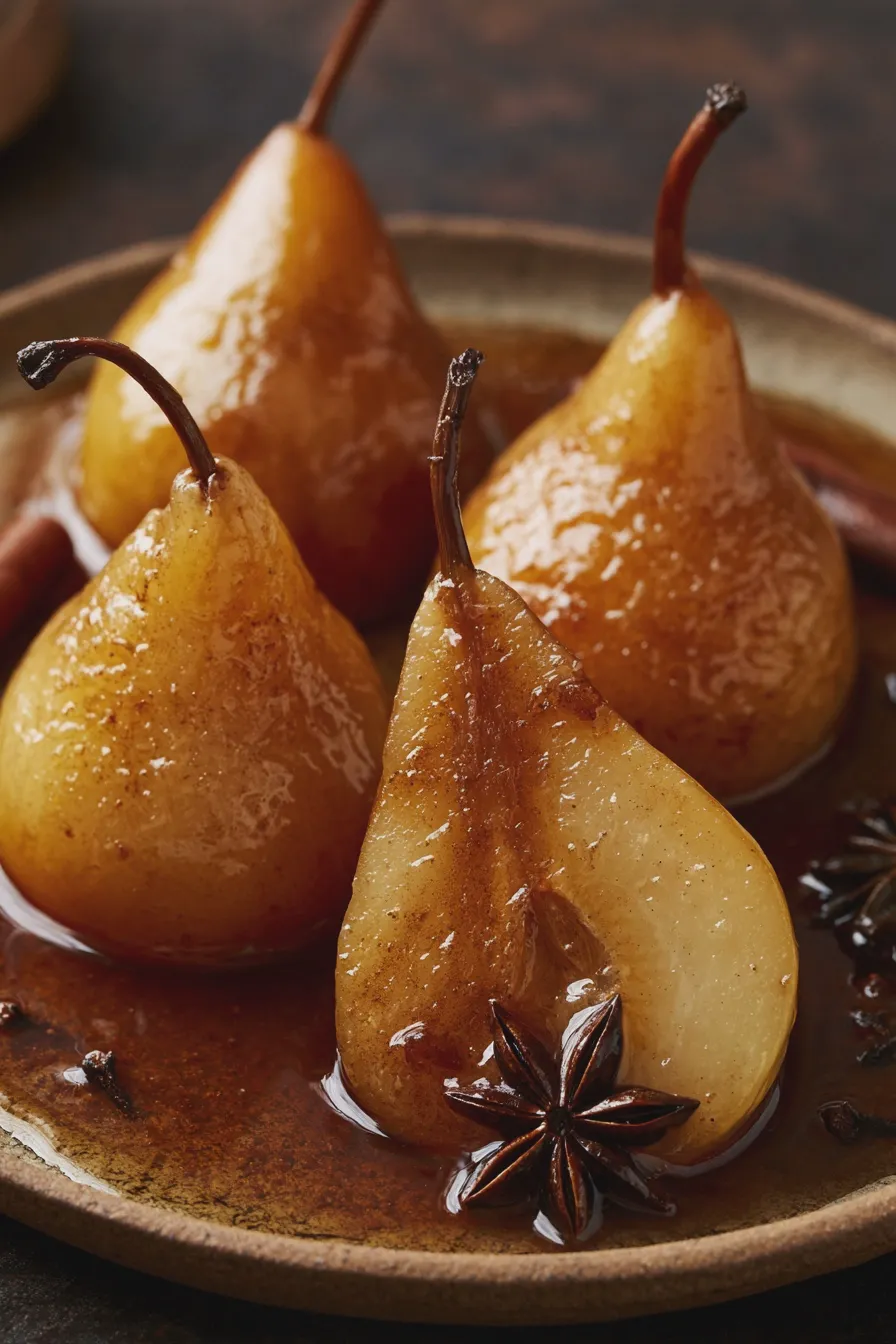
The beauty of poached pears lies in their adaptability to countless flavor combinations. Moving beyond a basic syrup, you can create truly memorable dessert poached pears by experimenting with spices, wines, and other additions.
Classic Spiced Poached Pears
This is a beloved and timeless choice. For a wonderful spiced poached pears experience, consider these aromatics:
- Cinnamon sticks
- Star anise
- Whole cloves
- A strip of lemon or orange zest
- Vanilla bean (split lengthwise)
These spices infuse the pears with warmth and complexity, making them a perfect autumn or winter treat. Poached pears with cinnamon and poached pears with vanilla are particularly popular.
Red Wine Poached Pears
For a dramatic and deeply flavored result, red wine poached pears are a showstopper. The red wine not only imparts a beautiful ruby color but also adds rich, fruity notes.
Don’t miss out on our guide to The Role Of Butter In Desserts.
- Liquid: Use a dry red wine like Merlot, Cabernet Sauvignon, or Pinot Noir.
- Sweetener: Sugar or honey works well.
- Aromatics: Cinnamon sticks, star anise, and a strip of orange zest are excellent companions to red wine. A splash of brandy can also add depth.
The cooking time might be slightly longer with red wine to allow the alcohol to evaporate and the flavors to meld.
White Wine Poached Pears
White wine offers a lighter, brighter profile. This is a fantastic option for a more delicate and refreshing dessert.
- Liquid: A dry white wine such as Sauvignon Blanc, Pinot Grigio, or even a Riesling works beautifully.
- Sweetener: Sugar or a light honey.
- Aromatics: Vanilla bean, lemon zest, ginger slices, and a few cardamom pods create a lovely, fragrant poaching liquid.
White wine poached pears are excellent served chilled or at room temperature.
Fruity and Exotic Twists
Don’t be afraid to think outside the box! You can create poached pears with fruit by adding other fruits to the poaching liquid, such as berries, sliced apples, or even a few apricots. For an exotic flair, consider adding ingredients like:
Looking for more? Try this delicious How To Fold Ingredients Without Deflating next.
- Fresh ginger
- Cardamom pods
- Lemongrass
- A splash of fruit liqueur (like Grand Marnier or Chambord)
Tips for the Best Poached Pears
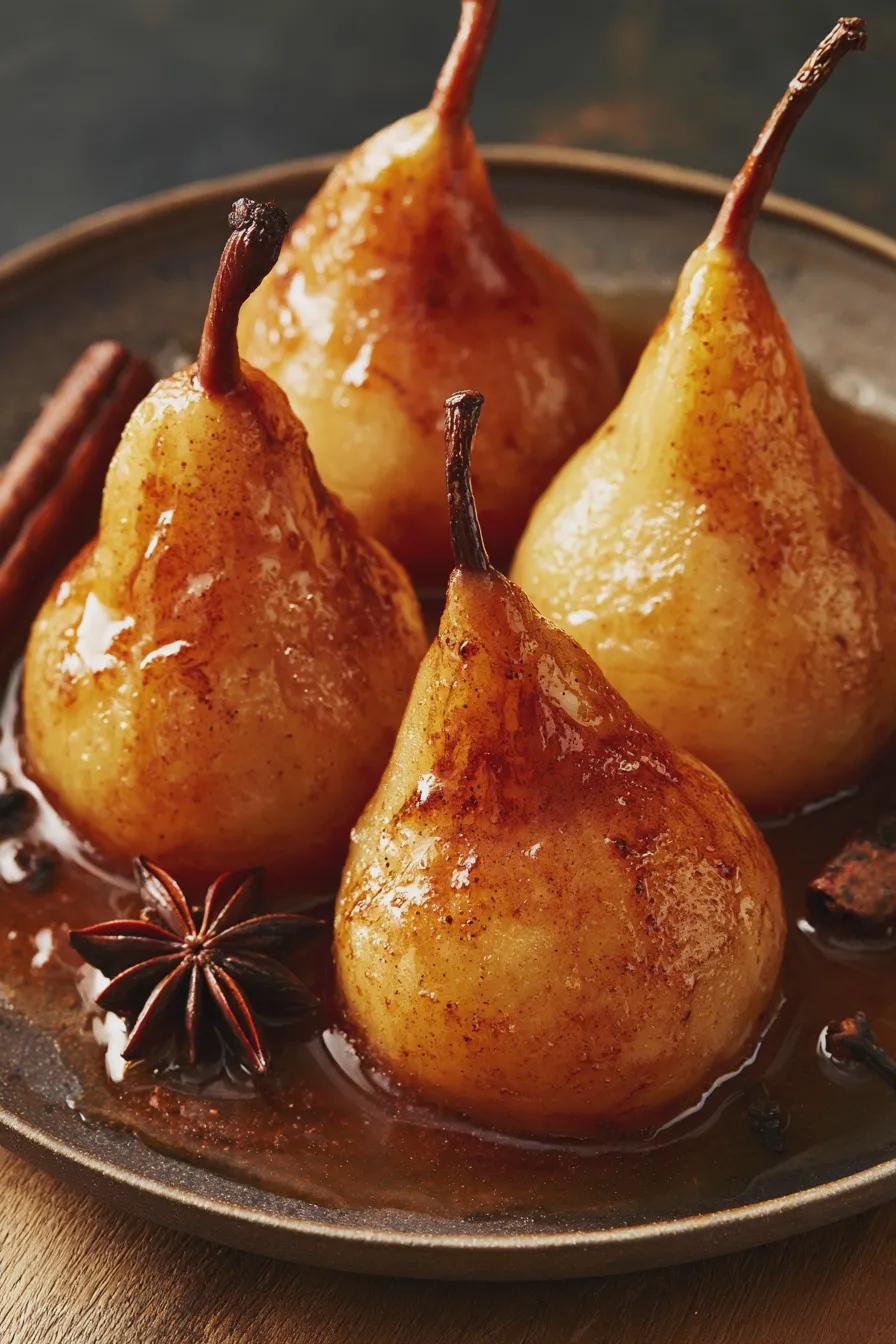
Achieving perfectly poached pears is all about attention to detail. Here are some practical baking advice and tips to ensure success every time.
Tips for Success:
- Use a Pot of the Right Size: The pears should fit snugly in the pot, ideally in a single layer, to ensure even cooking. If the pot is too large, the liquid level might be too low, and the pears might not cook uniformly.
- Keep the Simmer Gentle: A rapid boil can break down the pears. Maintain a gentle, consistent simmer.
- Don’t Overcrowd the Pot: Cook pears in batches if necessary to avoid overcrowding, which can lower the temperature of the poaching liquid and lead to uneven cooking.
- Cooling is Key: Allowing the pears to cool completely in the poaching liquid is essential for them to absorb the maximum flavor. Don’t rush this step!
- Saving the Syrup: The leftover poaching liquid is liquid gold! It can be reduced further to create a more concentrated syrup. Strain it and simmer it until it thickens. This syrup is delicious drizzled over the pears, ice cream, or even pancakes. This is how you make poached pears with syrup.
- Presentation Matters: Serve poached pears whole with the stem on for an elegant look. You can also halve and core them.
Common Mistakes to Avoid:
- Using Overripe Pears: This is the most common pitfall, leading to mushy, broken-down pears. Always choose firm, ripe fruit.
- Overcooking: Pears can go from perfectly tender to mushy very quickly. Start checking for doneness a bit earlier than you think you need to.
- Not Enough Liquid: Ensure the pears are mostly submerged in the poaching liquid for even cooking.
- Ignoring the Aromatics: While you can poach pears in plain water and sugar, the aromatics are what elevate them from simple fruit to a sophisticated dessert. Don’t skip them!
- Rushing the Cooling Process: As mentioned, cooling in the liquid is vital for flavor infusion.
Serving Your Elegant Poached Pears
Once your poached pears are ready, the possibilities for serving are endless. They are incredibly versatile and can be dressed up or down to suit any occasion.
Classic Pairings:
- With Cream: A dollop of freshly whipped cream, crème fraîche, or mascarpone cheese is a simple yet luxurious accompaniment.
- With Ice Cream: Poached pears with ice cream is a match made in heaven. Vanilla bean ice cream is a classic, but consider other flavors like caramel or even a spiced rum ice cream. If you’re feeling ambitious, you could even try making your own homemade ice cream.
- With Yogurt: For a lighter option, serve with Greek yogurt and a drizzle of the reduced poaching syrup.
Elegant Presentations:
- Drizzled with Syrup: Reduce the poaching liquid until it’s syrupy and drizzle generously over the pears.
- Garnishes: A sprinkle of toasted nuts (almonds, pistachios, walnuts), a few fresh berries, a sprig of mint, or a dusting of powdered sugar can add visual appeal and texture.
- Poached Pears with Chocolate: A drizzle of melted dark chocolate or a side of chocolate sauce is a decadent addition for chocolate lovers.
- As Part of a Larger Dessert: Poached pears can be served alongside cakes, tarts, or custards for an added layer of flavor and elegance.
Poached Pears for Holidays:
Poached pears are particularly well-suited for holiday gatherings. Their warm spices and elegant appearance make them a festive and impressive dessert. Consider a red wine poached pear for Christmas or a white wine version with ginger and cardamom for a more exotic winter celebration.
Looking for more? Try this delicious How To Cream Butter And Sugar next.