
Table of Contents
Hey, dessert enthusiasts! There’s a certain magic to baking, isn’t there? The way simple ingredients transform into something delicious is truly wonderful. But have you ever carefully folded in whipped cream or egg whites, only to watch your beautiful creation deflate before your eyes? It’s a common baking woe, but fear not!
Today, we’re diving deep into the art of folding ingredients without sacrificing all that precious air. We’ll explore techniques, common mistakes, and how to achieve light, airy, and stunning desserts every single time. Let’s get started! You can find inspiration and recipes for fantastic desserts on Allrecipes.
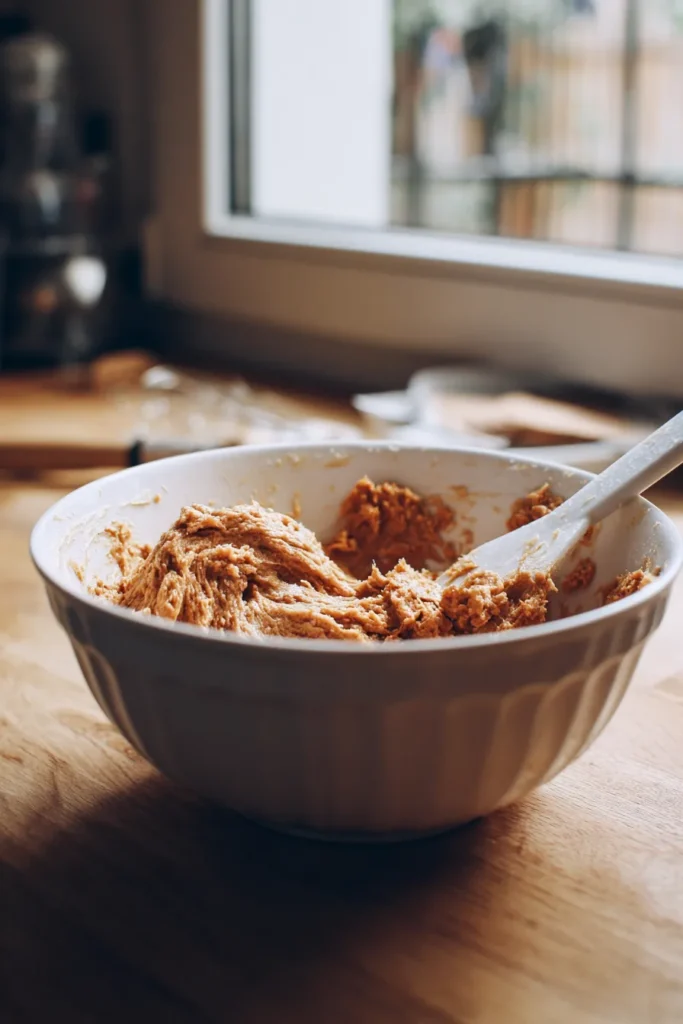
Understanding the Importance of Folding
Before we get our hands dirty, let’s talk about why folding is so important. When you’re making recipes like mousses, soufflés, or angel food cake, you’re relying on incorporated air to give your dessert its light and fluffy texture.
This air is often introduced through whipping egg whites or whipping cream. The goal of folding is to gently combine these airy ingredients with heavier ones without knocking out all the air bubbles you worked so hard to create. Think of it as a delicate dance, where you want to embrace the flavors without crushing their spirit!
Folding is very different from stirring or mixing. Stirring is more of a circular motion, while mixing can be quite vigorous. Both of those techniques are great for some recipes, but not when you’re trying to preserve air. Folding, on the other hand, is about gently incorporating ingredients while maintaining volume. If you’re looking for other baking tips, you can find them on The Kitchn.
The Right Tools for the Job
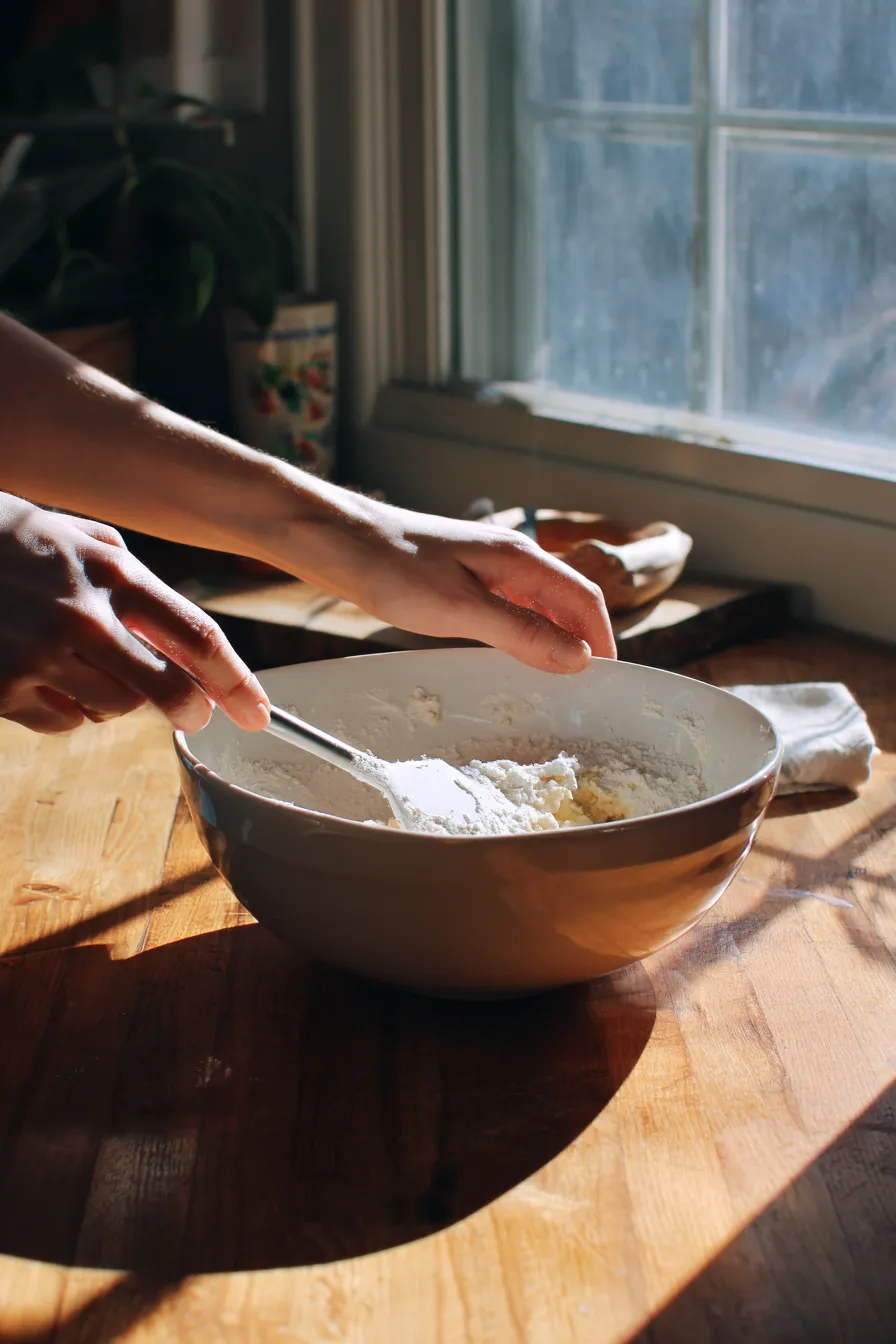
Having the right tools can make a huge difference in your folding success. Here’s a list of essential items:
- A Large Bowl: Choose a bowl that’s significantly larger than the volume of your ingredients. This gives you plenty of room to maneuver without spilling!
- A Rubber Spatula: A flexible rubber spatula is your best friend. Its gentle edge and ability to scrape the sides and bottom of the bowl ensure everything is evenly incorporated.
- A Whisk (Optional): Sometimes, a whisk can be helpful for gently folding in dry ingredients but use it with a light touch.
The Folding Technique: Step-by-Step
Now, let’s get to the heart of the matter: the folding technique itself. Here’s a step-by-step guide to mastering the perfect fold:
- Start with the Right Ingredients: Make sure your ingredients are at the right temperature. For example, if you’re folding in whipped cream, it should be cold.
- Add in Batches: Add your lighter ingredient (like whipped cream or egg whites) to your heavier ingredient (like a custard or batter) in stages, not all at once.
- The “Under and Over” Motion: Hold your spatula vertically and sweep it down the side of the bowl, then across the bottom, and up the other side. As you bring the spatula up, gently lift and fold the mixture over itself. Repeat this motion, rotating the bowl as you go.
- Be Gentle: Avoid overmixing. You want to incorporate the ingredients until just combined. A few streaks of the lighter ingredient are perfectly fine.
- Don’t Overwork: Overmixing will deflate the air you’ve worked so hard to incorporate. Stop folding as soon as the ingredients are combined.
Common Folding Mistakes and How to Avoid Them
Even the most experienced bakers make mistakes. Here are some common pitfalls and how to avoid them:
- Overmixing: This is the most common mistake. Overmixing will deflate your mixture, resulting in a dense dessert.
- Using the Wrong Tools: Using a spoon or a whisk too vigorously can also lead to deflation. Stick to a rubber spatula and a gentle touch.
- Adding Ingredients Too Quickly: Adding all the whipped cream or egg whites at once can make it difficult to incorporate them evenly without overmixing.
- Not Scraping the Bottom: If you don’t scrape the bottom of the bowl, you might end up with pockets of unincorporated ingredients.
- Folding Too Slowly: While you need to be gentle, folding too slowly can also lead to overmixing.
Folding in Different Recipes: Examples
Let’s look at how to apply the folding technique to a few different types of desserts:
- Mousse: When making a mousse, you’ll typically fold whipped cream into a flavored custard or chocolate mixture. The goal is to create a light and airy texture. Add the whipped cream in two or three batches, folding gently until just combined.
- Soufflé: The key to a good soufflé is perfectly whipped egg whites. Gently fold the egg whites into the base mixture (often a custard) in two or three additions. Be very careful not to deflate the egg whites.
- Angel Food Cake: Angel food cake relies entirely on beaten egg whites for its structure. Carefully fold the dry ingredients (flour, sugar) into the egg whites, being extra gentle to preserve the air.
- Cake Batter with Whipped Cream: Some cake recipes call for folding in whipped cream at the end. This adds extra lightness. Gently fold the whipped cream into the batter until just combined.
Tips for Success
Here are some extra tips to help you become a folding pro:
- Practice Makes Perfect: The more you practice, the better you’ll become at judging when the ingredients are just combined.
- Read the Recipe Carefully: Pay close attention to the instructions in the recipe. Some recipes may call for specific folding techniques.
- Don’t Be Afraid to Experiment: Try different folding techniques and see what works best for you.
- Work Quickly, But Gently: You don’t want to dawdle, but you also don’t want to be rough.
- Chill Your Ingredients: Cold ingredients (like cream and egg whites) whip up better and hold their air longer.
- Use Fresh Ingredients: Fresh eggs and cream will whip up to a greater volume.
Troubleshooting Common Problems
Even with the best techniques, things can go wrong. Here’s how to troubleshoot some common problems:
- My mixture is deflated: You might have overmixed. Next time, be more gentle and stop folding sooner.
- There are streaks of unincorporated ingredients: This is usually fine. A few streaks are better than overmixing. If there are large pockets, you can gently fold a few more times.
- My dessert is dense: This could be due to overmixing, but it could also be due to other factors, such as the quality of your ingredients or the baking time.
Beyond Folding: Other Important Baking Techniques
While folding is essential for many desserts, there are other techniques that contribute to baking success:
- Creaming: Creaming butter and sugar together is a crucial step in many cake recipes. It incorporates air and creates a light texture.
- Whisking: Whisking is used to incorporate air into eggs or cream, creating volume and lightness.
- Sifting: Sifting dry ingredients removes lumps and helps to evenly distribute them throughout the batter.
- Measuring Accurately: Accurate measuring is essential for consistent results. Use a kitchen scale for the best precision.
The Joy of Baking and Experimentation
Baking is a journey of discovery. Don’t be afraid to try new recipes, experiment with different techniques, and learn from your mistakes. The most important thing is to have fun and enjoy the process! Every dessert is a chance to learn and grow.
FAQ: Your Folding Questions Answered
Here are some frequently asked questions about folding ingredients:
- How do I know when I’ve folded enough? The mixture should be just combined, with no large streaks of the lighter ingredient remaining. It should still be light and airy.
- Can I use a stand mixer to fold ingredients? No, a stand mixer is too powerful. It’s best to use a rubber spatula and fold by hand.
- What if my egg whites are over-whipped? Over-whipped egg whites are dry and stiff. They can be difficult to fold and may result in a dry dessert. Try to avoid over-whipping in the first place.
- How can I prevent a deflated soufflé? Use fresh eggs, whip the egg whites to stiff peaks, and fold them gently into the base. Bake the soufflé immediately. Don’t open the oven door during baking.
- Is there a substitute for a rubber spatula? A rubber spatula is the best tool, but in a pinch, you could use a large spoon, but be extra gentle.
Happy baking!


11 thoughts on “How to fold ingredients without deflating: Recipe for Perfect Desserts”