
Table of Contents
How eggs affect desserts: As a seasoned baker, I’ve always been fascinated by the magic that happens in the kitchen. And one of the most crucial ingredients in that magic?
Eggs! They’re not just a simple addition; they’re the architects of texture, flavor, and overall success in many of our favorite desserts. From fluffy cakes to creamy custards, eggs play a vital role. Today, we’ll dive deep into how eggs affect desserts, exploring their various functions and how you can use them to elevate your baking game.
Get ready to unlock the secrets to perfect pastries and delectable treats! Interested in learning more? Check out some additional recipe ideas at Allrecipes.
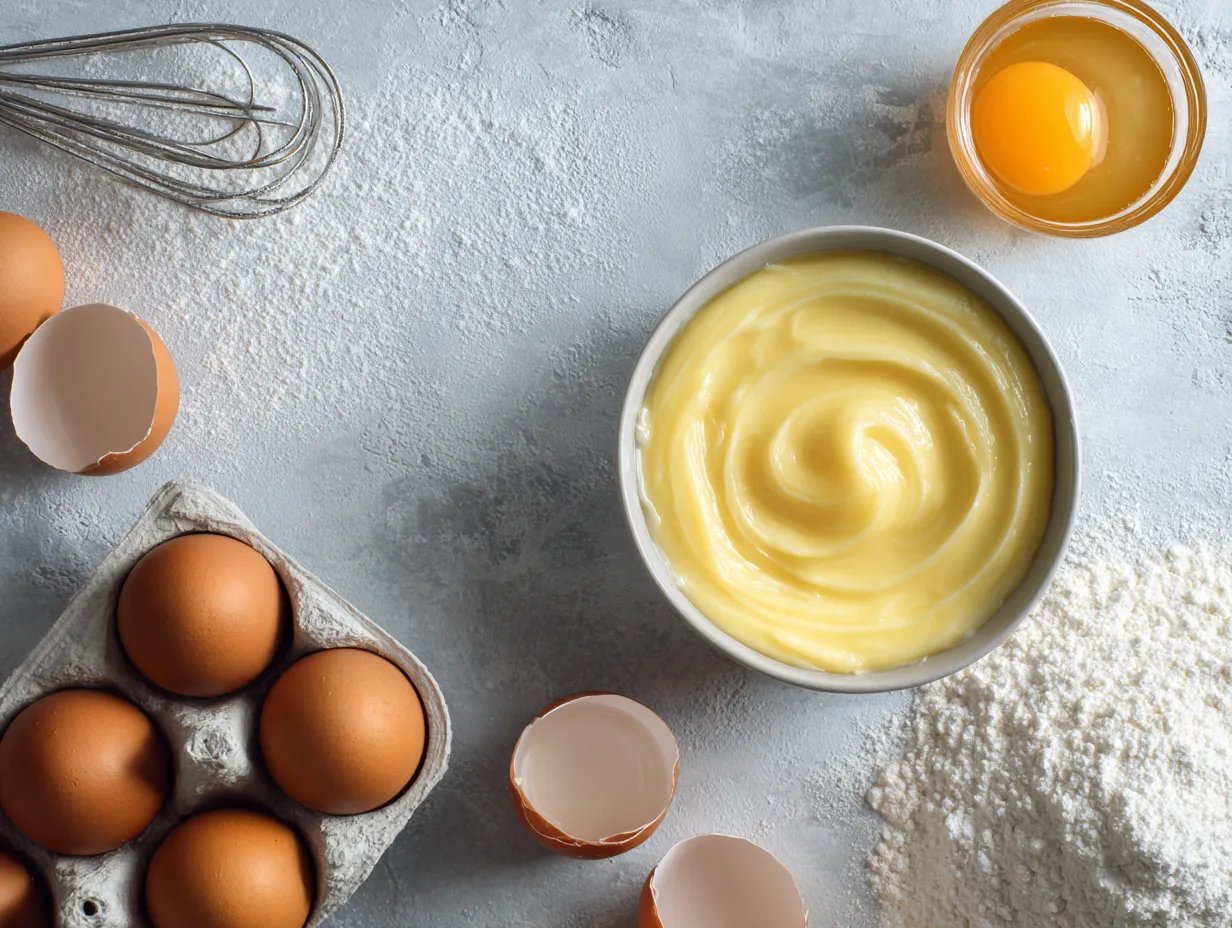
The Versatile Roles of Eggs in Desserts
Eggs are incredibly versatile ingredients. They’re like the unsung heroes of the dessert world, contributing in so many ways. Understanding these roles is key to becoming a more confident and successful baker. Let’s break down the main functions:
Leavening Agent
One of the most important roles of eggs is as a leavening agent. This means they help baked goods rise and become light and airy. How do they do this? It’s all about air! When you whisk eggs, you incorporate air into the mixture. This air expands during baking, creating a light and fluffy texture, especially in cakes and soufflés.
The proteins in eggs also play a key role in leavening. As the eggs heat up, these proteins coagulate, setting the structure of the dessert and trapping the air bubbles. This is why properly whisking eggs is so important. It’s the foundation for a good rise!
Example: Think about a classic sponge cake. The airy, delicate texture is achieved primarily through the whipping of eggs. Without this step, the cake would be dense and flat.
Tip: When separating eggs, make sure there’s no yolk in the whites if you want to whip them to their fullest potential. Even a tiny bit of fat can prevent the whites from reaching their maximum volume.
Emulsification
Eggs are natural emulsifiers. This means they can combine ingredients that don’t usually mix well, like oil and water. The egg yolk contains lecithin, a powerful emulsifier that helps bind these ingredients together, creating a smooth and consistent texture.
This is particularly important in recipes like custards, sauces, and ice cream, where a smooth, creamy texture is desired. Without the emulsifying properties of eggs, these desserts would likely separate and become grainy.
Example: Hollandaise sauce, a classic example of emulsification, relies on egg yolks to bring together melted butter and lemon juice.
Mistake to Avoid: Overheating an emulsified mixture can cause it to “break,” meaning the ingredients separate. Always heat gently and avoid high temperatures.
Adding Moisture and Richness
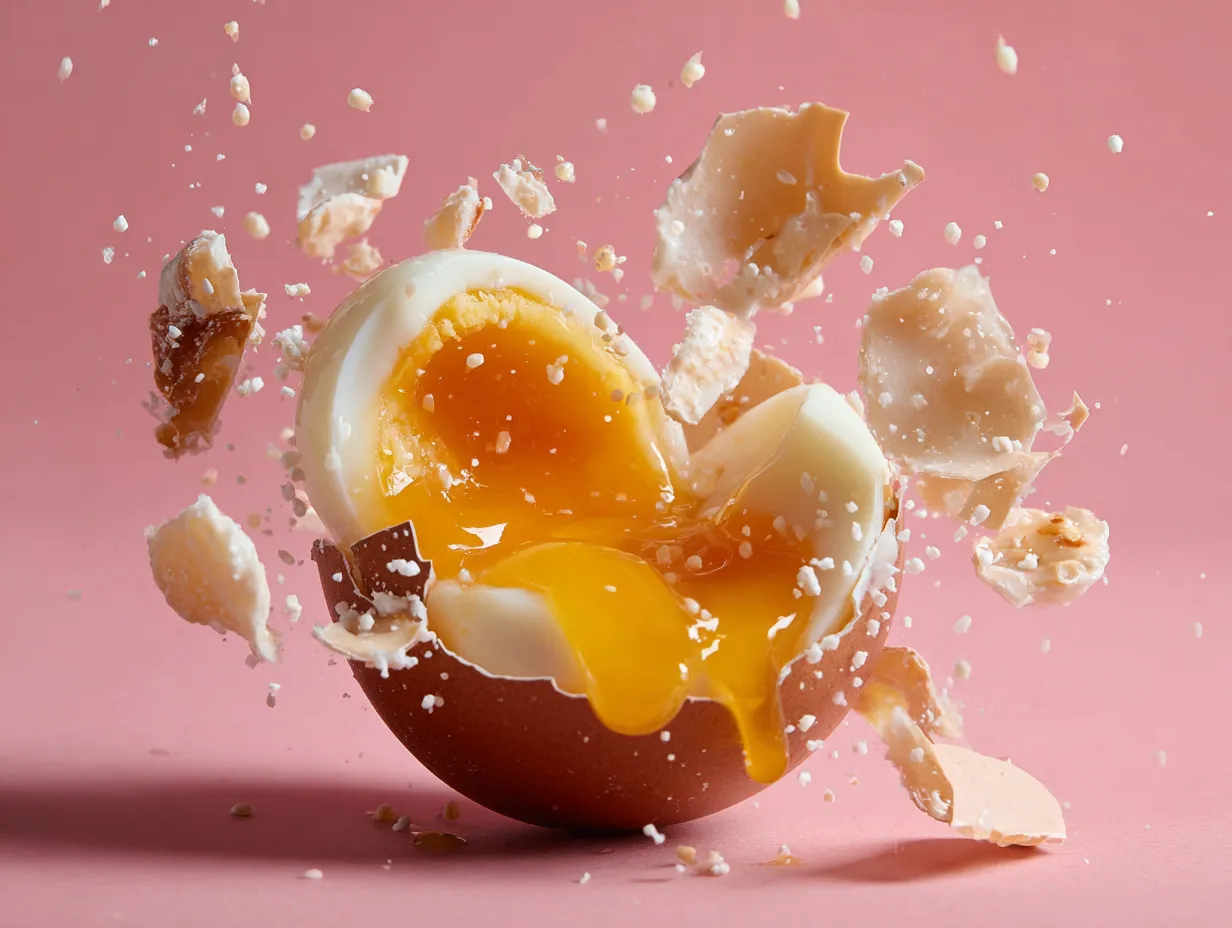
Eggs contribute significantly to the moisture and richness of desserts. The fat in the egg yolks adds flavor and a tender crumb, while the water content helps keep baked goods moist.
The yolks also provide a beautiful color to the final product. Think about the golden hue of a perfectly baked pie crust or the rich color of a custard. That’s the work of the egg yolks!
Example: In a brownie recipe, the eggs contribute to a fudgy texture and a moist interior.
Tip: For extra richness, you can sometimes add extra egg yolks to a recipe. Just be mindful of the overall liquid content and adjust other ingredients accordingly.
Structure and Binding
Eggs act as a binder, holding ingredients together and providing structure to the final product. The proteins in eggs coagulate when heated, creating a network that sets the shape of the dessert.
This is crucial in recipes like cookies, cakes, and quick breads, where the eggs help prevent the baked goods from crumbling.
Example: Without eggs, a chocolate chip cookie would likely spread too thin and fall apart.
Mistake to Avoid: Using too few eggs can result in a dessert that lacks structure and falls apart easily. Using too many can make your dessert tough. It’s all about balance!
How eggs affect desserts: Flavor and Color
Eggs add a subtle yet important flavor to desserts. They contribute to the overall richness and complexity of the taste. The yolks, in particular, lend a slightly sweet and savory note.
As mentioned earlier, eggs also contribute to the color of baked goods. The yolks provide a beautiful golden hue, enhancing the visual appeal of the final product.
Example: The golden color of a brioche loaf is thanks to the high egg content.
Tip: For a richer flavor, use high-quality eggs. Pasture-raised eggs often have a more intense flavor and color.
Different Egg Parts and Their Impact
Now that we’ve covered the general functions of eggs, let’s look at how the different parts – the whites and the yolks – contribute to the final product.
Egg Whites
Egg whites are primarily protein and water. They’re the stars of meringue, angel food cake, and soufflés, where their ability to trap air is essential.
When whisked, egg whites increase in volume, creating a light and airy texture. This is due to the proteins denaturing and unfolding, forming a network that traps air bubbles. The more you whisk, the more air you incorporate and the more stable the foam becomes.
Example: In a meringue, the egg whites are whipped with sugar to create a stiff, glossy foam that can be baked into a crisp, delicate dessert.
Tip: Always use clean bowls and beaters when whipping egg whites. Any trace of grease or fat can prevent them from reaching their full volume.
Egg Yolks
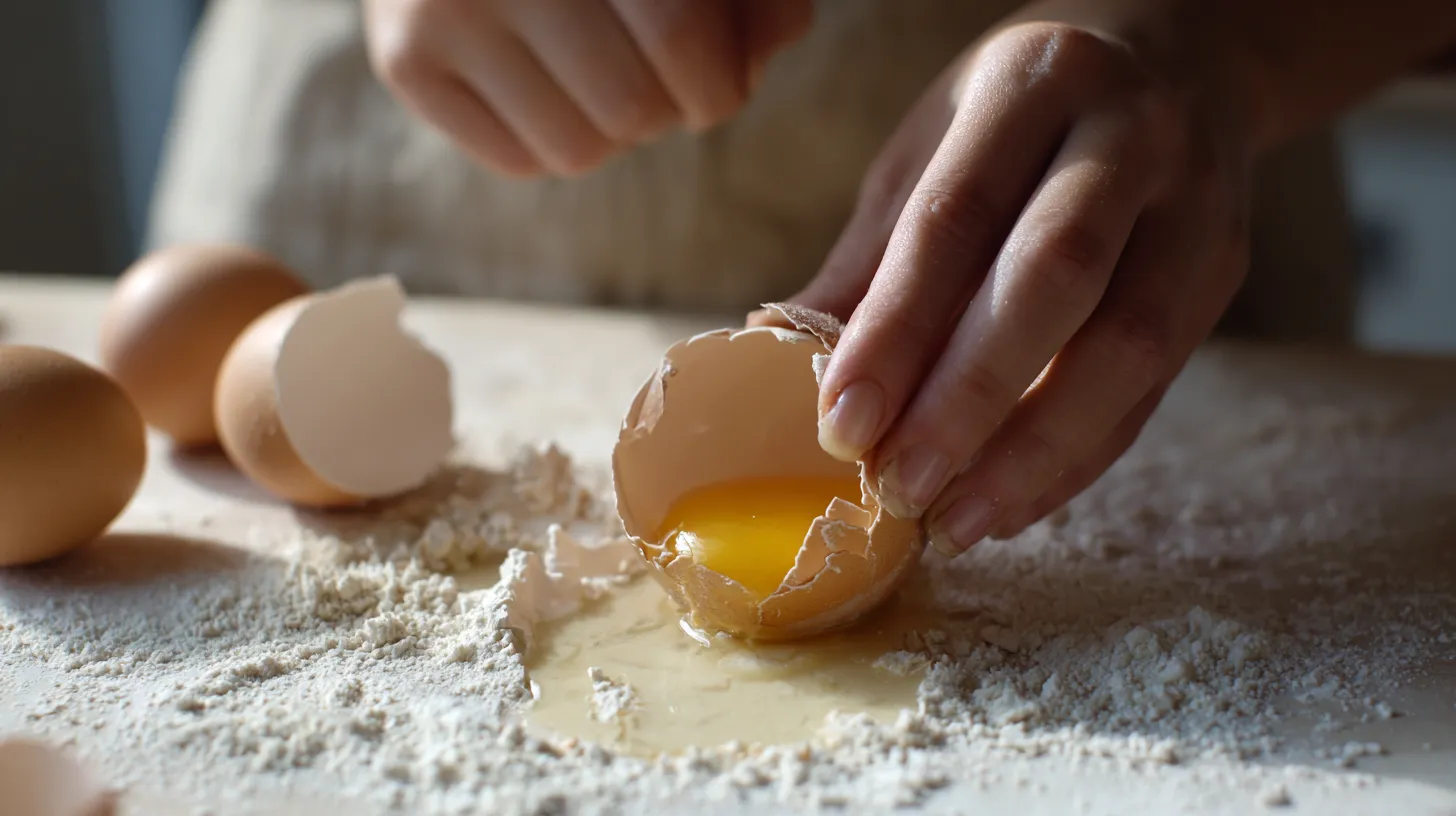
Egg yolks contain fat, protein, and lecithin. They contribute richness, flavor, and emulsification properties to desserts.
The fat in the yolks adds a tender crumb to baked goods, while the lecithin helps bind ingredients together, creating a smooth texture. The yolks also contribute a beautiful golden color.
Example: In a custard, the egg yolks provide the richness and creamy texture that make it so enjoyable.
Mistake to Avoid: Overcooking egg yolks can result in a dry, crumbly texture. Cook them gently and keep a close eye on them.
Egg Substitutes and Alternatives
Sometimes, you might need to substitute eggs in a recipe. Whether it’s due to allergies, dietary restrictions, or simply running out of eggs, here are some alternatives you can use:
Commercial Egg Replacers
These are usually made from ingredients like potato starch, tapioca starch, and leavening agents. They’re a convenient option that can work well in cakes, muffins, and quick breads. Follow the package instructions for best results.
Flaxseed Meal
Mixing flaxseed meal with water creates a gel-like substance that can act as a binder. It’s a good choice for cookies and muffins. Use one tablespoon of flaxseed meal mixed with three tablespoons of water to replace one egg.
Mashed Banana
Mashed banana can add moisture and sweetness to baked goods. It works well in recipes like banana bread and muffins. Use ¼ cup of mashed banana to replace one egg. Keep in mind, it will add banana flavor.
Applesauce
Similar to mashed banana, applesauce adds moisture and sweetness. It’s a good option for cakes and quick breads. Use ¼ cup of applesauce to replace one egg.
Silken Tofu
Pureed silken tofu can be used as a binder and adds moisture. It’s a good option for brownies and cakes. Use ¼ cup of pureed silken tofu to replace one egg.
Tip: When using egg substitutes, you might need to adjust the other ingredients in the recipe to compensate for the changes in moisture and texture.
Common Mistakes and How to Avoid Them
Even experienced bakers can make mistakes when working with eggs. Here are some common pitfalls and how to avoid them:
Over-Mixing
Over-mixing can develop too much gluten in the batter, leading to a tough texture. This is especially true for cakes and muffins. Mix until the ingredients are just combined.
Over-Baking
Over-baking can dry out your baked goods, making them tough and crumbly. Always check for doneness using a toothpick or cake tester.
Using Cold Eggs
Cold eggs don’t whip as well as room-temperature eggs. Take your eggs out of the refrigerator about 30 minutes before you plan to use them.
Not Separating Eggs Properly
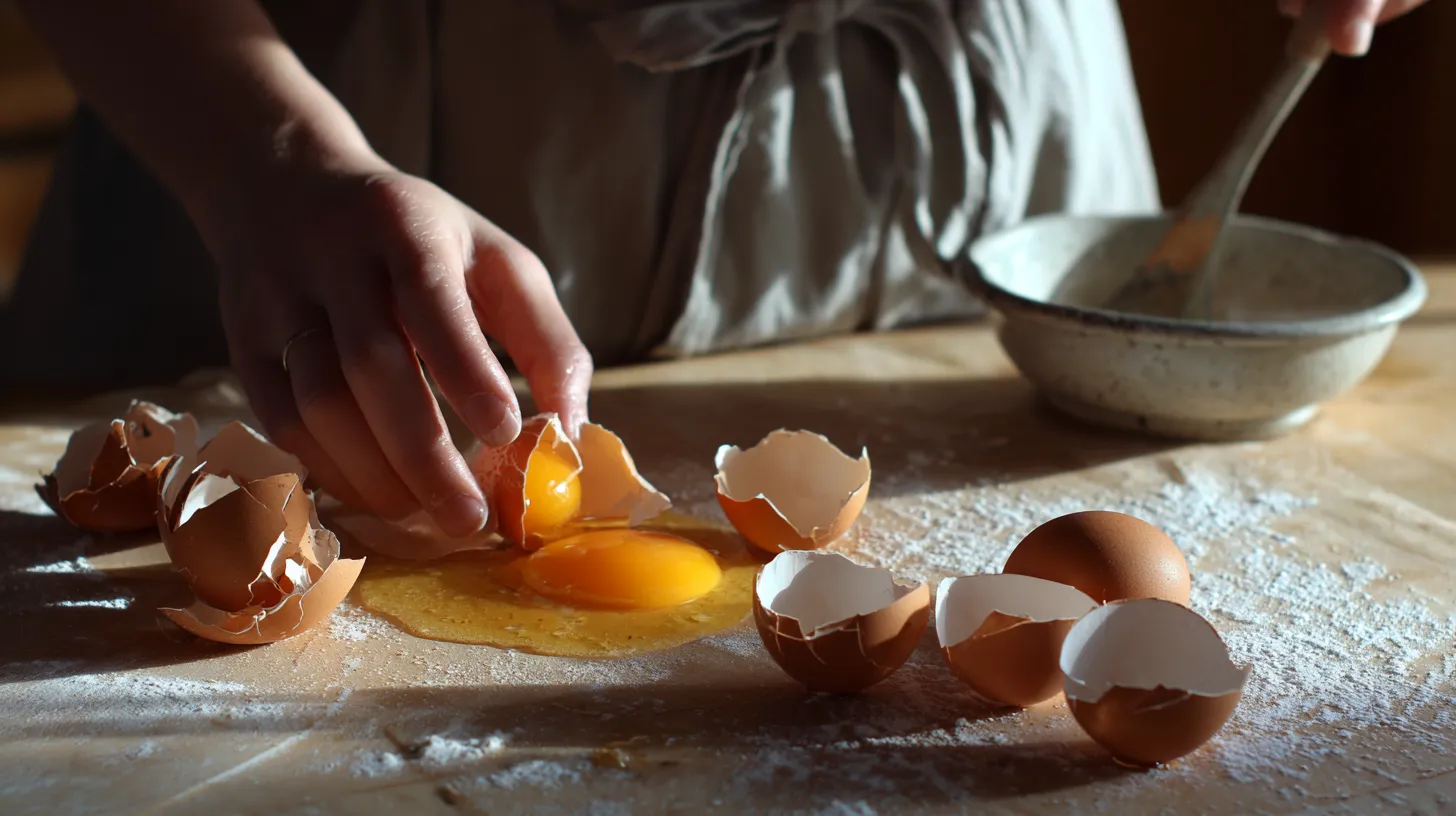
Even a tiny bit of yolk in the egg whites can prevent them from whipping up properly. Be careful when separating eggs, and make sure your bowls and beaters are clean and grease-free.
Using the Wrong Size Eggs
Most recipes are developed using large eggs. If you use a different size, you might need to adjust the other ingredients to maintain the correct balance.
Tip: Always read the recipe carefully and follow the instructions closely.
Tips for Baking with Eggs
Here are some extra tips to help you achieve baking success:
Use Fresh Eggs
Fresh eggs are best for baking. They whip up better and have a more intense flavor. Check the expiration date before you start baking.
Bring Eggs to Room Temperature
Room-temperature eggs will whip to a greater volume than cold eggs. If you’re short on time, you can place the eggs in a bowl of warm water for a few minutes to warm them up.
Whisk Eggs Gently
When whisking eggs, be gentle and avoid over-mixing. Over-mixing can develop too much gluten, resulting in a tough texture.
Don’t Overbake
Check for doneness using a toothpick or cake tester. The toothpick should come out clean or with a few moist crumbs attached.
Experiment
Don’t be afraid to experiment with different recipes and techniques. Baking is all about learning and having fun!
Tip: Invest in a good quality whisk and mixing bowls. They can make a big difference in the final result.
Conclusion
How eggs affect desserts: Eggs are truly remarkable ingredients that play a crucial role in the world of desserts. From leavening and emulsification to adding flavor and structure, their versatility is unmatched.
By understanding the different functions of eggs and how to use them correctly, you can take your baking skills to the next level. So, go ahead, embrace the power of eggs, and start creating some delicious treats. Happy baking! For more baking tips and tricks, you can search Serious Eats.
Frequently Asked Questions of How eggs affect desserts
Here are some common questions bakers have about using eggs in desserts:
1. How can I tell if my eggs are fresh?
You can do a simple “float test.” Place the egg in a bowl of cold water. If it sinks and lies flat on its side, it’s fresh. If it stands on one end, it’s still good, but use it soon. If it floats, it’s old and should be discarded.
2. Can I freeze eggs?
Yes, you can freeze eggs, but it’s best to freeze the whites and yolks separately. Crack the eggs, separate the whites and yolks, and freeze them in airtight containers or freezer bags. You can also freeze whole eggs, but be sure to whisk them well before freezing.
3. What’s the difference between large, medium, and extra-large eggs?
The size of the egg refers to its weight. Most recipes are developed using large eggs, which weigh about 2 ounces. Medium eggs are slightly smaller, and extra-large eggs are larger. If you’re using a different size, you might need to adjust the other ingredients in the recipe.
4. How do I prevent my meringue from weeping?
Meringue can “weep,” or release liquid, if it’s not baked properly or if it’s exposed to moisture. To prevent weeping, make sure your bowl and beaters are grease-free, and beat the egg whites to stiff, glossy peaks before adding the sugar gradually. Bake the meringue at a low temperature until it’s completely dry.
5. Can I use brown eggs instead of white eggs?
Yes, you can. The color of the eggshell doesn’t affect the flavor or nutritional value of the egg. Brown eggs and white eggs are essentially the same. The difference in color is due to the breed of the hen.


13 thoughts on “101 Guide: How eggs affect desserts”