
Table of Contents
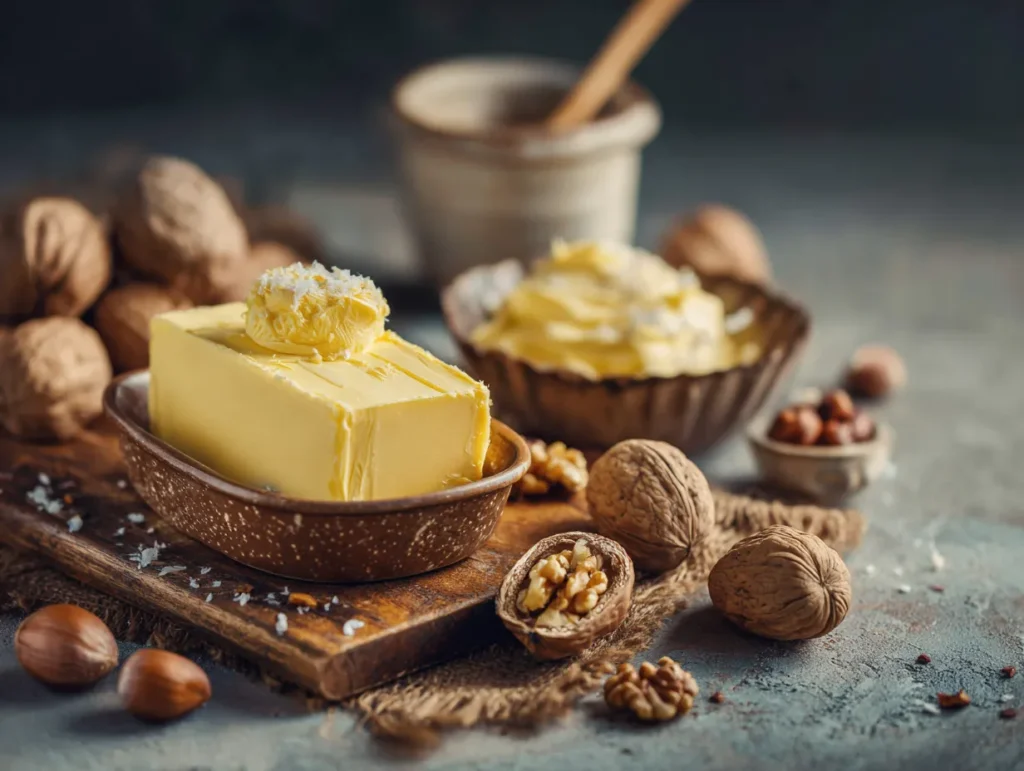
As a seasoned baker, I’ve always believed that the secret to truly exceptional desserts lies in understanding the fundamentals. And one ingredient reigns supreme: butter.
Today, we’re diving deep into the role of butter in desserts. It’s more than just a fat; it’s a flavor enhancer, a texture transformer, and a key player in achieving baking bliss. Whether you’re a seasoned pro or just starting your baking journey, understanding butter’s impact is crucial.
Let’s explore why butter is so essential and how to use it to create desserts that will have everyone coming back for seconds. You can find many delicious dessert recipes to try on Allrecipes.
The Magic of Butter: Why It Matters in Desserts
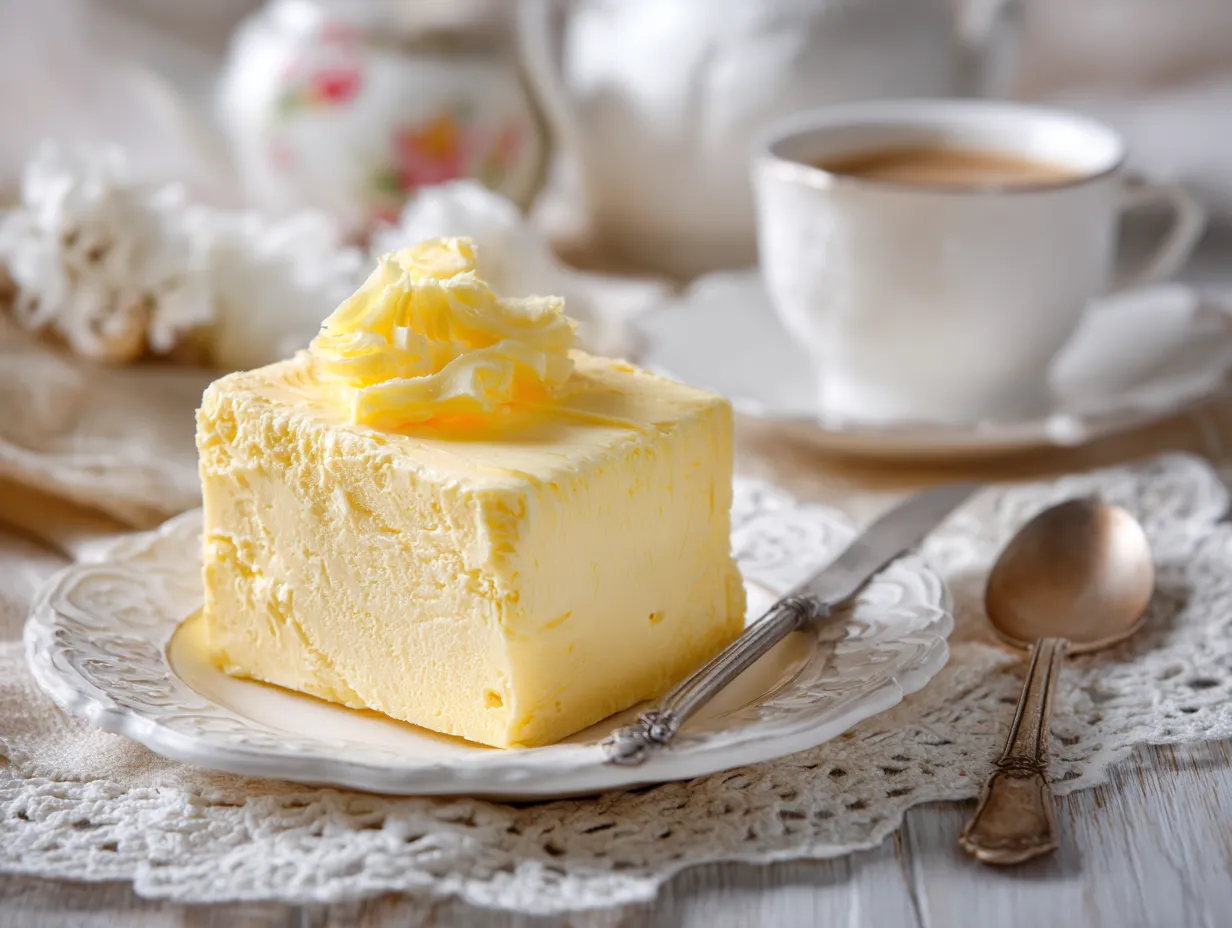
Butter is much more than just a fat; it’s a flavor carrier, texture enhancer, and key to the success of many desserts. Its rich, creamy taste elevates the simplest recipes, and its unique properties contribute to the perfect crumb, rise, and overall experience. Let’s explore the key roles butter plays in your favorite treats.
Flavor: Butter’s flavor is unparalleled. It provides a depth and richness that other fats simply can’t match. The Maillard reaction, which occurs when butter browns during baking, creates complex, nutty notes that enhance the taste of your desserts. Think of the golden-brown edges of a pie crust or the irresistible aroma of a freshly baked cake – butter is the star.
Texture: Butter contributes significantly to the texture of baked goods. It creates tenderness, flakiness, and a melt-in-your-mouth quality. The fat molecules in butter coat the flour particles, preventing gluten development and resulting in a more tender crumb. It also traps air during the creaming process, leading to a lighter, airier texture in cakes and cookies.
Moisture: Butter adds moisture to your baked goods, keeping them from drying out. This is especially important for cakes, muffins, and quick breads. The fat content helps retain moisture during baking, resulting in a more enjoyable eating experience. It also contributes to the shelf life of your treats, keeping them fresh for longer.
Leavening: In some recipes, like cakes and cookies, butter can contribute to the leavening process. When butter is creamed with sugar, it incorporates air, which helps the baked goods rise. This is especially true for recipes that rely on creaming as a primary leavening method.
Browning: Butter facilitates browning, which is crucial for the appearance and flavor of baked goods. The milk solids in butter caramelize during baking, creating a beautiful golden-brown color and adding depth of flavor. This is particularly noticeable in pie crusts, cookies, and pastries.
Butter’s versatility is one of its greatest strengths. It can be used in a variety of forms, each contributing unique qualities to your desserts. From the classic creaming method to the flaky layers of a pie crust, butter is the unsung hero of the dessert world.
To learn more about the science behind baking, check out Serious Eats.
Types of Butter and Their Impact on Baking
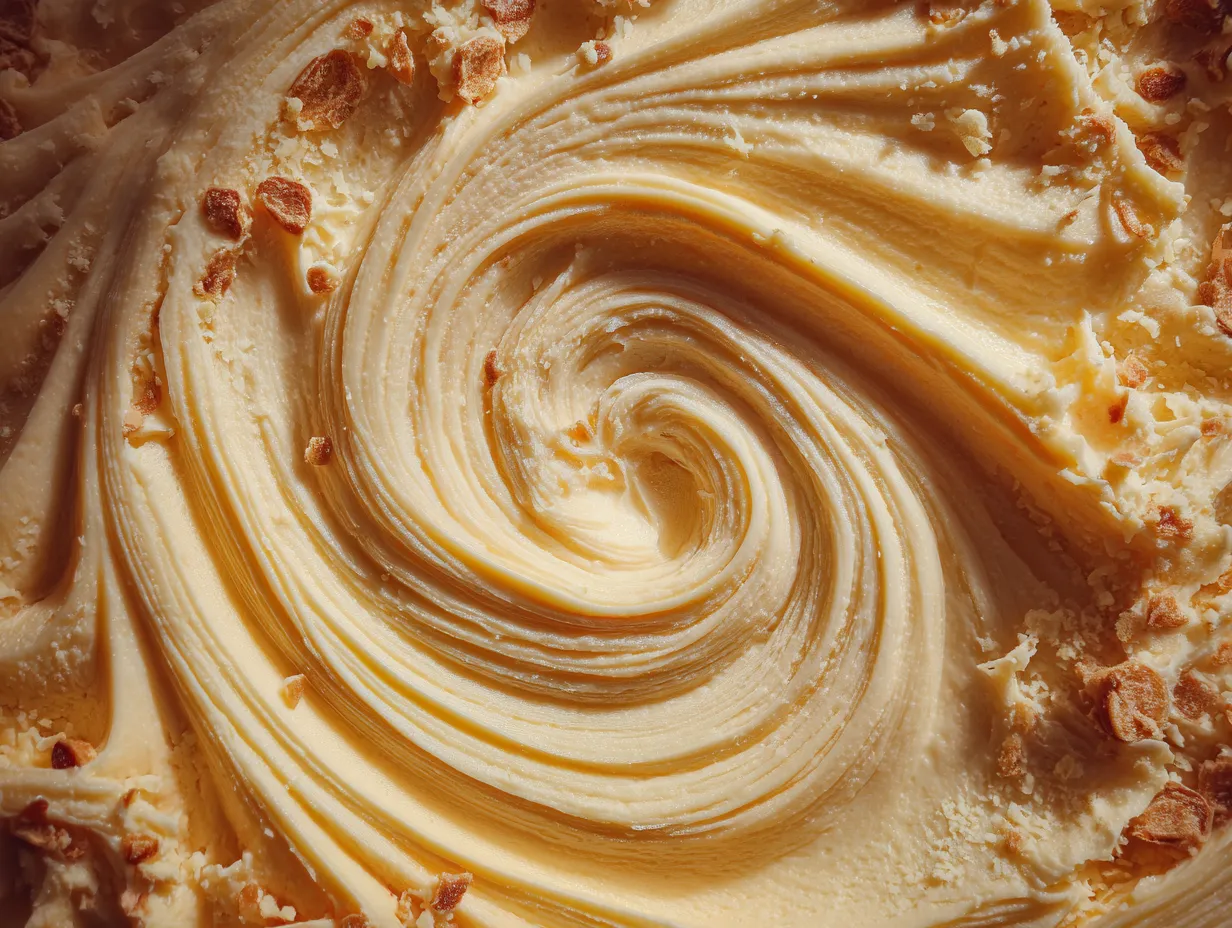
Not all butter is created equal! The type of butter you choose can significantly impact the outcome of your desserts. Understanding the differences between various butters will help you make informed choices and achieve the best results.
Unsalted Butter: This is the go-to choice for most bakers. Unsalted butter allows you to control the amount of salt in your recipe, which is crucial for balancing flavors. It’s especially important in delicate desserts where the salt can easily overpower other flavors. Look for butter with a high butterfat content (80% or higher) for the best results.
Salted Butter: While convenient, salted butter can be tricky in baking. The salt content varies, which can throw off the balance of your recipe. If you use salted butter, reduce the amount of salt called for in the recipe accordingly. It’s often best to stick with unsalted butter.
European-Style Butter: This butter has a higher butterfat content (82-86%) than American butter. This results in a richer flavor, creamier texture, and often a better performance in baking. It’s excellent for making flaky pastries and tender cakes, but it can be more expensive and may require slight adjustments to your recipe.
Cultured Butter: Cultured butter is made by adding live cultures to the cream, which gives it a tangy, slightly fermented flavor. This can add depth and complexity to your baked goods, especially in recipes where the butter is a prominent flavor. It’s often used in croissants, brioche, and other pastries.
Clarified Butter (Ghee): Clarified butter is butter that has been heated to remove the milk solids and water. This results in a pure butterfat with a high smoke point, making it ideal for high-heat cooking. Ghee, a type of clarified butter, has a nutty flavor and is popular in Indian cuisine. While not typically used in most desserts, it can be a unique addition to certain recipes.
Butter Substitutes: While I always recommend using real butter, there are times when you might need a substitute. Margarine can be used in some recipes, but it often lacks the flavor and performance of butter. Vegetable shortening can also be used, but it can result in a different texture and mouthfeel. Always consider the impact of any substitute on the final product.
Tips for Choosing Butter:
- Read the Label: Pay attention to the butterfat content. Higher is generally better for baking.
- Consider the Recipe: Choose the type of butter that best suits the recipe. For delicate flavors, unsalted butter is usually the best choice.
- Taste Test: If possible, taste the butter before using it. A good quality butter will have a fresh, creamy flavor.
- Store Properly: Keep butter refrigerated to maintain its quality and prevent spoilage.
Common Mistakes to Avoid When Using Butter
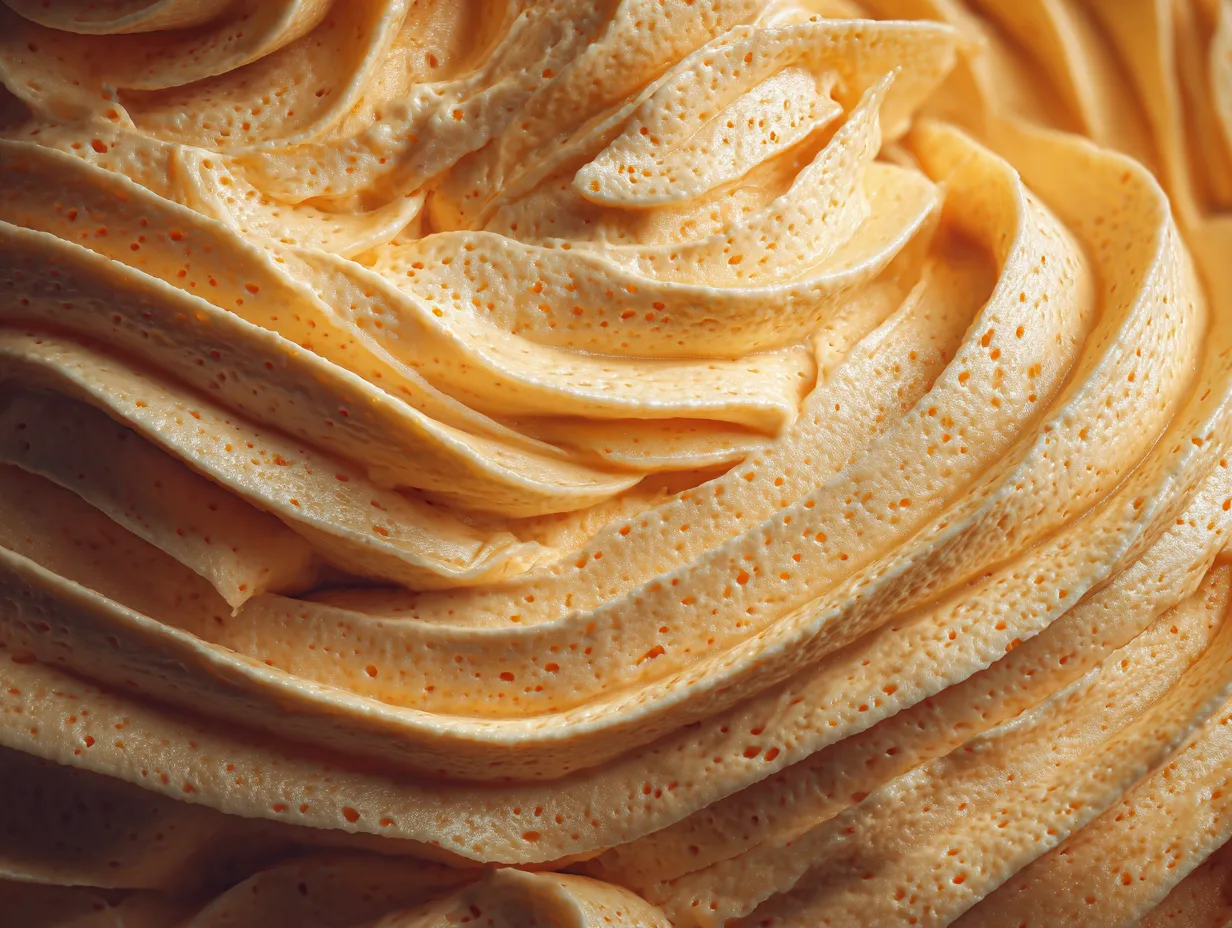
Even the most experienced bakers can make mistakes with butter. Here are some common pitfalls and how to avoid them.
Using Butter That Is Too Cold: Cold butter doesn’t cream well with sugar, which can result in a dense, tough texture. Make sure your butter is softened to room temperature (around 65-70°F) before creaming. It should be pliable but not melted.
Over-Creaming Butter and Sugar: While creaming butter and sugar is essential for incorporating air, overdoing it can lead to a flat, dry cake. Cream until the mixture is light and fluffy, but don’t overmix.
Melting Butter When It Should Be Softened: Some recipes call for melted butter, but others require softened butter. Using melted butter in a recipe that calls for softened butter can change the texture of your baked goods, often making them denser. Always follow the recipe instructions carefully.
Using Low-Quality Butter: The quality of your butter directly impacts the flavor and texture of your desserts. Avoid using old or off-tasting butter. Choose a high-quality butter with a good butterfat content.
Overbaking: Overbaking can dry out your baked goods, especially if you’re using butter. Overbaking can also cause the butter to break down, resulting in a less desirable texture. Always keep a close eye on your baked goods and check for doneness using a toothpick or cake tester.
Not Using Enough Butter: Butter is a key ingredient in many desserts, and skimping on it can affect the final result. If a recipe calls for a specific amount of butter, don’t reduce it unless you’re prepared for changes in texture and flavor.
Not Allowing Butter to Come to Room Temperature: This is a common mistake that affects the creaming process. Cold butter won’t cream properly with sugar, which can result in a dense, tough texture. Plan ahead and allow your butter to soften before you begin baking.
Tips to Avoid Mistakes:
- Read the Recipe Carefully: Understand the role of butter in the recipe and follow the instructions precisely.
- Measure Accurately: Use a kitchen scale for the most accurate measurements, especially for butter.
- Use Room Temperature Ingredients: Ensure that your butter and eggs are at room temperature unless otherwise specified.
- Don’t Overmix: Overmixing can lead to a tough texture. Mix only until the ingredients are combined.
- Check for Doneness: Use a toothpick or cake tester to check for doneness and avoid overbaking.
Butter in Action: Recipes and Techniques
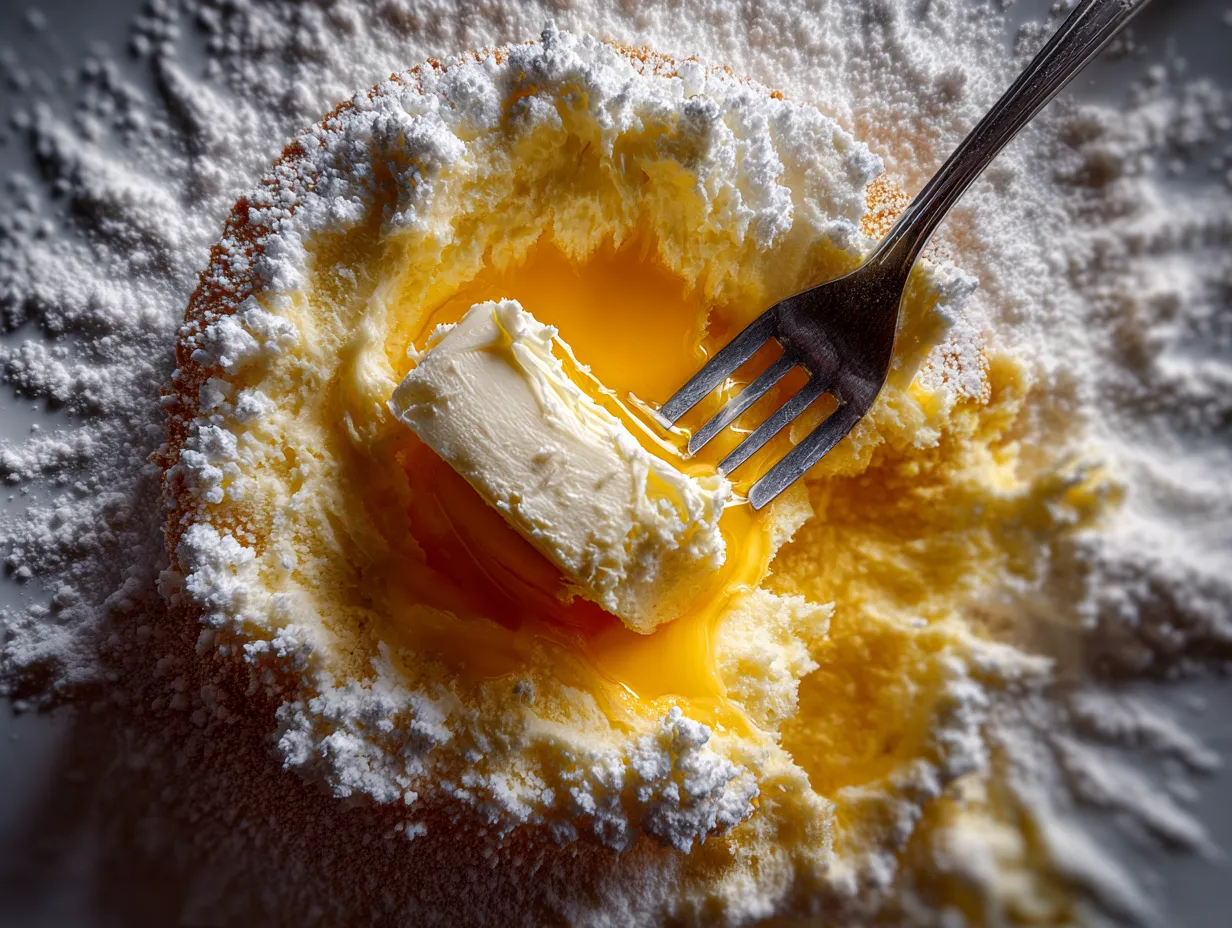
Let’s explore how butter is used in some classic desserts and the techniques that bring out its best qualities.
Cakes: Butter is a cornerstone of cake baking. It’s often creamed with sugar to incorporate air, creating a light and airy texture. The butter also adds richness and flavor.
When making cakes, always use softened butter and cream it with sugar until the mixture is light and fluffy. This step is crucial for achieving a good rise and tender crumb. Examples include a classic vanilla cake, a decadent chocolate cake, or a zesty lemon cake.
Cookies: Butter is essential for creating tender, chewy, or crisp cookies. The method of incorporating butter varies depending on the desired outcome. For chewy cookies, you might melt the butter. For crisp cookies, you might use softened butter.
Creaming butter and sugar creates air pockets that contribute to a light texture. Examples include chocolate chip cookies, sugar cookies, and shortbread cookies.
Pies: Butter is the key to a flaky pie crust. The cold butter is cut into the flour, creating pockets of fat that separate the gluten strands. When the pie bakes, the butter melts, leaving behind air pockets that create a flaky texture.
Using cold butter and handling the dough as little as possible are crucial for achieving a flaky crust. Examples include apple pie, pecan pie, and cherry pie.
Pastries: Butter is the star of many pastries, like croissants and puff pastry. The butter is layered between the dough, creating a delicate, flaky texture. The key is to keep the butter cold and to work quickly to prevent it from melting. The result is a buttery, airy, and delicious treat. Examples include croissants, pain au chocolat, and danishes.
Frostings and Buttercreams: Butter is the base for many frostings and buttercreams. It provides a smooth, creamy texture and a rich flavor. The butter is often whipped with powdered sugar and other ingredients to create a light and fluffy frosting.
Using softened butter is essential for achieving a smooth, spreadable frosting. Examples include American buttercream, Swiss meringue buttercream, and cream cheese frosting.
Tips for Success:
- Use Quality Ingredients: Choose the best butter you can find.
- Follow the Recipe: Pay close attention to the instructions and techniques.
- Work Quickly: Especially when working with cold butter, work quickly to prevent it from melting.
- Don’t Overwork the Dough: Overworking the dough can develop the gluten and result in a tough texture.
- Experiment: Don’t be afraid to try different recipes and techniques to find what you like best.
Troubleshooting Common Butter-Related Baking Issues
Even with the best intentions, things can go wrong. Here’s how to troubleshoot some common butter-related baking issues:
Dense Cakes: If your cake is dense, it could be due to several factors. Ensure your butter was properly softened, and that you creamed the butter and sugar for the correct amount of time. Overmixing can also lead to a dense cake. Make sure you measure your ingredients accurately, and that your baking powder or baking soda is fresh.
Tough Cookies: Tough cookies can be the result of overmixing the dough or using too much flour. Also, if you melted the butter when the recipe called for softened butter, the cookies will be tougher. Make sure you’re measuring your ingredients correctly and that you’re not overworking the dough.
Flat Pie Crust: A flat pie crust is often the result of using butter that was too warm or overworking the dough. Ensure your butter is cold and that you handle the dough as little as possible. Chilling the dough before rolling it out can also help prevent a flat crust.
Dry Baked Goods: Dry baked goods can be caused by overbaking, using too much flour, or not using enough butter. Make sure you’re checking for doneness and following the recipe instructions carefully. Properly measuring your ingredients and using the correct type of butter can also help.
Frosting That’s Too Runny: If your frosting is too runny, it could be due to using butter that was too warm or adding too much liquid. Make sure your butter is softened but not melted. You can also try adding more powdered sugar or chilling the frosting to thicken it.
Tips for Troubleshooting:
- Review the Recipe: Go back and double-check the recipe instructions.
- Check Your Ingredients: Make sure your ingredients are fresh and measured accurately.
- Evaluate Your Technique: Consider whether you followed the instructions correctly.
- Adjust as Needed: If something goes wrong, don’t be afraid to adjust the recipe or try again.
- Learn from Your Mistakes: Baking is a learning process. Each mistake is an opportunity to improve.
FAQ: role of butter in desserts
Here are some of the most common questions I get from fellow bakers about using butter in desserts:
1. Can I substitute butter with margarine or shortening?
While you can substitute butter with margarine or shortening in some recipes, the results may vary. Margarine often lacks the flavor and performance of butter, while shortening can affect the texture and mouthfeel. For the best results, I recommend using real butter.
If you must substitute, choose a high-quality margarine or shortening and adjust the recipe accordingly. Be prepared for a possible change in taste and texture.
2. How do I soften butter quickly if I forgot to take it out of the fridge?
There are several ways to soften butter quickly. You can cut the butter into small cubes and let it sit at room temperature for about 15-20 minutes. You can also place the butter between two sheets of parchment paper and gently pound it with a rolling pin.
Another method is to microwave the butter in short bursts (5-10 seconds) until it’s softened but not melted. Be careful not to melt the butter, as it will change the texture of your baked goods. The key is to check it frequently.
3. What’s the best way to cream butter and sugar?
The key to creaming butter and sugar is to use softened butter and to beat the mixture until it’s light and fluffy. Start with softened butter and beat it on medium speed until it’s smooth. Then, gradually add the sugar and continue to beat until the mixture is light, pale, and fluffy.
This process incorporates air into the butter, which is essential for a good rise and tender crumb. The time it takes can vary depending on your mixer, but it usually takes about 3-5 minutes.
4. Does the type of butter matter for different desserts?
Yes, the type of butter you use can significantly impact the outcome of your desserts. For delicate flavors, unsalted butter is usually the best choice, as it allows you to control the salt content.
European-style butter, with its higher butterfat content, is excellent for flaky pastries and tender cakes. Cultured butter can add a tangy, complex flavor to your baked goods. Always consider the recipe and choose the butter that best suits the desired outcome.
5. How do I store butter to keep it fresh?
To keep butter fresh, store it in the refrigerator. Wrap it tightly in its original packaging or in an airtight container to prevent it from absorbing odors or going stale. Butter can also be frozen for longer storage. Wrap it tightly in plastic wrap or foil and place it in a freezer bag.
Frozen butter can last for several months. Thaw frozen butter in the refrigerator overnight before using it.
Happy baking, and may your desserts be filled with the magic of butter!


17 thoughts on “The role of butter in desserts: Guide for Delicious Results”