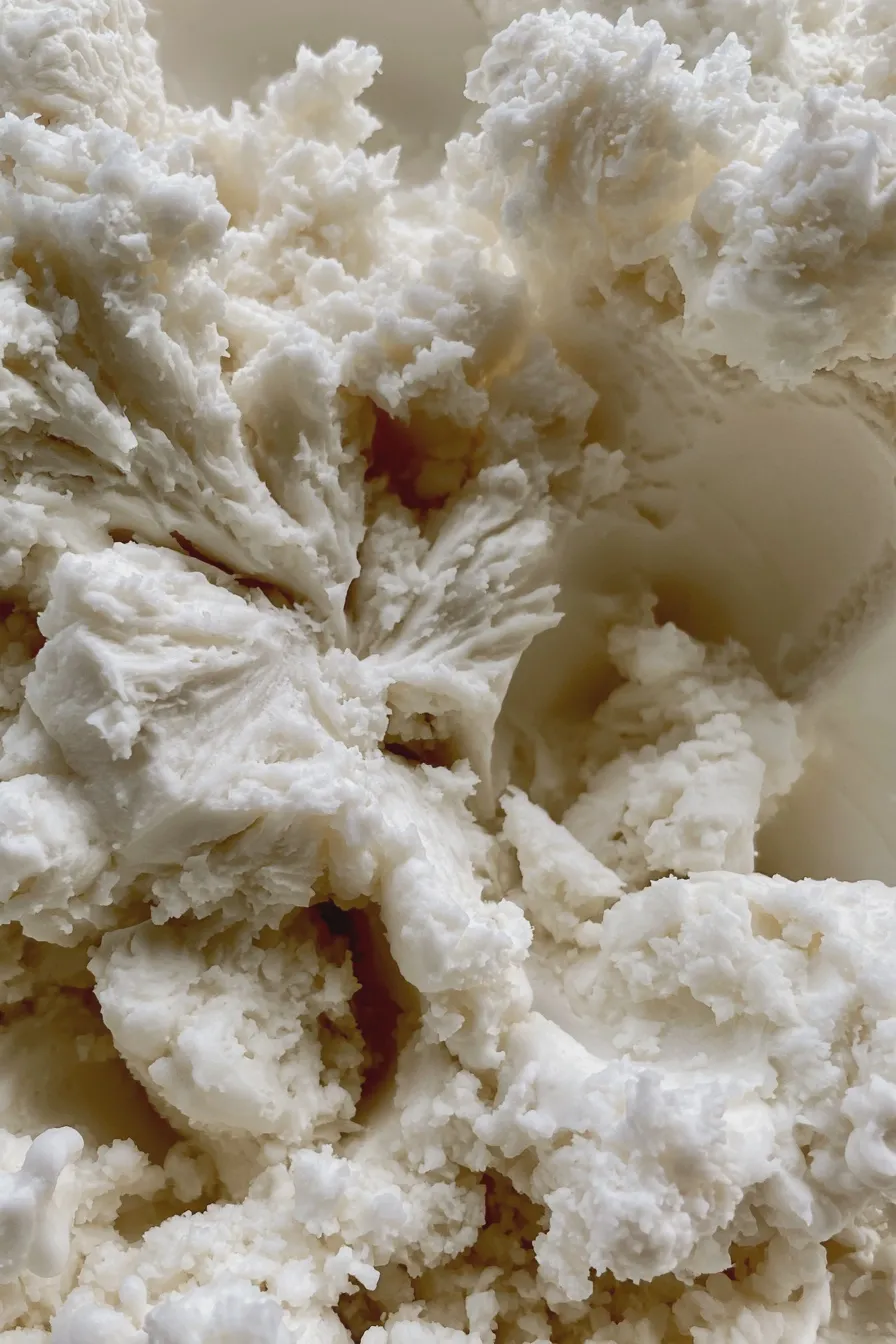
This luscious, creamy coconut milk ice cream is a wonderfully rich, dairy-free frozen treat perfect for warm afternoons or anytime you crave a taste of the tropics without any heavy cream. It’s surprisingly simple to prepare, yielding a smooth, satisfying scoop that rivals any store-bought favorite, making it an ideal choice for those exploring vegan frozen desserts.
Welcome to your new favorite summer indulgence! If you’ve been searching for a dessert that skips the dairy but doubles down on flavor and texture, you’ve landed in the right spot to learn how to make coconut milk ice cream.
This luscious, dairy-free frozen dessert harnesses the fat content of full-fat coconut milk to create an unbelievably creamy base, resulting in a scoop that is both rich and refreshing.
Why Choose Coconut Milk for Homemade Ice Cream?
When developing dairy free ice cream recipes, the primary challenge is achieving that signature velvety mouthfeel without traditional heavy cream. Full-fat coconut milk is the secret weapon here; its high saturated fat content mimics the richness of dairy cream beautifully, making it the best coconut milk for ice cream bases.
Using canned coconut milk makes this recipe accessible, often eliminating the need for specialized equipment like an ice cream maker, especially if you opt for a no churn method, though we will focus on the custard-style approach here for maximum silkiness. For those interested in the science behind how different fats impact baked goods and desserts, understanding how eggs affect desserts can also be helpful when thinking about stabilizers, though this recipe keeps things simple.
For those seeking a lighter alternative, sometimes people look for a coconut sorbet alternative, but this recipe aims squarely for a decadent, rich coconut ice cream experience that satisfies deep dessert cravings.
Ingredient Selection Matters
The quality of your ingredients directly translates to the final texture and flavor of your homemade coconut ice cream. Make sure you are using full-fat canned coconut milk, not the refrigerated beverage version, as the latter lacks the necessary fat solids for a creamy finish.
We focus on simple, pure flavors here, allowing the tropical notes of the coconut to shine, which is essential for any successful tropical ice cream recipes compilation.
- 1 (13.5 ounce) can full-fat coconut milk (chilled overnight is best)
- 1 (13.5 ounce) can full-fat coconut cream (chilled overnight is best; this helps separate the thick cream layer)
- 3/4 cup granulated sugar (or adjust to taste; consider how brown sugar vs white sugar affects texture if substituting)
- 1/4 cup unsweetened shredded coconut, lightly toasted (optional, for texture)
- 1 teaspoon pure vanilla extract
- Pinch of salt
Making it Paleo or Sugar Free
If you need to adapt this recipe for specific dietary needs, such as paleo coconut ice cream or sugar free coconut ice cream, substitutions are straightforward. For sugar-free versions, use your preferred granulated sweetener blend, ensuring it measures cup-for-cup like sugar for consistency.
To keep it paleo, swap the granulated sugar for coconut sugar, though be aware that coconut sugar will impart a slightly deeper color and a subtle molasses note to your final product, which is still delicious in these vegan frozen desserts.
How to Make coconut milk ice cream
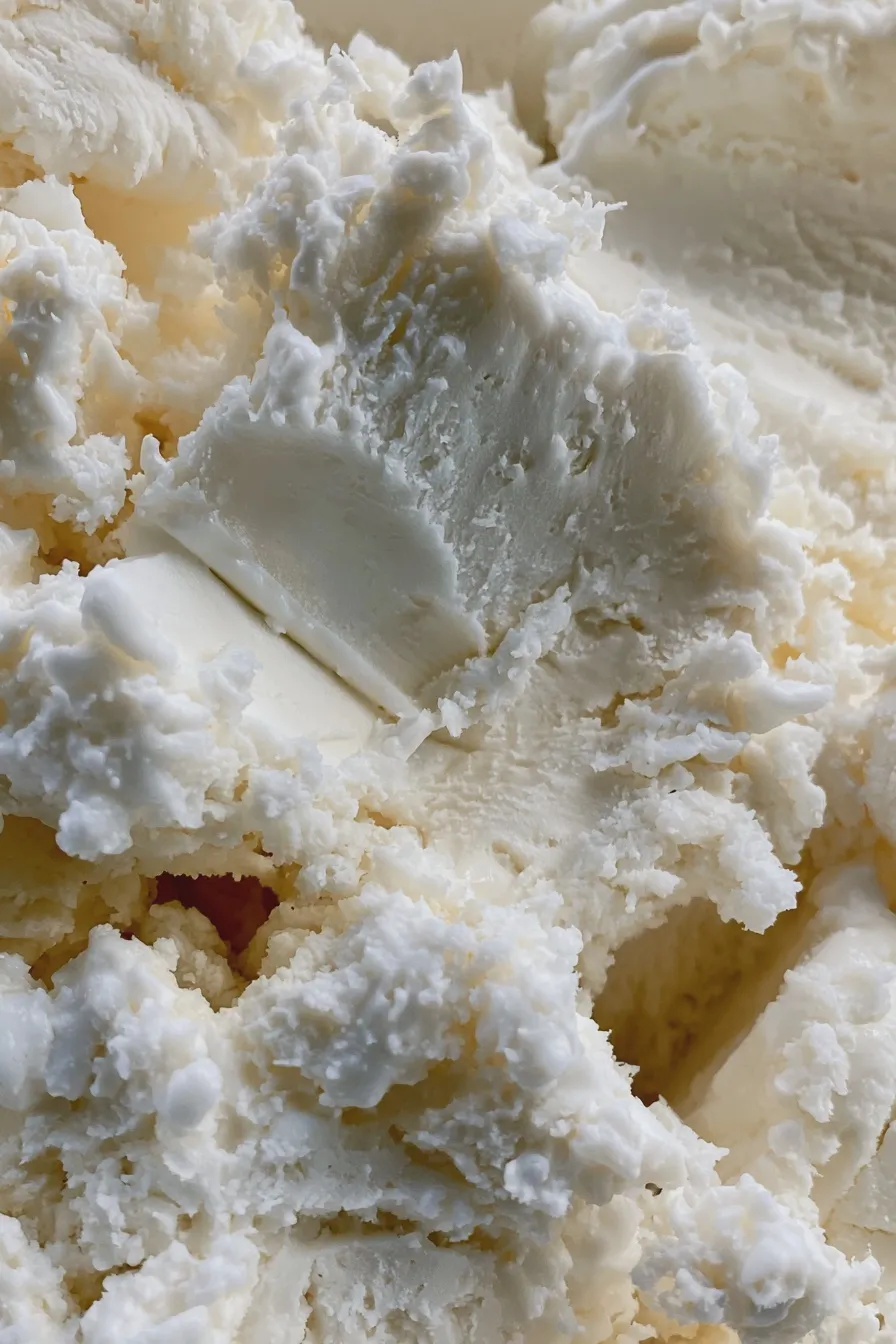
This method focuses on creating a chilled, sweetened base before churning, which yields the smoothest texture for your dairy free ice cream recipes.
Preparing the Coconut Base
Gently scoop the thick cream solids from the top of your chilled coconut cream can into a medium bowl, reserving any thin liquid left behind for smoothies or other uses.
Whisk the scooped coconut cream solids together with the full can of coconut milk, sugar, vanilla extract, and salt until the sugar is completely dissolved and the mixture is uniform; you can find more inspiration on ice cream base techniques online.
Chilling the Mixture Thoroughly
Cover the bowl tightly with plastic wrap and refrigerate the mixture for at least four hours, but preferably overnight, ensuring it is thoroughly chilled before churning.
A very cold base is crucial for achieving the right consistency in the churner, preventing the formation of large ice crystals that lead to a grainy texture in your homemade coconut ice cream.
Churning for Creaminess
If using an ice cream maker, pour the chilled base into the frozen canister according to your machine’s instructions and churn for about 20 to 30 minutes, or until it reaches a soft-serve consistency.
If you are aiming for a no churn coconut milk ice cream, you would skip this step and instead whisk the base vigorously every 30 minutes for the first 3 hours of freezing, which helps break up ice crystals.
Freezing to Firmness
Transfer the soft-serve mixture into a freezer-safe, airtight container, pressing a piece of parchment paper directly onto the surface to minimize air exposure.
Freeze for an additional 3 to 4 hours to allow the coconut cream frozen dessert to firm up completely; this final hardening stage is what gives you that satisfying scoopable texture.
Tips for the Smoothest Results
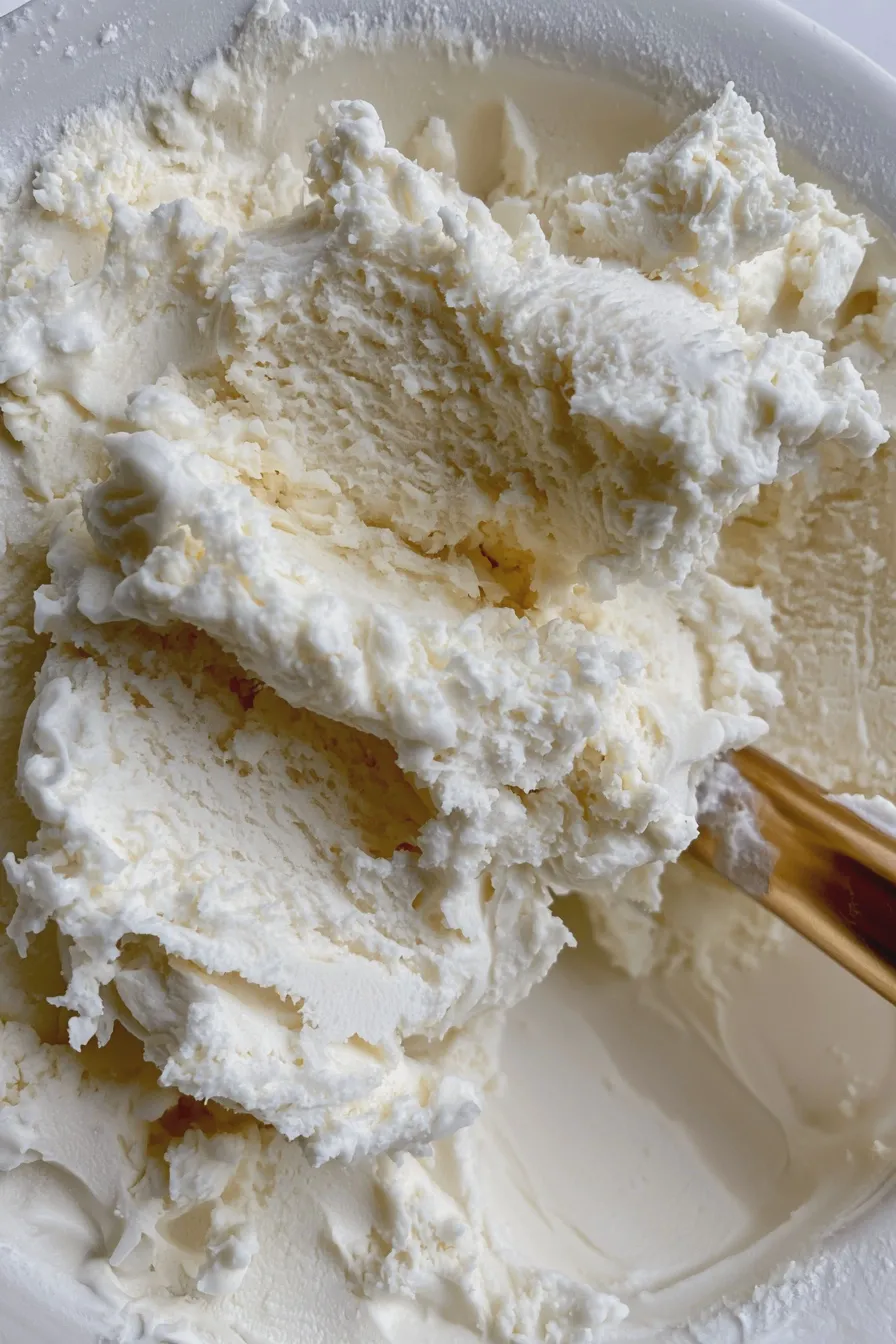
The main goal when making any homemade ice cream is fighting ice crystal formation, and with dairy free bases, this requires a little extra attention.
Fat Content is Non-Negotiable
Always use the highest fat content coconut milk you can find, as this fat is what keeps the texture smooth and scoopable, even when frozen solid.
If you are making a variation like banana coconut ice cream, ensure any added fruit purees are very thick or strained to avoid introducing excess water content into the base.
Flavor Boosters and Add-ins
For a more intense flavor profile, consider adding a tablespoon of toasted coconut oil to the base mixture, which enhances the overall richness of the final product.
Many people enjoy adding mix-ins near the last five minutes of churning; popular additions include toasted nuts, chocolate chips, or a swirl of fruit puree, much like you might find in gourmet cookie recipes where texture contrast is key.
Serving Suggestions for Your Dessert
This delightful base pairs wonderfully with many toppings, from a drizzle of dark chocolate sauce to fresh tropical fruits like mango or pineapple.
If you are making a larger batch for a gathering, consider serving it alongside something bright like tangy lemon bars for a balanced dessert spread.
Storage and Troubleshooting
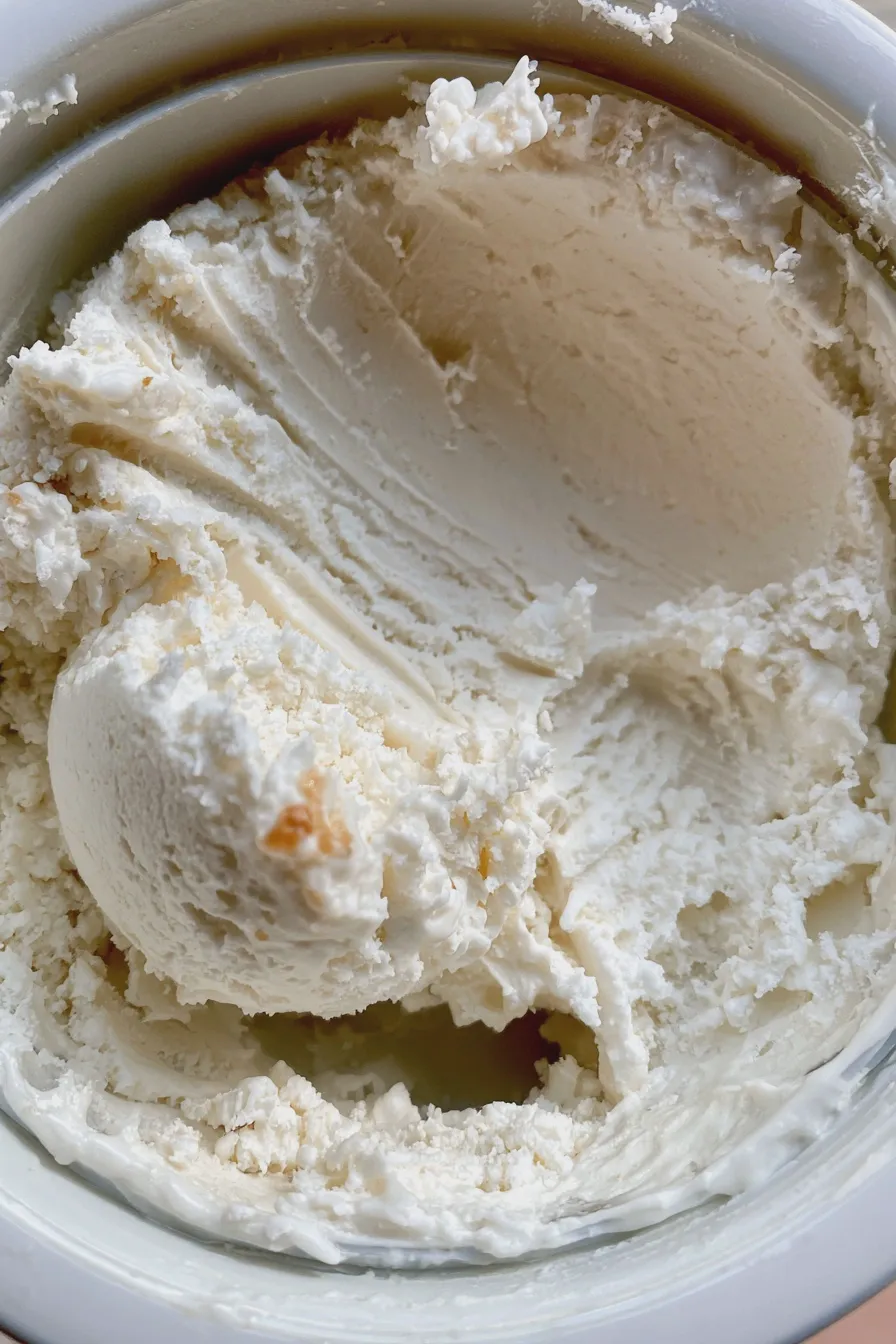
Proper storage ensures you can enjoy your hard work for weeks to come, maintaining that ideal texture.
Best Practices for Freezing
Always store your finished dessert in a shallow, airtight container rather than a deep carton, as this allows it to freeze more evenly and quickly.
If the ice cream freezes rock hard—a common issue with vegan coconut ice cream—let it sit on the counter for 10 to 15 minutes before attempting to scoop; this brief tempering period is essential.
Fixing Texture Issues
If your mixture seems icy after churning, it likely needed a bit more fat or sugar to lower the freezing point; you can try incorporating a tablespoon of corn syrup or a small amount of vodka (which won’t freeze solid) before re-churning if you have the means.
For recipes that tend toward being too soft, perhaps when making a lighter coconut cream frozen dessert, ensuring your machine canister is fully frozen according to manufacturer guidelines will solve most texture woes.
Print
coconut milk ice cream Easy Homemade Recipe
- Total Time: PT6H
- Yield: Approximately 1 quart 1x
- Diet: Vegan, Dairy-Free
Description
This recipe delivers an incredibly creamy, naturally sweet ice cream using full-fat coconut milk as the base. It’s naturally dairy-free and vegan, yet tastes wonderfully decadent. Whether you have an ice cream maker or prefer the simpler no-churn method, this tropical dessert is a guaranteed hit.
Ingredients
- 2 cans (13.5 oz each) full-fat coconut milk, chilled overnight in the refrigerator
- 1/2 cup granulated sugar (or maple syrup for refined sugar-free)
- 1 teaspoon pure vanilla extract
- Pinch of sea salt
- Optional: 1/4 cup shredded sweetened coconut, toasted (for mix-in)
Instructions
- Prepare the Coconut Milk: Open the chilled cans of coconut milk without shaking them. Carefully scoop out only the hardened, thick cream layer from the top of the cans into a large mixing bowl. Reserve the watery liquid left behind for smoothies or other uses.
- Sweeten the Base: Add the sugar (or maple syrup), vanilla extract, and salt to the coconut cream.
- Mix: Using an electric hand mixer or a whisk, beat the mixture until it is smooth, slightly fluffy, and the sugar is fully dissolved (about 2-3 minutes). Taste and adjust sweetness if necessary.
- Churning Method: Pour the mixture into your ice cream maker bowl (ensure the bowl has been frozen for at least 24 hours according to manufacturer instructions). Churn according to your machine’s directions, usually 20–30 minutes, until it reaches a soft-serve consistency. If adding toasted coconut, mix it in during the last 5 minutes of churning.
- No-Churn Method: Pour the mixture into a freezer-safe loaf pan or container. Cover tightly with plastic wrap, pressing the wrap directly onto the surface of the mixture to prevent ice crystals. Freeze for 4–6 hours, stirring vigorously every 60–90 minutes for the first 3 hours to break up ice crystals and maintain creaminess.
- Final Freeze: Once the ice cream reaches your desired firmness (soft or hard), transfer it to an airtight container and freeze for an additional 2–4 hours to fully set before serving.
Notes
- For the best results, ensure your coconut milk cans are chilled for at least 12 hours. This separates the thick cream needed for richness.
- If using maple syrup instead of sugar, the ice cream may freeze harder due to the higher water content; consider adding 1 teaspoon of vodka or 1 tablespoon of corn syrup to help keep it softer.
- Serve garnished with fresh pineapple or a drizzle of chocolate sauce.
- Prep Time: PT10M
- Cook Time: 0 minutes
- Category: Dairy-Free Desserts
- Method: Churning or No-Churn
- Cuisine: International
Nutrition
- Serving Size: 1/2 cup
- Calories: 250
- Sugar: 22g
- Sodium: 45mg
- Fat: 20g
- Saturated Fat: 18g
- Carbohydrates: 18g
- Fiber: 1g
- Protein: 2g
- Cholesterol: 0mg