Table of Contents
There’s something incredibly comforting about a batch of homemade shortbread cookies. These buttery, melt-in-your-mouth treats are perfect for any occasion, from a simple afternoon snack to a festive holiday gathering. The simplicity of the ingredients belies the rich flavor and satisfying texture, making them a beloved classic for generations.
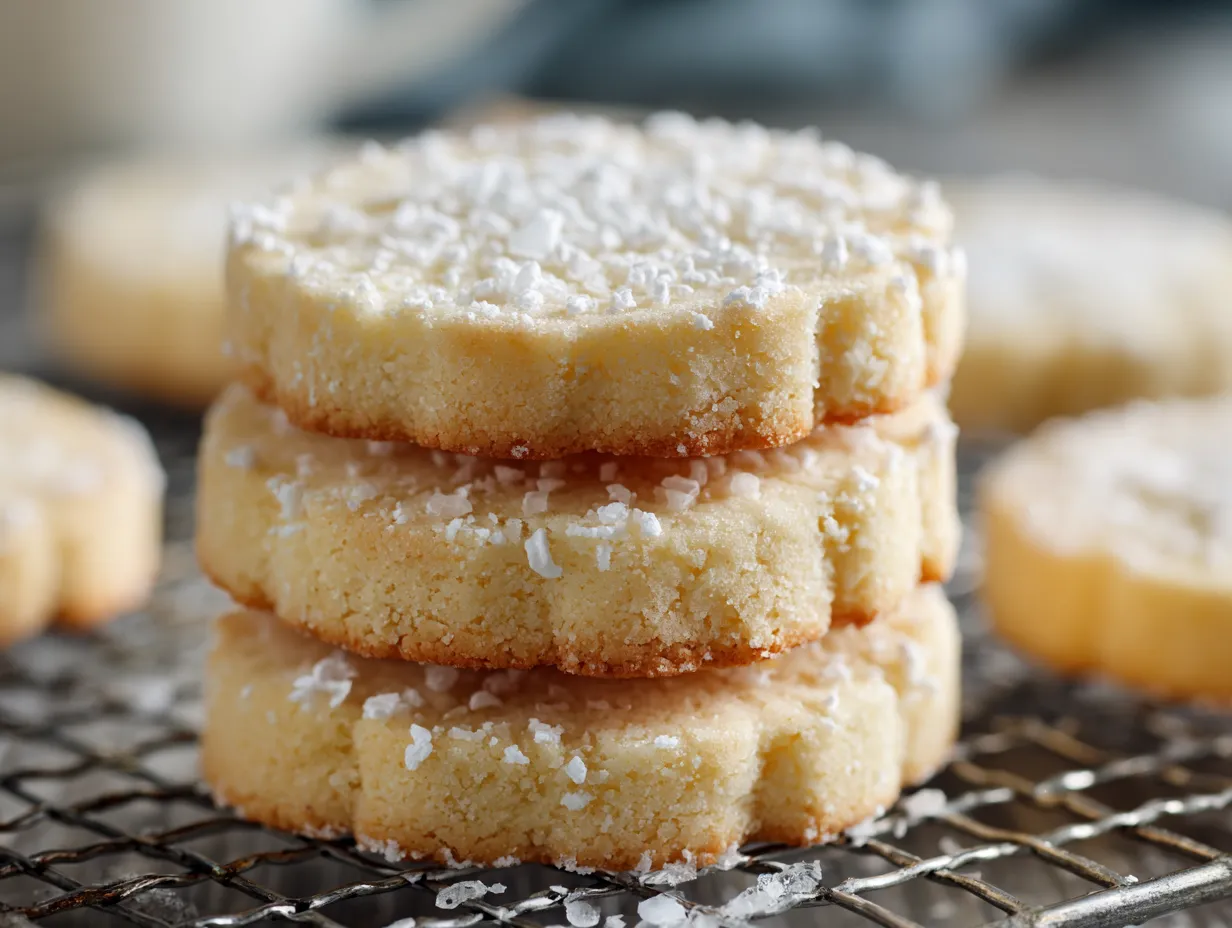
Whether you’re a seasoned baker or just starting out, this recipe is designed to be easy to follow and consistently delicious. The beauty of shortbread lies in its versatility; you can enjoy it plain, or get creative with additions like chocolate, nuts, or even a sprinkle of sea salt. Get ready to bake a batch of these delightful cookies that are sure to become a new favorite!
The best part is that you can have these cookies ready in under an hour. This recipe is a great option when you’re craving something sweet but don’t want to spend all day in the kitchen. Let’s get started!
What Makes Shortbread Cookies Special?
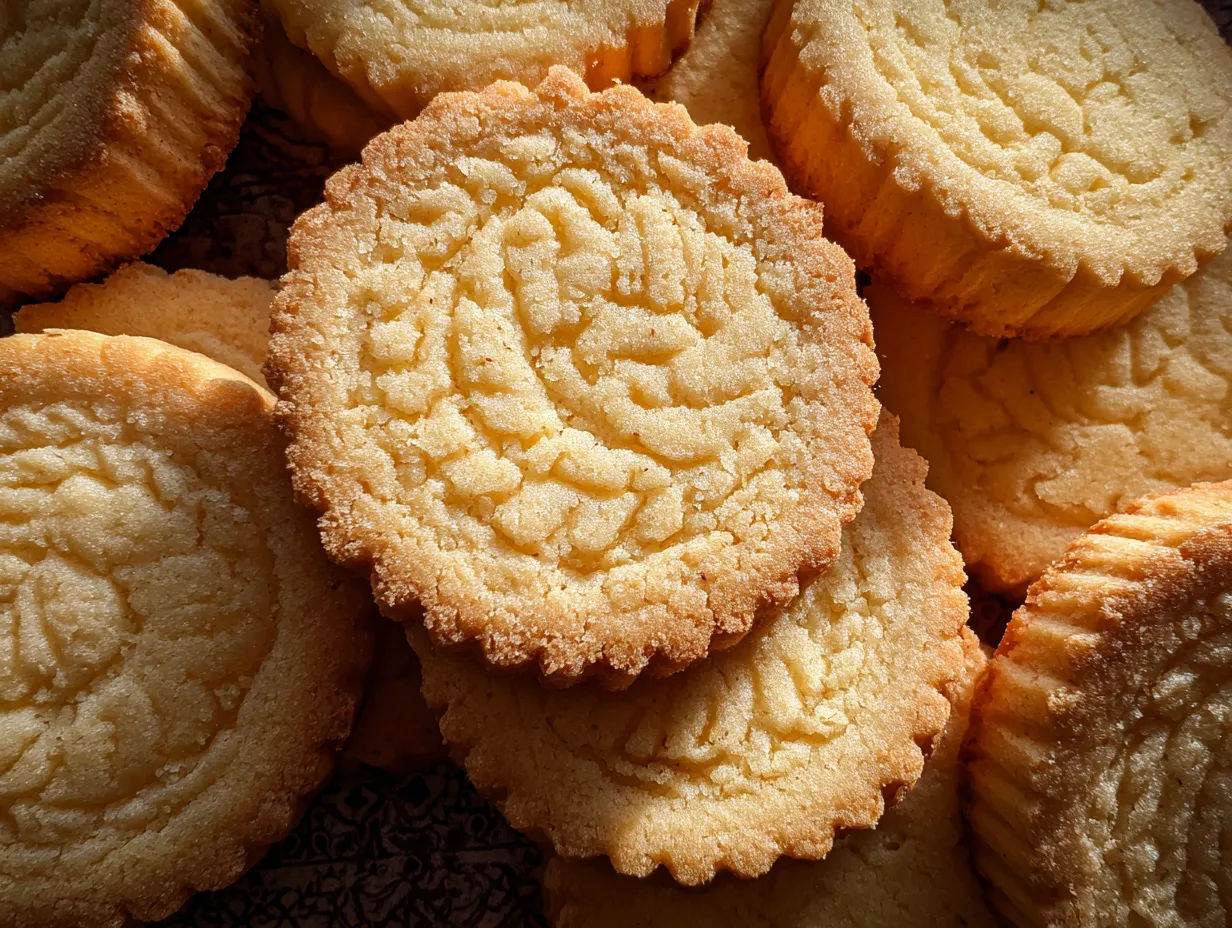
Shortbread cookies are special for a multitude of reasons. Originating in Scotland, they have a rich history that contributes to their charm. The traditional recipe, with its simple combination of butter, sugar, and flour, produces a tender crumb and a rich, buttery flavor that’s hard to resist. The texture is key; it should be crumbly yet firm, melting in your mouth with each bite. This makes them a delightful treat for any occasion.
The simplicity of the ingredients is another reason for their appeal. Unlike many other complex desserts, shortbread relies on the quality of its ingredients to shine. Good quality butter is essential, as it provides the characteristic flavor and texture. Furthermore, the absence of leavening agents like baking powder or baking soda results in a dense, crisp cookie. If you want to learn more about the history of this delicious treat, check out this search result from Wikipedia.
The Key Ingredients
The magic of shortbread lies in its simplicity. Only a few high-quality ingredients are needed to create these delicious cookies. Choosing the right ingredients and understanding their roles is key to achieving the perfect texture and flavor. Let’s take a closer look at what goes into making these classic treats.
- Butter: This is the star ingredient! Use unsalted butter for the best flavor control. The butter should be at room temperature, but still cold to the touch. This helps create the right texture.
- Granulated Sugar: This adds sweetness and helps with the structure of the cookies.
- All-Purpose Flour: This provides the structure. Make sure to measure your flour correctly to avoid dry cookies.
- Salt: A pinch of salt enhances the flavors and balances the sweetness.
Flavor Variations and Add-Ins
While the classic recipe is perfect on its own, shortbread is also a great base for experimentation. You can easily adapt the recipe to create different flavors and textures. From adding spices to incorporating nuts or chocolate, the possibilities are endless. These variations allow you to customize your shortbread to suit your tastes and preferences. Here are some ideas to get you started:
- Citrus Zest: Add the zest of an orange or lemon for a bright, refreshing flavor.
- Nuts: Incorporate chopped pecans, walnuts, or almonds for added crunch and flavor.
- Chocolate: Dip the baked cookies in melted chocolate or add chocolate chips to the dough.
- Spices: Experiment with a pinch of cinnamon, nutmeg, or cardamom for a warm, spiced flavor.
- Sea Salt: Sprinkle some coarse sea salt on top before baking for a sweet and salty treat.
How to Make shortbread cookies
Making shortbread cookies is a straightforward process, but following a few key steps will ensure perfect results every time. From preparing the ingredients to baking and cooling, each stage contributes to the final outcome. Get ready to enjoy the delightful process of creating these classic treats.
Step 1: Creaming the Butter and Sugar
In a large bowl, cream together the softened butter and sugar until the mixture is light and fluffy. This step is crucial for incorporating air into the dough, which contributes to the cookie’s texture. Use an electric mixer for the best results, but you can also do this by hand if you don’t have one. Make sure the butter is at room temperature but still cold to the touch, and the sugar is fully incorporated. This process usually takes about 2-3 minutes.
Step 2: Adding the Flour
Gradually add the all-purpose flour and salt to the butter mixture. Be careful not to overmix the dough at this stage. Overmixing can develop the gluten in the flour, resulting in a tougher cookie. Mix until the flour is just combined and the dough comes together. If you are curious about the differences between different types of flour, you can check out this article.
Step 3: Shaping the Dough
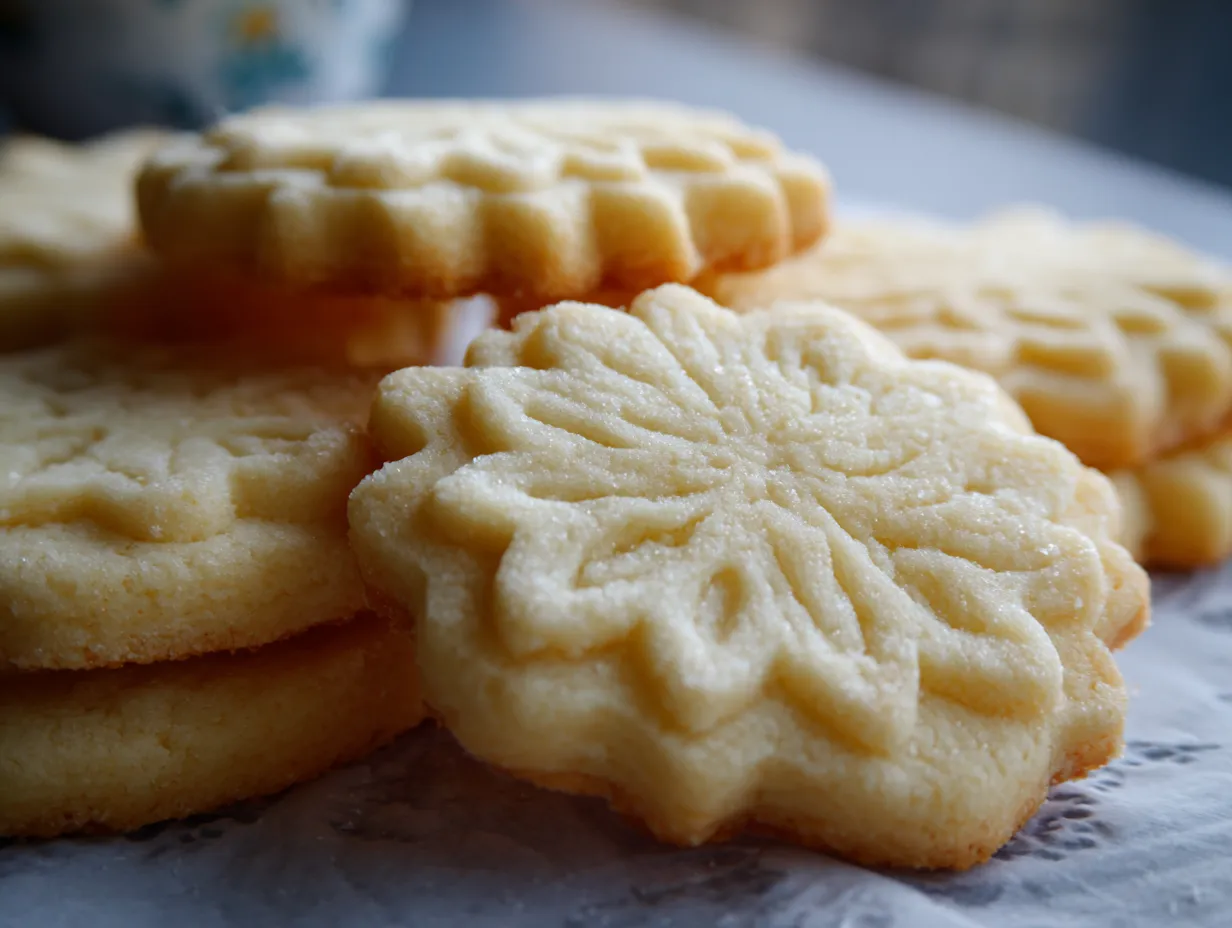
There are several ways to shape shortbread cookies. You can roll out the dough and cut it into shapes using cookie cutters. Another option is to simply pat the dough into a disk, then score it with a knife or fork. You can also press the dough into a baking pan and then cut it into squares or rectangles after baking. If you are making shortbread thumbprint cookies, you’ll want to make small balls and press a thumbprint into the center.
Step 4: Chilling the Dough
Place the shaped dough in the refrigerator for at least 30 minutes, or up to an hour. Chilling the dough is essential for preventing the cookies from spreading too much during baking. It also helps to firm up the butter, which contributes to the cookie’s crisp texture. This step is crucial for achieving that perfect shortbread consistency. Don’t skip this step!
Step 5: Baking the Cookies
Preheat your oven to 325°F (160°C). Place the chilled cookies on a baking sheet lined with parchment paper. Bake for 15-20 minutes, or until the edges are lightly golden. Be careful not to overbake them; they should be pale and slightly firm. When using cookie cutters, make sure the shapes are evenly sized for consistent baking. If you want a deeper flavor, you can let the cookies brown a little more, but watch carefully!
Step 6: Cooling and Serving
Let the baked shortbread cookies cool on the baking sheet for a few minutes before transferring them to a wire rack to cool completely. This allows them to firm up and prevents them from breaking. Once cooled, store the cookies in an airtight container at room temperature. The cookies will stay fresh for up to a week. Enjoy these delicious treats with a cup of tea or coffee.
Tips for Perfect Shortbread
Achieving perfect shortbread cookies requires attention to detail and a few helpful tips. From the right ingredients to proper techniques, these tips will help you bake the best shortbread every time. Whether you’re a beginner or an experienced baker, these tips will help you create delicious, melt-in-your-mouth cookies.
Choosing the Right Butter
The quality of your butter directly impacts the flavor and texture of your shortbread. Use unsalted butter for the best flavor control. Make sure the butter is at room temperature but still cold to the touch when you start. This ensures that the butter creams properly with the sugar, creating the right texture. The butter should be soft enough to cream easily but not so soft that it becomes greasy.
Measuring Ingredients Accurately
Precise measurements are essential for successful baking. Use a kitchen scale to measure the flour for the most accurate results. If you don’t have a scale, use the “spoon and level” method when measuring flour. Spoon the flour into your measuring cup and then level it off with a knife. Packing the flour into the cup can result in dry cookies. You should also take the time to learn about different types of sugar in baking to ensure you’re using the right one.
Avoiding Overmixing
Overmixing the dough can develop the gluten in the flour, resulting in tough cookies. Mix the dough until the flour is just combined. Avoid overworking the dough, as this can affect the texture. When adding the flour, mix it in gently until it’s just incorporated. This will help maintain that desired crumbly texture. If you’re a beginner, it’s easy to overmix, so pay close attention to this step.
Chilling the Dough Properly
Chilling the dough is a crucial step that helps prevent the cookies from spreading too much during baking. It also firms up the butter, resulting in a crispier texture. Make sure to chill the dough for at least 30 minutes, or up to an hour. This allows the ingredients to meld and the butter to firm up. Don’t skip this step, even if you are in a rush. If you are making shortbread thumbprint cookies, make sure to chill the dough before adding the filling.
Troubleshooting Common Issues
Even with the best intentions, things can sometimes go wrong in the kitchen. Here are some common issues and how to fix them when making shortbread. From spreading cookies to a tough texture, these tips will help you troubleshoot and achieve perfect results.
Cookies Spreading Too Much
If your cookies are spreading too much in the oven, it could be due to a few reasons. The butter may have been too warm, or the dough might not have been chilled long enough. Make sure your butter is at room temperature but still cold to the touch. Always chill the dough for at least 30 minutes before baking. If the problem persists, try using a slightly cooler oven temperature.
Cookies are Too Dry
Dry cookies can result from too much flour or overbaking. Make sure you measure the flour accurately using the “spoon and level” method. Avoid overmixing the dough. Also, check your oven temperature to ensure it’s accurate. If the cookies are still dry, reduce the baking time slightly. Another common issue is not using the correct type of sugar. If you are unsure, check out this guide to brown sugar vs. white sugar.
Cookies are Tough
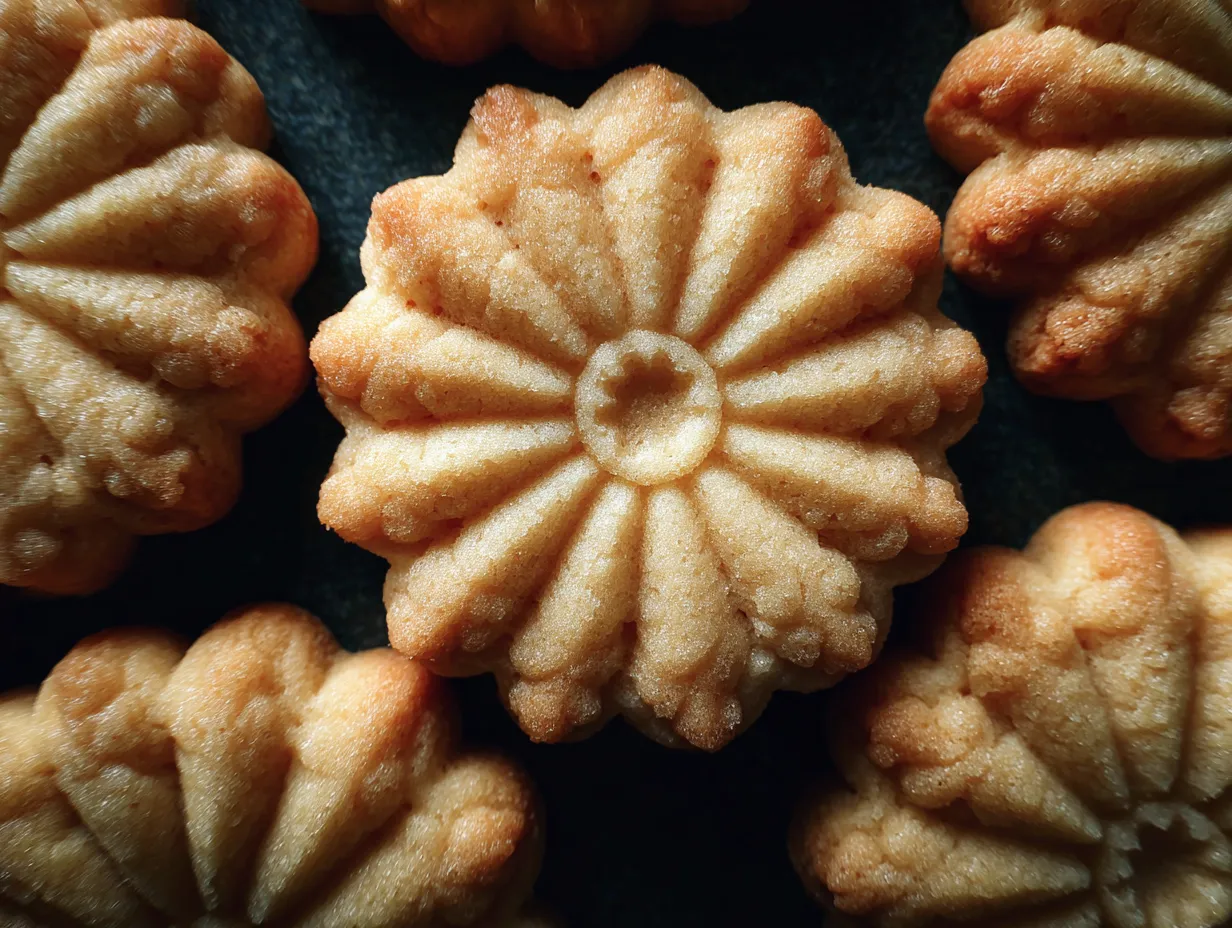
A tough texture often results from overmixing the dough. Avoid overworking the dough once the flour is added. Mix until just combined. Overmixing develops the gluten in the flour, leading to a tougher texture. Be gentle when combining the ingredients. Ensure you are using high-quality butter because the quality of the butter can also affect the texture of the cookies. The role of butter in desserts is very important, and you can learn more about it here.
Storing and Serving Shortbread
Proper storage and serving techniques are essential for maintaining the freshness and flavor of your shortbread. From keeping them crisp to enjoying them at their best, here’s how to store and serve your homemade shortbread cookies.
How to Store Shortbread
Store shortbread cookies in an airtight container at room temperature. This will help keep them fresh and prevent them from becoming stale. Properly stored, shortbread can last for up to a week. Avoid storing them in the refrigerator, as this can make them dry. Place a piece of parchment paper between layers of cookies to prevent them from sticking together.
Serving Suggestions
Shortbread is delicious on its own, but there are many ways to enhance your enjoyment. Serve them with a cup of tea or coffee for a classic pairing. You can also enjoy them with a scoop of ice cream or use them as a base for a dessert. For a festive touch, decorate them with sprinkles or a dusting of powdered sugar. The best part of these cookies is that you can adapt them to your tastes.
FAQ: Your Shortbread Questions Answered
Do you have questions about making shortbread cookies? Here are some of the most frequently asked questions, along with helpful answers to guide you through the process.
Can I use salted butter?
Yes, you can use salted butter, but you may want to reduce the amount of salt in the recipe slightly. Taste the dough before baking and adjust the salt to your preference. Using unsalted butter gives you more control over the flavor. The most important thing is to ensure that you use the right ingredients.
How can I make gluten-free shortbread cookies?
To make gluten-free shortbread, substitute the all-purpose flour with a gluten-free flour blend. Make sure your blend contains xanthan gum to help with binding. Follow the rest of the recipe as directed. You may need to experiment with different gluten-free flour blends to find one that works best for you. If you are interested in making gluten-free shortbread cookies, be sure to check out some recipes online.
What can I substitute for granulated sugar?
You can substitute the granulated sugar with other types of sugar, such as powdered sugar or caster sugar. However, the texture of the cookies may vary slightly. Powdered sugar will result in a more delicate cookie, while caster sugar will produce a slightly denser cookie. You can also experiment with brown sugar, but this will change the flavor profile. If you are unsure about what sugar to use, you can always learn about the differences between baking powder vs. baking soda.
Can I freeze shortbread cookies?
Yes, you can freeze shortbread cookies. Wrap them tightly in plastic wrap or place them in an airtight container before freezing. They will keep well in the freezer for up to three months. To thaw, simply let them sit at room temperature for a few hours. Freezing is a great option if you want to make a big batch of cookies ahead of time. You can also make a good batch of shortbread variations and freeze them.
How can I prevent my shortbread from spreading too much?
To prevent spreading, make sure your butter is cold but still soft enough to cream. Always chill the dough for at least 30 minutes before baking. Use parchment paper on your baking sheet. Avoid overmixing the dough, and ensure your oven temperature is accurate. These steps will help the cookies maintain their shape during baking. If you are interested in making easy shortbread cookies, then you should follow all of these tips.
Shortbread Cookies Easy Recipe for Buttery Deliciousness
- Total Time: 38 minutes
- Yield: 24 cookies 1x
- Diet: Vegetarian
Description
Classic shortbread cookies, buttery and melt-in-your-mouth delicious. Perfect with a cup of tea!
Ingredients
- 1 cup (2 sticks) unsalted butter, softened
- 1/2 cup granulated sugar
- 2 1/4 cups all-purpose flour
- 1/4 teaspoon salt
Instructions
- Preheat oven to 325°F (160°C).
- In a large bowl, cream together the softened butter and sugar until light and fluffy.
- Gradually add the flour and salt, mixing until just combined. Do not overmix.
- On a lightly floured surface, gently knead the dough a few times.
- Roll out the dough to about 1/4 inch thickness.
- Cut into desired shapes using cookie cutters or a knife.
- Place cookies on ungreased baking sheets.
- Bake for 15-20 minutes, or until the edges are lightly golden.
- Let cool on the baking sheets for a few minutes before transferring to a wire rack to cool completely.
Notes
- For a richer flavor, use salted butter and reduce the amount of salt.
- You can add a teaspoon of vanilla extract to the dough for extra flavor.
- Shortbread cookies can be stored in an airtight container at room temperature for up to a week.
- Prep Time: 20 minutes
- Cook Time: 18 minutes
- Category: Cookies
- Method: Bake
- Cuisine: British
Nutrition
- Serving Size: 1 cookie
- Calories: 120
- Sugar: 6g
- Sodium: 30mg
- Fat: 8g
- Saturated Fat: 5g
- Carbohydrates: 12g