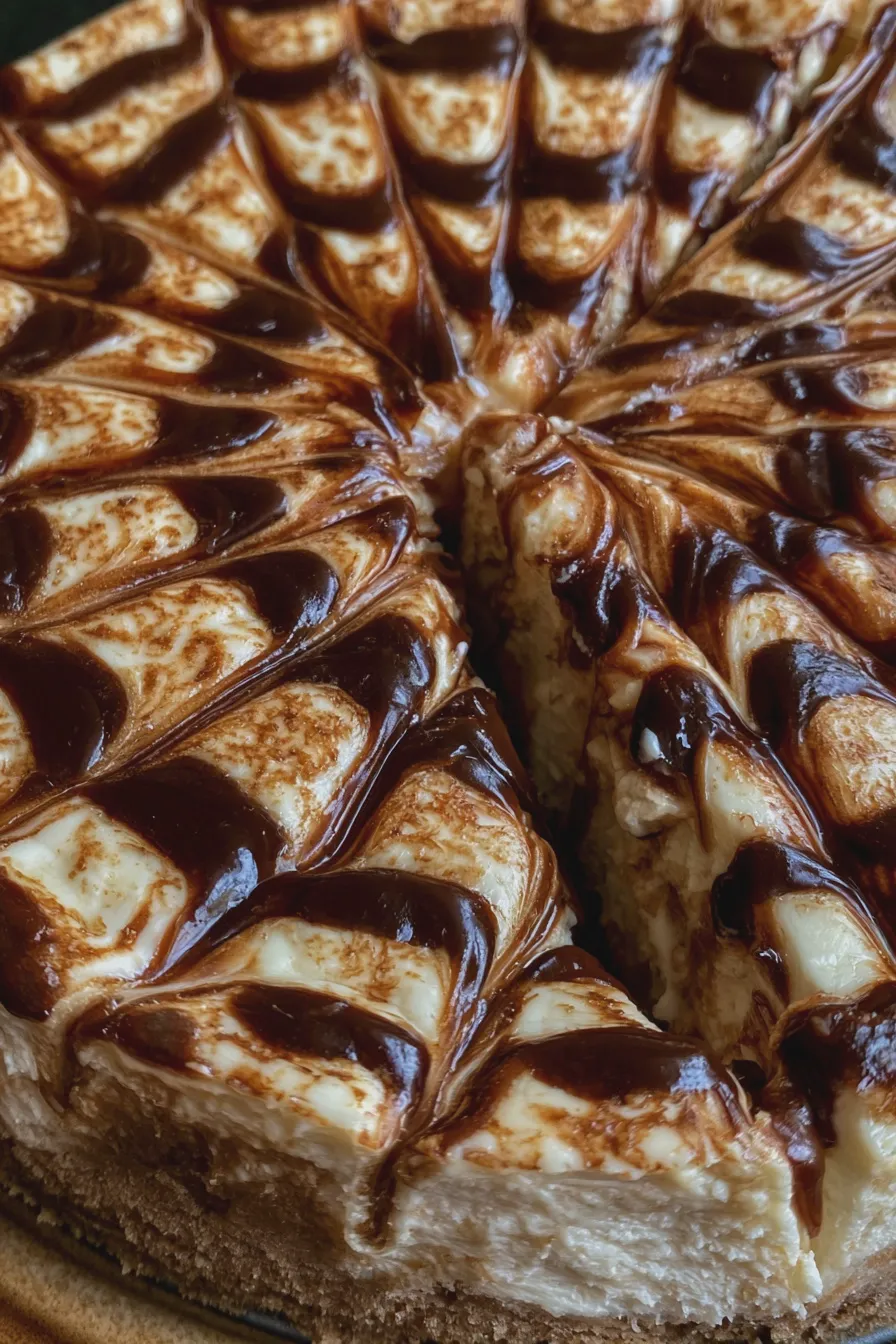
This spider web cheesecake is a visually stunning and delicious dessert perfect for Halloween or any spooky celebration. It features a creamy, rich cheesecake filling adorned with an intricate dark chocolate spider web, making it a memorable centerpiece for your party.
Welcome to a truly enchanting dessert experience! Today, we’re diving into the delightful world of the spider web cheesecake, a treat that’s as fun to look at as it is to eat. This recipe is designed to impress your guests with its creative flair and decadent flavor, making it a standout among your Halloween treats.
What is Spider Web Cheesecake?
Spider web cheesecake is a classic cheesecake decorated to resemble a spider’s web, typically using a contrasting color of sauce or melted chocolate drizzled over the top. It’s a festive and eye-catching dessert, often made for Halloween parties but adaptable for any occasion that calls for a bit of spooky fun.
This particular spider web cheesecake recipe starts with a classic graham cracker crust and a smooth, creamy vanilla cheesecake filling. The magic happens with the decoration, where melted dark chocolate is artfully swirled to create the iconic web pattern, making it a showstopper for any gathering. You can find more inspiration for creative cheesecake designs on sites like Serious Eats.
Ingredients for Spider Web Cheesecake
Gathering the right ingredients is the first step to a perfectly executed spider web cheesecake. We’ll be using standard pantry staples for the crust and a rich cream cheese filling, with dark chocolate for that essential web effect.
- For the Crust:
- 2 cups graham cracker crumbs (about 14 full graham crackers)
- 1/4 cup granulated sugar
- 1/2 cup unsalted butter, melted
- For the Cheesecake Filling:
- 4 (8-ounce) packages cream cheese, softened
- 1 1/2 cups granulated sugar
- 1/4 cup all-purpose flour
- 1 teaspoon vanilla extract
- 1/2 teaspoon salt
- 4 large eggs, at room temperature
- 1/2 cup sour cream, at room temperature
- For the Spider Web Decoration:
- 4 ounces dark chocolate, finely chopped
- 1 tablespoon vegetable oil or coconut oil (optional, for smoother consistency)
How to Make Spider Web Cheesecake
Creating this festive cheesecake is a rewarding process, broken down into simple steps for a beautiful and delicious outcome. We’ll cover everything from preparing the crust to achieving that perfect web design.
Prepare the Graham Cracker Crust
Begin by preheating your oven to 350°F (175°C) and lightly greasing a 9-inch springform pan. In a medium bowl, combine the graham cracker crumbs and granulated sugar. Pour the melted butter over the crumb mixture and stir until all the crumbs are moistened. Press this mixture evenly into the bottom and about 1 inch up the sides of the prepared springform pan. For an extra sturdy crust, you can bake it for about 8-10 minutes until lightly golden, then let it cool completely before adding the filling.
Make the Cheesecake Filling
In a large bowl, beat the softened cream cheese with an electric mixer on medium speed until smooth and creamy, ensuring there are no lumps. Gradually add the granulated sugar and flour, beating until just combined; be careful not to overmix. Stir in the vanilla extract and salt. Add the eggs one at a time, beating on low speed after each addition until just incorporated. Finally, gently fold in the sour cream until the batter is smooth and homogenous. This simple cheesecake recipe relies on gentle mixing to avoid incorporating too much air, which can lead to cracks.
Bake the Cheesecake
Pour the cheesecake filling over the prepared crust in the springform pan, spreading it evenly. To prevent cracking and ensure even baking, we’ll use a water bath. Wrap the outside of the springform pan tightly with heavy-duty aluminum foil, creating a waterproof seal. Place the foil-wrapped pan inside a larger roasting pan. Carefully pour hot water into the roasting pan, filling it about halfway up the sides of the springform pan. Bake for 60-75 minutes, or until the edges of the cheesecake are set and the center is still slightly jiggly. Turn off the oven, crack the door open slightly, and let the cheesecake cool in the oven for 1 hour. This gradual cooling process is crucial for preventing cracks and achieving a smooth texture, similar to tips found for baking other delicate desserts like a red velvet cake.
Chill the Cheesecake
Once the cheesecake has cooled in the oven, remove it from the water bath and the foil. Let it cool completely on a wire rack at room temperature. Once cooled, cover the cheesecake loosely with plastic wrap and refrigerate for at least 6 hours, or preferably overnight. Proper chilling is essential for the cheesecake to firm up completely, making it easier to decorate and ensuring a perfect slice.
Create the Spider Web Design
To prepare for the spider web decoration, melt the finely chopped dark chocolate. You can do this in a heatproof bowl set over a saucepan of simmering water (double boiler method), stirring occasionally until smooth. Alternatively, microwave the chocolate in 30-second intervals, stirring between each, until melted and smooth. Stir in the vegetable or coconut oil, if using, to achieve a thinner, more drizzly consistency. Let the melted chocolate cool slightly so it’s warm but not hot to the touch.
Decorate the Cheesecake
Remove the chilled cheesecake from the springform pan. Place the cheesecake on a serving platter or turntable. Spoon the slightly cooled melted dark chocolate into a piping bag fitted with a small round tip, or a resealable plastic bag with a tiny corner snipped off. Start by piping concentric circles of chocolate onto the surface of the cheesecake, beginning from the center and working your way outwards. Don’t worry about perfection; the swirls will create the web effect. Then, using a toothpick or a skewer, gently drag lines from the center of the cheesecake outwards through the chocolate circles, creating the spider web pattern. Wipe the toothpick clean between each drag for the cleanest lines. This technique is a simple yet effective way to achieve beautiful chocolate drizzle designs.
Tips for the Perfect Spider Web Cheesecake
Achieving a flawless spider web cheesecake involves a few key techniques and considerations. From ingredient temperature to decoration nuances, these tips will help ensure your dessert is a spectacular success.
- Room Temperature Ingredients: Ensure your cream cheese, eggs, and sour cream are at room temperature. This is crucial for a smooth, lump-free filling. Cold ingredients won’t emulsify properly, leading to a lumpy texture.
- Don’t Overmix: Overbeating the cheesecake batter, especially after adding the eggs, can incorporate too much air. This can cause the cheesecake to puff up excessively during baking and then crack as it cools.
- Water Bath is Key: While optional for some simple cheesecake recipes, a water bath is highly recommended for this baked cheesecake recipe. It provides a moist, even baking environment that helps prevent cracks and ensures a creamy texture.
- Gradual Cooling: Abrupt temperature changes are the enemy of cheesecake. Cooling it slowly in the turned-off oven, then at room temperature, and finally in the refrigerator helps prevent cracks and maintain its smooth surface.
- Chocolate Consistency: For the spider web, the melted chocolate should be smooth and flow easily but not be too hot, which could melt the cheesecake’s surface. A little oil helps achieve the perfect drizzling consistency.
- Decoration Practice: If you’re new to decorating, consider practicing the spider web technique on a piece of parchment paper first. This allows you to get a feel for the toothpick drag without risking your beautiful cheesecake.
- Make Ahead: This festive cheesecake is an excellent make-ahead dessert. It needs to chill for at least 6 hours, so baking it the day before your party is ideal.
Serving and Storage
Once your masterpiece is decorated, it’s ready to be served and enjoyed. Proper storage will ensure it stays delicious for days.
- Serving Ideas: This spider web cheesecake is a showstopper on its own, perfect as a dessert for Halloween party or any festive gathering. You can serve it with a dollop of whipped cream or a few fresh berries for a pop of color and freshness. For a truly decadent experience, consider pairing it with a warm dessert like strawberry cobbler or a rich chocolate dessert.
- Storage: Leftover cheesecake should be covered tightly with plastic wrap or aluminum foil and stored in the refrigerator. It will keep well for up to 4-5 days.
- Freezing: While cheesecakes are best enjoyed fresh, they can be frozen. Ensure the cheesecake is completely chilled and decorated. Wrap it tightly in plastic wrap, then in aluminum foil, and freeze for up to 1 month. Thaw overnight in the refrigerator before serving.