
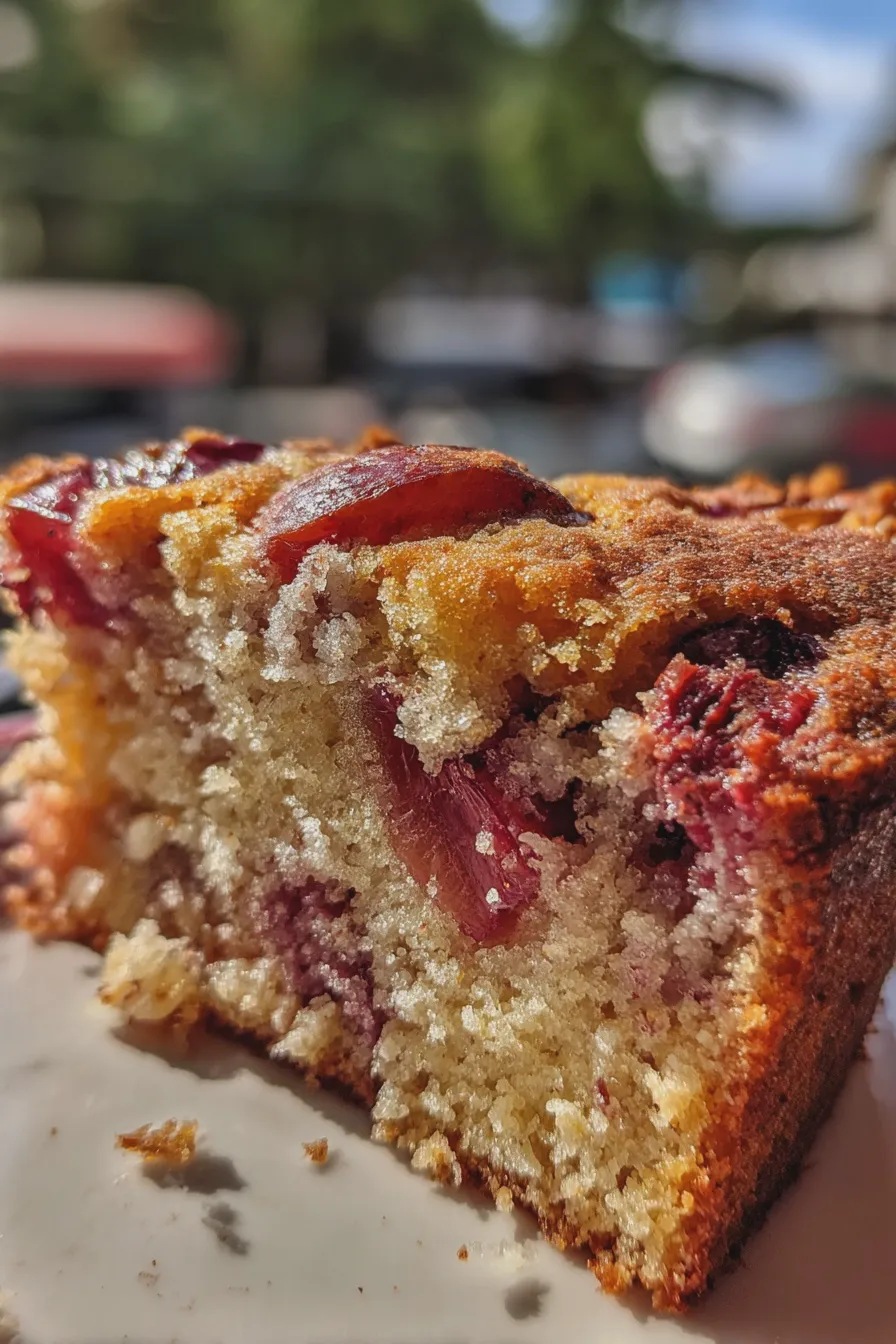
This classic dessert is a delightful treat, especially during the holiday season. The rich flavors of this delicious dessert come from the combination of fruit and spices, making it a favorite for many.
If you’re looking for a dessert that’s both comforting and flavorful, you’ll love this recipe for a delicious plum cake. This cake is known for its moist texture and the wonderful blend of spices and fruits.
Introduction to Plum Cake
This recipe creates a wonderfully moist and flavorful dessert that’s perfect for any occasion. The combination of sweet plums, warm spices, and a moist crumb make this cake an irresistible treat. You’ll find that this timeless dessert is a delightful addition to your baking repertoire, and it’s sure to become a family favorite.
The delicious taste and aroma of a plum cake often evoke memories of cozy gatherings and festive celebrations, making it a beloved treat during the holiday season. If you’re looking for other festive treats, you might also like to try some recipes from Food Network.
Plum Cake Ingredients
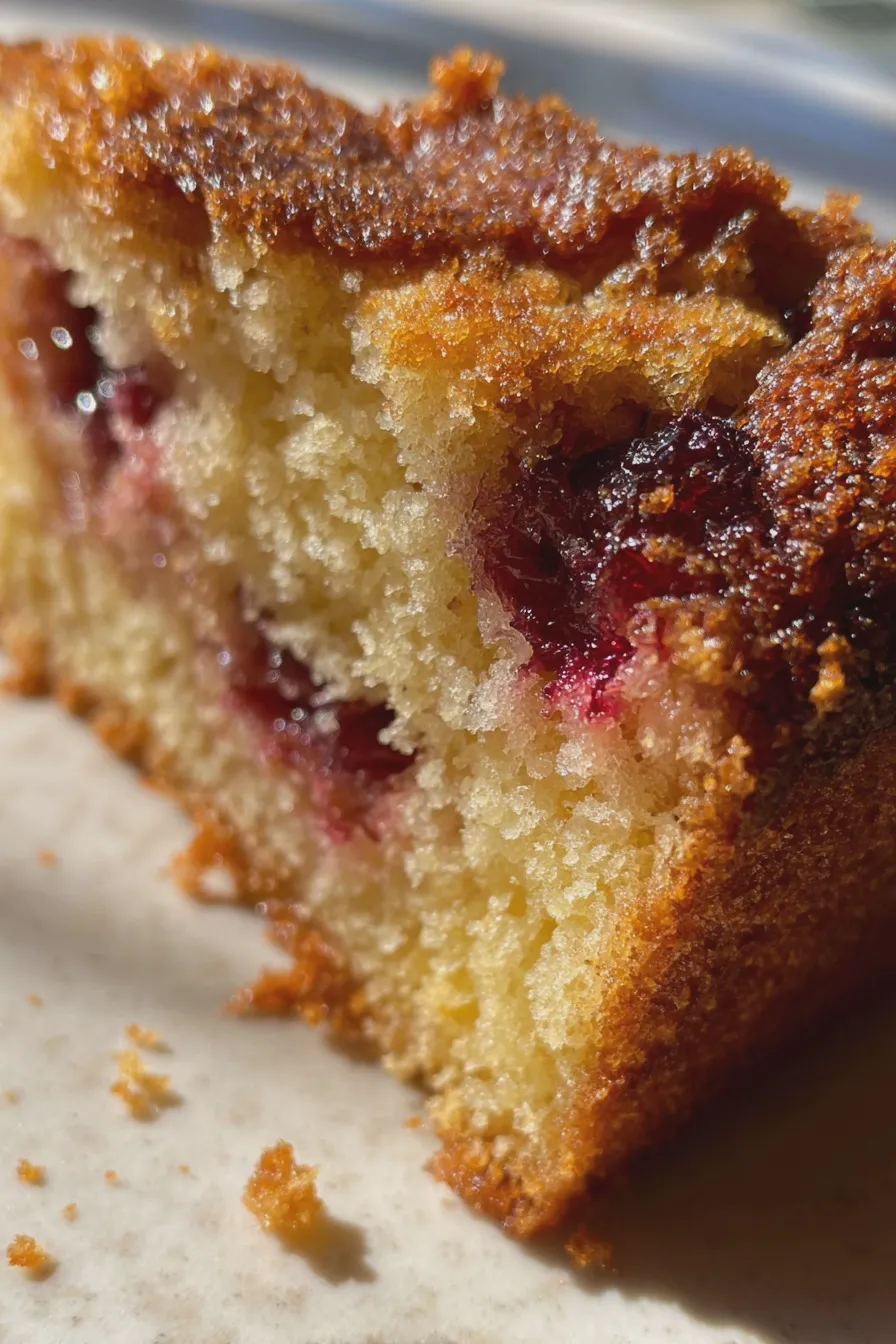
The secret to a great plum cake recipe lies in the quality of its ingredients. Gathering the right components ensures your cake has the perfect balance of flavors and textures. The following ingredients are essential to create a delicious and memorable plum cake.
Ingredients List
- 2 cups all-purpose flour
- 1 teaspoon baking powder
- 1/2 teaspoon baking soda
- 1/2 teaspoon salt
- 1 cup (2 sticks) unsalted butter, softened
- 1 3/4 cups granulated sugar
- 4 large eggs
- 1 teaspoon vanilla extract
- 1 cup milk
- 3 cups fresh plums, pitted and chopped
- 1 cup raisins
- 1 cup chopped walnuts or pecans
- 1 teaspoon ground cinnamon
- 1/2 teaspoon ground nutmeg
- 1/4 teaspoon ground cloves
For those who love a bit of extra flavor, consider adding a splash of brandy to the plum mixture. This enhances the depth of flavor. If you’re looking for a variation, try adding different types of dried fruit to create a unique twist.
How to Make Plum Cake
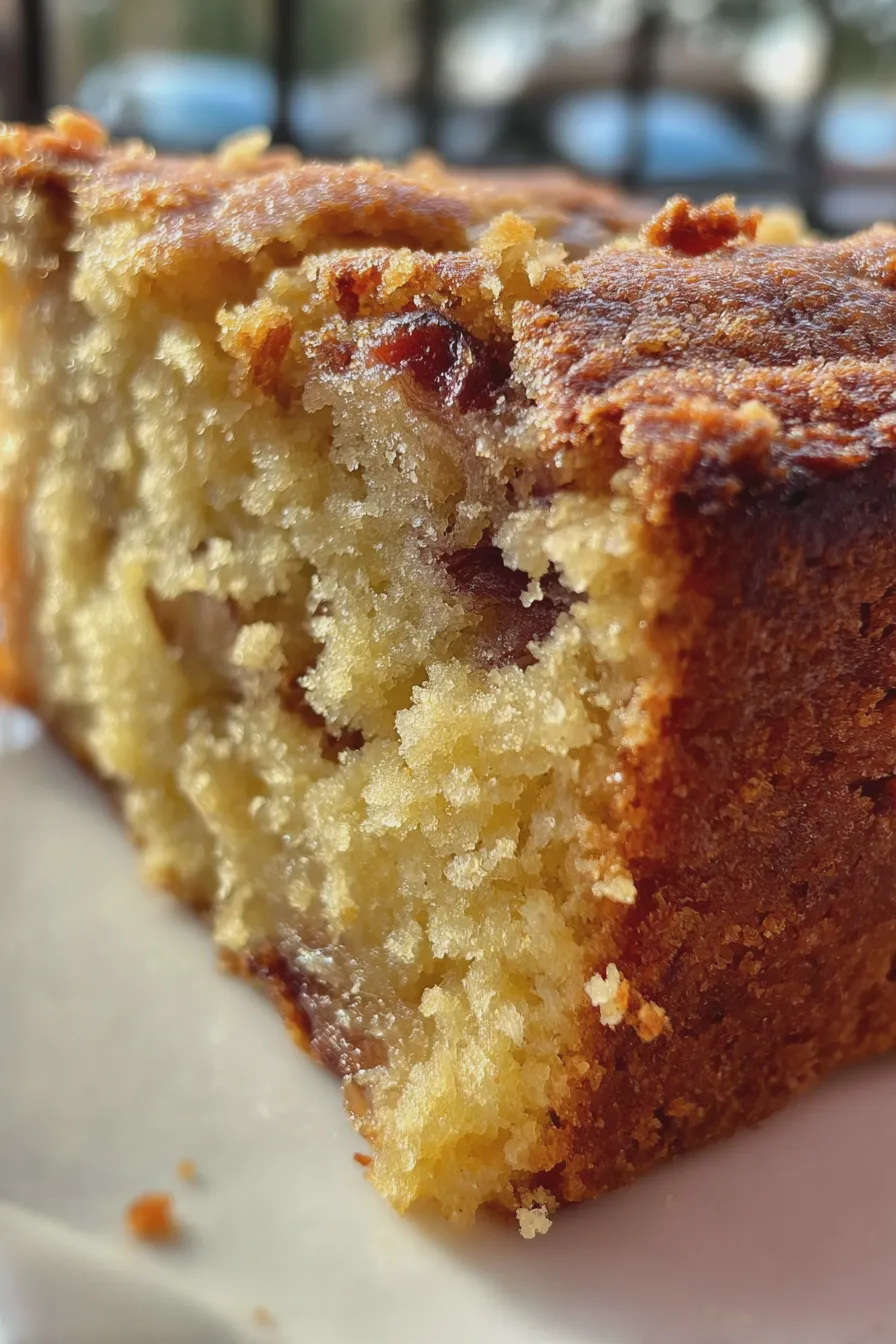
Baking a plum cake is a rewarding experience, and following these steps will help you achieve a moist and flavorful cake every time. From preparing the ingredients to baking and cooling, each step is crucial for the perfect outcome.
Prepare the Plums and Dry Ingredients
Begin by preparing the plums: wash, pit, and chop them into bite-sized pieces. In a large bowl, whisk together the flour, baking powder, baking soda, and salt to ensure everything is evenly distributed.
This step is important because it prevents clumps from forming in your cake batter. You can also add a pinch of salt to your dry ingredients to enhance the flavors.
Cream the Butter and Sugar
In a separate large bowl, cream together the softened butter and sugar until light and fluffy. This step incorporates air into the batter, which is essential for a light and airy cake.
Make sure your butter is at room temperature to ensure it creams properly with the sugar. If you are having trouble with this step, you can also use a stand mixer for a more consistent result.
Add Eggs and Vanilla
Beat in the eggs one at a time, followed by the vanilla extract. Beating the eggs in gradually helps emulsify the batter, creating a smooth and even texture.
If the batter appears curdled after adding the eggs, don’t worry; it will come together as you add the dry ingredients. Make sure you scrape down the sides of the bowl to ensure everything is mixed well.
Combine Wet and Dry Ingredients
Gradually add the dry ingredients to the wet ingredients, alternating with the milk, beginning and ending with the dry ingredients. Be careful not to overmix, as this can lead to a tough cake.
Mix until just combined, as overmixing can develop the gluten in the flour, resulting in a dense cake. You can also use a spatula to fold in the last bits of flour to avoid overmixing.
Add the Plums and Nuts
Gently fold in the chopped plums, raisins, and nuts. Make sure the fruit and nuts are evenly distributed throughout the batter.
To prevent the fruit from sinking to the bottom, you can lightly coat them in flour before adding them to the batter. This will help them stay suspended during baking.
Bake the Cake
Pour the batter into a greased and floured 9×13 inch baking pan. Bake in a preheated oven at 350°F (175°C) for 45-55 minutes, or until a toothpick inserted into the center comes out clean.
Check for doneness by inserting a toothpick into the center of the cake; if it comes out clean, your cake is ready. Allow the cake to cool in the pan for about 10 minutes before transferring it to a wire rack to cool completely.
Tips for the Best Plum Cake
Achieving the perfect plum cake requires attention to detail and a few helpful tips. Here are some techniques to ensure your cake is a success. These tips will help you bake a delicious cake every time, from choosing the right plums to preventing common baking mistakes.
Selecting the Right Plums
Choose ripe, but firm plums for the best flavor and texture. Avoid plums that are overly soft or bruised, as they may release too much moisture during baking.
Different varieties of plums can be used, but ensure they are sweet and flavorful. Consider using a mix of red and purple plums to add visual appeal to your cake.
Preventing a Dry Cake
To avoid a dry cake, make sure not to overbake it. Check for doneness by inserting a toothpick into the center; if it comes out with moist crumbs, your cake is ready.
Using the correct amount of butter and liquid in the recipe is also important. If you find your cake is still too dry, consider adding a simple glaze or serving it with custard for extra moisture.
Flavor Enhancements
Enhance the flavor of your plum cake by adding spices like cinnamon, nutmeg, and cloves. These spices complement the plums and create a warm, inviting aroma.
You can also experiment with other flavor combinations, such as adding a splash of brandy or rum to the batter, or incorporating citrus zest for a brighter flavor. If you want to try other flavor combinations, you might also like to try chocolate peanut butter cake.
Serving and Storage
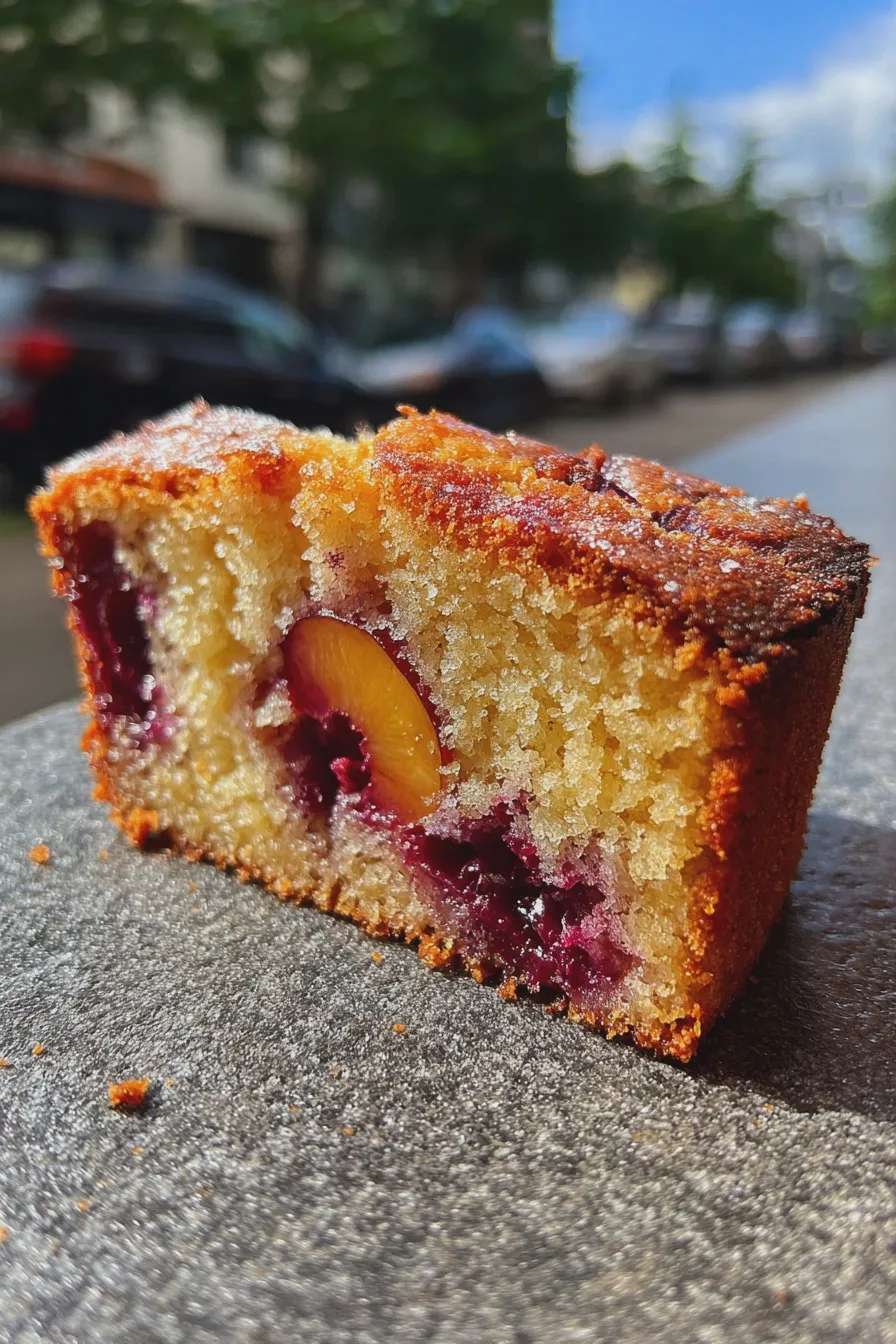
Proper serving and storage are essential to maintain the freshness and flavor of your plum cake. Whether you’re planning to serve it immediately or store it for later, these tips will help you enjoy your cake at its best.
Serving Suggestions
Serve your plum cake warm or at room temperature. A dusting of powdered sugar or a simple glaze can add a touch of elegance.
Pair the cake with a scoop of vanilla ice cream or a dollop of whipped cream for a delightful dessert. Consider serving it with a warm cup of tea or coffee for a cozy treat.
Storage Tips
Store leftover cake in an airtight container at room temperature for up to 3 days. For longer storage, you can refrigerate the cake for up to a week.
You can also freeze the cake for up to 2-3 months. Wrap individual slices or the entire cake in plastic wrap and then in foil to prevent freezer burn. You might also like to try some Serious Eats recipes.
Plum Cake Variations
Experimenting with different variations can add excitement to your plum cake recipe. From incorporating different fruits to adjusting the spices, these variations will help you create a unique and personalized cake.
Fruit and Nut Additions
Add other types of fruit, such as apples, pears, or berries, to create a mixed fruit cake. You can also mix different nuts like pecans or almonds to add texture and flavor.
Consider adding dried fruits like cranberries or apricots for a unique twist. Experimenting with different combinations will help you create a cake that suits your tastes. If you want to try a different type of cake, you might like to try red velvet brownies.
Spice and Flavor Combinations
Vary the spices used in your cake to create different flavor profiles. Try adding cardamom, allspice, or ginger for a unique taste.
Consider adding citrus zest, such as orange or lemon, to brighten the cake’s flavor. Also, you could experiment with adding extracts like almond or maple for a different flavor. The addition of different spices and flavor combinations can make your christmas plum cake unique.
Common Mistakes and Solutions
Even experienced bakers can encounter challenges while making a plum cake. Knowing common mistakes and how to avoid them can help you achieve perfect results every time.
Dense Cake
A dense cake can result from overmixing the batter or using too much flour. To avoid this, mix the batter until just combined and measure your flour accurately.
Ensure your baking powder and baking soda are fresh. You can test the freshness of the baking powder by mixing a teaspoon with a little hot water; if it bubbles, it’s still active. If you are having trouble with your cake, you might want to try some recipes from The Kitchn.
Dry Cake
A dry cake is often caused by overbaking. Check the cake for doneness by inserting a toothpick into the center and removing it when it comes out clean.
Ensure you’re using the correct amount of wet ingredients, and consider adding a glaze or simple syrup to add moisture. If you are having trouble with your cake, you might want to try some recipes from Wikipedia.