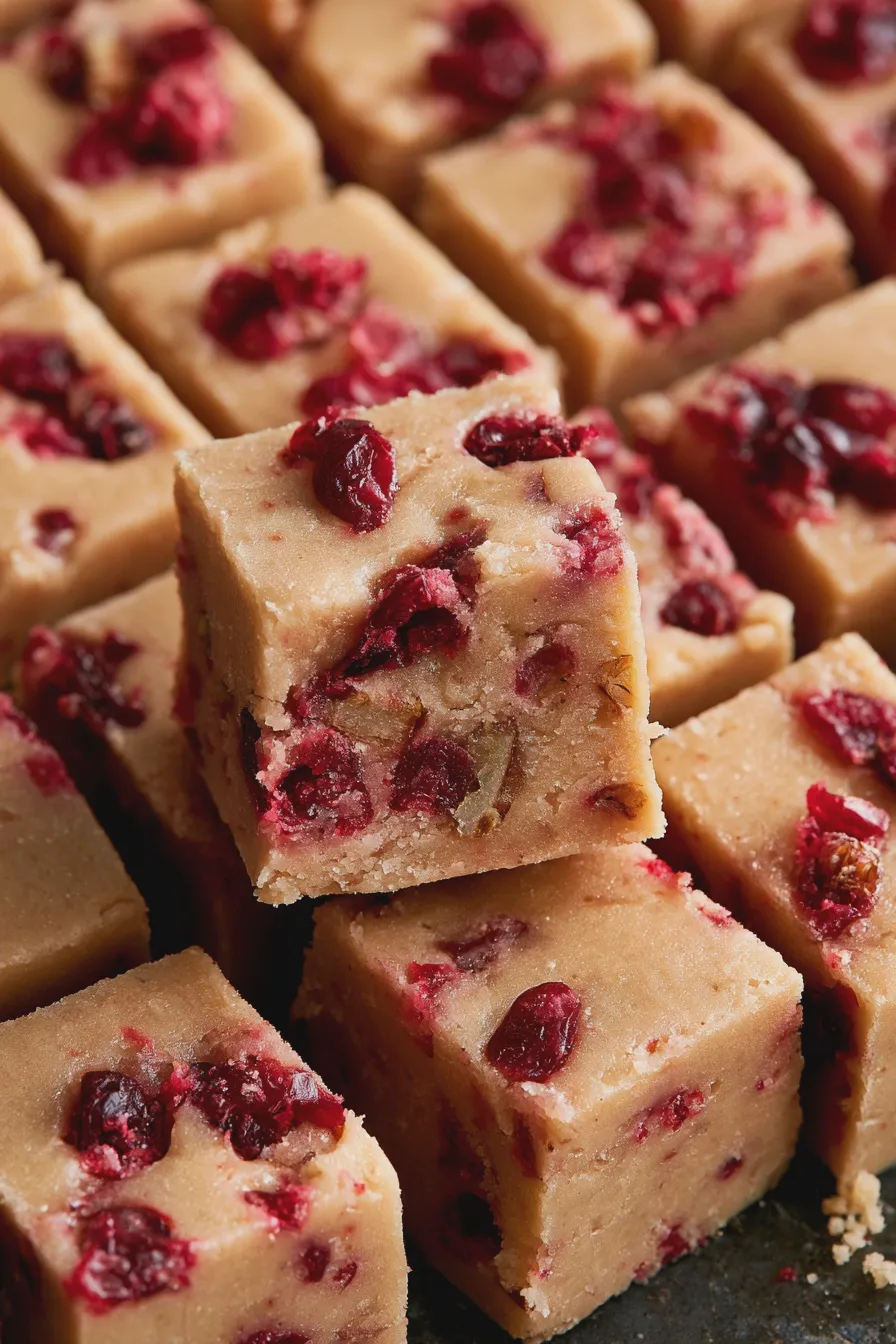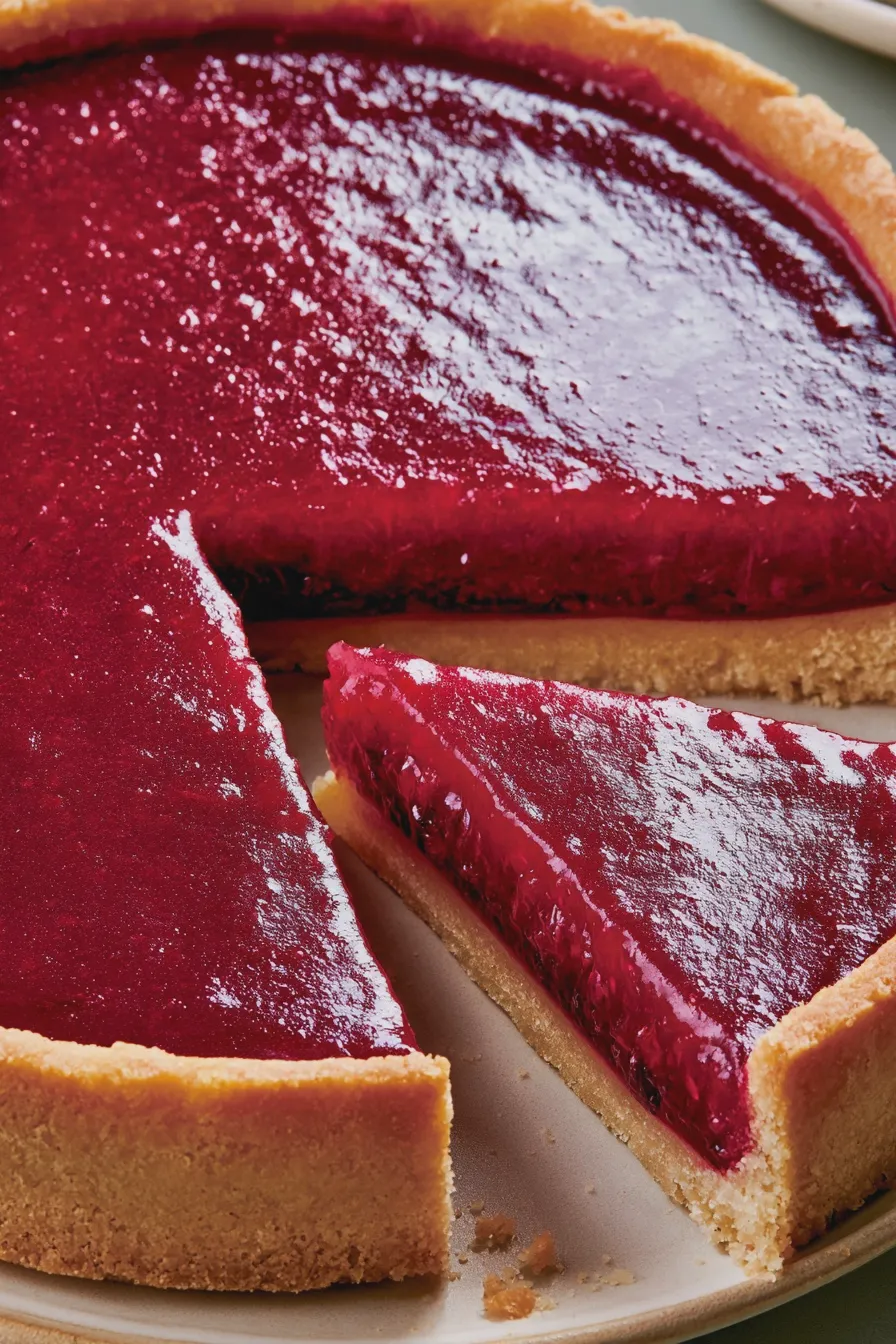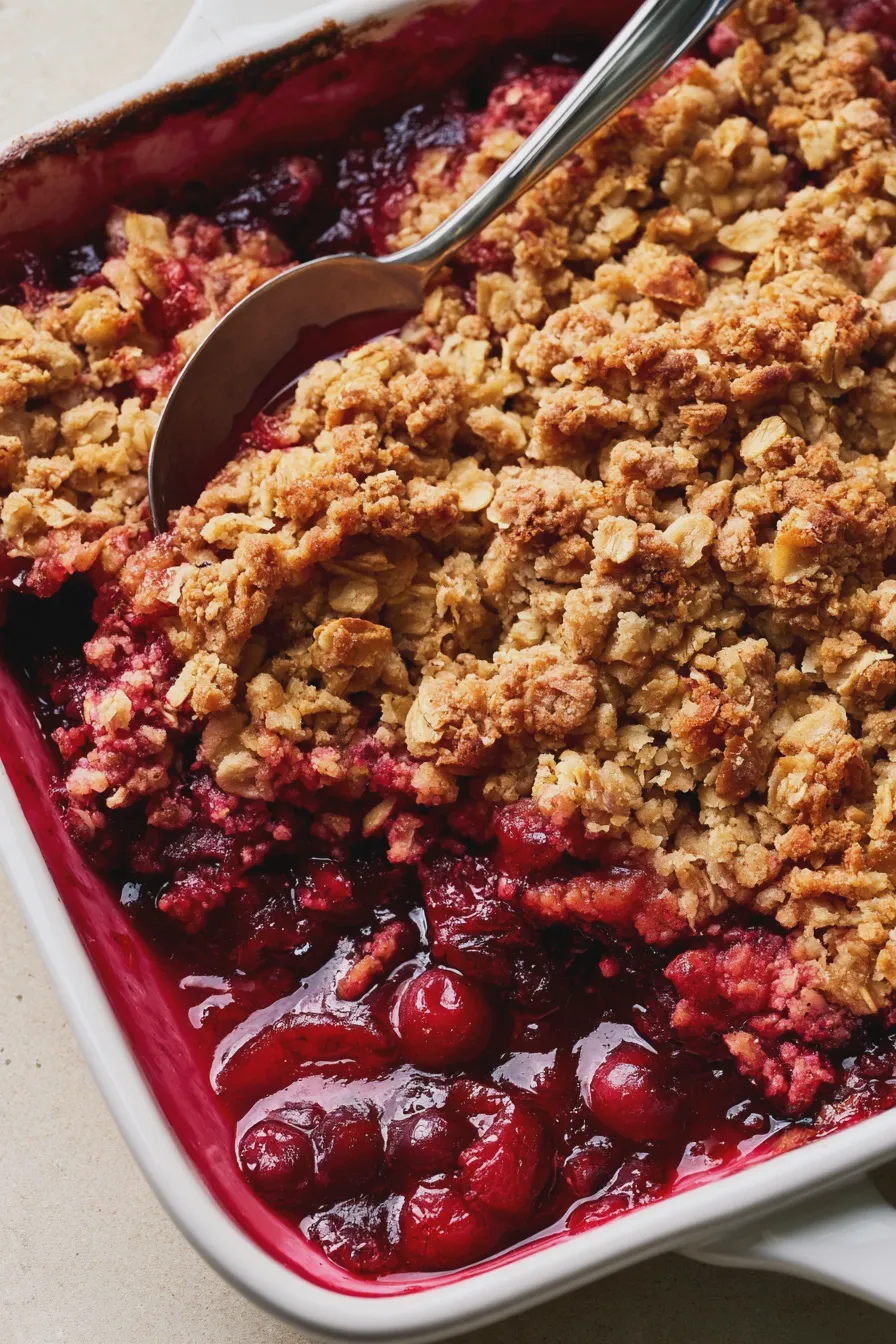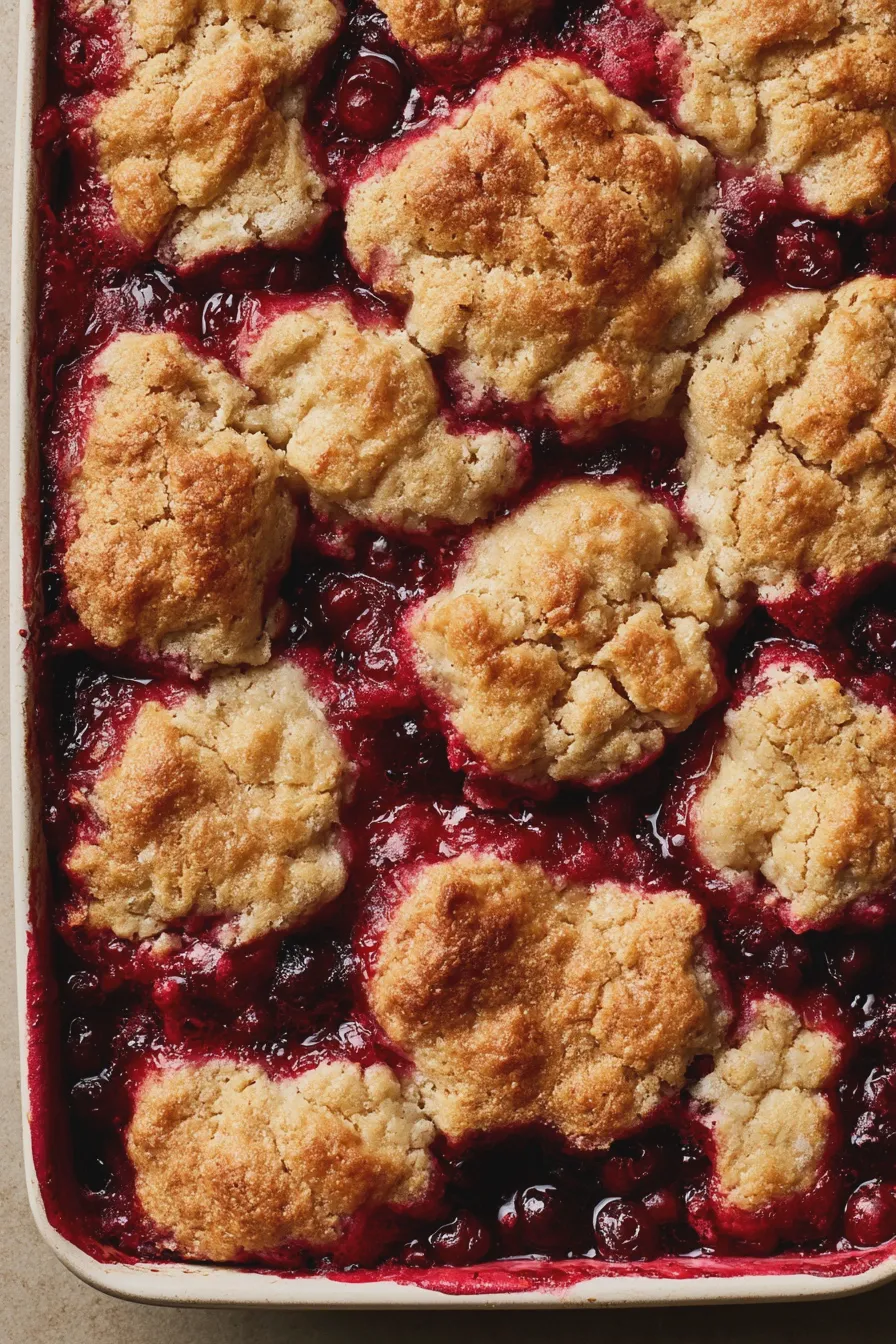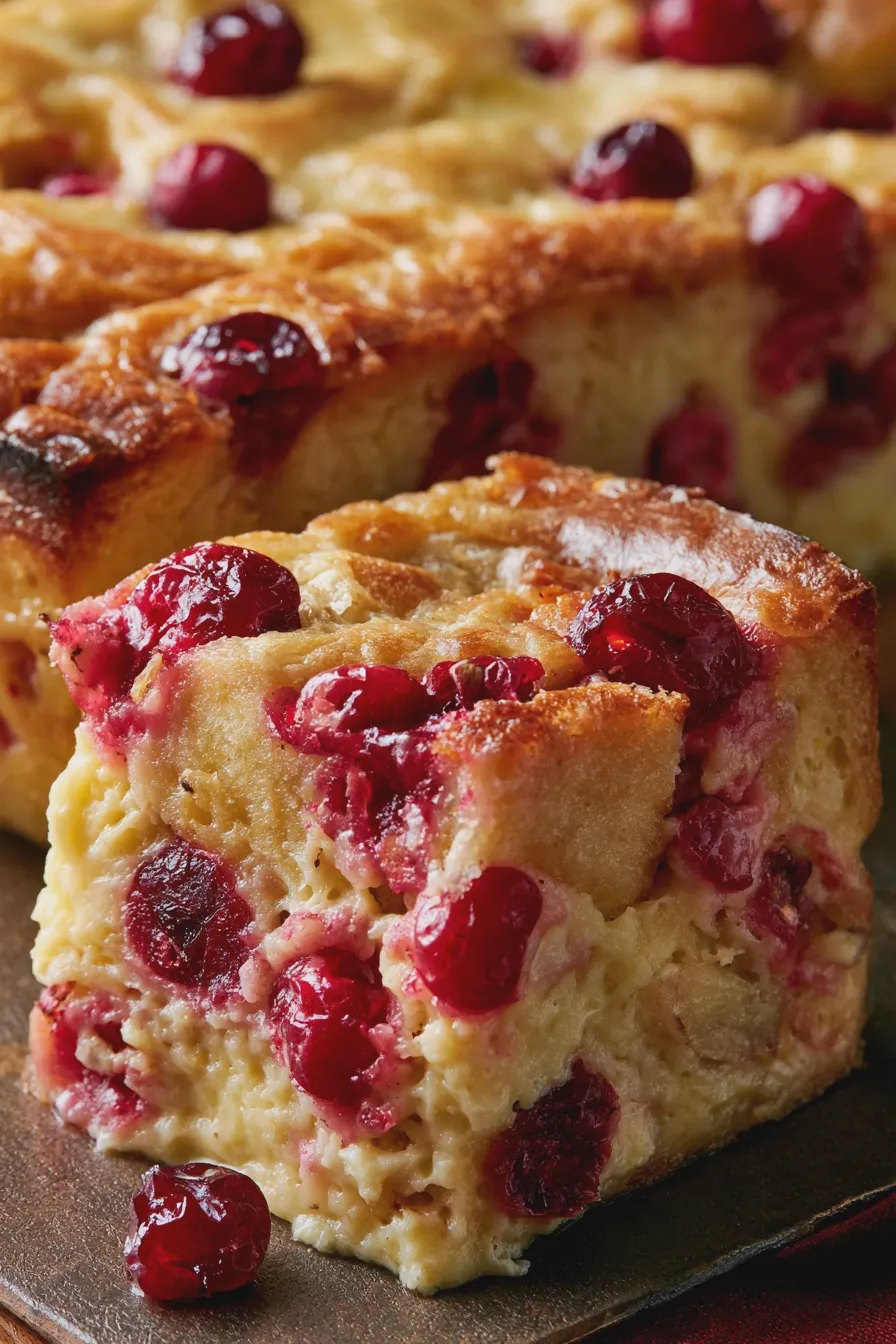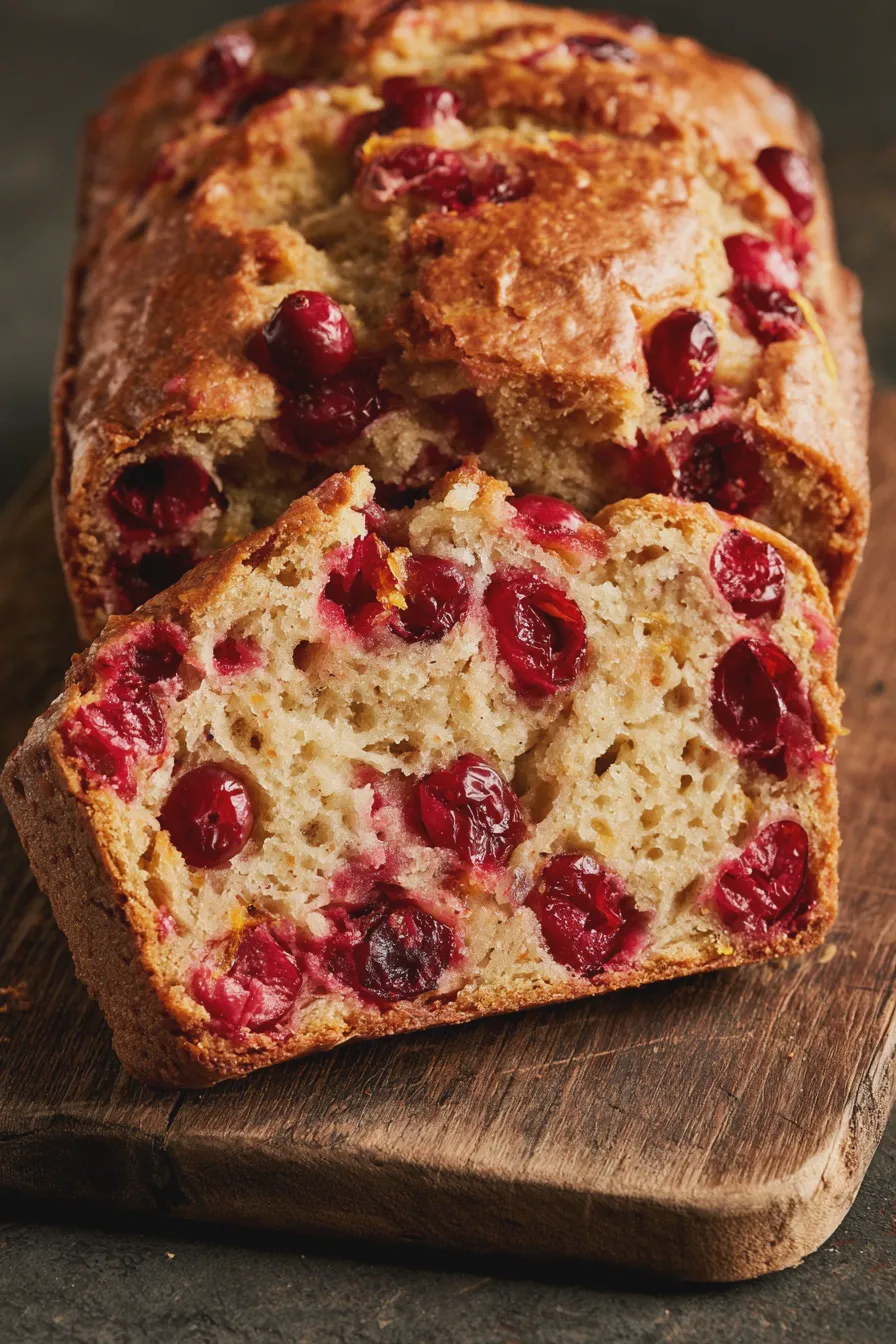
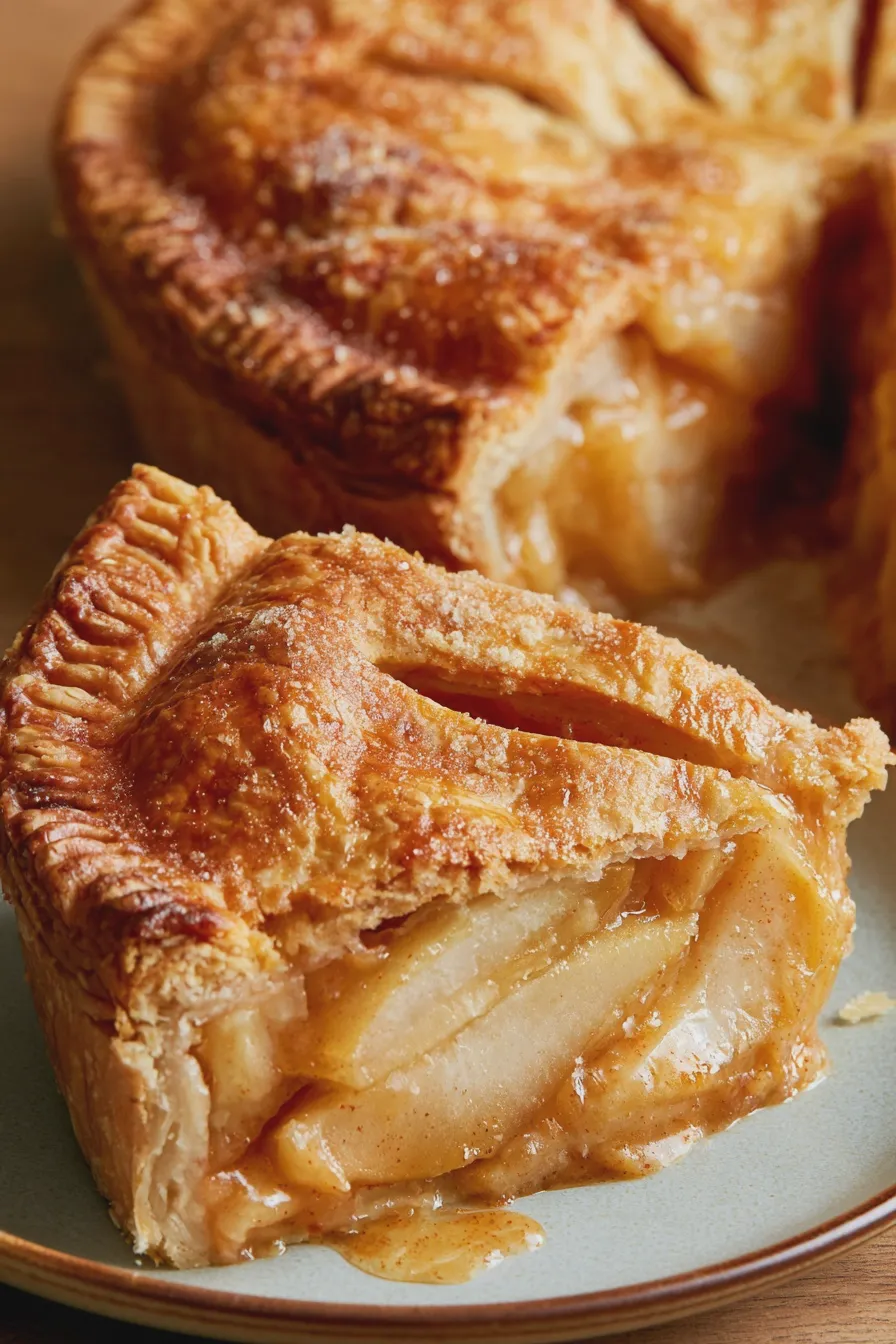
There’s something incredibly comforting about a warm slice of homemade pie, and a pear pie is a delightful variation on a classic. The subtle sweetness of baked pears, enhanced by warm spices, makes for a truly special treat. Whether you’re a seasoned baker or just starting out, this guide will walk you through creating a delicious pear pie that will impress your friends and family. Get ready to fill your kitchen with the wonderful aroma of a fresh, bubbling pie!
Understanding Pears for Baking
Choosing the right pears is crucial for a successful pear pie. Not all pears are created equal when it comes to baking. You want pears that hold their shape and flavor when cooked, rather than turning into a mushy mess. Some of the best varieties for baking include Bosc, Anjou, and Comice pears. Bosc pears are known for their firm texture and rich, spicy flavor, making them a top choice for a spiced pear pie. Anjou pears offer a good balance of sweetness and firmness, while Comice pears are wonderfully sweet and juicy, though they can be a bit softer, so they might need a shorter baking time. For more information on different types of pears and their uses, you can explore resources like types of pears.
Selecting the Best Pears
When you’re at the grocery store or farmer’s market, look for pears that are firm to the touch but have a slight give when gently pressed near the stem. Avoid pears that are bruised or overly soft. It’s also perfectly fine to buy pears that are still a little firm; they will ripen at room temperature over a few days.
Preparing the Pears
Once you have your pears, you’ll need to peel, core, and slice them. Aim for slices that are about 1/4 to 1/2 inch thick. Uniformity in slicing will help ensure they cook evenly. If you’re making a fresh pear pie, you might want to toss the pear slices with a little lemon juice to prevent browning while you prepare the rest of your filling.
Crafting the Perfect Flaky Pie Crust
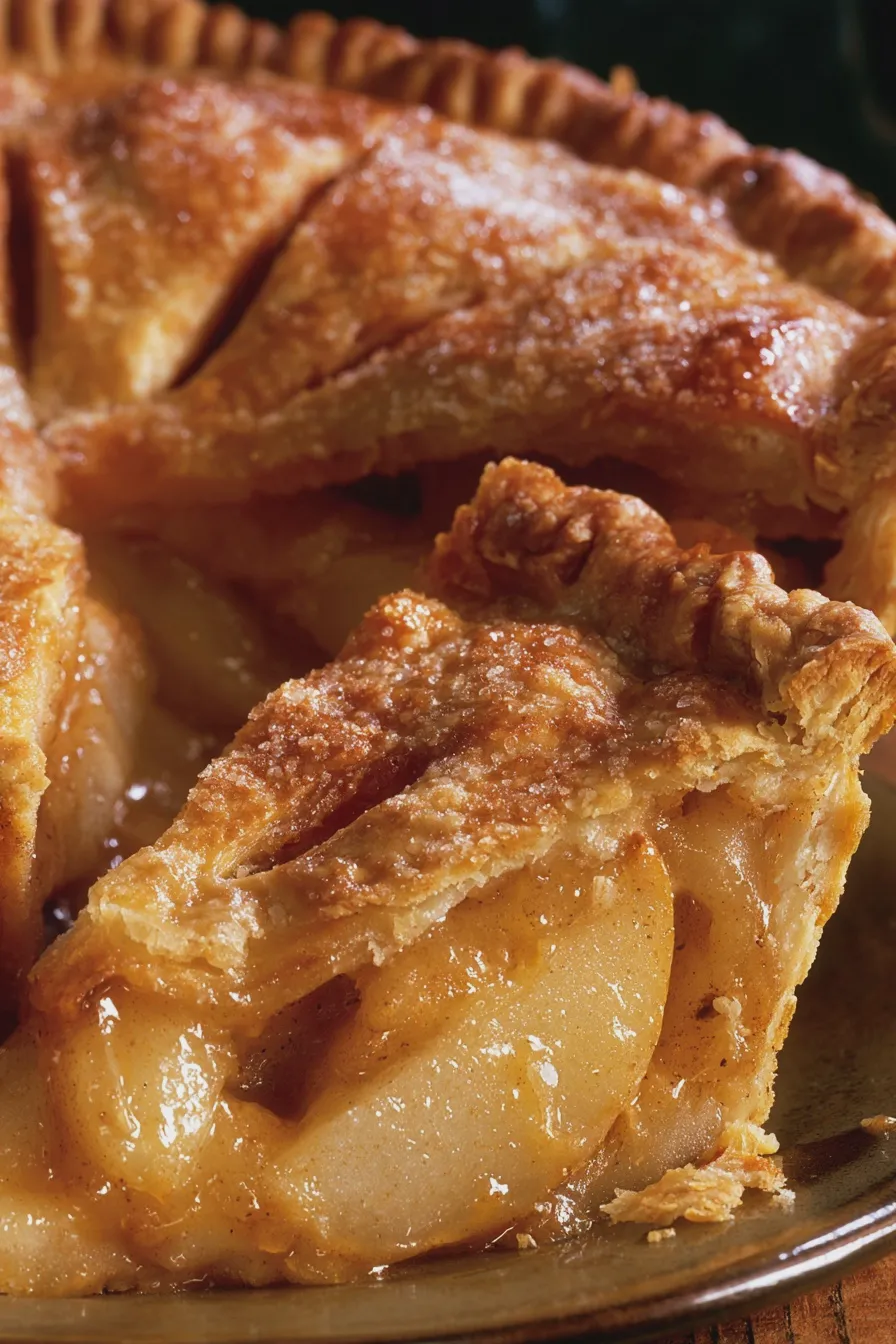
A truly great pear pie starts with an exceptional crust. A flaky pie crust is the foundation of any wonderful pie, and it’s achievable with a few key techniques. Whether you prefer a double-crust pie, a lattice top, or a simple crumble, the pastry is just as important as the filling.
Ingredients for a Flaky Pie Crust
You’ll typically need all-purpose flour, cold unsalted butter, ice water, and a pinch of salt. The coldness of the butter and water is paramount. Cold butter creates steam pockets as it bakes, which leads to those desirable flaky layers. Using ice water helps keep the butter solid until it’s time for it to melt and create steam.
If you enjoyed this, you might also love our Strawberry Cake From Scratch recipe.
Techniques for a Tender and Flaky Crust
The secret to a flaky pie crust lies in how you incorporate the fat. You want to cut the cold butter into the flour until it resembles coarse crumbs with some pea-sized pieces of butter still visible. These larger pieces are what will melt and create steam, resulting in flakiness. Don’t overwork the dough; overmixing develops the gluten too much, leading to a tough crust. When you’re ready to combine the dough, use just enough ice water to bring it together. Chill the dough for at least 30 minutes before rolling it out. This allows the gluten to relax and the fat to re-solidify.
Blind Baking (Optional but Recommended)
For a pie with a very moist filling, like some pear pies, blind baking the bottom crust can prevent it from becoming soggy. This involves partially or fully baking the crust before adding the filling. You’ll typically line the unbaked crust with parchment paper and fill it with pie weights or dried beans. Once baked, remove the weights and continue baking until lightly golden.
Creating the Delicious Pear Pie Filling
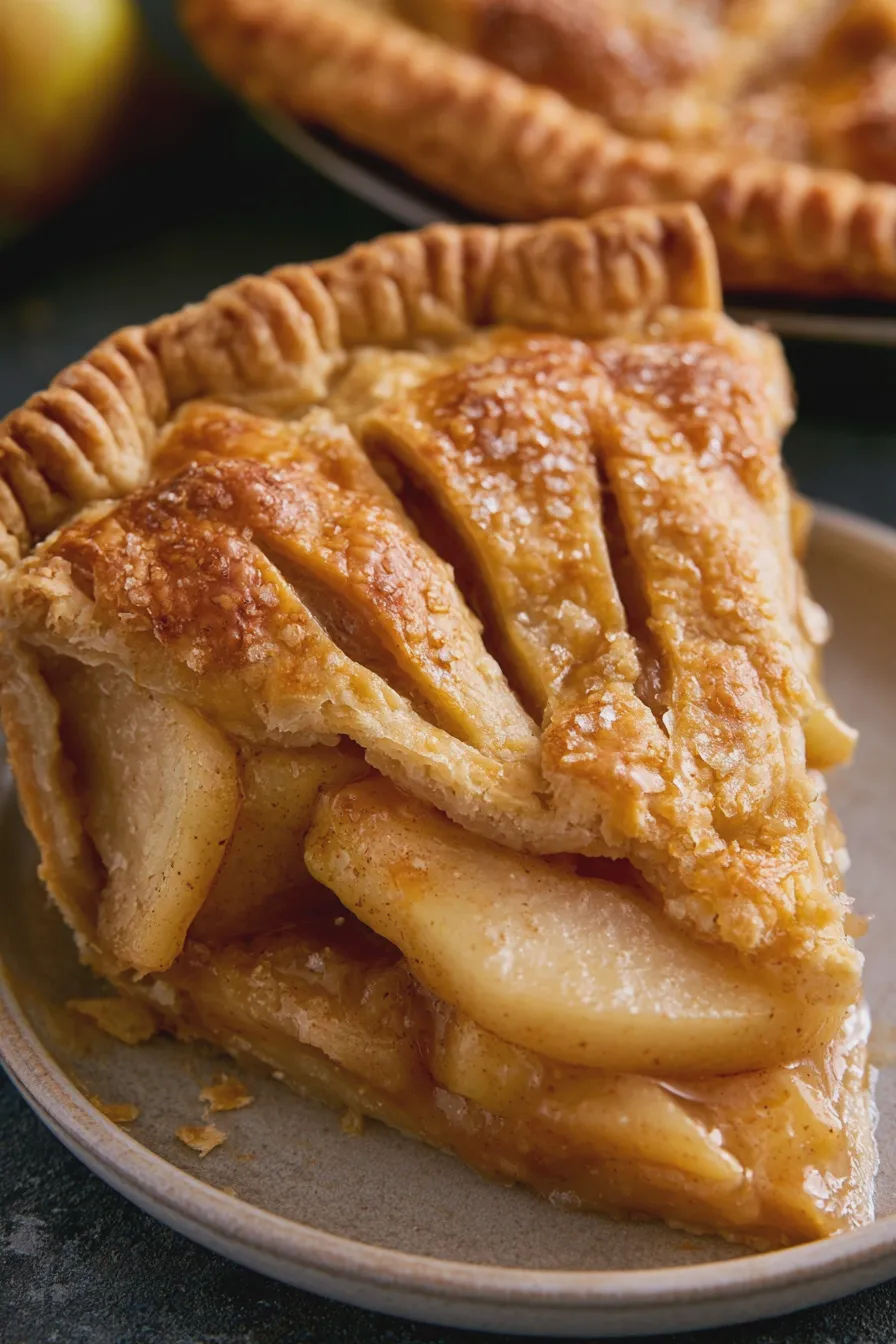
The pear pie filling is where the magic truly happens. It’s a balance of sweet, spiced, and tender pears that meld together beautifully in the oven.
Key Ingredients for Pear Pie Filling
Besides your prepared pear slices, you’ll need sugar (granulated and/or brown sugar), a thickener (like flour or cornstarch), warm spices (cinnamon, nutmeg, ginger, cloves), a touch of lemon juice for brightness, and sometimes a bit of butter for richness. For a truly homemade pear pie experience, using fresh spices makes a noticeable difference.
Balancing Sweetness and Spice
The amount of sugar will depend on the sweetness of your pears. Start with a moderate amount and taste a small piece of pear to gauge its natural sweetness. Spices are key to elevating the pear flavor. Cinnamon and nutmeg are classic choices, but a pinch of ground ginger or cloves can add wonderful depth. Remember, you can always add more spice, but you can’t take it away, so start conservatively.
If you enjoyed this, you might also love our No Bake Cheesecake Cool Whip recipe.
Thickening the Filling
Pears release a lot of liquid as they bake. Flour or cornstarch acts as a thickener to ensure your pear pie filling isn’t too runny. A general guideline is about 1/4 cup of flour or 2 tablespoons of cornstarch per 6 cups of sliced fruit. Whisk the thickener with the sugar and spices before tossing it with the pears. This prevents lumps.
Adding Flavor Enhancements
A splash of lemon juice not only adds a bright counterpoint to the sweetness but also helps the pears retain their color. A tablespoon or two of butter dotted over the filling before adding the top crust adds a lovely richness. Some bakers also like to add a tablespoon of brandy or bourbon to the filling for an extra layer of flavor.
Assembling Your Pear Pie
With your crust prepared and your filling ready, it’s time to bring it all together. This is where your beautiful pear pie takes shape.
Double Crust vs. Lattice Top
A double-crust pie is the most traditional. You’ll line your pie plate with one crust, add the filling, and then top it with another rolled-out crust, crimping the edges to seal. A lattice top is a bit more visually appealing. You’ll cut strips of dough and weave them over the filling. This also allows steam to escape more easily, which can help prevent a soggy bottom.
Tips for a Beautiful Top Crust
If you’re doing a double crust, remember to cut vents in the top to allow steam to escape. This prevents the crust from puffing up unevenly. For a lattice, ensure the strips are woven snugly but not so tight that steam can’t escape. Crimp the edges decoratively to seal the top and bottom crusts together.
Looking for more? Try this delicious Fudgy Brownies From Scratch next.
Egg Wash for Golden Shine
For a beautiful golden-brown finish, brush the top crust with an egg wash before baking. Whisk one egg with a tablespoon of water or milk. Brush this mixture evenly over the dough. You can also sprinkle a little coarse sugar on top for extra sparkle and crunch.
Baking Your Pear Pie to Perfection
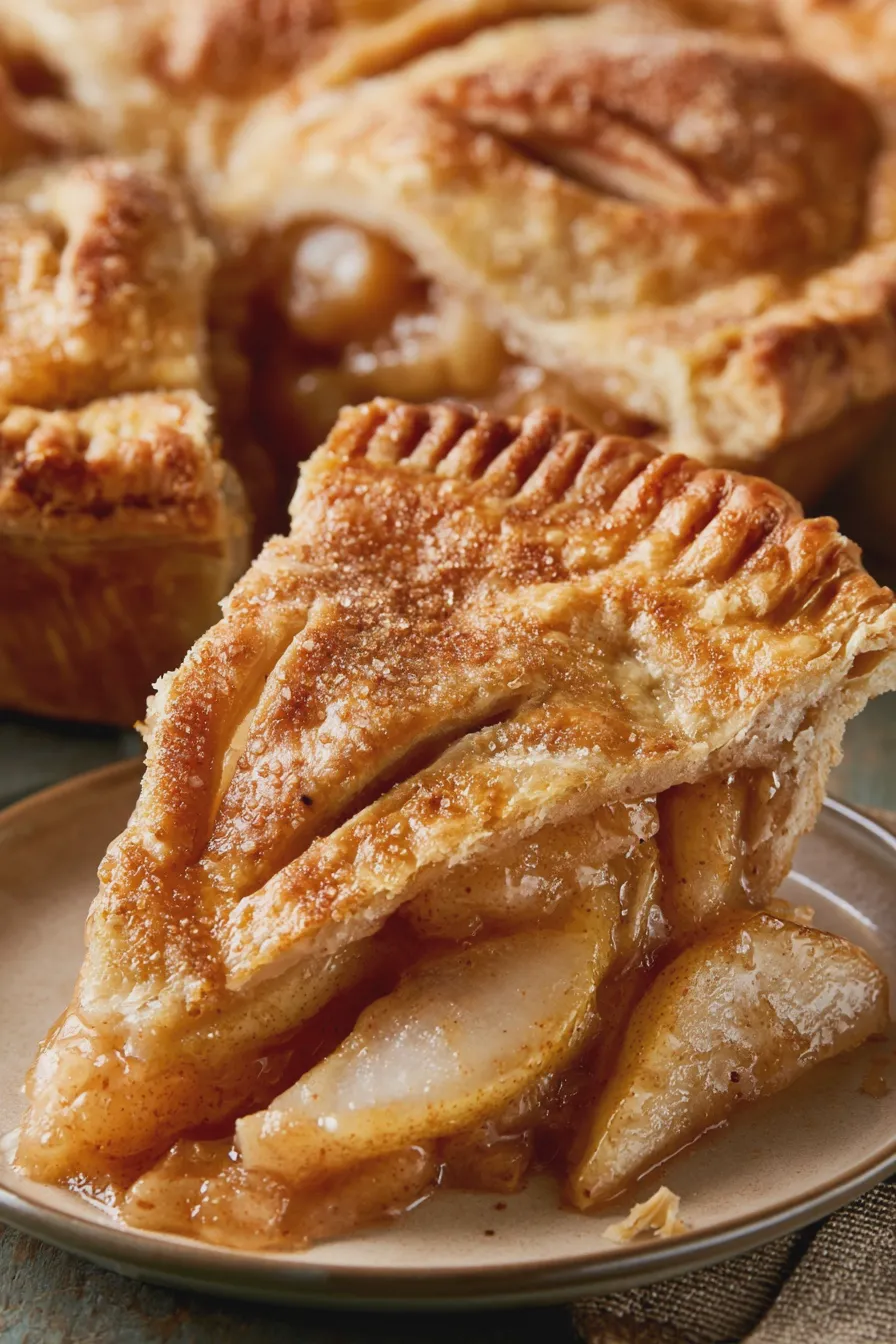
The final step is baking. This is where all your hard work pays off, filling your home with an irresistible aroma.
Oven Temperature and Time
Typically, a pear pie bakes at around 375-400°F (190-200°C). The baking time will vary depending on your oven and the size of your pie, but it’s usually between 40-60 minutes. You’ll know it’s done when the crust is golden brown and the filling is bubbling through the vents or lattice.
Preventing a Burnt Crust
If you notice the edges of your crust browning too quickly before the center is done, you can protect them. Use a pie shield or strips of aluminum foil to cover the edges of the crust. This allows the rest of the pie to continue baking without the edges becoming overdone.
Cooling Your Pie
This is perhaps the hardest part: patience! Once your pie is out of the oven, let it cool completely on a wire rack for at least 2-3 hours. This allows the juices to thicken and set properly. Cutting into a pie too soon will result in a runny filling.
Don’t miss out on our guide to Banana Pudding From Scratch.
Variations and Serving Suggestions
Once you’ve mastered the classic pear pie, there are many ways to experiment and enjoy this delightful fruit. For those who love the idea of a rustic dessert, a pear galette offers a freeform, charming alternative. A pear crumble or a pear tart are also wonderful ways to showcase fresh pears.
Adding Other Fruits or Nuts
You can enhance your pear pie by adding other fruits like cranberries or apples for a touch of tartness and color. Toasted walnuts or pecans can add a lovely crunch and nutty flavor to the filling.
Serving Your Pear Pie
Pear pie is wonderful served warm or at room temperature. A dollop of whipped cream or a scoop of vanilla ice cream is a classic accompaniment. For an extra special treat, consider making your own ice cream at home to pair with it.
Common Mistakes to Avoid
Even experienced bakers can make a few missteps. Here are some common mistakes to watch out for:
- Using warm butter or water for the pie crust, leading to a tough or greasy result.
- Overworking the pie dough, which develops gluten and makes the crust tough.
- Not chilling the pie dough adequately, leading to shrinkage or difficulty rolling.
- Using underripe or overripe pears, which can affect texture and flavor.
- Not thickening the filling enough, resulting in a runny pie.
- Cutting into the pie too soon, before the filling has had a chance to set.
Pear Pie Recipe You’ll Make All the Time
Ingredients
- 2 ½ cups all-purpose flour, plus more for dusting
- 1 teaspoon salt
- 1 cup (2 sticks) cold unsalted butter, cut into cubes
- ½ cup ice water
- 6 cups peeled, cored, and sliced ripe pears (about 6–7 medium pears)
- 2 tablespoons fresh lemon juice
- ¾ cup granulated sugar
- ¼ cup all-purpose flour
- 1 teaspoon ground cinnamon
- ½ teaspoon ground nutmeg
- Pinch of salt
- 2 tablespoons unsalted butter, cut into small pieces
- 1 large egg, beaten with 1 tablespoon water (for egg wash)
- 1 tablespoon granulated sugar (for sprinkling)
Instructions
- Preheat your oven to 425°F (220°C).
- In a large bowl, gently toss peeled, cored, and sliced pears with lemon juice, sugar, flour, cinnamon, nutmeg, and a pinch of salt.
- Line a 9-inch pie plate with one crust. Pour the pear filling into the crust.
- Dot the top of the filling with small pieces of butter.
- Cover with the second crust, crimp the edges to seal, and cut several slits in the top to allow steam to escape.
- For a golden crust, brush the top with an egg wash (1 egg beaten with 1 tablespoon of water) and sprinkle with a little sugar.
- Bake for 15 minutes at 425°F (220°C).
- Reduce the oven temperature to 375°F (190°C) and bake for another 35-45 minutes, or until the crust is golden brown and the filling is bubbly. If the crust starts to brown too quickly, loosely tent it with aluminum foil.
- Let the pie cool on a wire rack for at least 2-3 hours before slicing and serving. This allows the filling to set.
Notes
- For the best flavor and texture, use ripe but firm pears such as Bosc, Anjou, or Bartlett.
- You can add a splash of vanilla extract or a tablespoon of brandy to the pear filling for extra flavor.
- Serve warm with a scoop of vanilla ice cream or a dollop of whipped cream.