There’s something incredibly comforting about a warm, bubbling fruit dessert, and pear cobbler holds a special place in my heart. It’s the perfect way to celebrate the bounty of autumn, transforming simple fresh pears into a truly delightful treat. Unlike some fussier desserts, a good pear cobbler is wonderfully forgiving and relatively easy to whip up, making it a go-to for bakers of all skill levels. This guide will walk you through creating the best pear cobbler, from selecting the right pears to achieving that perfect golden topping. Whether you’re looking for an old fashioned pear cobbler or a spiced pear cobbler with a modern twist, you’ll find all the tips and tricks you need right here. If you’re new to cobblers, you might find this introduction to cobbler basics helpful before we begin.
Choosing the Perfect Pears for Your Cobbler
The foundation of any great pear cobbler is, of course, the pears themselves. Not all pears are created equal when it comes to baking. You want pears that will hold their shape and not turn into mush during the baking process. My favorite varieties for this kind of baked fruit dessert are Bosc, Anjou, and Comice pears.
Bosc pears are wonderfully firm and hold their shape beautifully, offering a slightly gritty texture that’s quite appealing in a cobbler. They also have a lovely, robust flavor that stands up well to spices. Anjou pears are another excellent choice; they are firm yet juicy, with a mild sweetness. Comice pears are incredibly sweet and tender, so while they make a delicious filling, you might want to mix them with a firmer variety to ensure some texture. Avoid Bartlett pears if possible, as they tend to become very soft when cooked.
When selecting your pears, look for ones that are ripe but still firm to the touch. They should yield slightly to gentle pressure, but not be overly soft or have bruises. If your pears are a bit underripe, don’t worry! You can let them ripen at room temperature for a day or two before using them. For more information on selecting the best produce, you can explore fruit selection guides.
The Simple Pear Cobbler Filling
Making the pear filling for your cobbler is straightforward. The goal is to enhance the natural sweetness of the pears and add a hint of spice. You’ll need your prepared pears, a sweetener, a thickener, and some warming spices.
If you enjoyed this, you might also love our Apple Cobbler Recipe recipe.
For the sweetener, granulated sugar is standard, but you can also use brown sugar for a richer, molasses-like flavor. The amount of sugar will depend on the sweetness of your pears and your personal preference. I usually start with about 1/4 to 1/2 cup of sugar for about 6 cups of sliced pears.
To thicken the juices released by the pears as they bake, a tablespoon or two of cornstarch or all-purpose flour works wonders. This prevents the filling from becoming too watery. A pinch of salt is also essential to balance the sweetness and bring out the other flavors.
Now for the spices! Cinnamon is a must for any spiced pear cobbler. Nutmeg, ginger, and a touch of cloves can also be added for a more complex flavor profile. A squeeze of lemon juice is a secret weapon for many bakers; it brightens the flavors and helps prevent the pears from browning too much. Some recipes even call for a splash of vanilla extract or a bit of brandy for an extra layer of flavor.
Tips for Perfect Pear Prep
- Wash and peel your pears.
- Core them and slice them into roughly 1/2-inch thick pieces. Uniformity in size will ensure even cooking.
- Toss the pear slices gently with the sugar, spices, thickener, and lemon juice in a large bowl. Let this mixture sit for about 10-15 minutes while you prepare the topping. This allows the juices to start releasing and the flavors to meld.
Crafting the Delicious Cobbler Topping
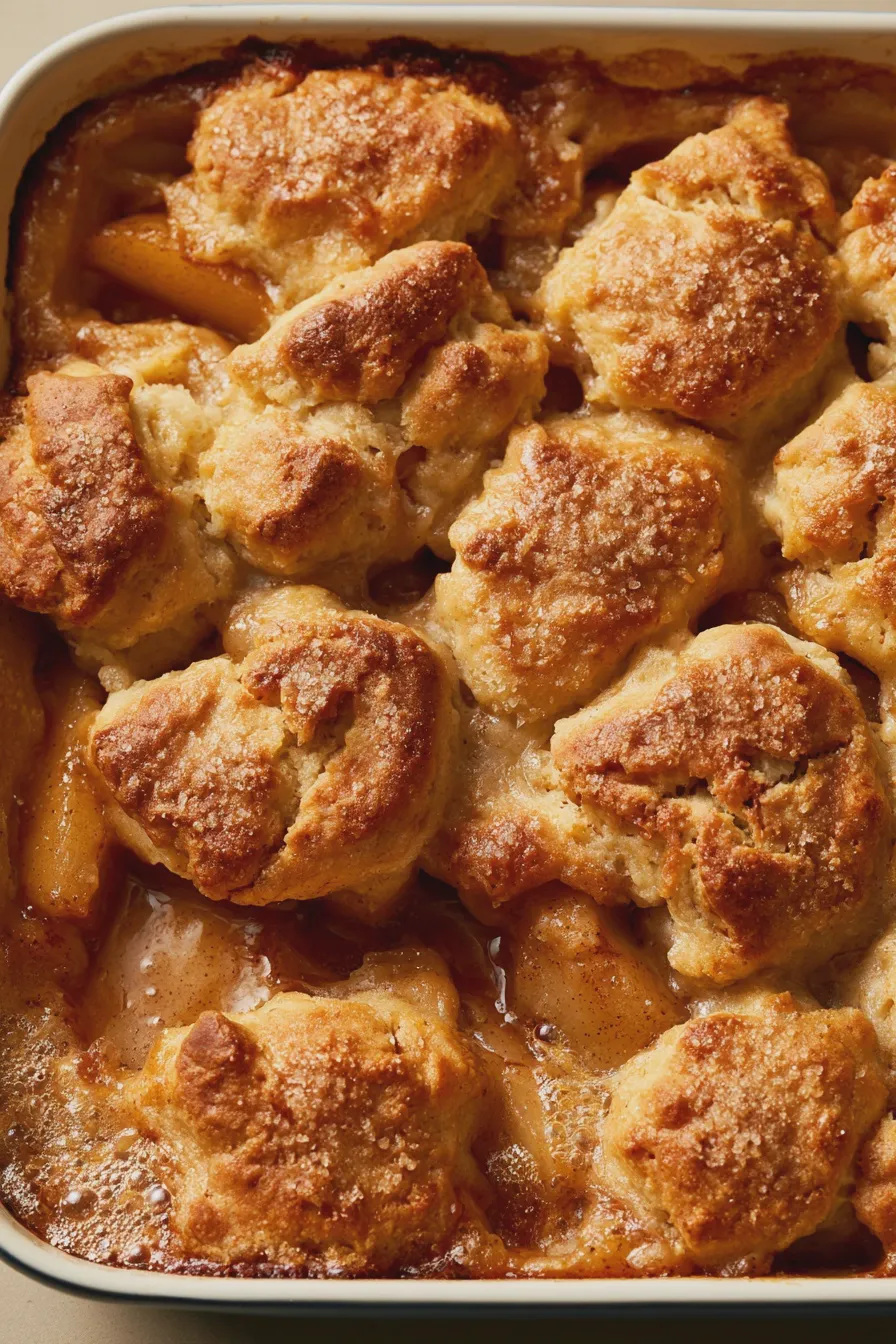
The topping is what truly defines a cobbler. For a classic pear cobbler, the topping is typically a biscuit-like dough that bakes up tender on the bottom and slightly crisp on top. It’s meant to be more rustic than a pie crust, with a slightly cakey or biscuit texture.
Looking for more? Try this delicious Zucchini Cobbler Recipe next.
To make the topping, you’ll usually start with all-purpose flour, a leavening agent like baking powder, a pinch of salt, and some sugar. Cold, cubed butter is then cut into the dry ingredients until the mixture resembles coarse crumbs. This is the key to a tender topping – just like with biscuits or pie crusts, you want to keep the butter cold to create flaky layers.
Then, you’ll add a liquid, typically milk or buttermilk, to bring the dough together. Be careful not to overmix! Overmixing develops the gluten in the flour, which can result in a tough topping. Just mix until the ingredients are just combined.
Some bakers prefer a more cake-like topping. For this, you might cream butter and sugar together first, then add eggs, flour, and leavening. This results in a softer, more cakey texture that’s also delicious, though it’s a departure from the traditional biscuit-style cobbler.
Common Topping Mistakes to Avoid
- Overmixing the Dough: This is the most common culprit for a tough, dense topping. Mix only until the dry and wet ingredients are incorporated.
- Using Warm Butter: Cold butter is crucial for flakiness. If your butter is too warm, it will melt into the flour, and you won’t get those lovely layers.
- Not Enough Leavening: Ensure your baking powder is fresh. If it’s old, your topping might be flat and dense.
Assembling and Baking Your Pear Cobbler
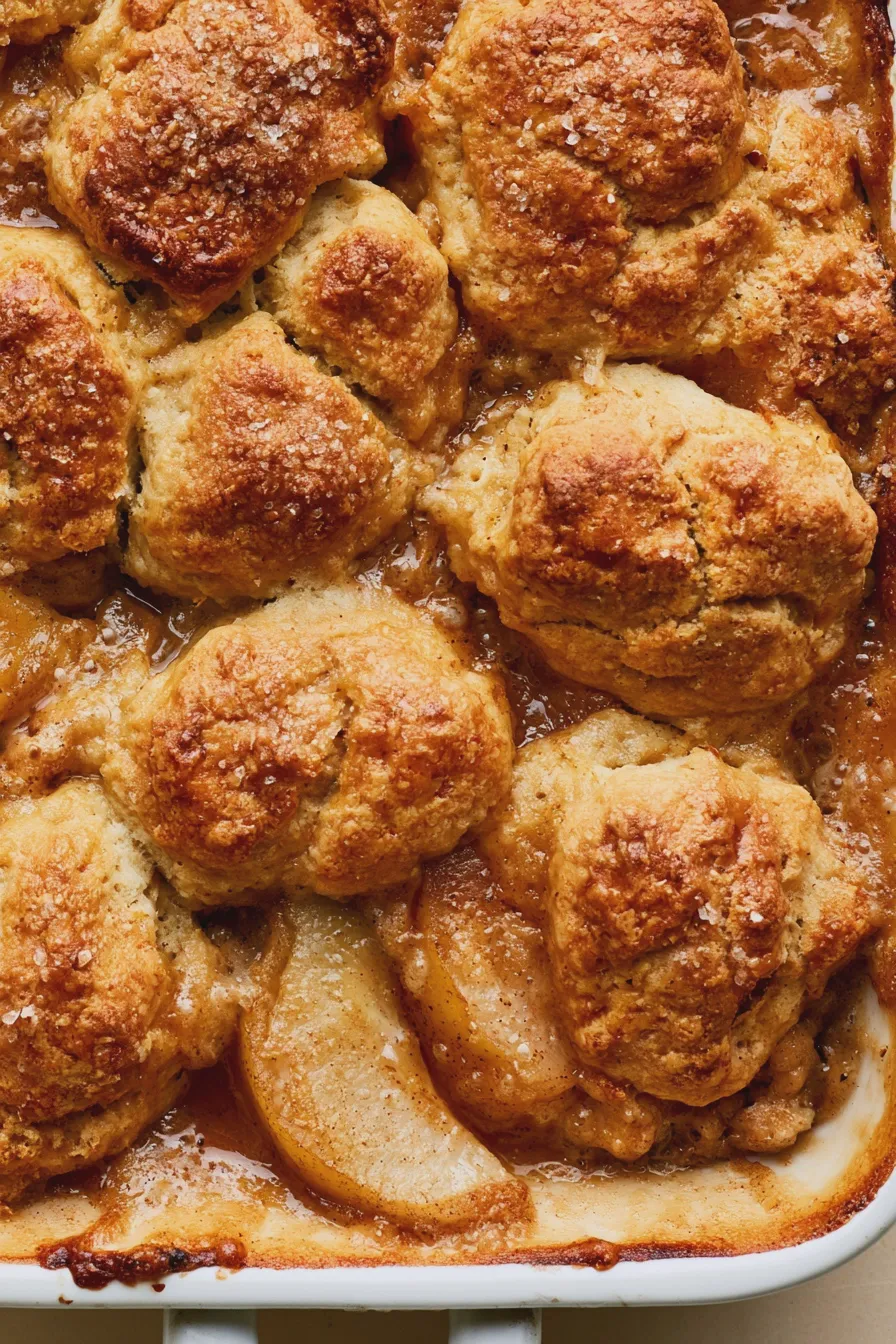
Assembling your pear cobbler is the easiest part! Pour the prepared pear filling into a greased baking dish. A 9×13 inch baking dish is standard, but you can also use a cast-iron skillet for a rustic skillet pear cobbler. If you’re using a cast-iron skillet, you can even preheat it slightly in the oven before adding the pears, which helps them start cooking immediately.
Don’t miss out on our guide to Labor Day No Bake Dessert.
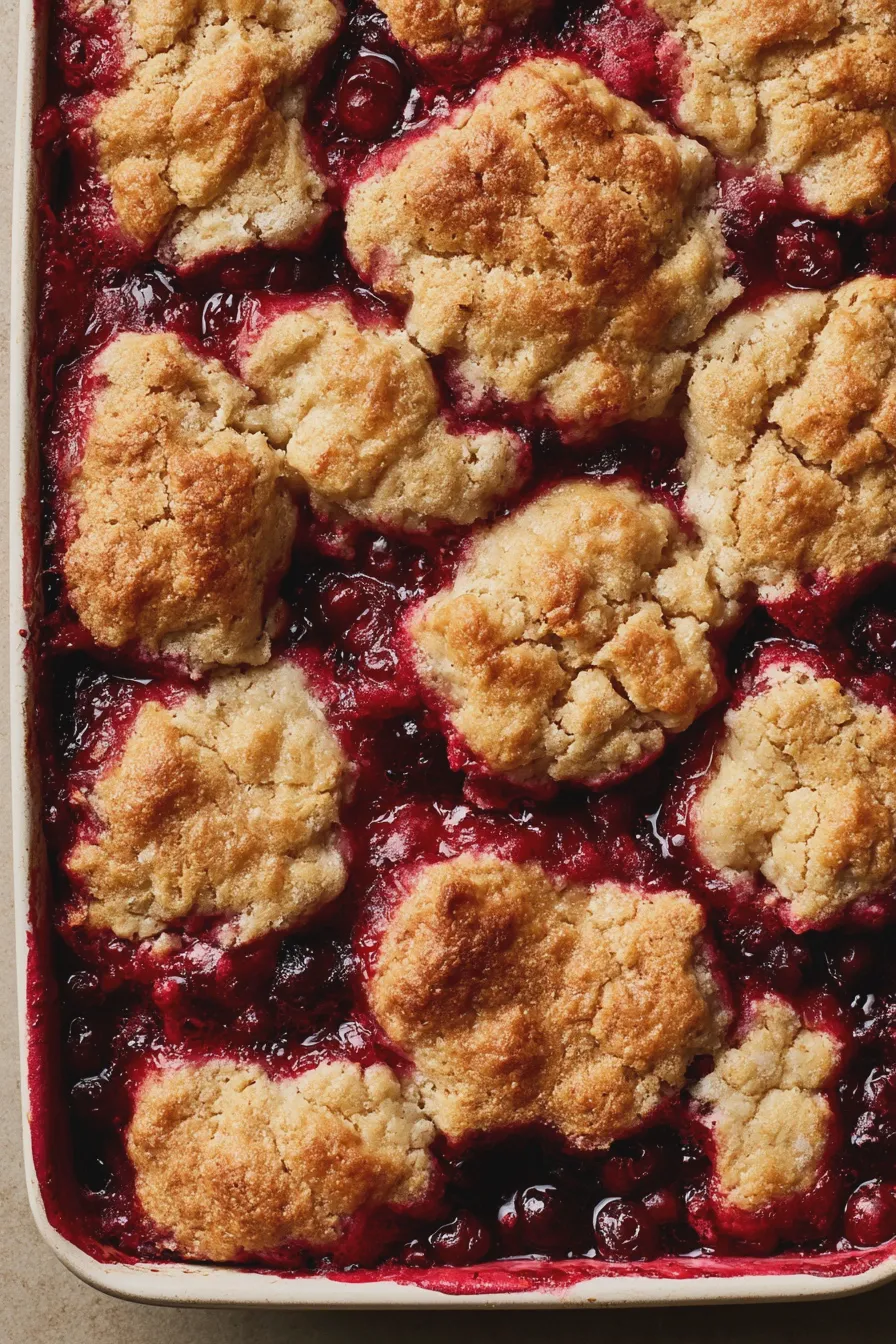
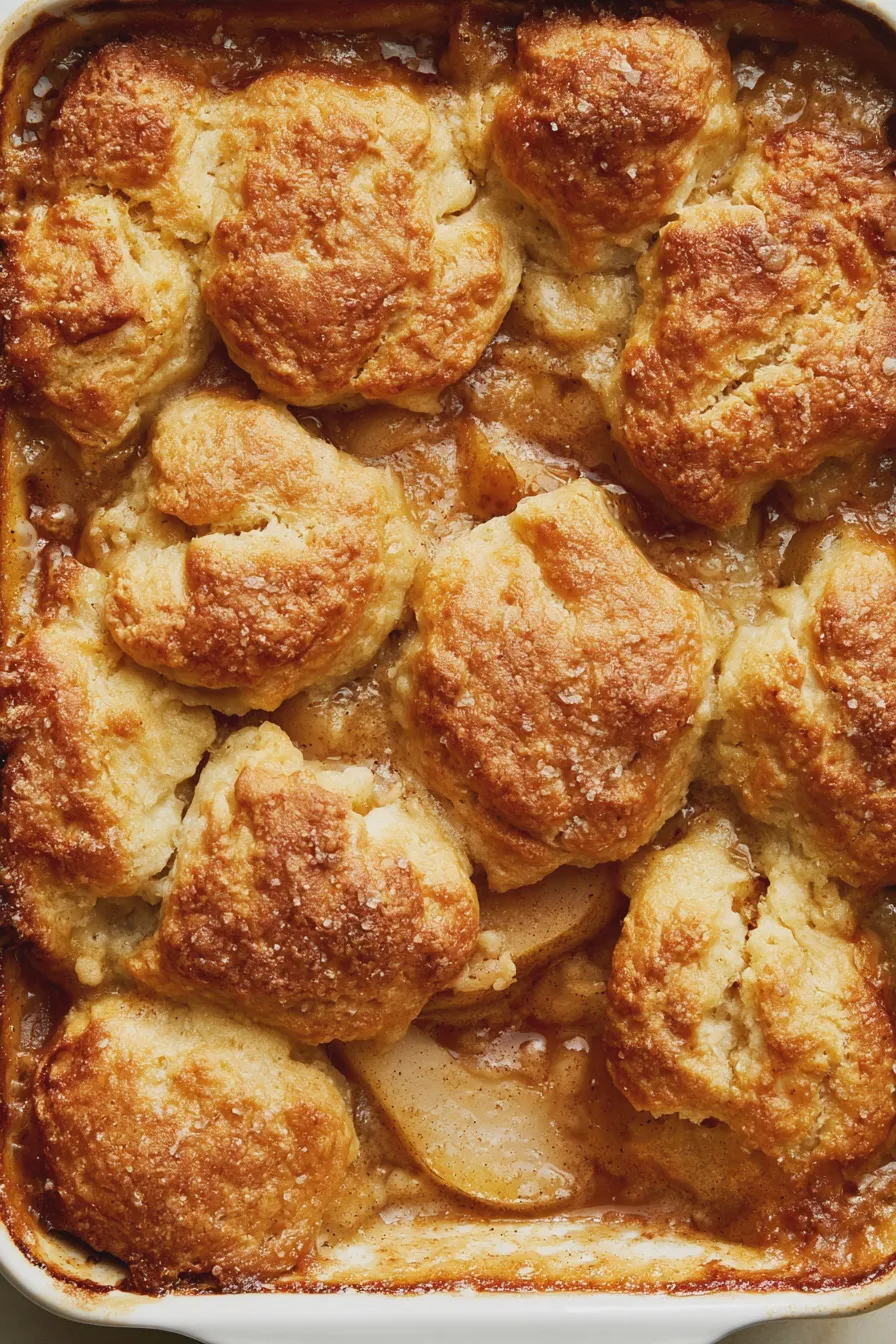
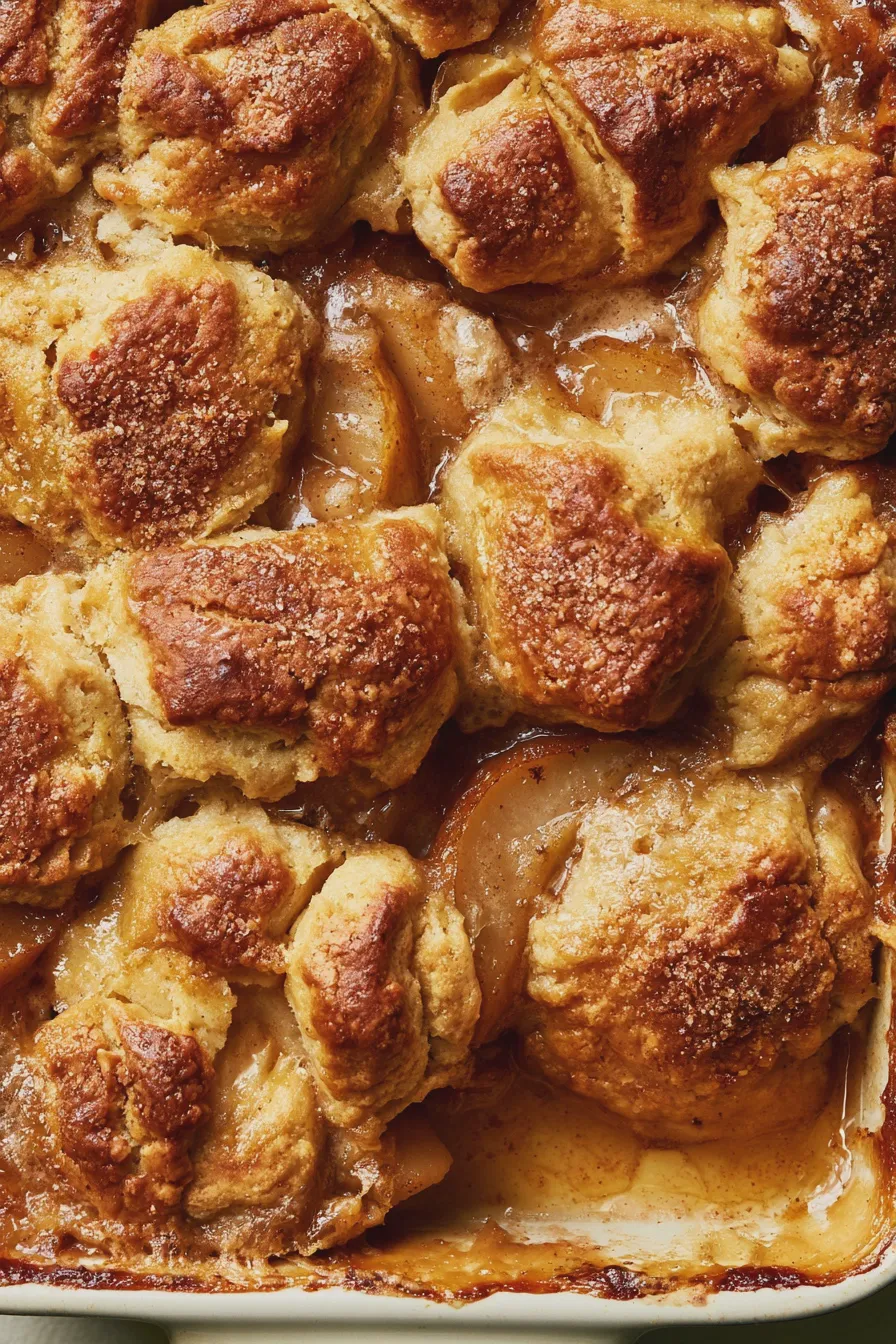
Next, drop spoonfuls of the cobbler topping evenly over the pear filling. Don’t worry about making it look perfect; the rustic charm is part of its appeal. You can also spread the dough out a bit, but leaving some gaps allows the bubbly pear filling to peek through, creating those irresistible caramelized edges.
The baking time and temperature are important for achieving a perfectly cooked cobbler. I typically bake mine at 375°F (190°C) for about 35-45 minutes. You’ll know it’s ready when the topping is golden brown and cooked through, and the pear filling is bubbling vigorously around the edges. If the topping starts to brown too quickly, you can loosely tent the dish with foil.
Baking Explanations
The heat of the oven causes the water in the pear filling to turn into steam. This steam, along with the sugars caramelizing, creates the characteristic bubbling. The baking powder in the topping reacts to the heat and moisture, producing carbon dioxide gas that makes the topping puff up. The butter, when it melts, contributes to tenderness and helps the topping brown.
Serving Your Delicious Pear Cobbler
The aroma of a freshly baked pear cobbler is simply divine. It’s best served warm, right out of the oven. The contrast between the warm, tender pears and the slightly crisp, buttery topping is pure bliss.
If you enjoyed this, you might also love our Easy Homemade Ice Cream recipe.
What’s the best way to serve it? Absolutely with a scoop of vanilla ice cream! The cold, creamy ice cream melting into the warm cobbler is a classic combination that’s hard to beat. If you’re feeling ambitious, you could even make your own homemade ice cream to go with it. A dollop of whipped cream or a drizzle of caramel sauce are also wonderful additions.
Pear cobbler is a fantastic comfort food dessert, perfect for family gatherings, holidays, or just a cozy evening at home. It’s also a wonderful example of an autumn dessert recipe, showcasing seasonal fruit beautifully.
Variations on the Classic Pear Cobbler
While the classic recipe is wonderful, there are many ways to customize your pear cobbler. Here are a few ideas:
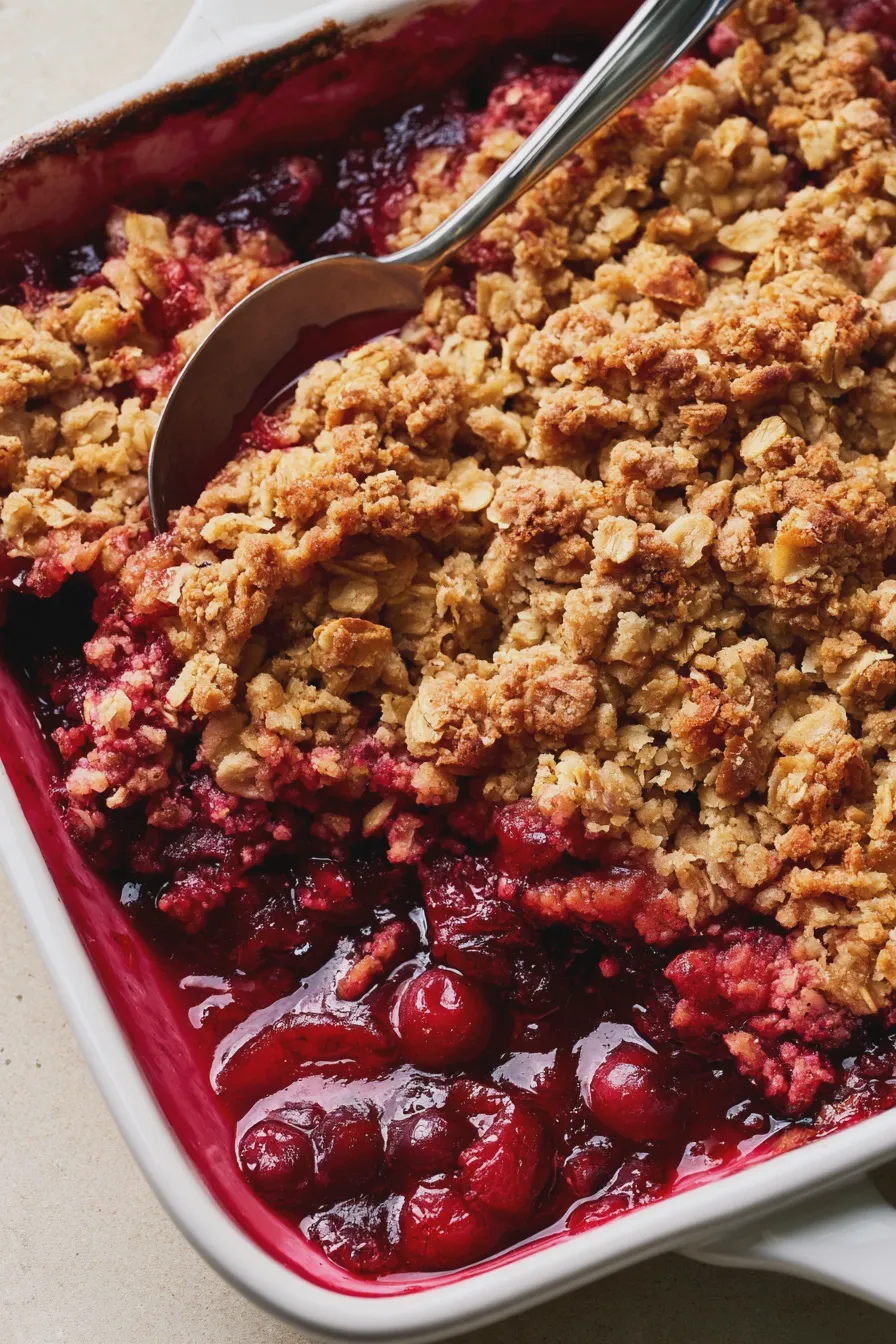
- Pear Crumble Recipe: Instead of a biscuit topping, try a streusel topping made with flour, sugar, butter, and oats. This creates a pear crumble recipe, which is equally delicious.
- Pear Crisp Recipe: Similar to a crumble, a crisp often includes nuts in the topping for added crunch.
- Vegan Pear Cobbler: Substitute plant-based butter and a non-dairy milk (like almond or soy milk) in the topping. For the filling, ensure your sugar is vegan-friendly if that’s a concern.
- Gluten-Free Pear Cobbler: Use a gluten-free all-purpose flour blend in the topping. You may need to adjust the liquid slightly as gluten-free flours can absorb moisture differently.
- Adding Other Fruits: Pears pair beautifully with other fruits. Consider adding some cranberries for tartness or apples for a mixed fruit cobbler.
- Nutty Addition: Chopped pecans or walnuts can be added to the topping mixture or sprinkled over the pears before adding the topping for extra texture and flavor.
- Ginger Pear Cobbler: Add grated fresh ginger or ground ginger to the pear filling for a zesty kick.
These variations allow you to tailor the pear dessert to your specific dietary needs or flavor preferences. Whether you’re making a simple pear cobbler or a more elaborate version, the core concept of sweet, baked pears topped with a tender dough remains a winner.
Looking for more? Try this delicious How To Make Ice Cream At Home next.
Print
Pear Cobbler Recipe Easy and Delicious Comfort Food
- Total Time: PT1H
- Yield: 6–8 servings 1x
- Diet: Vegetarian
Description
A warm, comforting, and incredibly easy pear cobbler, perfect for any occasion. Featuring tender, spiced pears topped with a buttery, golden biscuit crust.
Ingredients
- 6 medium ripe pears (like Bosc or Anjou), peeled, cored, and sliced
- 1/4 cup granulated sugar
- 1 tablespoon all-purpose flour
- 1 teaspoon ground cinnamon
- 1/4 teaspoon ground nutmeg
- 1 tablespoon lemon juice
- 1 cup all-purpose flour
- 1/4 cup granulated sugar
- 2 teaspoons baking powder
- 1/2 teaspoon salt
- 1/2 cup cold unsalted butter, cut into small pieces
- 1/2 cup milk
- 1 large egg, beaten (for egg wash)
- 1 tablespoon turbinado sugar (optional, for topping)
Instructions
- Preheat your oven to 375°F (190°C). Butter a 9×9 inch baking dish.
- In a large bowl, combine the sliced pears, 1/4 cup granulated sugar, 1 tablespoon flour, cinnamon, nutmeg, and lemon juice. Toss gently to coat the pears evenly. Pour the pear mixture into the prepared baking dish.
- In a separate medium bowl, whisk together 1 cup flour, 1/4 cup granulated sugar, baking powder, and salt.
- Cut in the cold butter using a pastry blender or your fingertips until the mixture resembles coarse crumbs.
- Add the milk and stir until just combined, forming a soft dough. Do not overmix.
- Drop spoonfuls of the dough evenly over the pear mixture in the baking dish.
- Brush the tops of the dough with the beaten egg and sprinkle with turbinado sugar, if using.
- Bake for 35-45 minutes, or until the topping is golden brown and the filling is bubbly.
- Let cool slightly before serving. Serve warm, perhaps with a scoop of vanilla ice cream or a dollop of whipped cream.
Notes
- For a richer flavor, you can add a tablespoon of brandy or rum to the pear mixture.
- If your pears are very juicy, you might need to add an extra teaspoon of flour to the pear mixture.
- Ensure your butter is very cold for the best biscuit texture.
- Leftovers can be stored in the refrigerator for up to 3 days and reheated.
- Prep Time: PT20M
- Cook Time: PT40M
- Category: Cobbler
- Method: Baking
- Cuisine: American
Nutrition
- Serving Size: 1 cobbler
- Calories: 350
- Sugar: 30g
- Sodium: 250mg
- Fat: 15g
- Saturated Fat: 9g
- Carbohydrates: 50g
- Fiber: 4g
- Protein: 5g