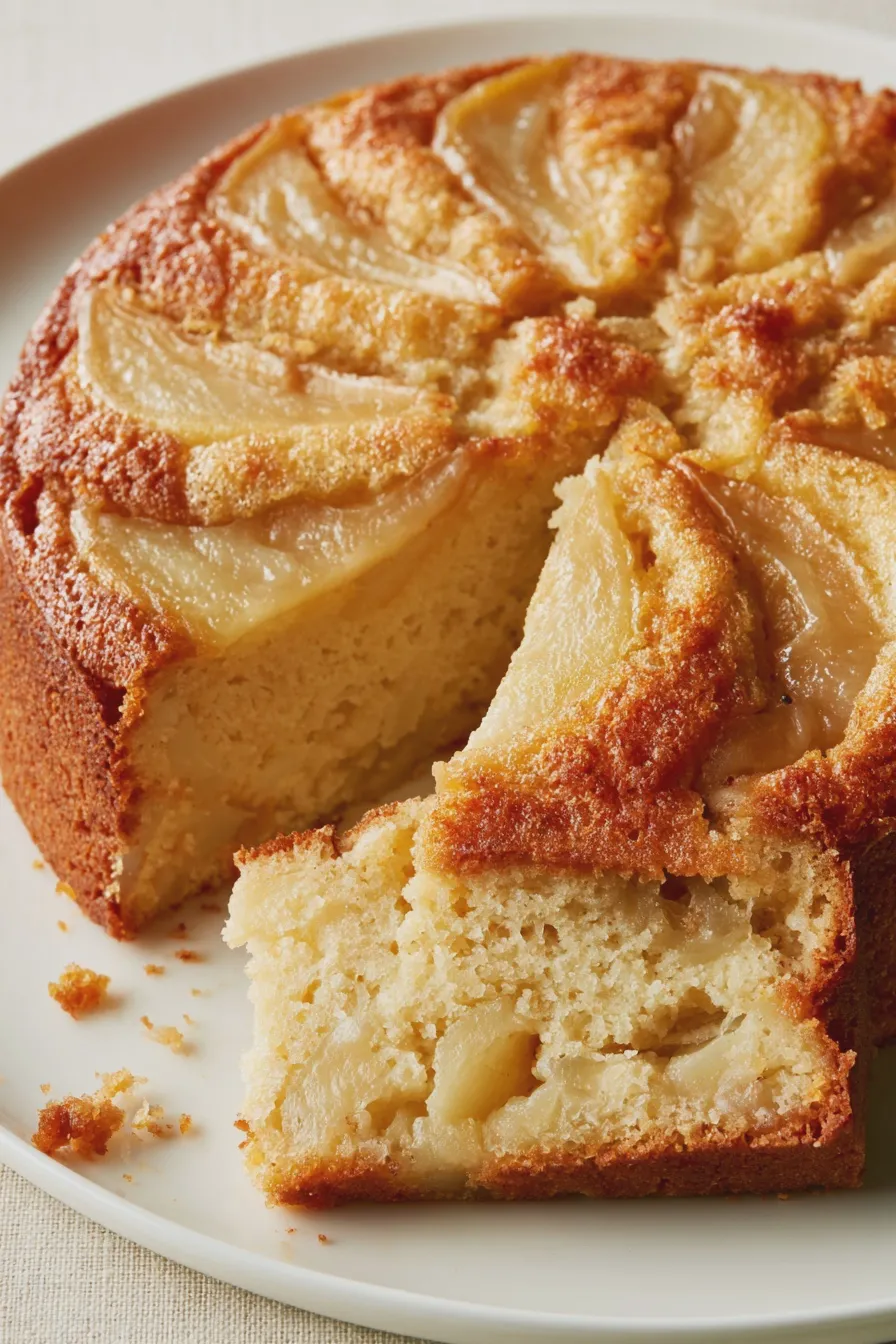
There’s something wonderfully comforting about a slice of homemade cake, especially when it features the delicate sweetness of pears. Pears, when baked, transform into tender, juicy morsels that infuse any dessert with a subtle, sophisticated flavor. Today, we’re diving into the delightful world of pear cake, a versatile treat that can be as simple or as elegant as you wish. Whether you’re looking for a quick weeknight dessert or a showstopper for a special occasion, this guide will help you create the best pear cake. We’ll cover everything from selecting the perfect pears to achieving that coveted moist texture. Get ready to bake a cake that will have everyone asking for seconds! For more baking inspiration, explore the vast collection of recipes at Allrecipes.
The Best Pears for Baking
Choosing the right type of pear is crucial for a successful pear cake. Not all pears are created equal when it comes to baking, and some will hold their shape and flavor better than others. You want a pear that is ripe but still firm, offering a good balance of sweetness and a slight tang.
Recommended Pear Varieties
- Bosc pears: These are a baker’s favorite for a reason. They have a firm texture, a sweet, musky flavor, and hold their shape beautifully when baked. Their slightly grainy texture also adds a nice element to the cake.
- Anjou pears: Both red and green Anjou pears work well. They are juicy and sweet with a mild flavor, making them a versatile choice. They tend to soften more than Bosc pears but still maintain good structure.
- Bartlett pears: While delicious for eating fresh, Bartlett pears can become quite mushy when baked. If you choose them, make sure they are just ripe and not overly soft. They offer a classic pear flavor.
- Comice pears: Known for their exceptional sweetness and buttery texture, Comice pears are a treat. However, they are very soft and can break down significantly during baking. Use them if you prefer a very tender cake where the pear flavor is prominent but the texture is less defined.
What to Avoid
Overripe pears will turn to mush in your cake, and underripe pears will remain hard and lack sweetness. Aim for pears that yield slightly to gentle pressure but are not soft or bruised. For more information on pear selection and preparation, you can consult resources like Serious Eats.
Mastering the Moist Pear Cake
Achieving a moist pear cake is all about the ingredients and the method. Pears themselves contribute a lot of moisture, but other elements play a significant role.
Key Ingredients for Moisture
- Fat: Butter or oil are essential for a tender and moist crumb. Oil tends to make cakes moister and stay moist longer than butter, while butter provides a richer flavor. Many recipes use a combination of both.
- Dairy: Buttermilk, sour cream, or yogurt add moisture and a slight tang that complements the pears. Their acidity also helps to tenderize the gluten, resulting in a softer cake.
- Sugar: While sugar adds sweetness, it also attracts and holds onto moisture, contributing to a moist cake. Brown sugar, in particular, adds a lovely caramel note and extra moisture due to its molasses content.
- Eggs: Eggs provide structure and richness. Ensure they are at room temperature for better emulsification, which leads to a smoother batter and a more uniform crumb.
Baking Techniques for Moisture
- Don’t overmix: Overmixing the batter after adding the flour develops gluten, which can lead to a tough, dry cake. Mix just until the ingredients are combined. For more on this, see How To Fold Ingredients Without Deflating.
- Accurate measurements: Too much flour can dry out your cake. Spoon flour into your measuring cup and level it off with a straight edge rather than scooping directly from the bag.
- Baking time: Overbaking is the enemy of a moist cake. Start checking for doneness a few minutes before the recipe suggests. A toothpick inserted into the center should come out with moist crumbs attached, not completely clean.
- Cooling: Allow the cake to cool in the pan for about 10-15 minutes before inverting it onto a wire rack. This prevents it from drying out too quickly.
Common Mistakes to Avoid
- Using underripe or overripe pears.
- Overmixing the batter.
- Overbaking the cake.
- Not measuring flour correctly.
- Using cold eggs or dairy.
Simple Pear Cake Recipe
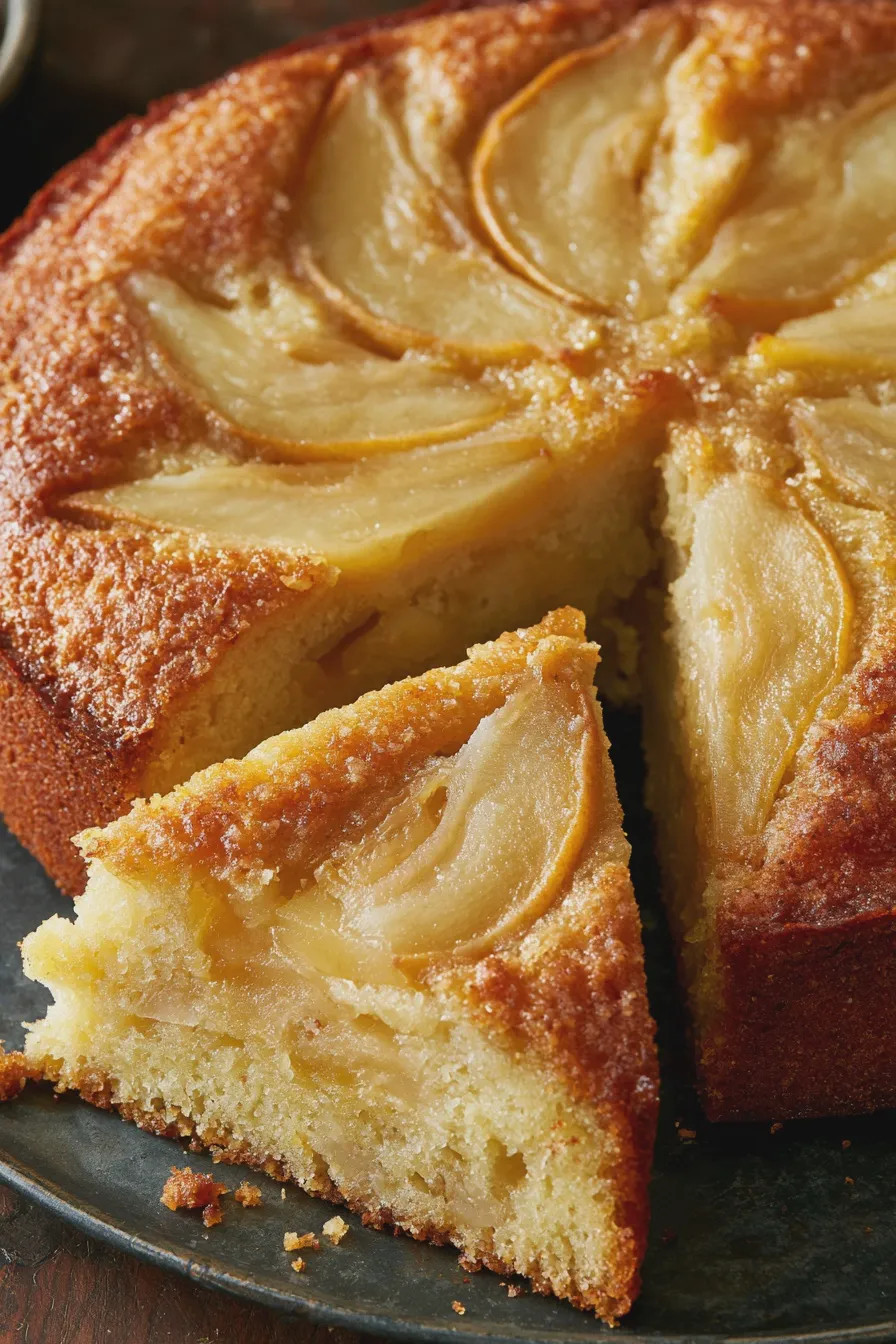
This recipe is a fantastic starting point for your pear cake journey. It’s designed to be straightforward and yields a wonderfully moist and flavorful cake.
Ingredients:
- 2 cups all-purpose flour
- 1 ½ teaspoons baking powder
- ½ teaspoon baking soda
- ½ teaspoon salt
- 1 teaspoon ground cinnamon
- ¼ teaspoon ground nutmeg
- ¾ cup (1 ½ sticks) unsalted butter, softened
- 1 cup granulated sugar
- 2 large eggs, room temperature
- 1 teaspoon vanilla extract
- ½ cup buttermilk, room temperature
- 3 medium ripe but firm pears (about 2 cups), peeled, cored, and diced
Instructions:
- Preheat your oven to 350°F (175°C). Grease and flour a 9-inch round cake pan or an 8×8 inch baking dish. You can also use parchment paper for easier removal. For detailed instructions, check out How To Prepare A Cake Pan To Prevent Sticking.
- In a medium bowl, whisk together the flour, baking powder, baking soda, salt, cinnamon, and nutmeg. Set aside.
- In a large bowl, cream together the softened butter and granulated sugar until light and fluffy, about 3-5 minutes.
- Beat in the eggs one at a time, mixing well after each addition. Stir in the vanilla extract.
- Gradually add the dry ingredients to the wet ingredients, alternating with the buttermilk. Begin and end with the dry ingredients. Mix on low speed or by hand until just combined. Do not overmix.
- Gently fold in the diced pears.
- Pour the batter into the prepared cake pan and spread evenly.
- Bake for 35-45 minutes, or until a toothpick inserted into the center comes out with moist crumbs attached.
- Let the cake cool in the pan for 10-15 minutes before inverting it onto a wire rack to cool completely.
Variations on the Classic Pear Cake
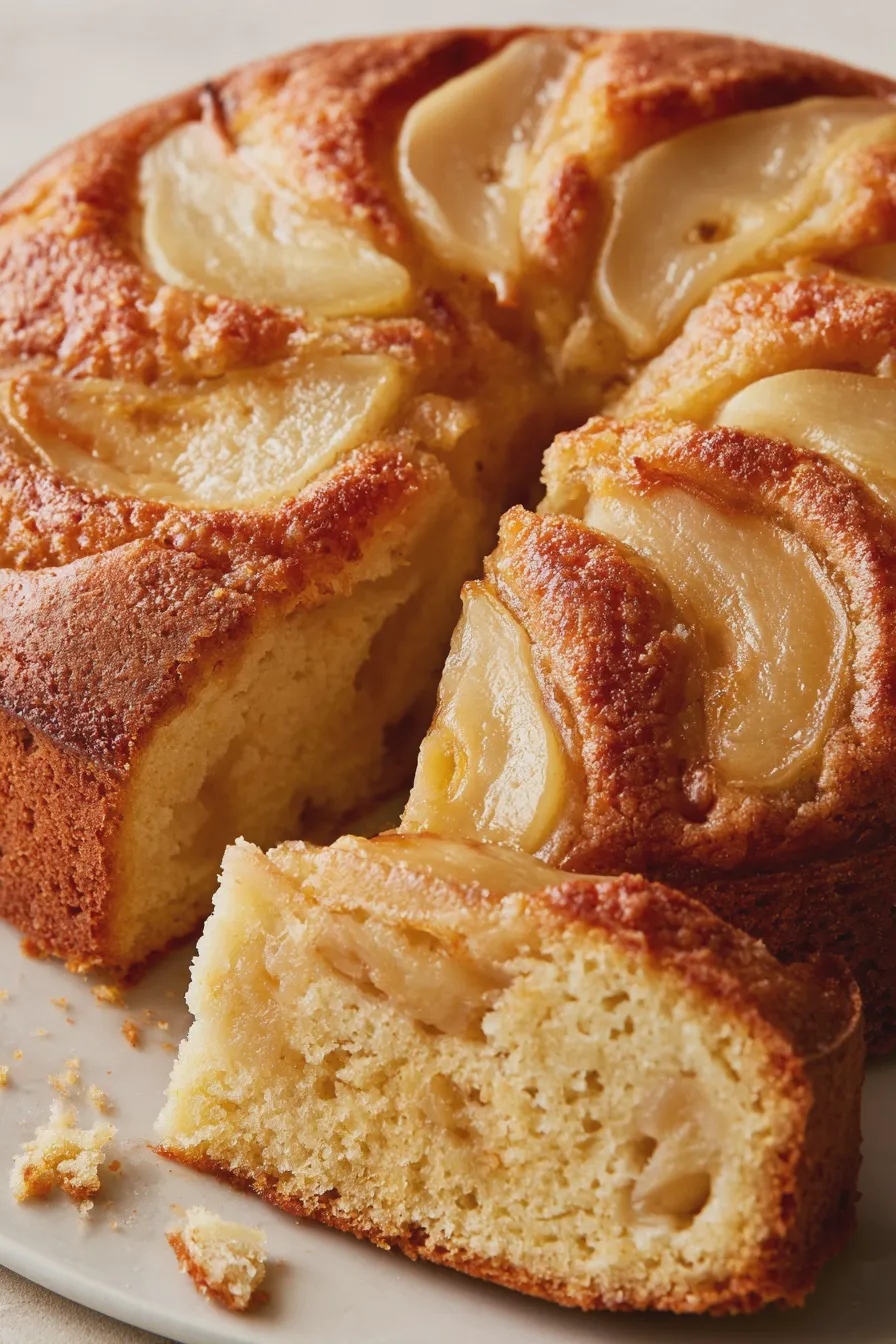
Once you’ve mastered the basic pear cake recipe, you can explore a world of delicious variations. These twists can elevate your dessert and cater to different tastes and dietary needs.
Another favorite of ours is the Zucchini Angel Food Cake Recipe.
Spiced Pear Cake
Amplify the warm, comforting flavors by increasing the spices. Consider adding a pinch of ground cloves, ginger, or cardamom to the dry ingredients. A spiced pear cake is particularly delightful during the fall and winter months.
Pear Cake with Walnuts (or Pecans)
Adding chopped nuts provides a wonderful textural contrast and a nutty flavor that pairs beautifully with pears. Toss the nuts with a tablespoon of the dry ingredients before folding them into the batter to help prevent them from sinking. This is a common addition to a pear cake recipe.
Almond Pear Cake
For a sophisticated flavor, substitute some of the all-purpose flour with almond flour, or add a teaspoon of almond extract along with the vanilla. This creates a delicate, nutty profile that’s utterly delicious. An almond pear cake is a popular choice.
Chocolate Pear Cake
Surprisingly, chocolate and pear are a fantastic combination! Add about ¼ cup of unsweetened cocoa powder to the dry ingredients, and perhaps some chocolate chips to the batter. This results in a rich, decadent dessert pear cake.
Upside Down Pear Cake
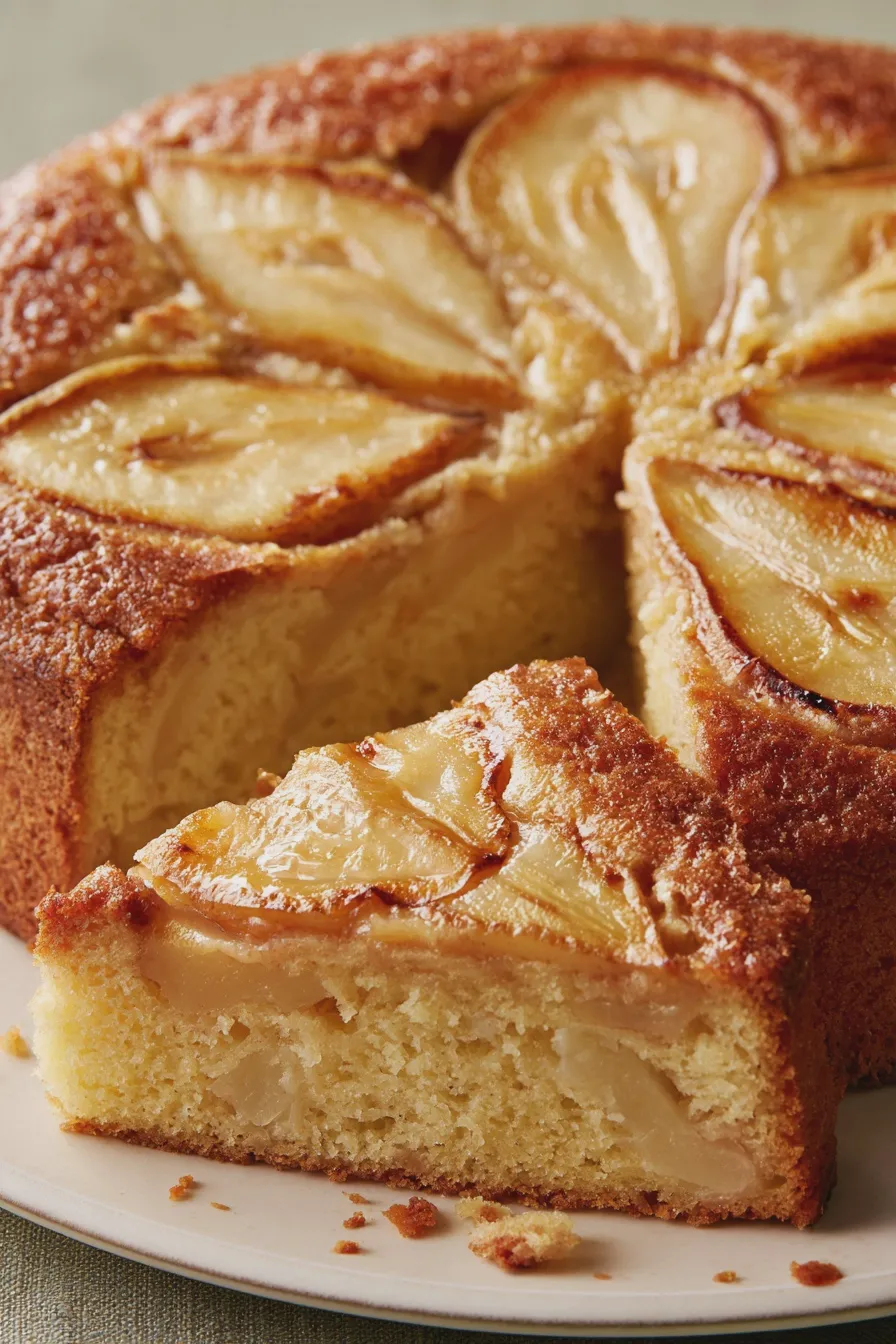
This visually stunning cake involves arranging pear slices in the bottom of the pan, topped with caramel or brown sugar, and then pouring the cake batter over them. When inverted after baking, you get a beautiful, glistening pear topping. An upside down pear cake is a real showstopper.
Another favorite of ours is the Zucchini Spice Cake Recipe.
Pear Loaf Cake
Simply pour the batter into a loaf pan and adjust the baking time accordingly (usually around 50-60 minutes). A pear loaf cake is perfect for slicing and enjoying with a cup of tea or coffee.
Vegan Pear Cake
Creating a vegan pear cake involves a few key substitutions. Replace butter with vegan butter or coconut oil, eggs with a flax egg (1 tbsp flaxseed meal + 3 tbsp water, let sit for 5 minutes) or commercial egg replacer, and buttermilk with a plant-based milk mixed with a teaspoon of vinegar or lemon juice. Ensure your sugar is vegan-friendly. The result is a delightful vegan pear cake that everyone can enjoy.
Gluten-Free Pear Cake
To make a gluten-free pear cake, use a good quality gluten-free all-purpose flour blend that contains xanthan gum. You might need to slightly adjust the liquid content depending on the blend used. Some bakers also have success using a combination of gluten-free flours like almond flour, rice flour, and tapioca starch.
Healthy Pear Cake
For a healthier pear cake, consider reducing the sugar slightly and using whole wheat pastry flour or a blend of whole wheat and all-purpose flour. You can also swap some of the butter for unsweetened applesauce or Greek yogurt. This approach yields a lighter, healthier pear cake.
Tips for the Perfect Baked Pear Cake
Elevate your baking with these expert tips for creating the best pear cake every time.
If you enjoyed this, you might also love our Pumpkin Bundt Cake Recipe recipe.
- Pear Preparation: Ensure your pears are peeled, cored, and cut into uniform pieces. This helps them cook evenly within the cake batter.
- Room Temperature Ingredients: As mentioned, using room temperature butter, eggs, and dairy (like buttermilk) is crucial for proper emulsification and a tender crumb.
- Don’t Overfill the Pan: Leave about ½ inch of space at the top of your cake pan to allow for rising.
- Cooling Rack Importance: Using a wire rack allows air to circulate around the cake, preventing the bottom from becoming soggy.
- Storage: Store your pear cake at room temperature in an airtight container for up to 3 days, or in the refrigerator for up to a week. It freezes beautifully too!
Troubleshooting Common Pear Cake Issues
Even experienced bakers encounter challenges. Here’s how to address common problems with your pear cake.
- Cake Sank in the Middle: This can happen due to overmixing, opening the oven door too early, or an incorrect leavening agent ratio. Ensure your baking powder and soda are fresh. For more on this, see Why Did My Cake Sink In The Middle.
- Dry Cake: Overbaking is the most common culprit. Also, ensure you’ve measured your flour accurately and haven’t omitted any moistening ingredients.
- Pears Sinking to the Bottom: This can occur if the pear pieces are too large or too wet, or if the batter is too thin. Tossing pears with a bit of flour can help.
Pear Cake Recipe The Easiest Way to Bake This Classic Dessert
- Total Time: PT1H10M
- Yield: 8 servings 1x
- Diet: Vegetarian
Description
This Simple & Moist Pear Cake is a delightful dessert that highlights the natural sweetness of pears. It’s incredibly easy to whip up, making it perfect for a quick treat or a special occasion. The moist crumb and tender pear slices are sure to impress!
Ingredients
- 2 cups all-purpose flour
- 1.5 teaspoons baking powder
- 0.5 teaspoon salt
- 1 cup unsalted butter, softened
- 1.5 cups granulated sugar
- 2 large eggs
- 1 teaspoon vanilla extract
- 3–4 ripe pears (such as Bartlett or Anjou), peeled, cored, and sliced
- 1 tablespoon lemon juice
Instructions
- Preheat your oven to 350°F (175°C). Grease and flour a 9-inch round cake pan.
- In a medium bowl, whisk together the flour, baking powder, and salt. Set aside.
- In a large bowl, cream together the softened butter and granulated sugar until light and fluffy.
- Beat in the eggs one at a time, then stir in the vanilla extract.
- Gradually add the dry ingredients to the wet ingredients, mixing until just combined. Do not overmix.
- Gently toss the sliced pears with lemon juice to prevent browning.
- Spoon about half of the batter into the prepared cake pan and spread evenly.
- Arrange half of the pear slices over the batter.
- Spoon the remaining batter over the pears and spread to cover.
- Arrange the remaining pear slices on top of the batter.
- Bake for 45-55 minutes, or until a wooden skewer inserted into the center comes out clean.
- Let the cake cool in the pan for 10-15 minutes before inverting it onto a wire rack to cool completely.
Notes
- Serve warm or at room temperature.
- Dust with powdered sugar or serve with a dollop of whipped cream or vanilla ice cream for an extra treat.
- You can add a pinch of cinnamon or nutmeg to the batter for added spice.
- Ensure pears are ripe but not overly mushy for the best texture.
- Prep Time: PT20M
- Cook Time: PT50M
- Category: Dessert
- Method: Baking
- Cuisine: American
Nutrition
- Serving Size: 1 slice
- Calories: 350
- Sugar: 45g
- Sodium: 200mg
- Fat: 15g
- Saturated Fat: 9g
- Carbohydrates: 50g
- Fiber: 3g
- Protein: 4g