If you’re looking for a delightful way to preserve the sweet taste of summer, making your own apricot jam is a perfect choice. This simple recipe captures the essence of ripe apricots, resulting in a luscious spread that’s perfect for slathering on toast or using in various delectable desserts. The combination of sweet and tart flavors makes it a favorite for many.
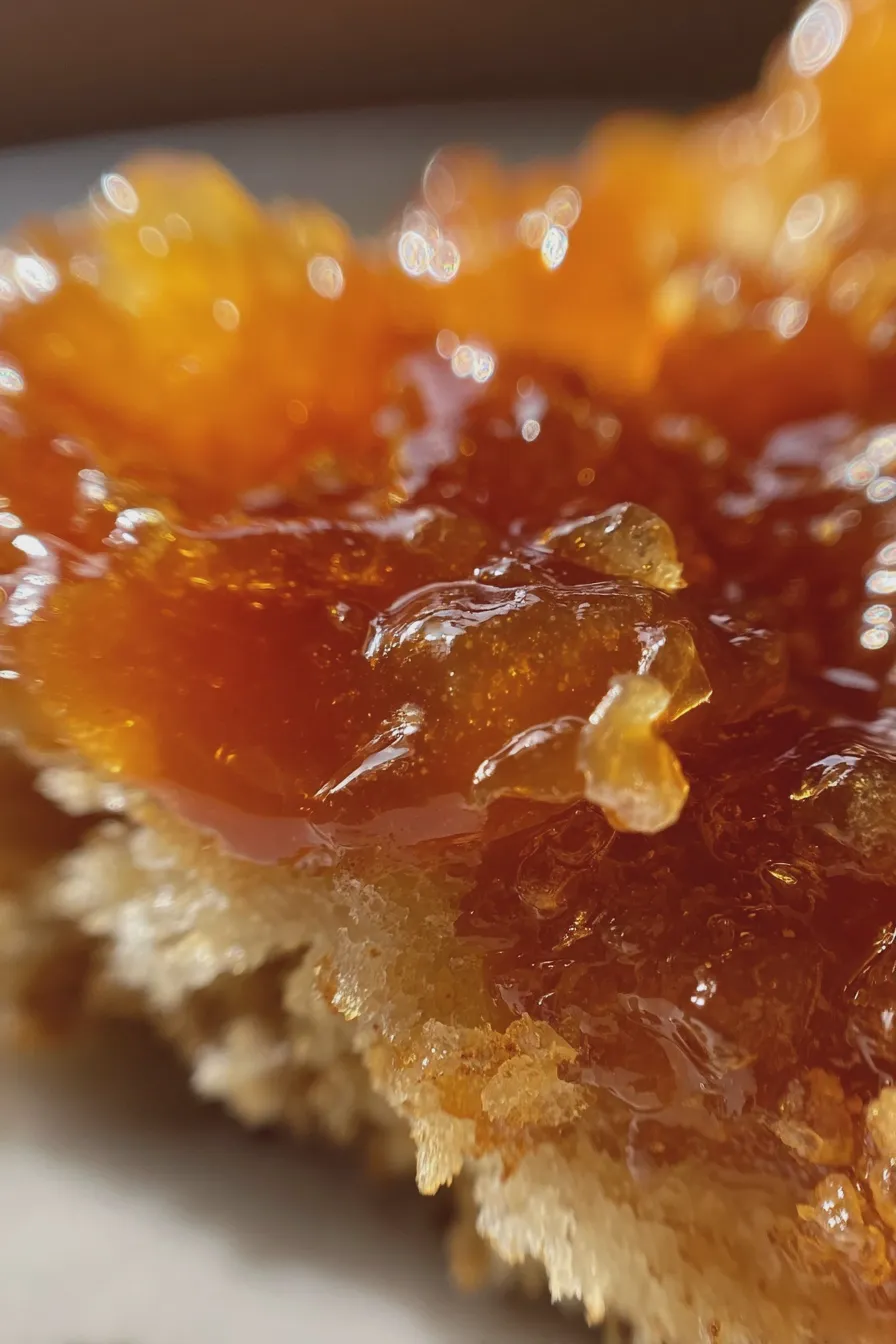
This article will guide you through the process of creating a delicious batch of homemade apricot jam. You’ll learn everything from selecting the best apricots to the final steps of preserving this fruity treat. Get ready to enjoy the rich, vibrant taste of homemade apricot jam!
What is Apricot Jam?
Apricot jam is a sweet, spreadable preserve made from fresh apricots. The fruit is cooked with sugar and sometimes pectin, resulting in a thick, flavorful condiment. This versatile jam can be enjoyed on a variety of foods or used in baking.
Many people love apricot jam for its balance of sweetness and tartness, which makes it a delightful addition to breakfast, snacks, and desserts. It’s often used as a topping or filling, and as an ingredient in many apricot jam variations.
Apricot Jam Ingredients
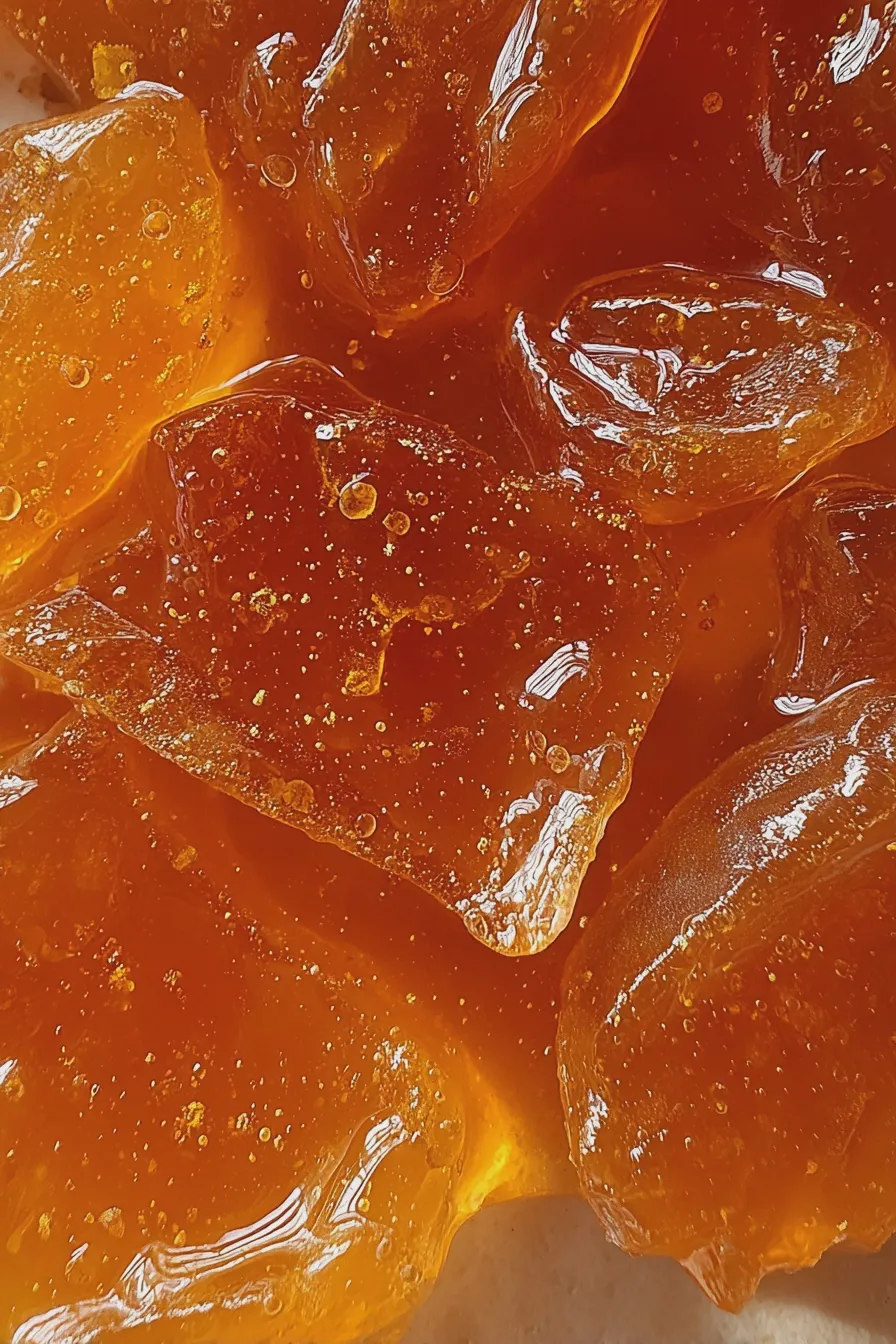
Creating delicious homemade apricot jam starts with gathering the right ingredients. The quality of your ingredients directly impacts the flavor and texture of the final product. Here’s what you’ll need for a classic apricot jam recipe.
- 3 pounds fresh apricots, ripe but firm
- 3 cups granulated sugar
- 1/4 cup lemon juice (freshly squeezed)
- 1/4 cup water (optional, if using very firm apricots)
- 1 package (1.75 oz) powdered pectin (optional, for a firmer set)
For the best results, use fresh, ripe apricots. Apricot preserves are a wonderful alternative if you can’t find fresh fruit. You can also adjust the sugar to your preference, but it’s essential for preserving the jam. Consider using a small batch apricot jam recipe if you only want a small amount.
How to Make Apricot Jam
Making apricot jam at home is a rewarding experience. With a few simple steps, you can create a delicious preserve that will brighten your breakfasts and desserts. Here’s a step-by-step guide to making the best apricot jam.
Preparing the Apricots
First, wash the apricots thoroughly under cold running water. Then, remove the pits and chop the apricots into small pieces.
You can leave the skins on for added texture and nutrients, or peel them if you prefer a smoother jam. The size of the pieces will affect the final texture of the jam, so chop them uniformly.
Cooking the Apricots
In a large, heavy-bottomed pot, combine the chopped apricots, sugar, lemon juice, and water (if using). Bring the mixture to a boil over medium-high heat, stirring frequently to prevent sticking.
If you’re using pectin, add it at this stage according to the package instructions. Be sure to stir constantly to dissolve the pectin completely and avoid lumps.
Adding Pectin (Optional)
If you’re using pectin, add it according to the package instructions after the mixture boils. Pectin helps the jam set properly, especially if the apricots aren’t naturally high in pectin.
Continue boiling the mixture for the time specified on the pectin package, usually about 1 minute. This ensures the pectin activates and the jam sets correctly. If you prefer apricot jam without pectin, you can simply cook the fruit longer to achieve the desired consistency.
Testing for Doneness
To test if your jam is ready, place a small plate in the freezer before you start cooking. Drop a small spoonful of the hot jam onto the cold plate and let it cool for a minute.
If the jam wrinkles when you push it with your finger, it’s ready. If not, continue cooking for a few more minutes and test again. You can also use a candy thermometer; the jam should reach 220°F (104°C).
Canning and Storage
If you plan to can your jam for long-term storage, prepare your jars and lids by sterilizing them. Carefully ladle the hot jam into the sterilized jars, leaving about 1/4 inch of headspace.
Wipe the rims of the jars clean, place the lids and rings on, and process in a boiling water bath for the time recommended for your altitude. If you’re not canning, let the jam cool completely before transferring it to jars for refrigerator storage. For easy apricot jam for canning, follow these steps precisely.
Tips for Perfect Apricot Jam
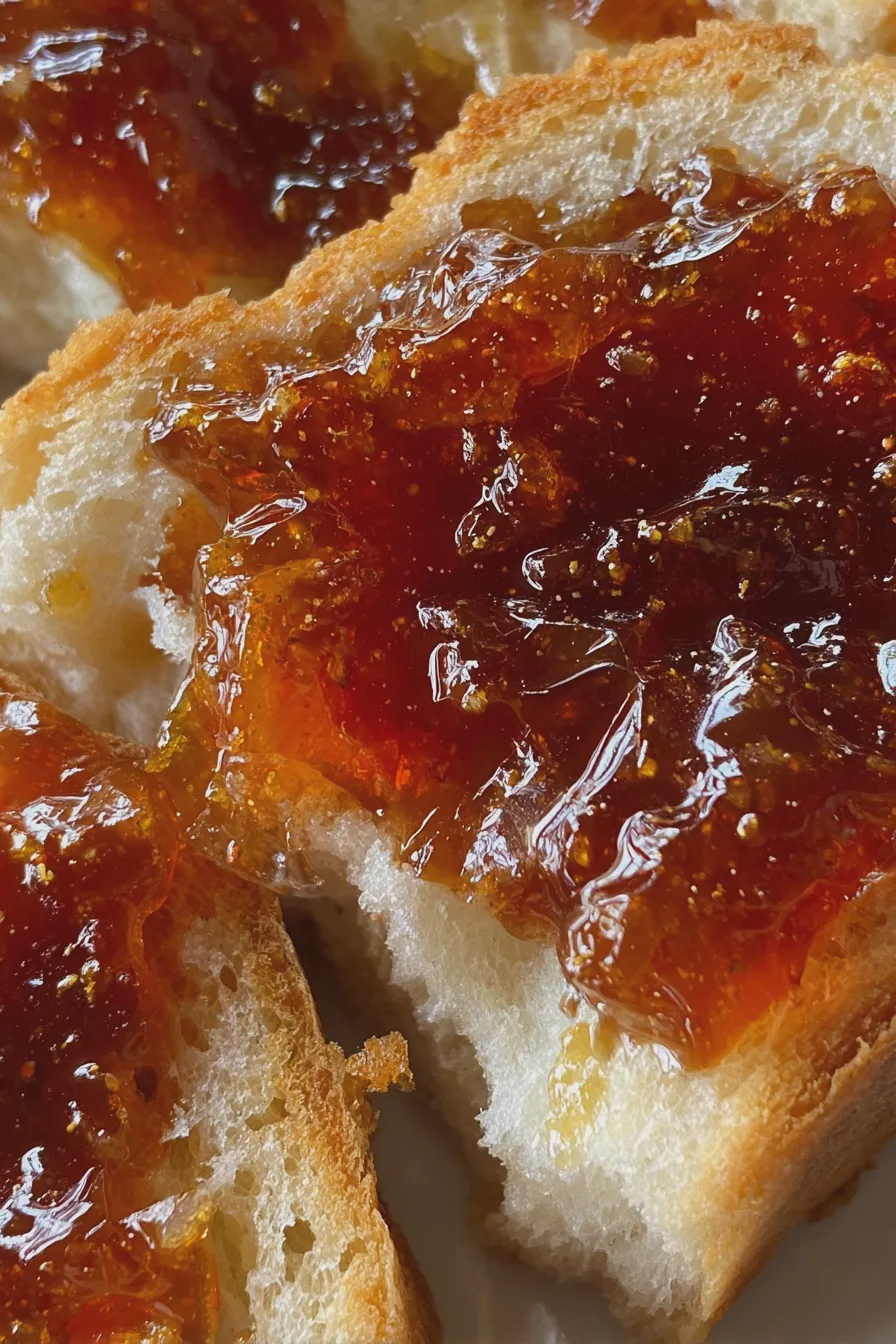
Achieving the perfect batch of apricot jam involves paying attention to a few key details. These tips will help you avoid common pitfalls and ensure your jam turns out beautifully every time. From selecting the right apricots to storing your finished product, here’s some helpful advice.
Choosing the Right Apricots
The quality of your apricots is crucial for the final product. Look for ripe but firm apricots, as overly ripe ones may result in a mushy jam.
Apricots that are slightly soft to the touch are ideal, as they have the best flavor and natural pectin levels. Avoid apricots that are bruised or have any signs of spoilage; this will affect the overall quality of your homemade apricot jam.
Achieving the Right Consistency
The consistency of your jam depends on the cooking time and the amount of pectin. To get a thicker jam, cook it for a longer time or add pectin.
Make sure to test the jam frequently using the cold plate method to ensure it reaches the perfect set. If you cook it for too long, it will become too thick, so be careful!
Preventing Sugar Crystals
To prevent sugar crystals from forming in your jam, make sure all the sugar dissolves completely during the cooking process. Stir the mixture frequently.
Wipe down the sides of the pot with a wet pastry brush to remove any sugar crystals that may have formed. This is especially important for easy apricot jam, as the sugar needs to dissolve fully.
Apricot Jam Variations
Once you’ve mastered the basic apricot jam recipe, you can experiment with different variations to create unique flavors. Adding other fruits, spices, or even a touch of alcohol can elevate your apricot jam to new heights. Here are a few ideas to get you started.
Adding Other Fruits
Combine apricots with other fruits that complement their flavor. Peaches, nectarines, and raspberries all pair beautifully with apricots.
Adding a handful of other fruits can change the taste and texture of your apricot jam. Mix and match to find your favorite apricot jam variations.
Incorporating Spices
Spices like cinnamon, nutmeg, and cardamom can add warmth and depth to your jam. Add a pinch of your favorite spice during cooking.
A touch of vanilla extract can also enhance the flavor. Experiment with different spices to find your perfect blend. This is a great way to elevate your homemade apricot jam.
Adding Alcohol
A splash of brandy, rum, or Grand Marnier can impart a sophisticated flavor to your jam. Add the alcohol at the end of the cooking process.
Use a small amount of alcohol to avoid thinning the jam too much. Be careful not to add too much, or it will affect the setting of the jam. These additions can turn your apricot jam into a gourmet treat.
Serving and Using Apricot Jam
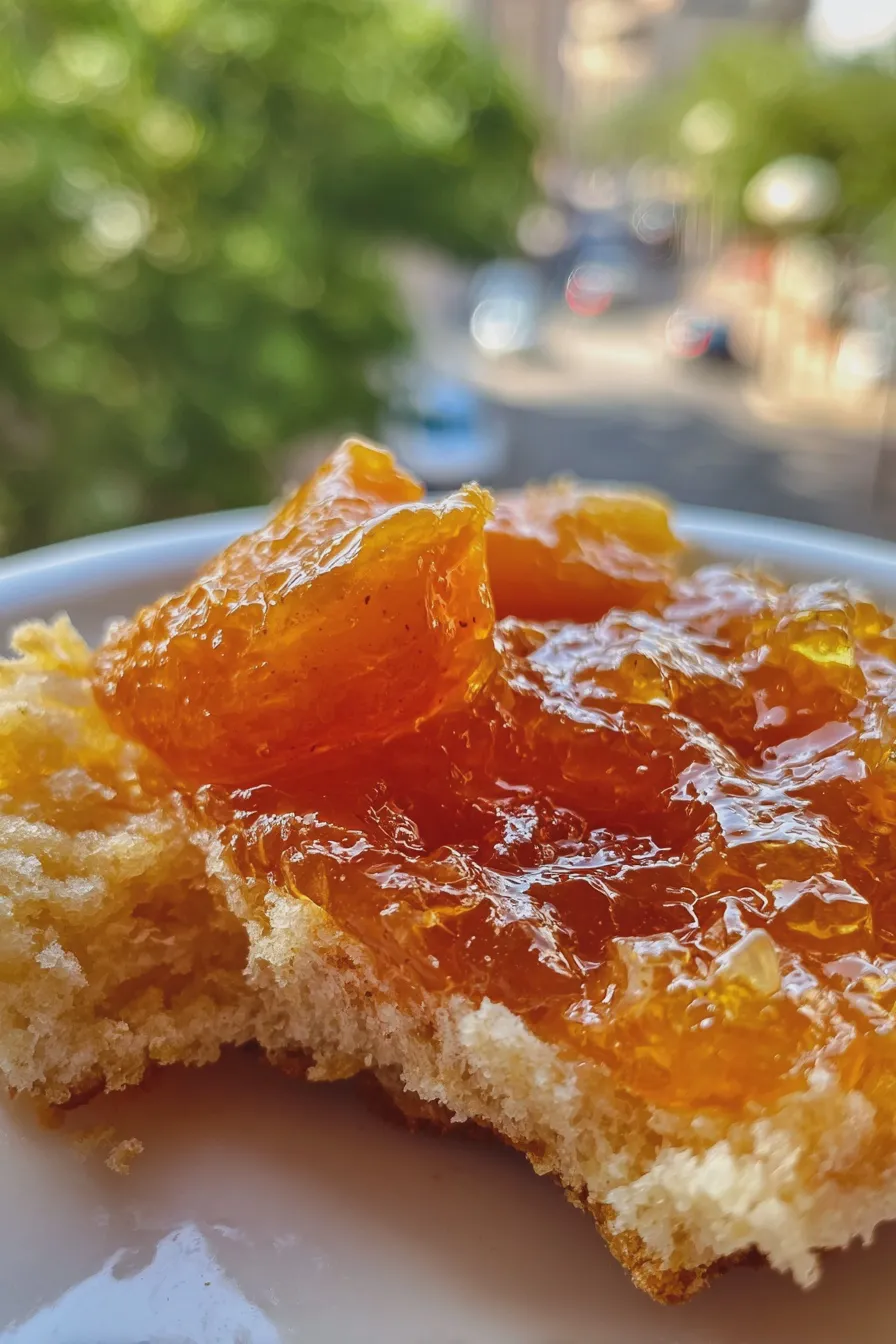
Apricot jam is incredibly versatile and can be enjoyed in a variety of ways. From simple breakfasts to elegant desserts, there are endless possibilities for using this delicious preserve. Here are some ideas for serving and using your homemade apricot jam.
Classic Pairings
Enjoy apricot jam on toast, scones, or biscuits for a simple and satisfying breakfast or snack. It’s a classic combination that never gets old.
Pair it with cheese and crackers for a delightful appetizer. The sweetness of the jam complements the saltiness of the cheese perfectly. Apricot jam and toast is a timeless pairing!
Baking Applications
Use apricot jam as a filling for cakes, tarts, and pastries. It adds a delicious fruity flavor and moisture.
Add a glaze to cakes or pastries by warming the jam and brushing it over the top. Try using it as a glaze for a ham or chicken. You can also use it in recipes like chocolate fudge cake for a delicious twist.
Creative Uses
Mix apricot jam into yogurt or oatmeal for added sweetness and flavor. It’s a quick and easy way to elevate your breakfast.
Use it as a sauce for roasted meats or a condiment for sandwiches. The possibilities are endless! You could also use it to fill a brownie cup or even use it as a filling in mini lemon tarts with lilac meringue.
Storage and Shelf Life
Proper storage is essential to ensure your apricot jam stays fresh and delicious for as long as possible. Whether you’re canning your jam or storing it in the refrigerator, these tips will help you preserve its quality. Here are some tips for storing your homemade apricot jam to enjoy it for a longer time.
Canning for Long-Term Storage
If you’ve canned your jam, store the sealed jars in a cool, dark place. A pantry or cupboard is ideal for this.
Make sure the jars are properly sealed to prevent spoilage. Properly canned apricot jam can last for up to a year or more. This is the best method for those who want to use their apricot jam for canning.
Refrigeration for Short-Term Storage
If you haven’t canned your jam, store it in the refrigerator. Use clean jars or containers with tight-fitting lids.
Homemade jam stored in the refrigerator typically lasts for up to 2-3 weeks. Be sure to check for any signs of mold or spoilage before using it. This is a great tip for those who are making small batch apricot jam.
Common Mistakes to Avoid
Even experienced cooks can make mistakes when making jam. Avoiding these common pitfalls will help you achieve the perfect consistency and flavor every time. Here’s a guide to help you avoid common mistakes.
Using the Wrong Type of Apricots
Using underripe or overripe apricots can affect the jam’s texture and flavor. Underripe apricots may not have enough natural pectin, while overripe ones may result in a mushy jam.
Always choose apricots that are ripe but firm to the touch. This will ensure your apricot jam has the right consistency. It is important to know the apricot jam ingredients, as the quality will affect the final result.
Not Testing for Doneness
Skipping the crucial step of testing for doneness can lead to jam that is either too runny or too thick. Always use the cold plate test.
This simple test will help you determine when the jam has reached the perfect set. The cold plate test is essential for ensuring your jam has the right texture. This is especially true for apricot jam without pectin.
Not Sterilizing Jars
Failing to sterilize your jars, especially if you’re canning, can lead to mold growth and spoilage. Always sterilize your jars before filling them with hot jam.
Sterilizing jars is crucial for ensuring the safety and longevity of your jam. Make sure to use clean jars to avoid any issues. This is a vital step in the process if you want to make apricot jam for canning.
Print
apricot jam Recipe
- Total Time: PT50M
- Yield: About 4–5 cups 1x
- Diet: Vegetarian, Vegan
Description
Learn how to make delicious homemade apricot jam with this easy recipe. Perfect for spreading on toast, scones, or using in your favorite desserts!
Ingredients
- 3 pounds fresh apricots, pitted and chopped
- 3 cups granulated sugar
- 1/4 cup lemon juice
- 1/4 cup water
Instructions
- In a large, heavy-bottomed pot, combine the chopped apricots, sugar, lemon juice, and water.
- Stir well to ensure the sugar is evenly distributed.
- Let the mixture sit for about 30 minutes, allowing the apricots to release some of their juices.
- Place the pot over medium heat and bring the mixture to a gentle boil, stirring frequently to prevent sticking.
- Once boiling, reduce the heat to a simmer and continue to cook for about 20-30 minutes, or until the jam reaches the desired consistency. You can test the consistency by placing a small spoonful of jam on a chilled plate and seeing how quickly it sets.
- If you prefer a smoother jam, you can use an immersion blender to pulse the jam a few times during the cooking process.
- Remove the pot from the heat and let the jam cool slightly.
- Ladle the hot jam into sterilized jars, leaving about 1/4 inch of headspace.
- Wipe the rims of the jars clean, place the lids and rings on the jars, and tighten the rings.
- Process the jars in a boiling water bath for 10 minutes to seal them properly (optional, for longer storage).
- Let the jars cool completely. You should hear the lids pop as they seal.
- Store the sealed jars in a cool, dark place for up to a year. Once opened, store in the refrigerator.
Notes
- For a chunkier jam, don’t pulse with the immersion blender.
- If your apricots are not very ripe, you may need to add a little more lemon juice for tartness.
- Sterilize jars by boiling them in water for 10 minutes or using a dishwasher’s sanitizing cycle.
- Prep Time: PT20M
- Cook Time: PT30M
- Category: Preserves
- Method: Boiling
- Cuisine: American
Nutrition
- Serving Size: 1 tablespoon
- Calories: 50
- Sugar: 12g
- Sodium: 1mg
- Fat: 0g
- Carbohydrates: 13g