Table of Contents
There’s something undeniably cheerful about a batch of freshly baked lemon cookies. They’re the perfect treat for a sunny afternoon, a delightful addition to a tea party, or a sweet ending to any meal. Their bright, zesty flavor is a welcome contrast to richer desserts, making them a crowd-pleaser year-round. These cookies are a classic for a reason.

Whether you’re looking for a simple snack or a dessert to impress, lemon cookies fit the bill. The combination of sweet and tart is irresistible, and the aroma that fills your kitchen while they bake is simply heavenly. Plus, they’re surprisingly easy to make, even if you’re a beginner baker! You can find inspiration from many different recipes, but the classic remains a favorite. For more cookie ideas, check out this search for cookie recipes here.
The goal is to create the perfect balance of flavors and textures in your lemon cookie recipe. Think about achieving a tender crumb and a bright, citrusy taste. From the first bite to the last, these cookies promise a burst of sunshine in every morsel. Let’s get started on baking some deliciousness!
Understanding the Essence of Lemon Cookies
The beauty of lemon cookies lies in their simplicity. They highlight the vibrant flavor of lemons, making them a refreshing alternative to heavier desserts. The key to a great cookie is using high-quality ingredients and understanding how they interact to create the perfect texture and taste. The best lemon cookies are those that balance sweetness with a good amount of tartness.
Think about the different types of lemon cookie recipe variations. Some recipes call for a buttery, melt-in-your-mouth texture, while others aim for a slightly crispier edge. The addition of ingredients like lemon zest, lemon juice, and even a touch of lemon extract can enhance the lemon flavor. The use of different fats, like butter or oil, also influences the final outcome. For instance, using butter can create a richer, more tender cookie, while oil might result in a chewier texture. Explore different recipes and find the ones that best suit your taste. You can also look for more recipes at Serious Eats.
Key Ingredients and Their Roles
The ingredients in a lemon cookie recipe are relatively straightforward, but each plays a crucial role in the final product. Understanding how each ingredient contributes to the flavor and texture will help you achieve the best results. The following are the essential components of a great cookie.
- All-purpose flour: Provides structure.
- Baking powder: Adds lift and helps the cookies spread.
- Salt: Enhances the flavors and balances the sweetness.
- Unsalted butter: Contributes richness and tenderness.
- Granulated sugar: Adds sweetness and helps with browning.
- Eggs: Bind the ingredients and add moisture.
- Lemon zest: Provides intense lemon flavor.
- Lemon juice: Adds tartness and moisture.
- Vanilla extract (optional): Enhances the overall flavor profile.
How to Make Lemon Cookies
Creating delicious lemon cookies from scratch is easier than you might think. With a few simple steps and some helpful tips, you’ll be enjoying a batch of these delightful treats in no time. This recipe focuses on a classic approach, ensuring a perfect balance of flavor and texture.
Step-by-Step Instructions

Follow these steps to create some amazing lemon cookies that everyone will love.
- Prepare the dough: In a large bowl, cream together the softened butter and sugar until light and fluffy. This step incorporates air into the mixture, which is crucial for a tender cookie. Beat in the eggs one at a time, then stir in the lemon zest and vanilla extract. In a separate bowl, whisk together the flour, baking powder, and salt. Gradually add the dry ingredients to the wet ingredients, mixing until just combined. Be careful not to overmix, as this can lead to tough cookies.
- Chill the dough: Wrap the dough in plastic wrap and refrigerate for at least 30 minutes. Chilling the dough helps prevent the cookies from spreading too much during baking and intensifies the flavors. You can chill it for longer, even overnight, for an even better result.
- Shape and bake the cookies: Preheat your oven to 350°F (175°C) and line a baking sheet with parchment paper. Scoop rounded tablespoons of dough onto the prepared baking sheet, leaving about 2 inches of space between each cookie. Bake for 10-12 minutes, or until the edges are lightly golden and the centers are set.
- Cool and enjoy: Let the cookies cool on the baking sheet for a few minutes before transferring them to a wire rack to cool completely. Once cooled, you can enjoy them as is or decorate them with a simple icing.
Tips for Perfect Lemon Cookies
Here are some extra tips to ensure your lemon cookies turn out perfectly every time.
- Use room temperature ingredients: Room temperature butter and eggs emulsify better with the sugar, resulting in a smoother dough and a more even texture.
- Don’t overmix: Overmixing develops the gluten in the flour, leading to tougher cookies. Mix the dough just until the ingredients are combined.
- Measure flour correctly: Use the spoon-and-level method to measure flour. Fluff the flour in the bag, spoon it into your measuring cup, and level it off with a knife.
- Adjust baking time: Ovens vary, so keep an eye on your cookies and adjust the baking time as needed. The cookies are done when the edges are golden brown and the centers are set.
- Experiment with flavors: Feel free to add other ingredients to the dough, like white chocolate chips or dried cranberries, to create lemon cranberry cookies or lemon cookies with white chocolate.
Variations and Flavor Enhancements
Once you’ve mastered the basic lemon cookie recipe, you can explore various ways to customize it to your liking. Adding different ingredients or changing the preparation method can create exciting new flavors and textures. From lemon sugar cookies to chewy lemon cookies, the possibilities are endless.
Adding Zest and Juice
The key to a truly flavorful lemon cookie recipe is to use both lemon zest and lemon juice. The zest provides a concentrated burst of lemon flavor, while the juice adds a tangy, moist element. Be sure to use fresh lemons for the best results. Using pre-grated zest can sometimes lack the intensity of freshly zested lemons. Consider using a microplane or fine grater to zest the lemons, being careful to avoid the white pith, which can be bitter. The amount of lemon zest you use will directly impact the intensity of the lemon flavor in your cookies.
Incorporating Other Flavors
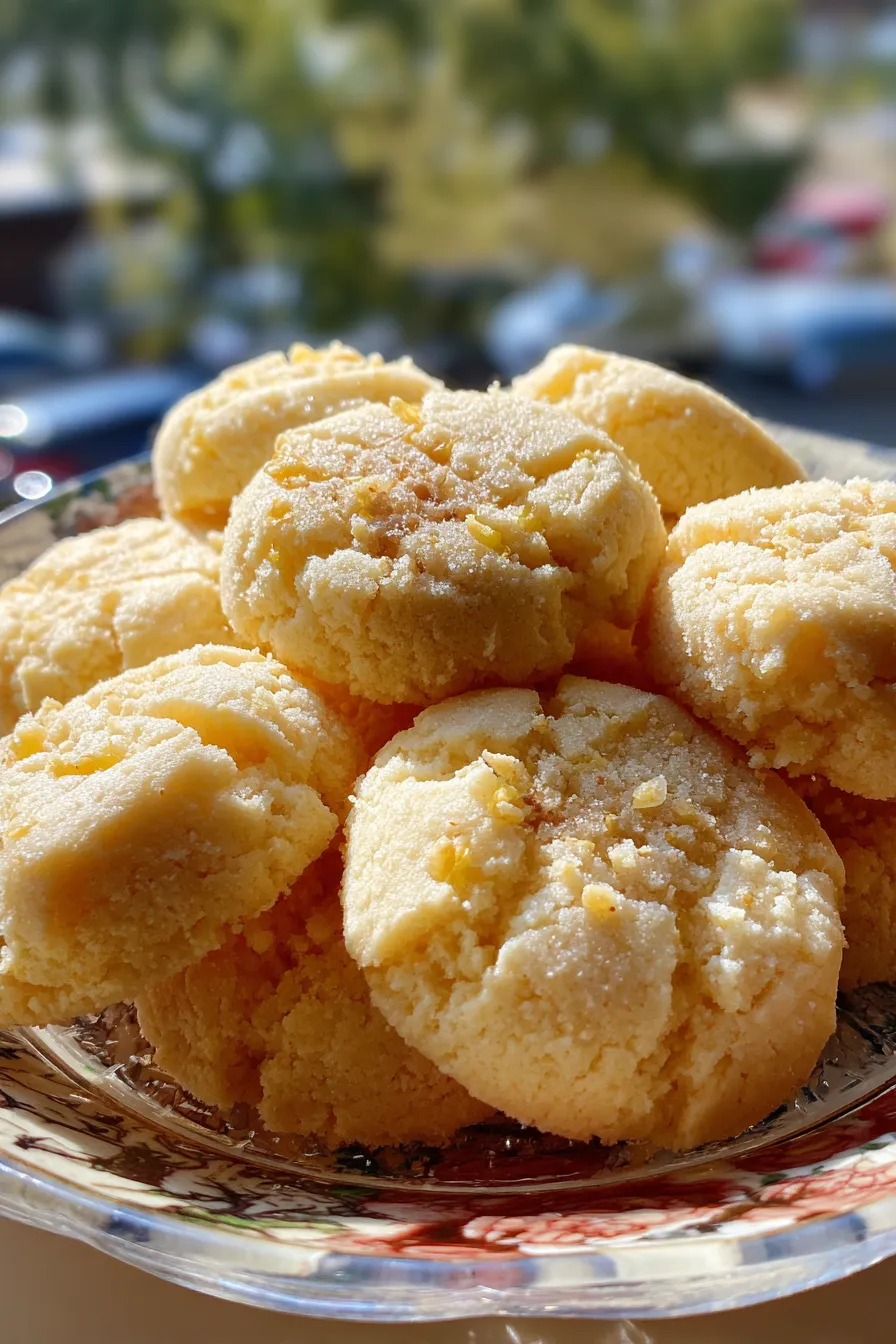
Once you have the basics down, consider adding other flavors to your lemon cookies. You can experiment with extracts, spices, and other ingredients to create unique flavor combinations. Vanilla extract is a classic addition that complements the lemon flavor beautifully. For a touch of warmth, try adding a pinch of ground cardamom or nutmeg. For a more sophisticated flavor profile, consider adding a tablespoon of finely chopped fresh rosemary to the dough. You could also try making lemon poppy seed cookies, which add a delightful textural element to the cookies.
Icing and Decoration Ideas
Icing adds a touch of sweetness and visual appeal to your lemon cookies. A simple glaze made with powdered sugar, lemon juice, and a touch of vanilla extract is a perfect complement to the bright citrus flavor. For a more decadent treat, you can add a cream cheese frosting. The possibilities for decoration are endless. You can drizzle the icing over the cookies, dip them in icing, or use a piping bag to create intricate designs. Consider adding a sprinkle of lemon zest or a few candied lemon slices for an extra touch of elegance. You can also make iced lemon cookies.
Troubleshooting Common Issues

Even with the best intentions, sometimes things don’t go as planned in the kitchen. Here’s how to address some common problems you might encounter when making lemon cookies.
Cookies Spreading Too Much
If your cookies are spreading too thin during baking, it could be due to several factors. Ensure your butter is properly softened, but not melted. Overly soft or melted butter can cause the cookies to spread too much. Also, make sure you’ve chilled the dough for the recommended time, as this helps to prevent excessive spreading. If you’re still having trouble, try adding a tablespoon or two of flour to the dough before baking. The type of flour can also make a difference. Make sure you are using all-purpose flour. If you are using a different type of flour, it may affect the outcome.
Cookies Are Too Dry
Dry cookies can be the result of overbaking. Keep a close eye on your cookies and remove them from the oven as soon as the edges are golden brown. Using the correct amount of flour is also crucial. Too much flour can lead to dry cookies. Make sure you are measuring your flour properly using the spoon-and-level method. Also, ensure you are using the correct amount of sugar. Sugar helps to retain moisture in the cookies. If you find your cookies are still too dry, consider adding a tablespoon of lemon juice or a teaspoon of oil to the dough. This may help to add extra moisture to your cookies. If you are looking for a softer cookie, you can also experiment with the ratios of ingredients. If you are looking for soft lemon cookies, try reducing the amount of flour by a tablespoon or two.
Cookies Are Not Flavorful Enough
If your lemon cookies lack flavor, the first thing to check is the quality of your ingredients. Using fresh lemons and high-quality vanilla extract can make a big difference. Be generous with the lemon zest, as this is where most of the flavor comes from. You can also add a teaspoon of lemon extract to boost the lemon flavor. Consider adding a pinch of salt to enhance the other flavors. Salt is essential, and it will help to balance the sweetness and bring out the lemon flavor. If you want a more intense lemon flavor, you can also try adding a tablespoon of lemon juice to your icing.
Tips for Gluten-Free and Vegan Lemon Cookies
If you have dietary restrictions, you can still enjoy delicious lemon cookies. With a few simple substitutions, you can create gluten-free and vegan versions of this classic treat. This expands the possibilities for everyone to enjoy a delicious cookie. You can also look for gluten-free lemon cookies.
Gluten-Free Options
To make gluten-free lemon cookies, simply substitute all-purpose flour with a gluten-free flour blend. Make sure your gluten-free flour blend includes xanthan gum for binding. Xanthan gum helps to mimic the texture of gluten and prevents the cookies from crumbling. You may need to adjust the amount of liquid slightly, as gluten-free flours can absorb liquid differently. Also, consider adding a teaspoon of tapioca starch or cornstarch to your flour blend for a softer texture. Keep in mind that gluten-free cookies may spread differently than traditional cookies, so you may need to adjust the baking time accordingly.
Vegan Alternatives
To make vegan lemon cookies, you’ll need to replace the eggs and butter with vegan alternatives. For the eggs, you can use a flax egg (1 tablespoon of ground flaxseed meal mixed with 3 tablespoons of water, let it sit for 5 minutes to thicken) or a commercial egg replacer. For the butter, use a vegan butter substitute. Make sure your vegan butter is unsalted. The type of vegan butter you use can affect the flavor of your cookies. You may need to experiment with different brands to find one you like. You can also make lemon cookies without butter. When making vegan cookies, it’s important to monitor the baking time carefully, as vegan cookies may bake differently than traditional cookies.
Frequently Asked Questions About Lemon Cookies
Here are some of the most common questions about making lemon cookies, along with helpful answers to guide you through the process.
- Can I use lemon extract instead of zest? Yes, you can. Lemon extract can provide a concentrated lemon flavor. However, for the best flavor, it’s recommended to use fresh lemon zest in addition to or instead of the extract. The zest provides a more complex and authentic lemon taste.
- How long do lemon cookies stay fresh? Properly stored, lemon cookies can stay fresh for up to 3-5 days. Store them in an airtight container at room temperature. For longer storage, you can freeze the cookies for up to 2-3 months.
- Can I freeze the cookie dough? Yes, you can. Wrap the cookie dough tightly in plastic wrap and freeze it for up to 2 months. Thaw the dough in the refrigerator overnight before baking. This is a great way to have fresh baked cookies whenever you want them.
- What kind of sugar is best for lemon cookies? Granulated sugar is typically used in lemon cookies for sweetness and texture. You can experiment with other types of sugar, such as light brown sugar, which will add a hint of molasses flavor and a chewier texture. Other types of sugar, like powdered sugar, can be used for icing or dusting. You can learn more about the different types of sugar at this page.
- How do I prevent my lemon cookies from sticking to the baking sheet? To prevent the cookies from sticking, use parchment paper or a silicone baking mat. If you don’t have either of these, lightly grease and flour the baking sheet. Make sure the baking sheet is completely cool before placing the cookies on it.
Baking lemon cookies is a rewarding experience, and with these tips and variations, you’ll be able to create a batch of cookies that are perfect for any occasion. From the zesty flavor to the perfect texture, these cookies are sure to bring a smile to your face. Consider this your definitive guide to baking the best lemon cookies.
Remember that the key to great baking is practice and experimentation. Don’t be afraid to try different variations and adjust the recipe to suit your preferences. If you want to know more about the science of baking, you can learn more about the difference between baking powder and baking soda at this page. If you need help with the folding technique, you can learn how to fold ingredients without deflating them at this page. If you want a perfectly whipped egg white, you can learn more at this page. The best lemon cookies are those made with love and a little bit of experimentation! Happy baking!
Print
Lemon Cookies Easy Recipe for Bright and Chewy Treats
- Total Time: 25 minutes
- Yield: 24 cookies 1x
- Diet: Vegetarian
Description
These zesty lemon cookies are soft, chewy, and bursting with bright citrus flavor. Perfect for a sunny afternoon treat or a delightful addition to any dessert spread.
Ingredients
- 1 cup (2 sticks) unsalted butter, softened
- 1 1/2 cups granulated sugar
- 1 large egg
- 1 teaspoon lemon extract
- 1/4 cup lemon juice
- 3 cups all-purpose flour
- 1 teaspoon baking powder
- 1/2 teaspoon baking soda
- 1/4 teaspoon salt
- Zest of 1 lemon
- Optional: Powdered sugar for dusting
Instructions
- Preheat oven to 375°F (190°C). Line baking sheets with parchment paper.
- In a large bowl, cream together the softened butter and granulated sugar until light and fluffy.
- Beat in the egg, lemon extract, and lemon juice.
- In a separate bowl, whisk together the flour, baking powder, baking soda, and salt.
- Gradually add the dry ingredients to the wet ingredients, mixing until just combined. Stir in the lemon zest.
- Drop rounded tablespoons of dough onto the prepared baking sheets, leaving about 2 inches between each cookie.
- Bake for 8-10 minutes, or until the edges are lightly golden.
- Let the cookies cool on the baking sheets for a few minutes before transferring them to a wire rack to cool completely.
- Dust with powdered sugar, if desired.
Notes
- For a stronger lemon flavor, use both lemon zest and lemon extract.
- Be careful not to overbake the cookies, as they will dry out.
- Store cookies in an airtight container at room temperature for up to 3 days.
- Prep Time: 15 minutes
- Cook Time: 10 minutes
- Category: Cookies
- Method: Bake
- Cuisine: American
Nutrition
- Serving Size: 1 cookie
- Calories: 150
- Sugar: 15g
- Sodium: 75mg
- Fat: 7g
- Saturated Fat: 4g
- Carbohydrates: 20g