
Table of Contents
There’s something magical about perfectly whipped egg whites. They transform simple ingredients into airy meringues, fluffy soufflés, and cloud-like mousses. But achieving those coveted stiff peaks can feel like a culinary tightrope walk.
Don’t worry, though! With a little know-how, you’ll be whipping egg whites like a pro in no time. This guide will walk you through every step, from selecting your eggs to troubleshooting common pitfalls. Let’s get started and unlock the secrets to perfect meringue and more. You’ll soon be creating desserts that will impress everyone! For more dessert inspiration, check out this great resource: Food Network Dessert Recipes.
Understanding the Science Behind Whipped Egg Whites
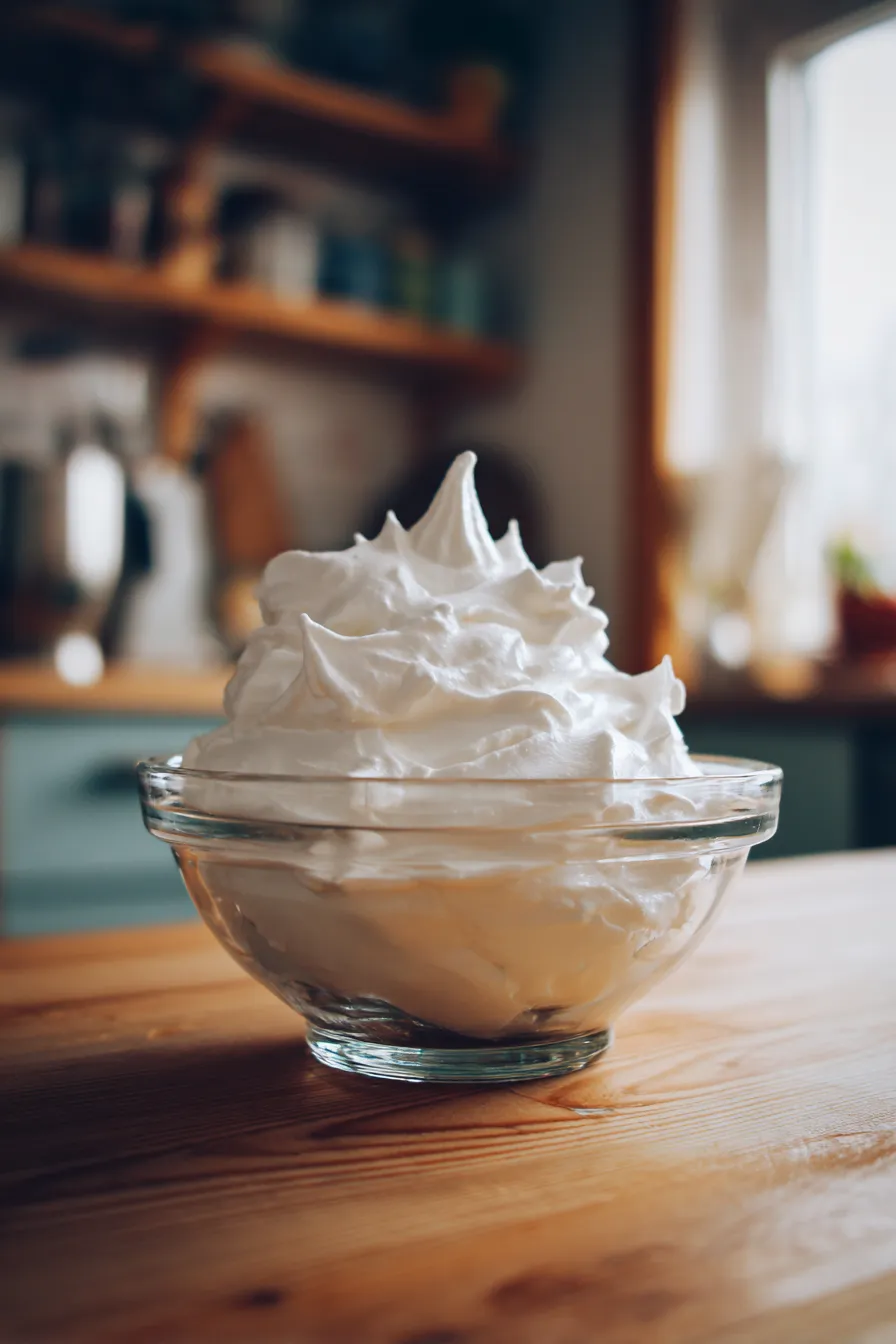
Before we dive into the how-to, let’s understand why egg whites whip up in the first place. Egg whites are primarily water and proteins, specifically albumins. When you whisk, you’re introducing air into this mixture. The proteins then unfold and rearrange themselves, trapping the air bubbles and creating a network that gives structure to the whipped egg whites. Temperature, the presence of fat, and even the type of bowl you use all play a role in this process.
The stages of whipped egg whites (foamy, soft peaks, stiff peaks, and over-whipped) are all based on the amount of air incorporated and the structure of the protein network. Understanding these stages will help you achieve the perfect texture for your recipe. This knowledge is key to baking success!
One of the most important things to always remember when whipping egg whites is to keep everything clean and dry. Any trace of grease or fat will prevent the egg whites from whipping properly. This is because fat interferes with the proteins’ ability to unfold and trap air. This applies to your bowl, whisk, and any other equipment that comes into contact with the egg whites. For a deeper dive into the science, check out the information at Wikipedia.
Essential Tools and Ingredients
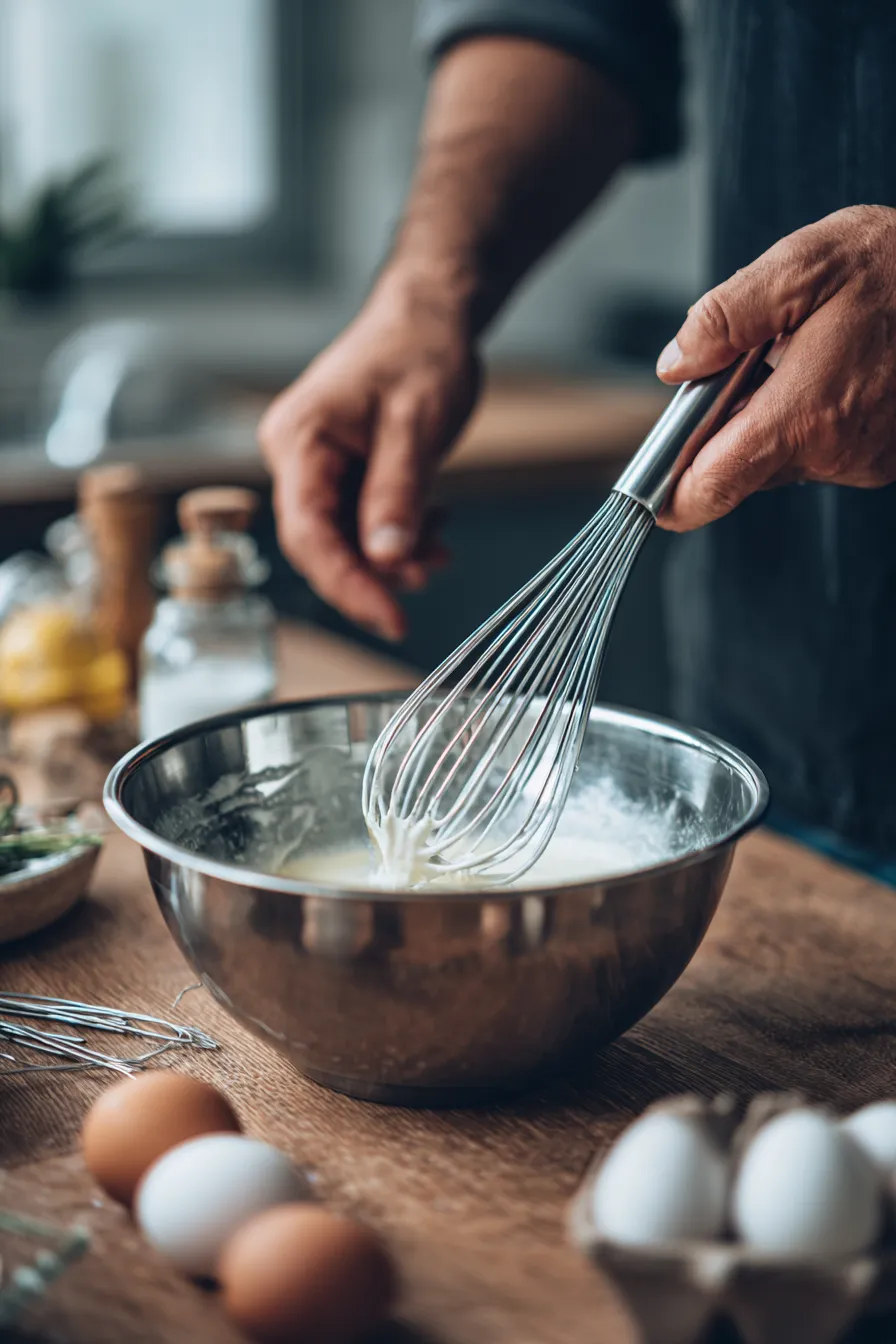
Having the right tools and ingredients is crucial for success. Here’s what you’ll need:
- Fresh Eggs: Fresh eggs whip up best. Older eggs tend to have weaker whites.
- Clean Bowl: Glass or stainless steel bowls are ideal. Avoid plastic, as it can retain grease.
- Whisk or Electric Mixer: A whisk is great for small quantities, but an electric mixer is your best friend for larger batches or when you need to whip for an extended period.
- Cream of Tartar (Optional): This stabilizes the egg whites and helps them hold their shape.
- Sugar: Granulated sugar is most common, but superfine sugar dissolves more easily.
Tips for Success:
- Room Temperature Eggs: Room temperature egg whites whip up to a greater volume than cold eggs. Separate your eggs while they are cold, and let them come to room temperature before whipping.
- Spotless Equipment: Make sure your bowl and whisk are impeccably clean and completely free of any grease or fat.
- Accurate Measurement: Precise measurements are key in baking, especially when working with egg whites.
Step-by-Step Guide to Whipping Egg Whites
Now, let’s get down to the nitty-gritty of whipping egg whites. Follow these steps for perfect results:
- Separate the Eggs: Crack your eggs one at a time into a small bowl, then carefully transfer the egg white to your clean mixing bowl, making sure no yolk gets in. Even a tiny bit of yolk can prevent the whites from whipping properly.
- Whip to Foamy Stage: Using a whisk or electric mixer, begin whipping the egg whites on medium speed. At first, they will appear foamy and bubbly.
- Add Cream of Tartar (Optional): Once the egg whites are foamy, add cream of tartar (if using). This helps stabilize the whites.
- Gradually Add Sugar: Once soft peaks begin to form, gradually add the sugar, a tablespoon or two at a time, while continuing to whip. This allows the sugar to dissolve properly and helps stabilize the egg whites. If you add the sugar all at once, it can deflate the egg whites.
- Continue Whipping to Stiff Peaks: Increase the speed of your mixer (if needed) and continue whipping until stiff peaks form. To check for stiff peaks, lift the whisk or beaters out of the egg whites. The peaks should stand straight up and hold their shape, with a slight curl at the tip. They should not be dry or grainy.
- Use Immediately: Once you’ve reached stiff peaks, use the egg whites immediately. They will start to deflate over time.
Understanding the Stages:
- Foamy: This is the starting point, with small bubbles forming.
- Soft Peaks: When you lift the whisk, the egg whites form peaks that flop over.
- Stiff Peaks: The peaks stand straight up and hold their shape.
- Over-Whipped: The egg whites look dry, curdled, and may even separate.
Troubleshooting Common Mistakes
Even with the best intentions, things can go wrong. Here’s how to troubleshoot common problems:
- Egg Whites Won’t Whip:
- Possible Cause: Presence of fat or yolk, dirty bowl or whisk, old eggs.
- Solution: Make sure your equipment is spotless, and use fresh eggs. Carefully re-separate the eggs, ensuring no yolk gets into the whites.
- Egg Whites Are Flat:
- Possible Cause: Overmixing, under-whipping, or adding sugar too quickly.
- Solution: Be careful not to over-whip. If the whites are under-whipped, continue mixing, but keep a close eye on them. Add sugar gradually.
- Egg Whites Are Grainy:
- Possible Cause: Over-whipping.
- Solution: Stop mixing as soon as stiff peaks form. Incorporate the egg whites gently into your recipe.
- Egg Whites Have Separated:
- Possible Cause: Over-whipping or adding sugar too early.
- Solution: Unfortunately, separated egg whites are difficult to salvage. Start again with fresh egg whites.
Recipes That Showcase Whipped Egg Whites
Once you’ve mastered whipping egg whites, you can create a wide array of delicious desserts. Here are a few ideas to get you started:
- Meringues: Classic, crisp, and chewy, meringues are the perfect showcase for perfect egg whites.
- Soufflés: The airy texture of a soufflé is entirely dependent on well-whipped egg whites.
- Angel Food Cake: This light and fluffy cake gets its airy texture from whipped egg whites.
- Macarons: These delicate French cookies require precise whipping for the perfect texture.
- Mousses: Egg whites can add lightness and body to chocolate or fruit mousses.
Tips for Recipe Success:
- Follow the Recipe: Baking is a science, so follow the recipe instructions carefully, especially when it comes to whipping egg whites.
- Gentle Folding: When incorporating whipped egg whites into other ingredients, fold gently to preserve the air.
- Bake at the Right Temperature: Over-baking can dry out your desserts, while under-baking can result in a collapsed structure.
Tips and Tricks for Baking Success
Here are some additional tips and tricks to help you achieve baking perfection:
- Use a Kitchen Scale: For the most accurate results, weigh your ingredients, especially flour and sugar.
- Read the Recipe Thoroughly: Before you begin, read the entire recipe to understand the steps and ingredients.
- Prepare Your Ingredients: “Mise en place” (everything in its place) is key. Measure out all your ingredients before you start.
- Don’t Open the Oven Door: Avoid opening the oven door while baking, as it can cause a sudden temperature drop and deflate your baked goods.
- Practice Makes Perfect: Don’t be discouraged if your first attempt isn’t perfect. Keep practicing, and you’ll improve with each try!
Storage and Handling of Whipped Egg Whites
Once whipped, egg whites are best used immediately. However, you can store them for a short time. Here’s how:
- Refrigeration: Whipped egg whites can be stored in an airtight container in the refrigerator for up to 2 hours. After that, they will start to lose volume and structure.
- Freezing: It is not recommended to freeze whipped egg whites, as the texture will change significantly upon thawing.
- Safety: Always use pasteurized eggs if consuming raw or lightly cooked egg whites.
FAQ: Frequently Asked Questions About Whipped Egg Whites
Here are some common questions bakers have about whipping egg whites:
- Can I use a stand mixer instead of a hand mixer? Absolutely! A stand mixer is ideal for whipping egg whites, especially when making large quantities. It frees up your hands and allows you to walk away for a moment. Just be sure to watch the egg whites closely to avoid over-whipping.
- What is the purpose of cream of tartar? Cream of tartar is an acid that helps stabilize egg whites, making them more resistant to over-whipping and helping them hold their shape better. It also helps to create a finer texture in meringues.
- Can I substitute other types of sugar for granulated sugar? You can use superfine sugar, which dissolves more easily. However, avoid using powdered sugar, as it contains cornstarch, which can affect the texture of your final product.
- How do I know if I’ve over-whipped my egg whites? Over-whipped egg whites will appear dry, curdled, and may even separate. They will also lose their volume and not be as fluffy. If you’ve over-whipped, unfortunately, they’re difficult to salvage.
- What if some yolk gets into the egg whites? Even a tiny bit of yolk can prevent the egg whites from whipping properly. The fat in the yolk interferes with the protein structure. If you get any yolk in the whites, it’s best to start over with fresh eggs.
Mastering the art of whipping egg whites is a rewarding experience that opens up a world of baking possibilities. With practice, you’ll be creating light, airy, and delicious desserts that will impress everyone. So, gather your ingredients, follow the steps, and enjoy the process. Happy baking!


3 thoughts on “How to Whip Egg Whites to Stiff Peaks”