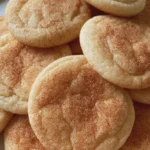
These classic snickerdoodles are a delightful cinnamon-sugar cookie, perfect for any occasion with their chewy centers and slightly crisp edges. They are incredibly easy to make from scratch, offering a comforting and familiar taste that brings smiles to everyone’s faces.
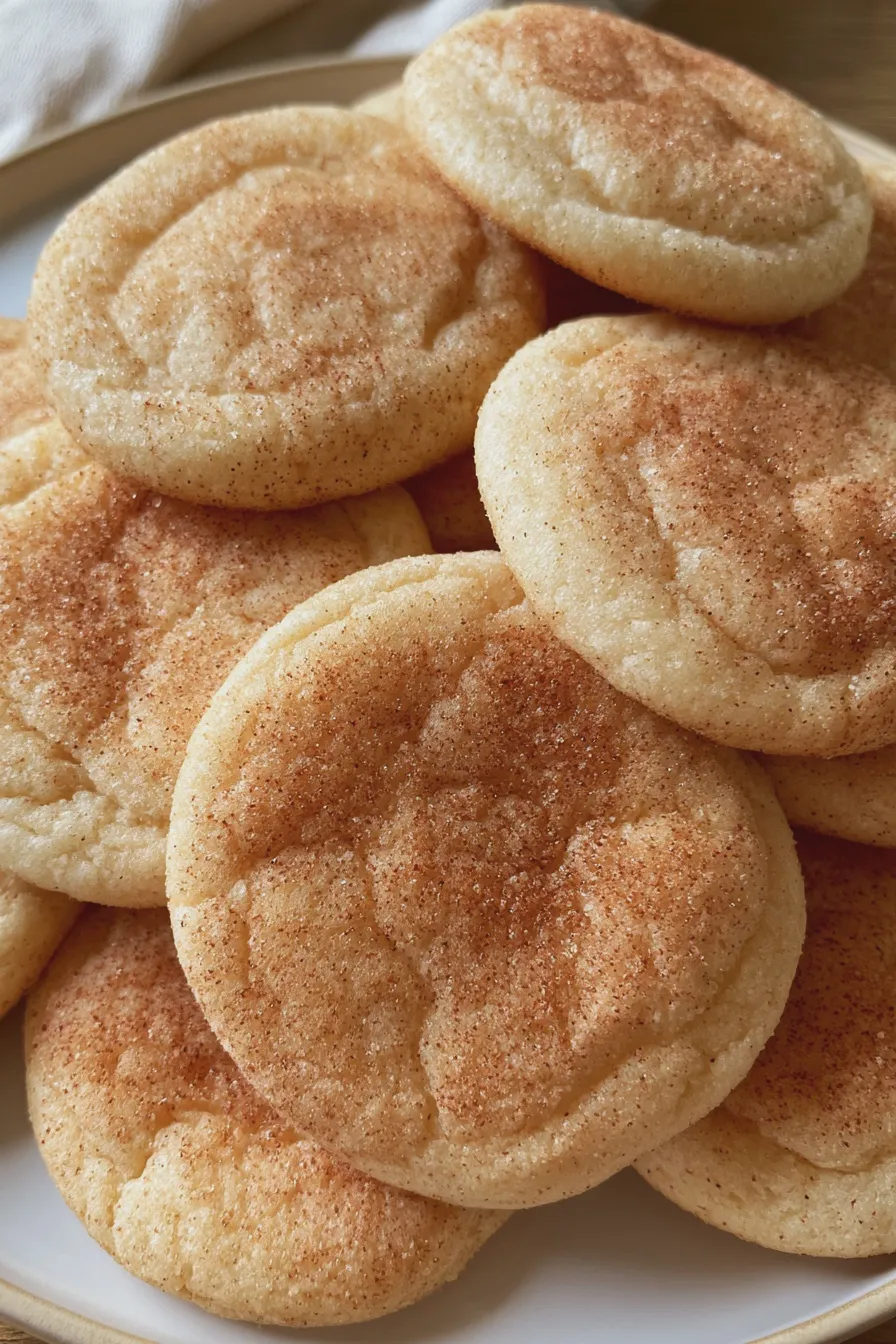
There’s something truly special about a homemade cookie, especially one as beloved as the snickerdoodle. This recipe captures that nostalgic charm, delivering a batch of tender, chewy cookies bursting with cinnamon flavor. Get ready to fill your kitchen with the irresistible aroma of these delightful treats.
What Are Snickerdoodles?
Snickerdoodles are a type of cookie characterized by their distinctive tangy flavor and a generous coating of cinnamon sugar. Unlike a plain sugar cookie, the magic ingredient that gives them their signature taste and texture is cream of tartar, which reacts with baking soda to create a wonderfully soft and chewy cookie. This classic cookie is a favorite for many, and this snickerdoodle cookie recipe is sure to become a staple in your baking repertoire.
The origin of the snickerdoodle name is a bit fuzzy, with some believing it comes from the German word “schneckennudel,” meaning snail noodle, due to its swirled appearance. Regardless of its etymology, this cookie has become an American classic, beloved for its comforting taste and simple elegance. They are often considered quintessential holiday cookies, but their appeal extends far beyond the festive season.
Snickerdoodle Ingredients
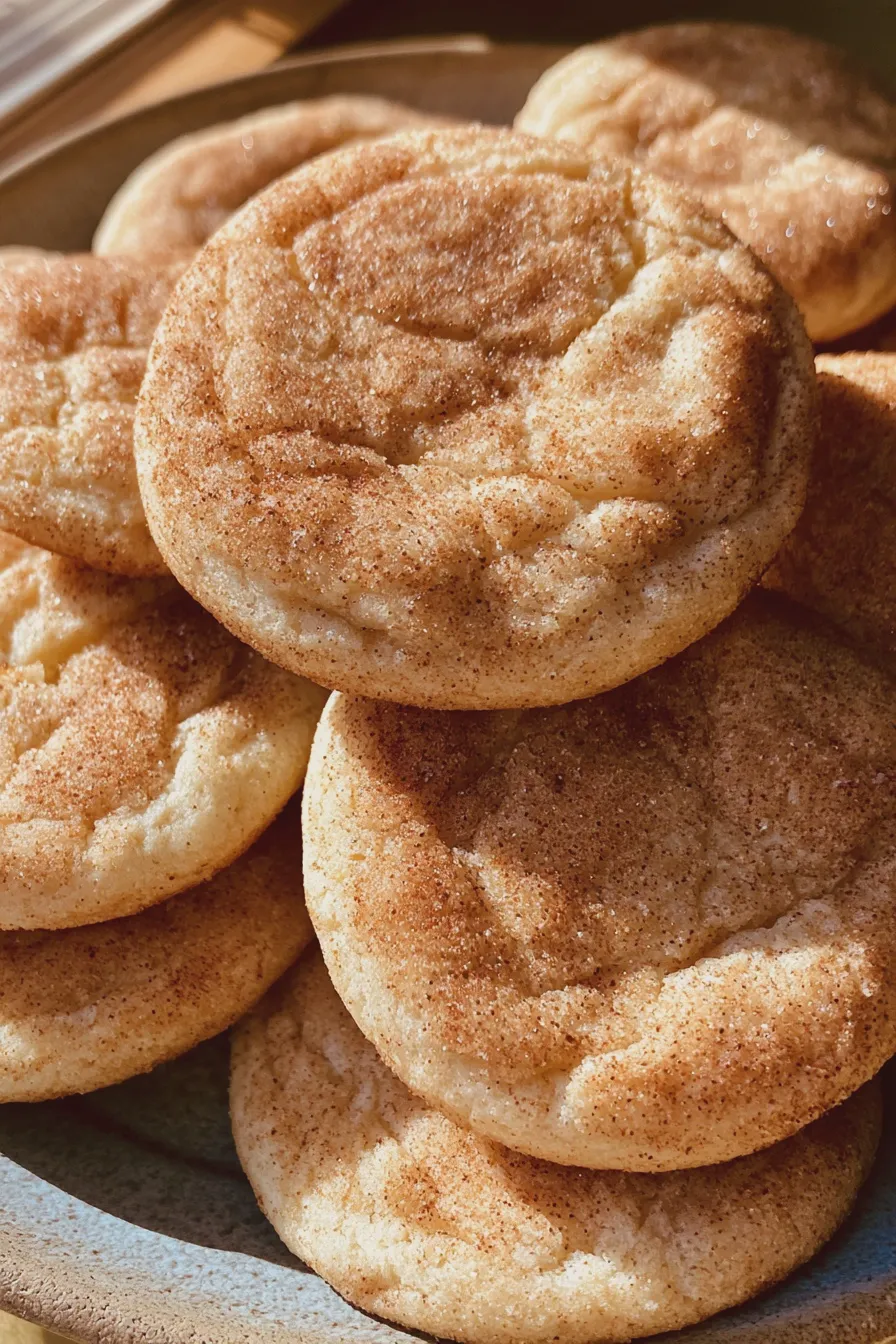
Gathering the right ingredients is the first step to baking perfect snickerdoodles. This recipe uses common pantry staples, making it accessible for any home baker. You’ll find that most of these ingredients are likely already in your kitchen, ready to be transformed into delicious cookies.
- 1 cup (2 sticks) unsalted butter, softened
- 1 ½ cups granulated sugar, divided
- 2 large eggs
- 1 teaspoon vanilla extract
- 2 ¾ cups all-purpose flour
- 1 teaspoon cream of tartar
- ½ teaspoon baking soda
- ¼ teaspoon salt
- 2 tablespoons ground cinnamon (for coating)
For the cinnamon-sugar coating, you’ll need an additional ½ cup of granulated sugar mixed with 2 tablespoons of ground cinnamon. This simple mixture is key to achieving that iconic snickerdoodle flavor and appearance. If you find yourself out of cream of tartar, you can substitute it with an equal amount of baking powder, though the texture might be slightly different, less chewy and more cake-like. For those looking for specialty cookies with a unique twist, exploring variations of this classic is always fun.
How to Make Snickerdoodles
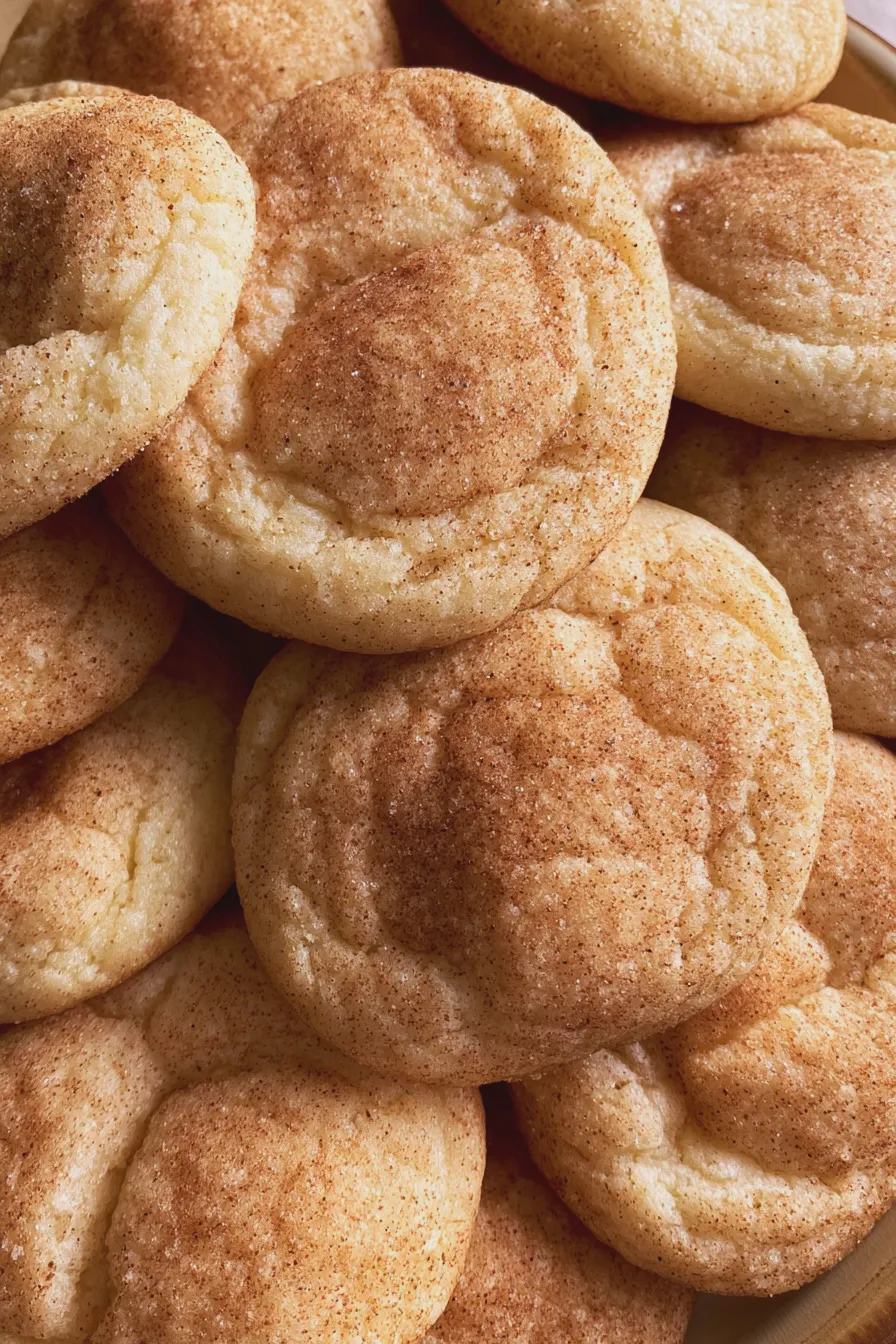
Creating these delightful cookies is a straightforward process, perfect for bakers of all skill levels. Following these steps carefully will ensure your snickerdoodles turn out beautifully, with that signature chewiness and burst of cinnamon flavor.
Cream the Butter and Sugar
In a large bowl, cream together the softened butter and 1 cup of granulated sugar until light and fluffy. This process incorporates air into the dough, which is crucial for a tender cookie texture. Be sure to scrape down the sides of the bowl occasionally to ensure everything is evenly mixed.
Add Eggs and Vanilla
Beat in the eggs one at a time, followed by the vanilla extract, mixing well after each addition. Adding the eggs gradually helps to emulsify the mixture, creating a smooth and cohesive base for your cookie dough. Overmixing at this stage can lead to tougher cookies, so mix just until combined.
Combine Dry Ingredients
In a separate medium bowl, whisk together the flour, cream of tartar, baking soda, and salt. This ensures that the leavening agents and salt are evenly distributed throughout the flour, preventing pockets of bitterness or uneven rising. Properly combining your dry ingredients is a small step that makes a big difference in the final cookie.
Mix Dough Together
Gradually add the dry ingredients to the wet ingredients, mixing on low speed until just combined. Avoid overmixing the dough once the flour is added, as this can develop the gluten too much and result in tough cookies. The dough should be soft but not overly sticky.
Prepare Cinnamon Sugar Coating
In a shallow dish or bowl, combine the remaining ½ cup of granulated sugar with the 2 tablespoons of ground cinnamon. Stir well to ensure the cinnamon is evenly distributed throughout the sugar. This mixture is what gives snickerdoodles their characteristic flavor and beautiful speckled appearance.
Shape and Coat the Cookies
Roll rounded tablespoons of the cookie dough into balls. Then, roll each ball generously in the cinnamon-sugar mixture, ensuring it’s fully coated. This step is essential for achieving that classic snickerdoodle crust and intense cinnamon flavor.
Chill the Dough (Optional but Recommended)
For best results and to prevent excessive spreading, chill the coated cookie dough balls in the refrigerator for at least 30 minutes. This allows the butter to firm up, leading to thicker, chewier cookies. If you’re in a hurry, you can skip this step, but your cookies may spread more.
Bake the Snickerdoodles
Preheat your oven to 375°F (190°C) and line baking sheets with parchment paper. Place the chilled cookie dough balls about 2 inches apart on the prepared baking sheets. Bake for 9-12 minutes, or until the edges are lightly golden and the centers still look slightly soft. They will continue to set as they cool.
Cool and Enjoy
Let the cookies cool on the baking sheets for a few minutes before transferring them to a wire rack to cool completely. This allows them to firm up properly without breaking. Enjoy these delicious homemade cookies warm or at room temperature.
Tips for Perfect Snickerdoodles
Achieving that perfect chewy texture and balanced cinnamon flavor in your snickerdoodles is all about a few key techniques and ingredient considerations. By paying attention to these details, you can elevate your baking and ensure consistently delicious results every time you make these classic cookies.
Don’t Overmix the Dough
Overmixing the flour into the dough can develop the gluten too much, leading to tough and cakey cookies rather than the desired chewy texture. Mix only until the ingredients are just combined, and stop as soon as you no longer see streaks of flour. This is a common pitfall, but easily avoided with mindful mixing.
Creaming is Key
Properly creaming the butter and sugar until light and fluffy is essential for creating a tender cookie. This process incorporates air, which contributes to both the texture and the rise of the cookie. Ensure your butter is softened, not melted, for the best creaming results.
The Role of Cream of Tartar
Cream of tartar is what gives snickerdoodles their characteristic slight tang and chewy texture by reacting with baking soda. If you omit it, your cookies will spread more and have a different, less complex flavor profile. While you can substitute it with baking powder, the texture will be more like a sugar cookie. For those who love classic flavors, exploring recipes like German Chocolate Cake can offer a different kind of nostalgic joy.
Don’t Overbake
Pulling your cookies out of the oven when the edges are just golden and the centers still look slightly underbaked is crucial for chewy snickerdoodles. The residual heat will continue to cook them on the baking sheet, ensuring they are soft in the middle. Overbaked cookies will be dry and crumbly.
Storage and Serving Ideas
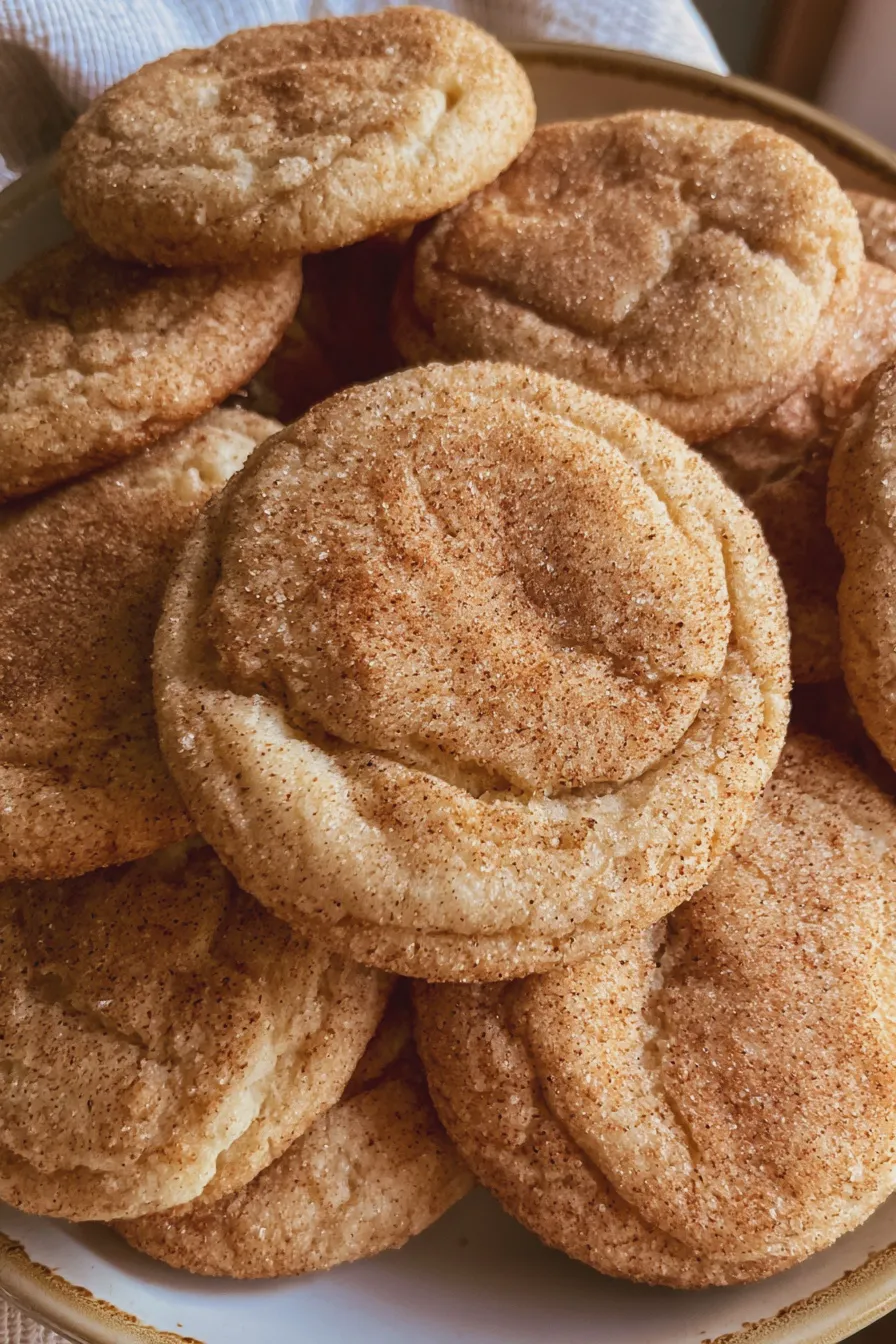
Once your delicious snickerdoodles are baked, you’ll want to store them properly to maintain their freshness and delightful texture. These cookies are versatile and can be enjoyed in many ways, making them a go-to treat for any occasion.
Storing Your Snickerdoodles
Store cooled snickerdoodles in an airtight container at room temperature for up to 3-4 days. Adding a slice of bread to the container can help keep them soft and chewy. For longer storage, you can freeze baked cookies in a freezer-safe bag for up to 3 months; simply thaw them at room temperature.
Serving Suggestions
Snickerdoodles are wonderful on their own with a glass of cold milk, making them a perfect after-school treat or simple dessert. They also pair beautifully with a cup of coffee or tea, making them an ideal accompaniment to your morning routine or an afternoon break. For a more elaborate dessert, consider using them as a base for other creations, perhaps crumbled over ice cream or incorporated into a trifle, much like how you might use pieces of chocolate eclair cake.
Print