What is Rhubarb Curd?
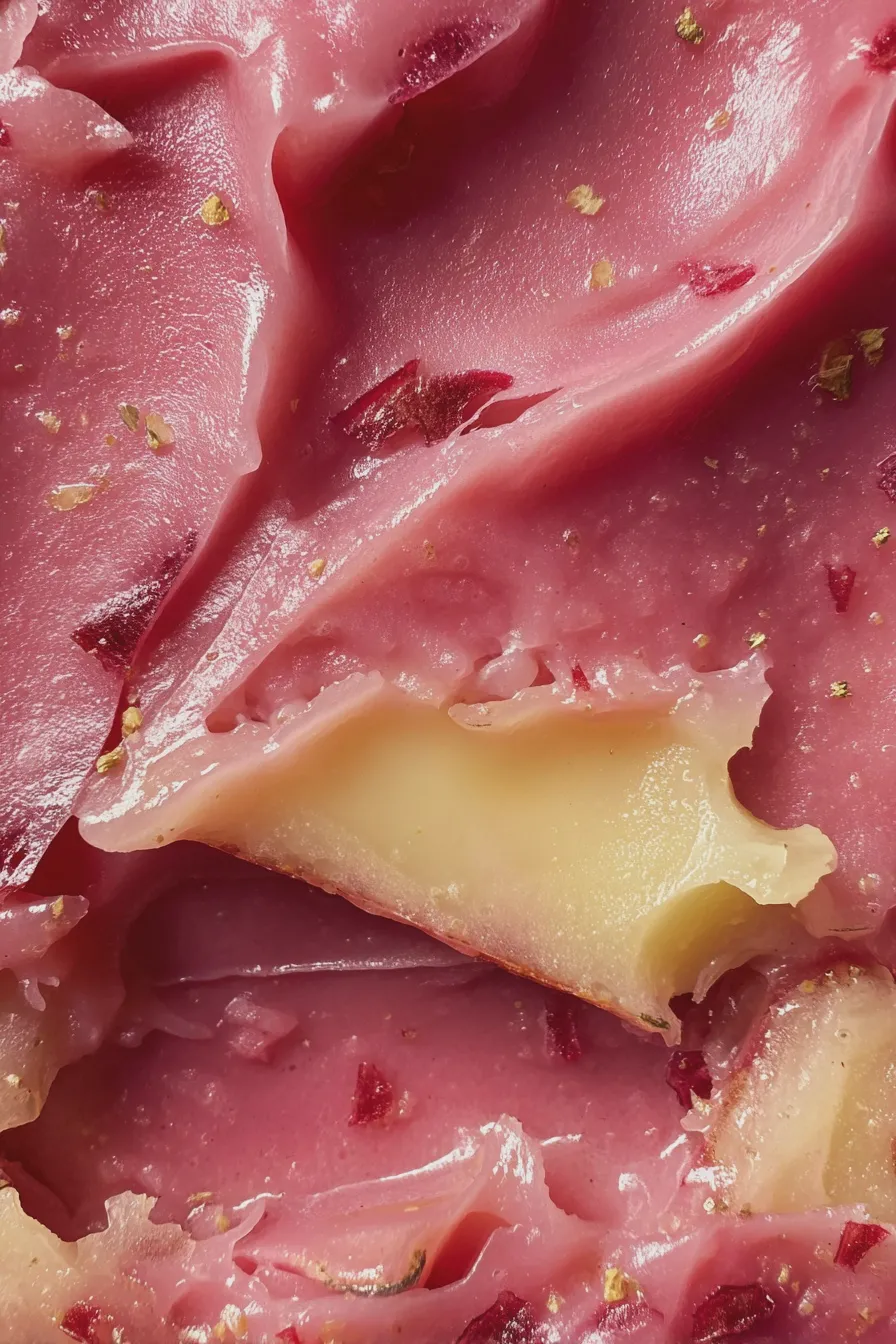
Rhubarb curd is a fruit spread, similar to lemon curd, but made with rhubarb. It’s a delightful combination of sweet and tart flavors with a smooth, velvety texture. You can enjoy it on toast, scones, or as a filling for cakes and tarts. For more dessert inspiration, check out various rhubarb recipes.The Ingredients You’ll Need
The beauty of this rhubarb curd recipe easy is its simplicity and the few ingredients required. You likely have most of these in your kitchen already!- Rhubarb: 1.5 pounds, trimmed and chopped
- Granulated sugar: 1 cup
- Unsalted butter: 6 tablespoons, cut into pieces
- Eggs: 3 large
- Egg yolks: 2 large
- Lemon juice: 2 tablespoons (freshly squeezed is best)
- Pinch of salt
Ingredient Notes and Substitutions
Let’s discuss a few ingredient considerations to make your rhubarb curd perfect. You can also experiment with rhubarb curd variations to suit your taste.Rhubarb: Fresh rhubarb is ideal for this recipe. If you only have frozen rhubarb, thaw it completely and drain any excess liquid before using. Sugar: Granulated sugar provides the best balance of sweetness. You could experiment with a different type of sugar, but the texture might change. Butter: Unsalted butter allows you to control the saltiness of the curd. You can use salted butter, but reduce the added salt. Eggs: The eggs and egg yolks give the curd its rich, creamy texture. Avoid using egg substitutes, as they will alter the texture and flavor. Lemon Juice: Freshly squeezed lemon juice brightens the flavor. You can also add a teaspoon of lemon zest for extra flavor.How to Make Rhubarb Curd
Preparing the Rhubarb
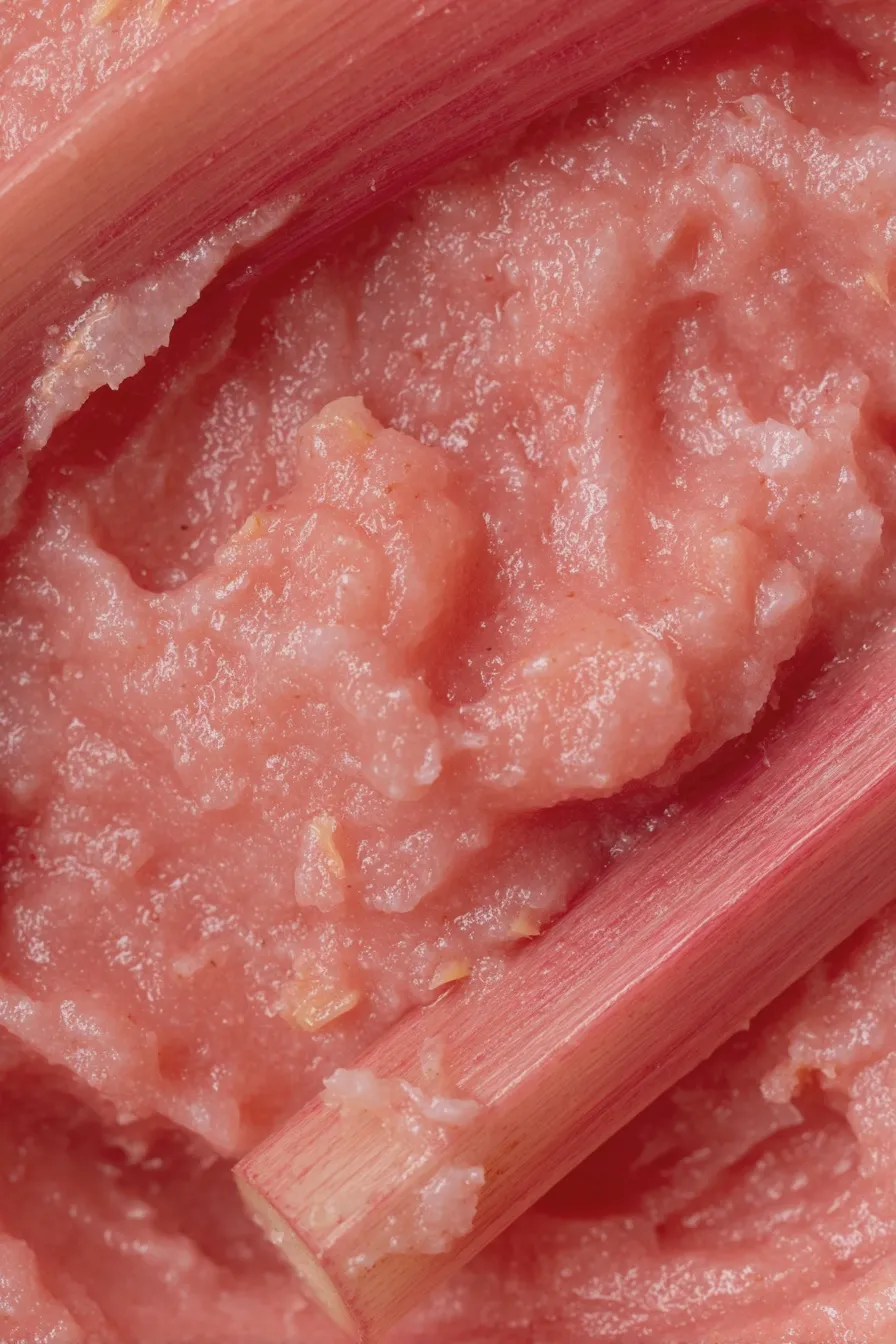
First, you’ll prepare the rhubarb for cooking. Proper preparation ensures the best flavor and texture in your finished curd.Chop the rhubarb into small, even pieces, about ½ inch in size. Place the chopped rhubarb in a saucepan with the sugar. Cooking the rhubarb with sugar helps to extract the juices and soften it effectively.Cooking the Rhubarb Mixture
Gently cook the rhubarb and sugar until the rhubarb softens. This step is crucial for developing the curd’s flavor.Cook over medium heat, stirring occasionally, until the rhubarb breaks down and becomes soft, about 10–15 minutes. The mixture should be bubbling gently.Straining the Rhubarb
Straining the rhubarb removes any stringy bits, creating a silky-smooth curd. This step is key to achieving a perfect texture.Strain the cooked rhubarb through a fine-mesh sieve into a clean bowl. Press on the solids with the back of a spoon to extract as much liquid as possible.Adding the Remaining Ingredients
Now, mix in the remaining ingredients to create the curd’s rich texture and flavor. This is where the magic happens!Whisk the eggs, egg yolks, lemon juice, and salt into the strained rhubarb juice. Make sure everything is well combined before the next step.Cooking the Curd
This step involves cooking the mixture until it thickens. Patience is key for a smooth, creamy curd.Pour the mixture back into the saucepan and cook over low heat, stirring constantly with a whisk or heat-resistant spatula. Continue stirring until the curd thickens enough to coat the back of a spoon, about 5–8 minutes.Adding the Butter
Butter adds richness and a beautiful sheen to the curd. Proper incorporation is essential for the perfect texture.Remove the saucepan from the heat and add the butter pieces, one at a time, whisking until each piece is fully melted and incorporated. The curd should look smooth and glossy.Straining and Cooling the Curd
Straining the curd again ensures a perfectly smooth texture. Cooling properly also helps the curd set.Strain the curd through a fine-mesh sieve into a clean bowl. This removes any tiny bits that might have remained. Then, press plastic wrap directly onto the surface of the curd to prevent a skin from forming as it cools.Chilling and Storing
Proper chilling and storage are essential for preserving the curd’s flavor and texture. This allows the curd to set completely.Refrigerate the curd for at least 2 hours, or preferably overnight, to allow it to fully set. Store the curd in an airtight container in the refrigerator for up to a week.Serving and Using Rhubarb Curd
Serving Suggestions
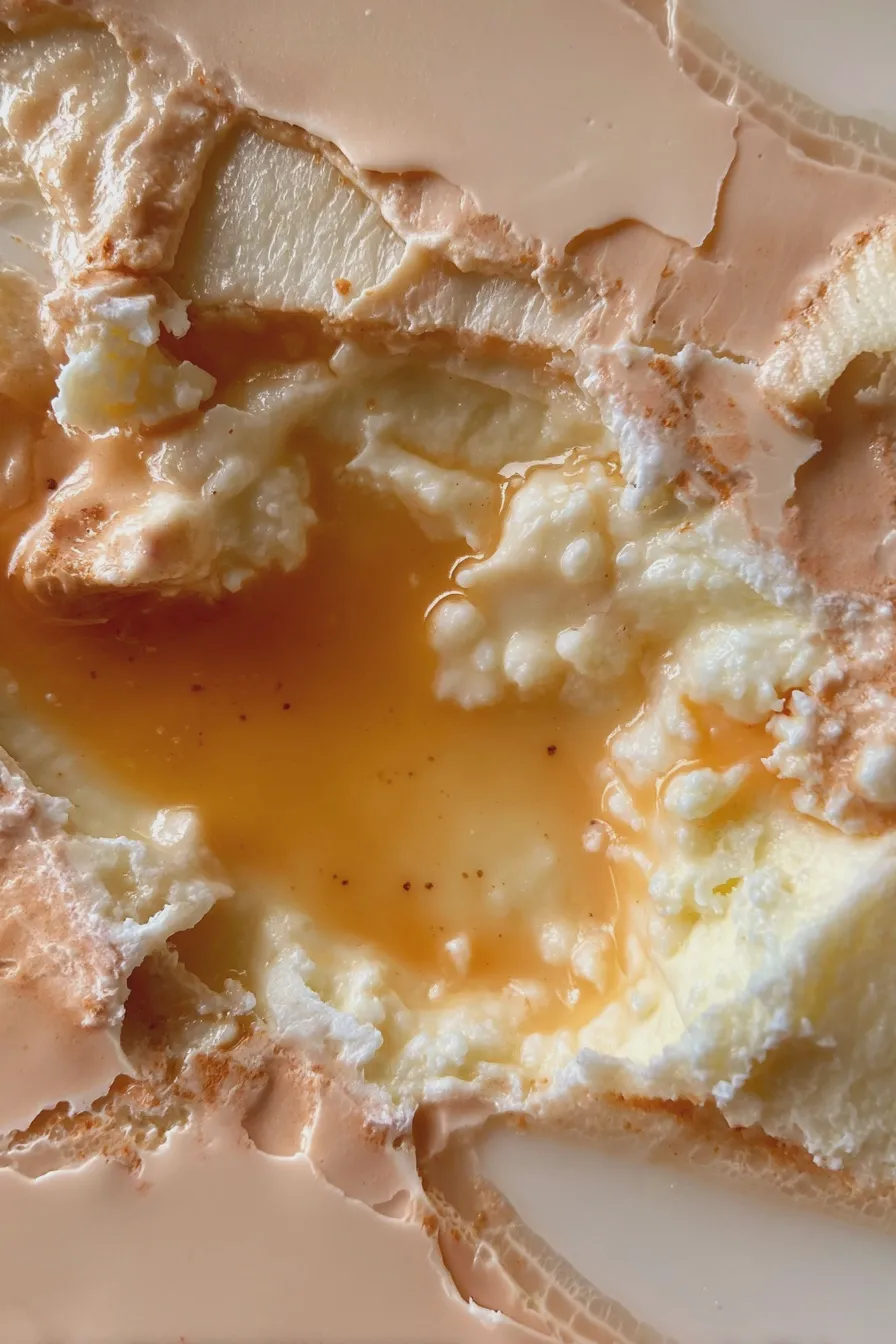
There are endless ways to enjoy this tangy treat. Here are a few ideas to get you started!Spread it on toast or scones for a simple breakfast or snack. You can also use it as a filling for cakes, tarts, and pastries. It’s also delicious swirled into yogurt or served with fresh fruit.Rhubarb Curd Dessert Ideas
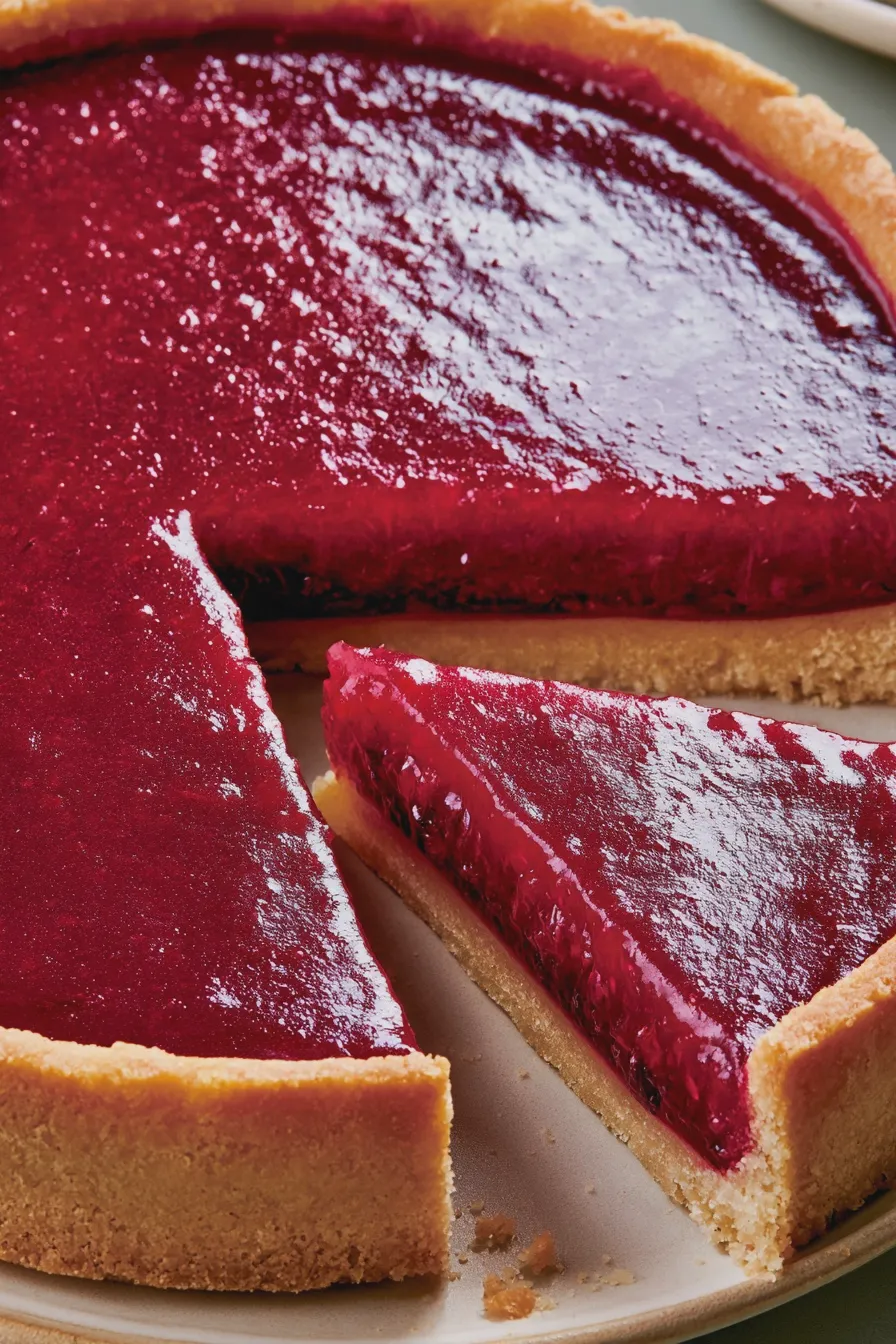
This rhubarb curd filling is the perfect addition to many desserts. Here are some of our favorites.Use it as a filling for a rhubarb curd tart, layered between the crust and a meringue topping. You can also swirl it into your favorite cheesecake recipe or use it as a topping for pancakes or waffles. Consider using it in a traditional trifle, layered with ladyfingers and whipped cream.Flavor Pairings
Rhubarb pairs well with many flavors, allowing for exciting culinary creations. Experiment with different combinations to find your favorite.Try pairing it with ginger for a warm, spicy contrast. Vanilla, lemon, and orange also complement rhubarb nicely. You can add a touch of cinnamon or nutmeg for a cozy flavor. Add a rhubarb curd and ginger combo to your next batch of cookies.Make-Ahead and Storage Tips
Here’s how to plan ahead for this delicious treat and keep it fresh. Proper storage ensures you can enjoy your curd for days.Make the curd up to a week in advance and store it in the refrigerator in an airtight container. The curd can also be frozen for up to 2 months. To freeze, place it in a freezer-safe container.Troubleshooting Common Problems
Curd is Too Thin
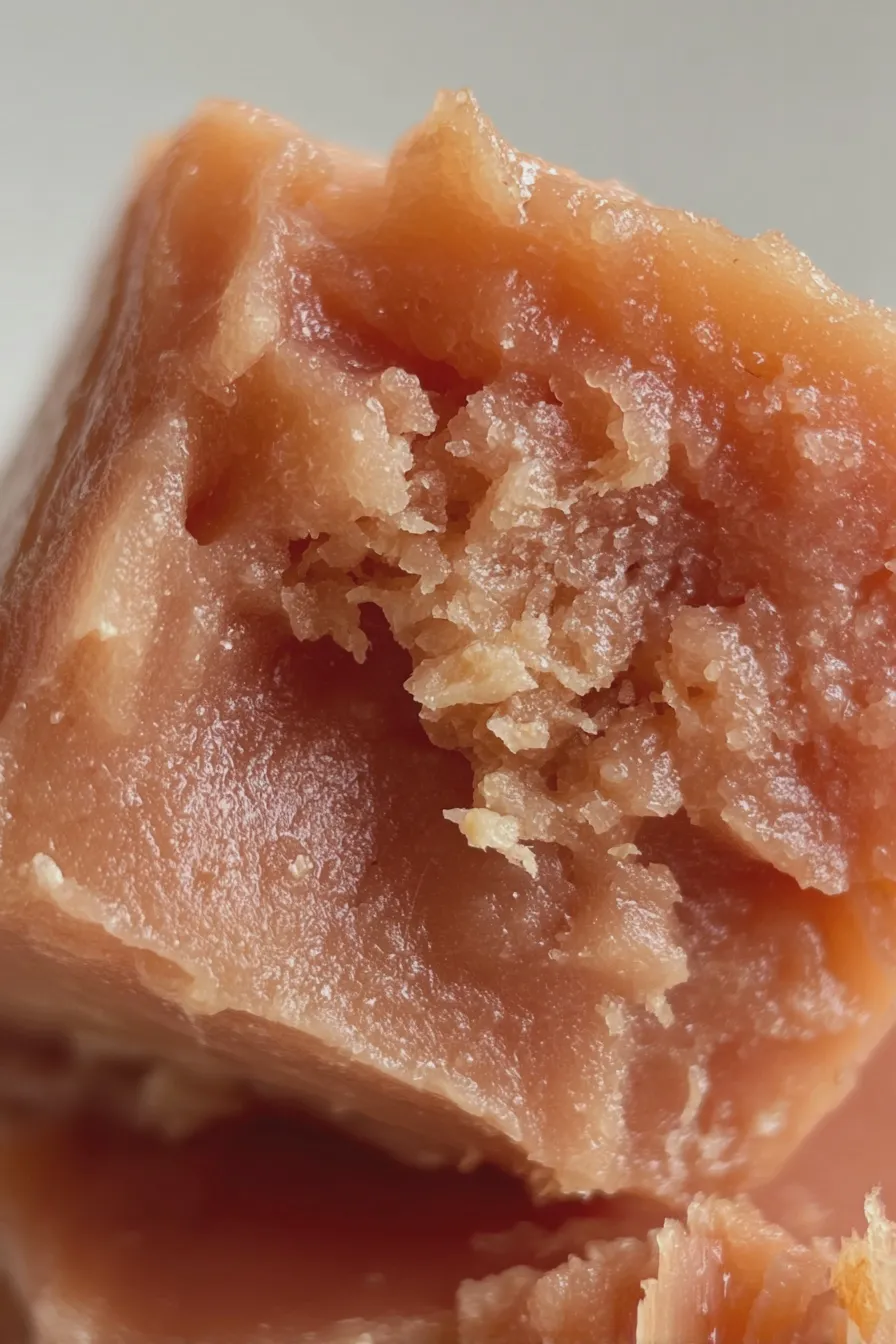
If your curd is too thin, it may not have cooked long enough. Here’s what to do.Return the curd to the saucepan and cook over low heat, stirring constantly, until it thickens to the desired consistency. Be careful not to overheat it, or the eggs may curdle.Curd is Lumpy
Lumpy curd can happen if the eggs cook too quickly. Here’s how to fix it!Strain the curd through a fine-mesh sieve to remove the lumps. You can also use an immersion blender to smooth it out. Be careful not to over-blend.Curd is Too Sweet or Too Tart
Adjusting the sweetness or tartness is easy; taste and adjust as needed. You are in control!If the curd is too sweet, add a squeeze of lemon juice. If it’s too tart, add a teaspoon of sugar at a time until the desired balance is achieved. Experimenting with sweetness is similar to deciding whether to use brown sugar or white sugar in your baking. Print
rhubarb curd Recipe
- Total Time: PT35M
- Yield: About 2 cups 1x
- Diet: Vegetarian
Description
Learn how to make a vibrant and tangy Rhubarb Curd, perfect for spreading on scones, filling tarts, or enjoying straight from the jar. This recipe captures the essence of spring with its bright flavor and smooth texture.
Ingredients
Scale
- 1 pound fresh rhubarb, trimmed and chopped
- 1 cup granulated sugar
- 1/4 cup unsalted butter, cut into small pieces
- 3 large eggs
- 1/4 cup fresh lemon juice
- Pinch of salt
Instructions
- In a saucepan, combine the chopped rhubarb and sugar. Cook over medium heat, stirring occasionally, until the rhubarb softens and releases its juices, about 8-10 minutes.
- Remove from heat and let cool slightly.
- In a separate bowl, whisk together the eggs, lemon juice, and salt.
- Strain the rhubarb mixture through a fine-mesh sieve into the egg mixture, discarding the solids.
- Return the mixture to the saucepan. Add the butter pieces.
- Cook over low heat, stirring constantly with a whisk, until the curd thickens and coats the back of a spoon, about 5-7 minutes. Be careful not to let it boil.
- Remove from heat and pour the curd into a clean jar or container.
- Let it cool completely. The curd will continue to thicken as it cools.
- Store in the refrigerator for up to a week.
Notes
- For a smoother curd, strain the rhubarb mixture through a finer sieve or cheesecloth.
- The cooking time may vary depending on your stove and the size of your saucepan. Keep a close eye on the curd to prevent it from curdling.
- Rhubarb curd is delicious on scones, toast, or as a filling for cakes and tarts.
- Prep Time: PT15M
- Cook Time: PT20M
- Category: Desserts
- Method: Stovetop
- Cuisine: British
Nutrition
- Serving Size: 2 tablespoons
- Calories: 110
- Sugar: 15g
- Fat: 6g
- Carbohydrates: 13g