Delight in the delicate floral essence of Lavender Cookies, a treat that marries the comforting familiarity of a classic cookie with the unique, aromatic touch of lavender. These cookies are perfect for a spring tea party, a special gift, or simply a moment of self-indulgence. The subtle floral notes make them an elegant choice for any occasion, offering a sophisticated twist on your usual sweet treats.
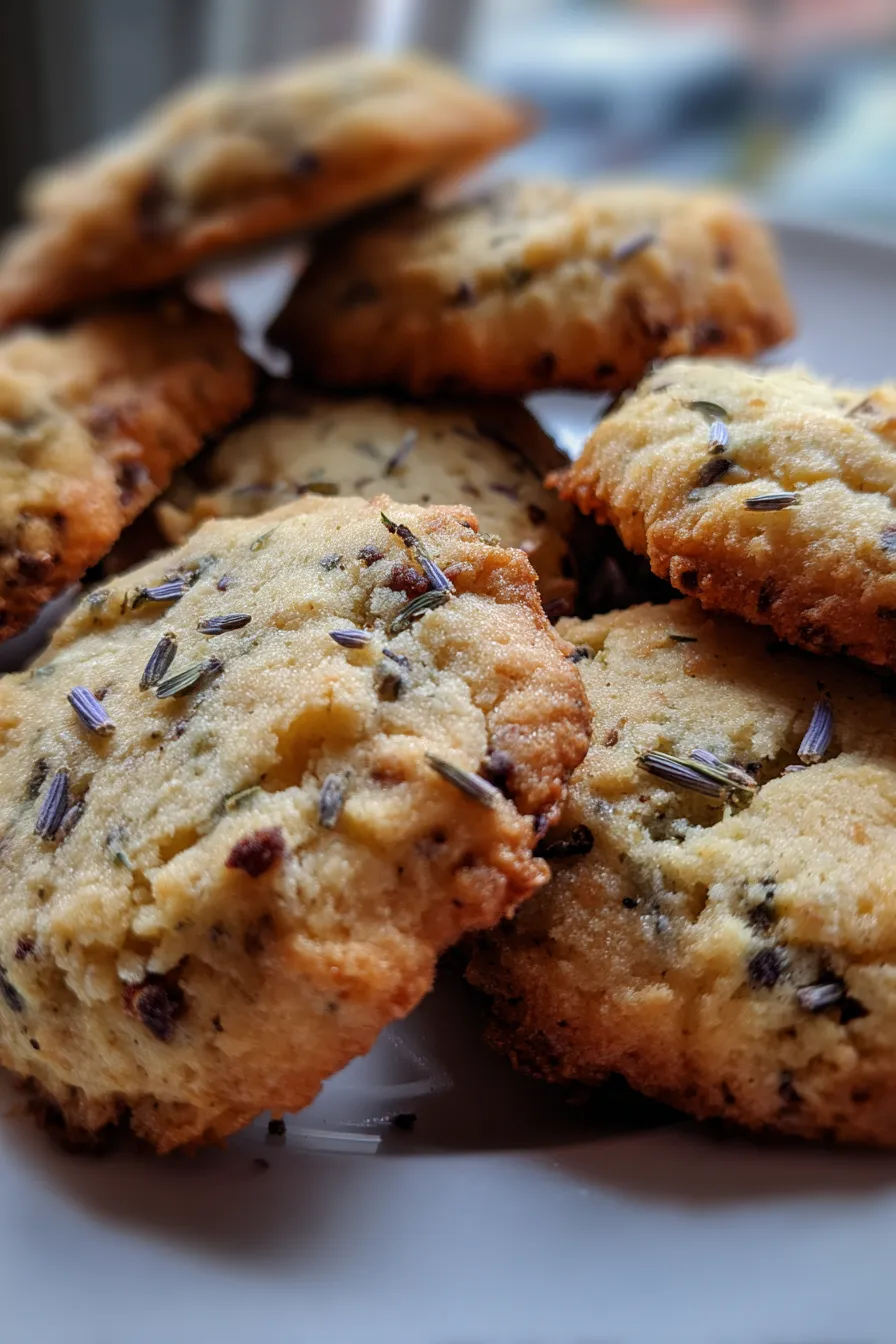
Whether you’re an experienced baker or just starting, this recipe for Lavender Cookies is designed to be both accessible and impressive. The combination of buttery richness and the soothing fragrance of lavender creates a truly unforgettable experience. Imagine the joy of biting into a cookie that’s both familiar and exciting, a perfect balance of flavors and textures. Learn how to make these delightful cookies today, and elevate your baking repertoire!
The best part about making cookies is the joy of sharing them. These cookies are wonderful for sharing with friends and family. They also pair well with a cup of tea, making them a nice addition to your afternoon routine. If you’re looking for more cookie inspiration, you can always find more ideas at Food Network.
Understanding Lavender in Baking
The use of lavender in baking, particularly in a lavender cookie recipe, adds a unique dimension of flavor and aroma that can elevate a simple treat into something extraordinary. Lavender’s floral and slightly sweet notes complement a variety of flavors, making it a versatile ingredient. Understanding the nuances of using lavender is key to achieving the perfect balance in your cookies.
The type of lavender you use can significantly impact the final flavor. Culinary lavender, often labeled as such, is generally preferred because it has a more delicate and less soapy taste compared to varieties grown for ornamental purposes. Lavender buds are commonly used, as they release their flavor beautifully when baked. Lavender edible flowers can also be used for both flavor and decoration.
When incorporating lavender into your baking, it’s essential to use it judiciously. A little goes a long way, and too much can result in an overpowering, sometimes soapy, taste. Starting with a small amount and tasting as you go is always a good approach. You can incorporate lavender in various forms, such as by infusing it into sugar or butter, or using lavender extract cookies for a more concentrated flavor. Experimenting with different methods allows you to find your perfect balance of floral notes in your best lavender cookies.
Serious EatsChoosing the Right Lavender
Selecting the right type of lavender is crucial for the success of your lavender cookies. Culinary lavender varieties are specifically cultivated for their superior flavor profile. These types are often milder and less bitter than those grown for ornamental purposes. Look for culinary lavender buds, which are typically dried and ready to use in your baking. Make sure the lavender you choose is food-grade and free from pesticides or other treatments.
If you’re unsure where to find culinary lavender, check specialty food stores or online retailers. Avoid using lavender from a florist or garden center unless it is specifically labeled as food-safe. Fresh lavender sprigs can also be used, but the flavor is more potent. It’s often best to use fresh lavender in infusions, such as lavender simple syrup, or as a garnish rather than directly in the cookie dough to avoid a strong, sometimes overwhelming, flavor.
Consider the color and appearance of the lavender buds. High-quality lavender will retain its vibrant color and fragrant aroma even when dried. The buds should be intact and not overly dusty or broken. The aroma is a good indicator of flavor; a strong, pleasant scent suggests a good quality lavender. Always store your lavender in an airtight container away from direct sunlight to preserve its flavor and aroma.
Infusing Flavors: Lavender Butter and Sugar
Infusing butter and sugar with lavender is a fantastic way to impart a subtle, yet distinct, floral flavor to your lavender cookies. This method allows the lavender’s essence to be evenly distributed throughout the dough, resulting in a more balanced taste. Infused butter and sugar can be used in various recipes, from lavender shortbread cookies to lavender sugar cookies.
To make lavender-infused butter, gently heat unsalted butter over low heat. Add dried lavender buds, and let them infuse the butter for about 30 minutes, stirring occasionally. Be careful not to let the butter boil or brown. Strain the butter through a fine-mesh sieve to remove the lavender buds, and then allow the butter to cool and solidify before using it in your cookie recipe. This infused butter adds a delicate floral note that enhances the overall flavor of the cookies.
For lavender-infused sugar, combine granulated sugar with dried lavender buds in an airtight container. Let it sit for at least a week, shaking the container occasionally to redistribute the lavender. The longer the sugar sits, the more intense the lavender flavor will become. This infused sugar can be used in place of regular sugar in your cookie recipe, or sprinkled on top of the cookies before baking for a beautiful and flavorful finish. The infused sugar is also great for making lavender honey cookies.
How to Make Lavender Cookies
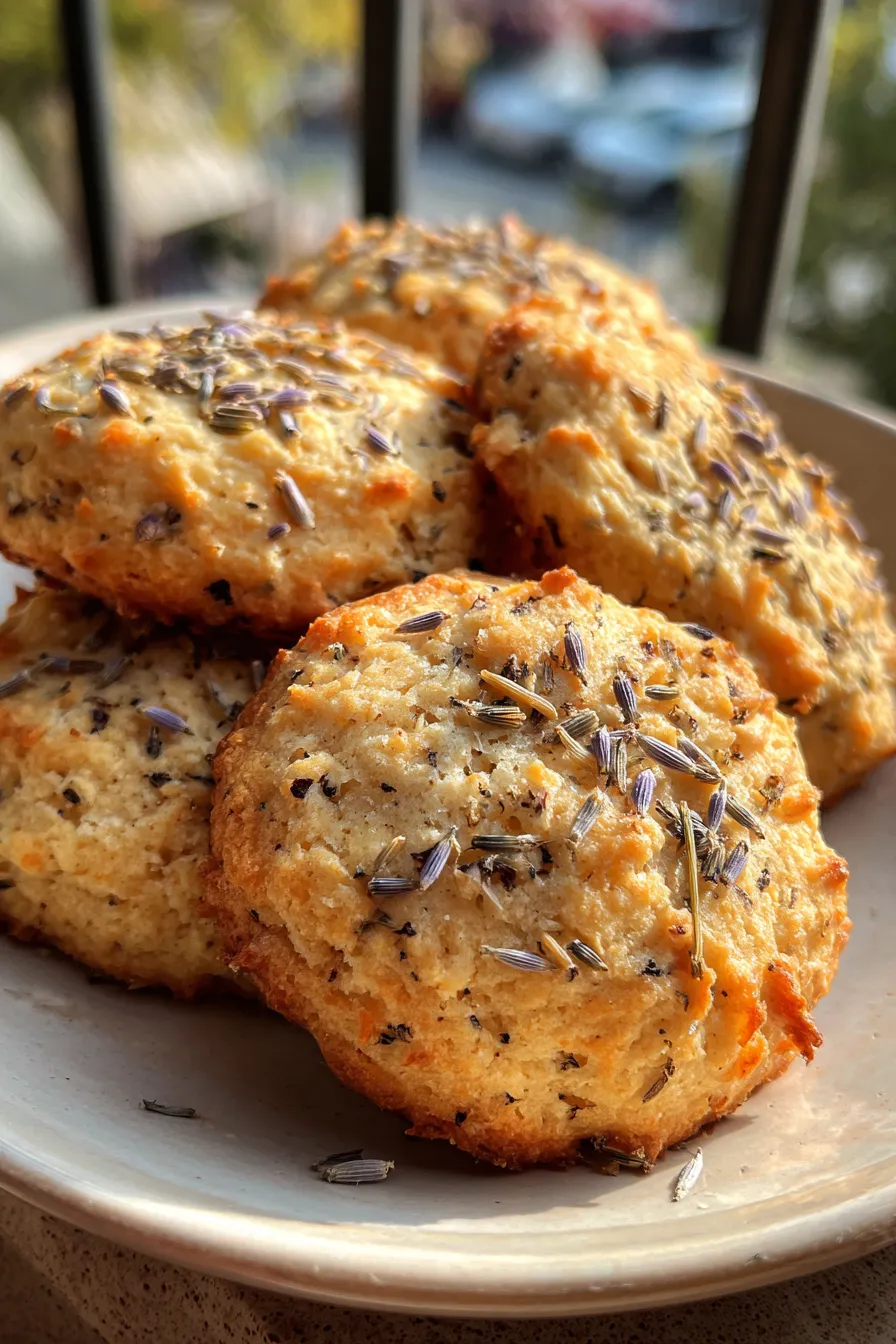
Creating delicious lavender cookies is a rewarding experience, and this lavender cookie recipe provides a clear and straightforward guide. The key is to start with quality ingredients and follow the steps carefully. From preparing the dough to baking and decorating, each step contributes to the final outcome. These cookies are a delightful treat that your family and friends will surely enjoy.
Ingredients You’ll Need
- 1 cup (2 sticks) unsalted butter, softened
- ¾ cup granulated sugar
- 1 teaspoon vanilla extract
- 1 tablespoon dried culinary lavender buds
- 2 ¼ cups all-purpose flour
- ½ teaspoon baking powder
- ¼ teaspoon salt
- Optional: Lavender sugar for dusting
Step-by-Step Instructions
Step 1: Prepare the Dough
In a large bowl, cream together the softened butter and granulated sugar until the mixture is light and fluffy. This step is crucial for achieving a good texture in your cookies. The creaming process incorporates air, which helps the cookies rise and become tender. You can use an electric mixer for this, or if you prefer a more hands-on approach, a whisk will work well too.
Once the butter and sugar are well combined, add the vanilla extract and dried culinary lavender buds. Mix well to ensure the lavender is evenly distributed throughout the dough. The lavender buds will infuse their flavor as they are mixed into the dough. This is the first step in creating your lavender infused cookies. If you want a deeper lavender flavor, consider adding a few drops of lavender extract cookies at this stage.
Step 2: Combine Dry Ingredients
In a separate bowl, whisk together the all-purpose flour, baking powder, and salt. This step ensures that the leavening agent, the baking powder, and salt are evenly distributed throughout the dough. This is important for a consistent rise and flavor in your cookies. Make sure to level the flour when measuring it; otherwise, the cookies may come out too dry.
Gradually add the dry ingredients to the wet ingredients, mixing on low speed until just combined. Be careful not to overmix, as this can develop the gluten in the flour and result in tough cookies. Overmixing can also cause the cookies to spread too thin during baking. If you are looking for a different texture, you can experiment with all-purpose flour vs cake flour.
Step 3: Chill the Dough
Shape the dough into a disc, wrap it in plastic wrap, and refrigerate for at least 30 minutes. Chilling the dough is an important step that allows the gluten in the flour to relax, resulting in a more tender cookie. It also helps the cookies hold their shape while baking. The chilling time also allows the flavors to meld together.
If you’re short on time, you can chill the dough for as little as 15 minutes, but longer chilling will yield better results. You can also make the dough a day ahead and chill it overnight. This is especially convenient if you are making cookies for a special occasion. For a slightly different flavor profile, you could also use lavender and lemon cookies.
Step 4: Bake the Cookies
Preheat your oven to 350°F (175°C). Line a baking sheet with parchment paper. This will prevent the cookies from sticking and make cleanup easier. Parchment paper also helps the cookies bake evenly. If you don’t have parchment paper, you can lightly grease the baking sheet.
Roll out the chilled dough on a lightly floured surface to about ¼ inch thickness. Use a cookie cutter to cut out shapes. Place the cookies on the prepared baking sheet, leaving some space between them. For a decorative touch, sprinkle some lavender sugar cookies on top before baking.
Step 5: Cool and Decorate
Bake for 8-10 minutes, or until the edges are lightly golden. Keep a close eye on the cookies, as baking times can vary depending on your oven. The cookies should be set but still slightly soft in the center. Overbaking will result in dry cookies.
Let the cookies cool on the baking sheet for a few minutes before transferring them to a wire rack to cool completely. Once the cookies are cooled, you can decorate them with a simple lavender cookie icing or enjoy them as is. These cookies are a perfect treat to enjoy with a cup of tea or coffee. If you want a more decadent treat, you might consider trying lavender chocolate cookies.
Variations and Tips
Experimenting with variations can lead to exciting new flavors and textures for your lavender cookies. From adjusting the ingredients to adding complementary flavors, there are endless possibilities. These tips will help you create a cookie that’s uniquely yours. You can also explore different techniques to enhance the overall experience. Whether you prefer a simple cookie or something more elaborate, these ideas will inspire you.
Flavor Pairings
Lavender pairs beautifully with a variety of flavors, which opens up many possibilities for variations. Consider adding a touch of lemon zest for a bright, refreshing twist. The citrus notes will complement the floral aroma of the lavender. You can also add a hint of honey for a richer, more complex flavor. Lavender honey cookies are a wonderful example of this combination.
For a more decadent treat, try adding chocolate chips or cocoa powder to the dough. Lavender chocolate cookies offer a delightful contrast of flavors. Other great additions include nuts, such as almonds or pistachios, for added texture and flavor. You can also use different types of extracts, such as almond or rose, to enhance the floral notes. If you want to use the cookies in a dessert, you might consider making lavender biscotti.
Dietary Adaptations
Adapting this recipe for special dietary needs is easier than you might think. For gluten-free lavender cookies, simply substitute the all-purpose flour with a gluten-free all-purpose flour blend. Make sure to use a blend that contains xanthan gum for the best results. You might need to adjust the amount of liquid slightly, as gluten-free flours can absorb moisture differently.
For vegan lavender cookies, replace the butter with a vegan butter alternative. Coconut oil or a blend of plant-based oils can also work well. Ensure that the vanilla extract you use is vegan-friendly. You can also substitute the honey with maple syrup or agave nectar. Remember to check all your ingredients to make sure they are suitable for your dietary needs. If you want to know about other sugar alternatives, you might want to look into honey vs sugar in baking.
Troubleshooting Common Issues
Sometimes, even with the best intentions, things don’t go exactly as planned. If your cookies spread too thin, try chilling the dough for a longer period. This will help the butter firm up and prevent excessive spreading. Make sure your oven is preheated to the correct temperature.
If your cookies are dry, you may have overbaked them. Reduce the baking time next time. Also, make sure you are measuring the flour correctly; using too much flour can result in dry cookies. If your cookies are too dense, you may have overmixed the dough. Mix until just combined. You can also consider the effects of baking powder vs baking soda in your recipe. If you find yourself folding in extra ingredients, you can learn how to do it without deflating the dough by reading about how to fold ingredients without deflating.
Frequently Asked Questions
Here are some frequently asked questions about making Lavender Cookies to help you along the way:
Can I use lavender essential oil instead of dried buds?
It’s not recommended to use lavender essential oil in this recipe. Essential oils are highly concentrated and can make your cookies taste soapy and bitter. Dried culinary lavender buds are the best option, as they provide a delicate floral flavor.
How should I store lavender cookies?
Store your cookies in an airtight container at room temperature for up to a week. For longer storage, you can freeze the cookies in a freezer-safe container for up to two months. If you plan to freeze them, consider placing a layer of parchment paper between the cookies to prevent them from sticking together.
Can I make the dough ahead of time?
Yes, you can absolutely make the dough ahead of time. In fact, chilling the dough for at least 30 minutes, or even overnight, can improve the flavor and texture of the cookies. Make sure to wrap the dough tightly in plastic wrap to prevent it from drying out.
What can I substitute for lavender?
If you don’t have lavender, you can try using other floral flavors, such as rose water or orange blossom water, but use them sparingly. You could also use vanilla extract or almond extract for a different flavor profile. Remember that the flavor will change significantly.
Are there any tips for making the cookies look extra pretty?
Yes, you can add some lavender edible flowers on top of the cookies before baking, or sprinkle some extra lavender sugar cookies on top. You can also use cookie cutters to create different shapes. Another option is to dust the cookies with powdered sugar after baking for a beautiful finish. You also might want to consider the difference between brown sugar vs white sugar when making your cookies.