
Table of Contents
As a seasoned baker, I’ve always been fascinated by the subtle nuances that can transform a simple recipe into something extraordinary. One such area of endless exploration is the world of sweeteners, specifically the age-old question: Honey vs. sugar in baking.
It’s a debate as sweet as the treats we create! Today, we’ll dive deep into this topic, uncovering how these two ingredients affect our favorite desserts.
Whether you’re a beginner baker or a seasoned pro, understanding the differences between honey and sugar can significantly elevate your baking game. Let’s get started, shall we? You’ll find plenty of inspiration for your next creation over at Food Network.
Understanding the Basics: Honey and Sugar
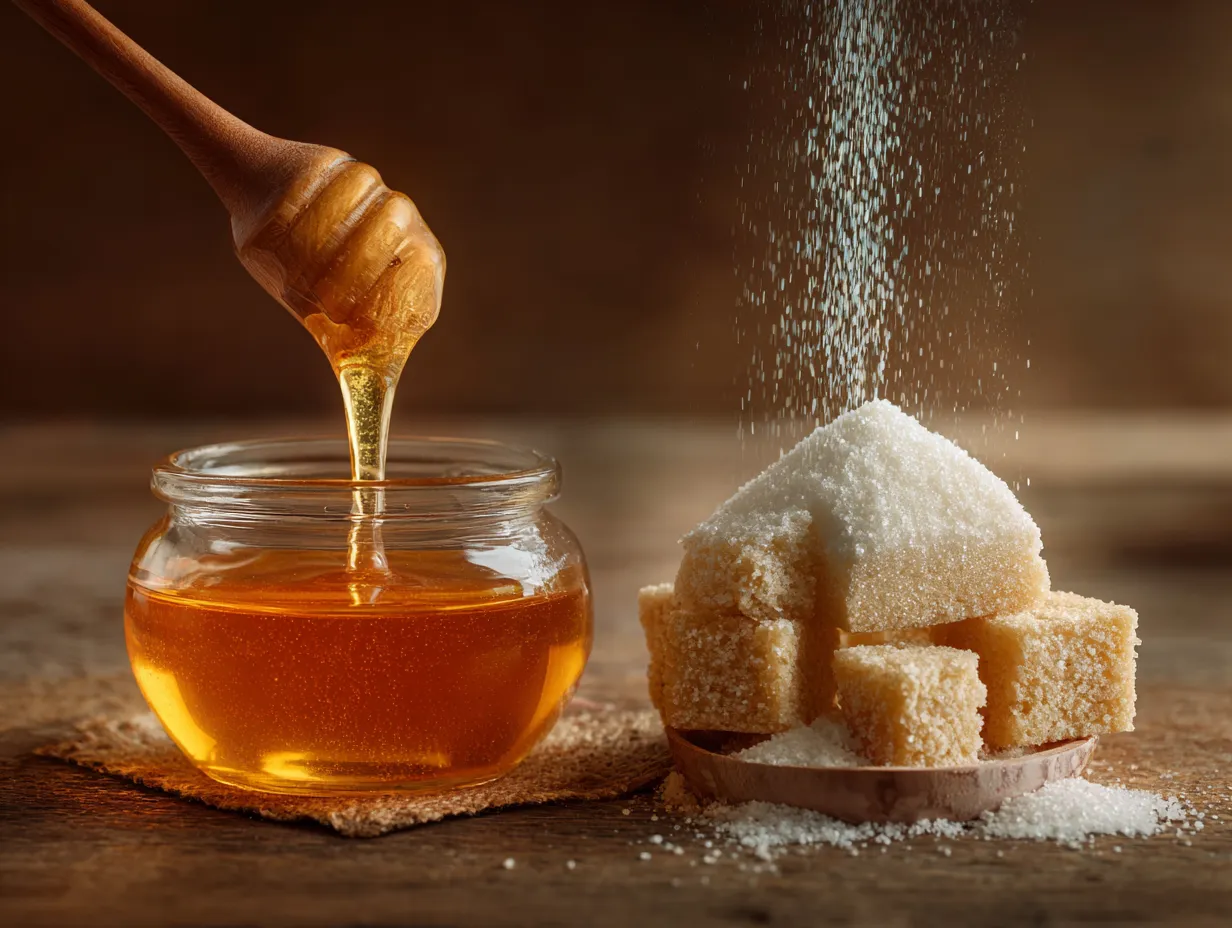
Before we get our hands sticky, let’s establish a solid foundation. Both honey and sugar are sweeteners, but they come from vastly different sources and possess unique characteristics.
Granulated sugar, or sucrose, is a refined product typically derived from sugarcane or sugar beets. It’s a staple in most baking recipes, providing sweetness, structure, and a lovely golden color through the Maillard reaction (more on that later!).
Honey, on the other hand, is a natural product created by bees. It’s a complex mixture of sugars, primarily fructose and glucose, along with trace amounts of vitamins, minerals, and antioxidants.
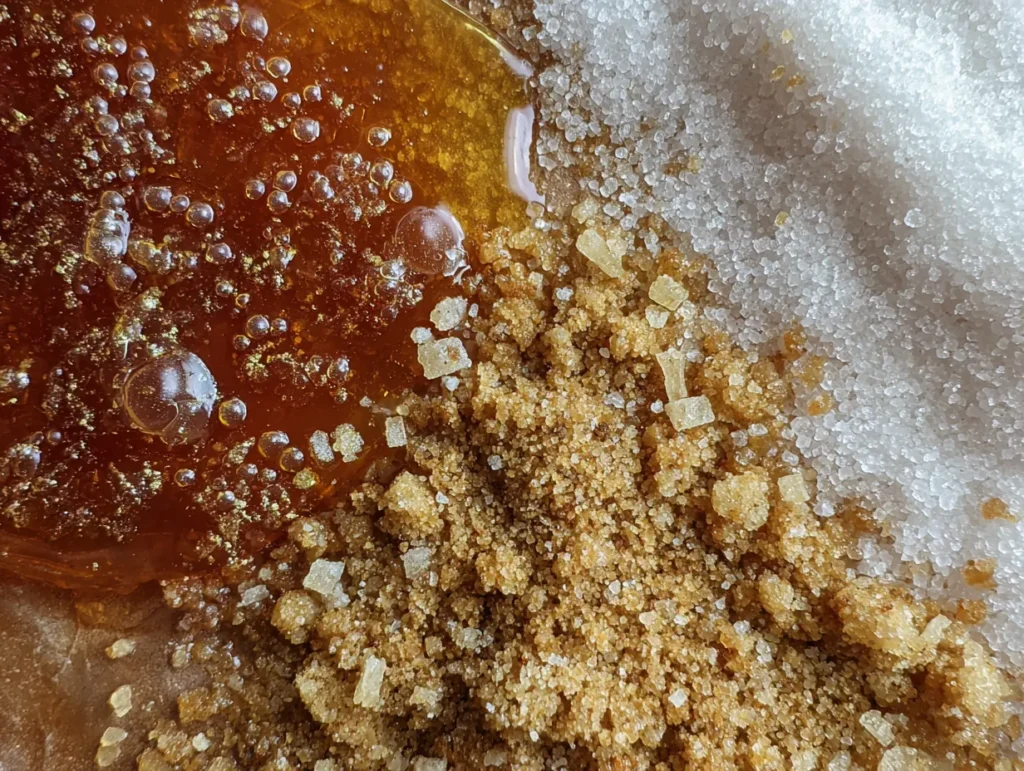
The flavor profile of honey can vary widely depending on the floral source, ranging from the delicate sweetness of clover honey to the robust, almost earthy notes of buckwheat honey. This versatility is one of the many reasons why honey is so beloved in the baking world.
When you’re comparing the two, you’ll find that honey is sweeter than sugar. This is because honey has a higher fructose content.
This means you often need less honey than sugar to achieve the same level of sweetness. It also means that honey can brown baked goods more quickly. This browning effect is due to the fructose caramelizing faster than the sucrose in granulated sugar.
To deepen your understanding, let’s explore the science behind these sweeteners. You can find some fascinating insights into the chemistry of baking at Serious Eats.
Honey’s Impact on Baked Goods: Flavor, Texture, and Appearance
Honey is more than just a sweetener; it’s a flavor enhancer. Its distinct taste can add depth and complexity to your baked goods. The specific flavor notes depend on the type of honey you choose. For example, wildflower honey offers a general sweetness, while orange blossom honey can impart a subtle citrusy aroma.
One of the most noticeable effects of using honey is its impact on texture. Honey is hygroscopic, meaning it attracts and retains moisture.
This can lead to baked goods that are noticeably moister and softer than those made with sugar alone. Think of honey-sweetened cakes, muffins, or cookies; they often have a delightful tenderness that keeps them fresh for longer.
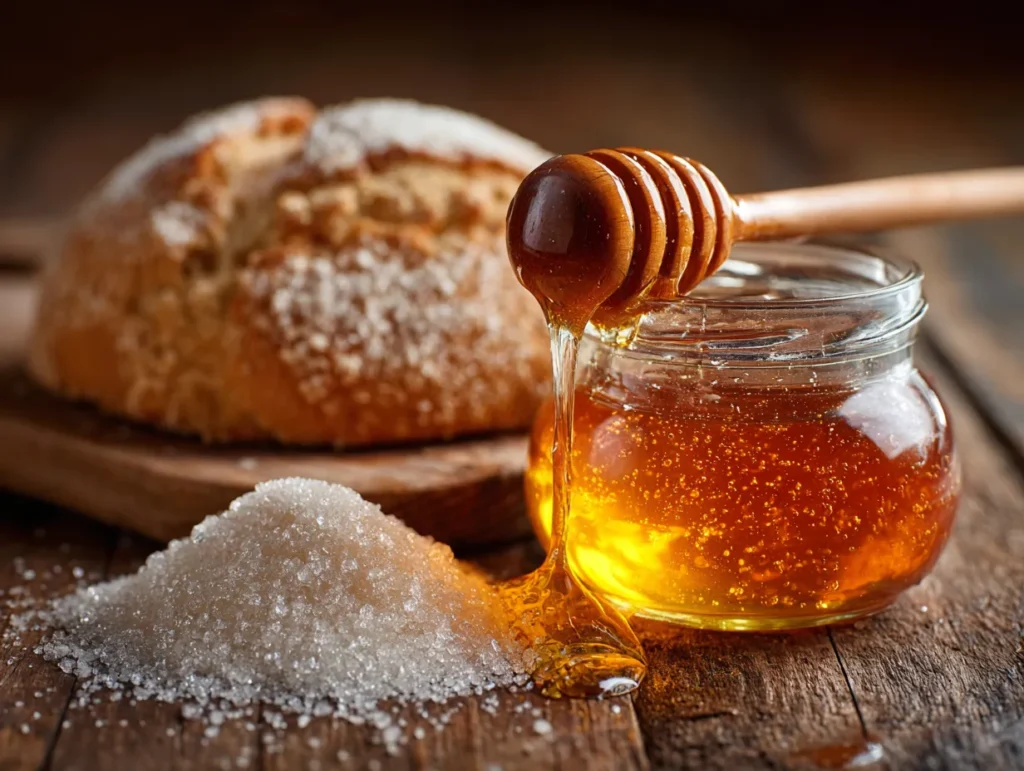
However, this increased moisture can also affect the structure of your baked goods. In some cases, you might need to adjust the other ingredients to compensate. For example, you might need to slightly reduce the amount of liquid in the recipe or add a bit more flour to achieve the desired consistency. It’s all about finding the right balance!
Honey also contributes to the color and appearance of baked goods. As mentioned earlier, honey caramelizes easily, resulting in a beautiful golden-brown crust. This is especially noticeable in breads, where honey can create a rich, appealing color.
The Maillard reaction, which is the chemical reaction between amino acids and reducing sugars (like those in honey), is responsible for this browning and the development of complex flavors.
Sugar’s Role in Baking: Structure, Browning, and Sweetness
Sugar is a workhorse in baking, contributing to both the structure and the flavor of your creations. It provides the essential sweetness that we all crave, but it also plays a crucial role in the physical properties of baked goods.
Sugar crystals help to tenderize gluten, resulting in a more delicate crumb. Sugar also helps with the creaming process in recipes like cakes and cookies, incorporating air and creating a light texture.
The browning of baked goods is another key function of sugar. The Maillard reaction, which we mentioned earlier, is significantly influenced by the presence of sugar.
As sugar caramelizes, it contributes to the development of color and flavor. This is why sugar is so essential for achieving that perfect golden-brown crust on cookies, cakes, and breads.
Sugar also affects the spread of cookies and other baked items. It melts during baking, contributing to the overall spread.
The amount and type of sugar you use can influence how thin or thick your cookies turn out. For example, using granulated sugar often results in a crispier cookie compared to using brown sugar, which contains molasses and adds moisture.
In short, sugar is a fundamental ingredient that affects the structure, appearance, and taste of your baked goods. Understanding its role is essential for achieving the desired results in your baking endeavors.
Substituting Honey for Sugar: A Practical Guide
Ready to experiment with honey in your recipes? Here’s how to make the switch successfully. The general rule of thumb is to substitute honey for sugar at a ratio of 1:1, but this is not always perfect.
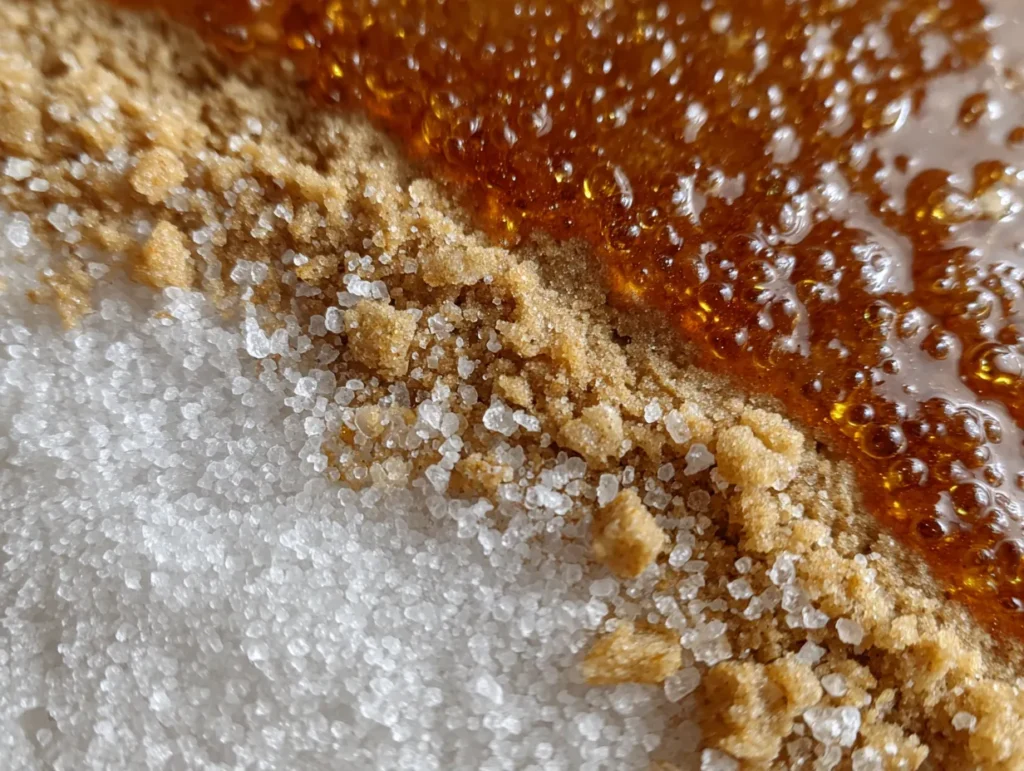
Honey is sweeter than sugar, so you might want to use slightly less honey to achieve the same level of sweetness. Start by using about ¾ cup of honey for every 1 cup of sugar. Taste your batter and adjust accordingly.
You’ll also need to adjust the liquid in the recipe. Honey adds moisture, so you should reduce the liquid in the recipe by about ¼ cup for every cup of honey you use. If the recipe doesn’t call for liquid, you might need to slightly increase the flour to compensate for the added moisture from the honey.
Honey can also cause baked goods to brown more quickly. To prevent over-browning, you can reduce the oven temperature by about 25°F (14°C) or keep a close eye on your baked goods. You might also consider tenting the baked goods with foil if they start to brown too quickly.
When substituting honey for sugar, it’s also important to consider the honey’s flavor. Choose a honey that complements the other flavors in your recipe.
For example, a delicate honey like clover might be ideal for a cake, while a bolder honey like buckwheat could work well in a gingerbread recipe. Note that the flavor of honey will be more pronounced than sugar. If you don’t want a strong honey taste, use a milder honey variety.
Common Mistakes and How to Avoid Them
Even the most experienced bakers make mistakes. Here are some common pitfalls when using honey in baking and how to avoid them.
Over-baking: Honey browns quickly, so it’s easy to over-bake your treats. Always keep a close eye on your oven and check for doneness sooner than you would with a recipe using sugar. Start checking a few minutes before the recommended baking time.
Too much moisture: Honey adds moisture, which can lead to dense or undercooked baked goods if you don’t adjust the liquid in the recipe. Reduce the liquid (water, milk, etc.) in the recipe to compensate. If the batter seems too wet, add a tablespoon or two of flour at a time until you reach the desired consistency.
Strong honey flavor: If you’re not a fan of a strong honey flavor, choose a milder honey variety, such as clover or acacia. You can also use less honey than the recipe calls for, or balance the honey flavor with other ingredients, such as spices or citrus zest.
Uneven baking: Honey can sometimes cause uneven baking, especially if the oven temperature is too high. Make sure your oven is properly calibrated and avoid opening the oven door frequently while baking. Rotating the baking pan halfway through the baking time can also help.
Sticky texture: Too much honey can result in a sticky texture. Make sure you’re using the correct ratio of honey to sugar and liquid. Also, let your baked goods cool completely before cutting or serving them.
Tips and Tricks for Baking with Honey
Here are a few extra tips and tricks to help you become a honey-baking pro!
Measure accurately: Honey can be sticky, so it’s best to measure it using a liquid measuring cup. Spray the cup with non-stick cooking spray before measuring to help the honey slide out easily. You can also lightly oil your measuring spoon before measuring honey.
Adjust the spices: Honey pairs beautifully with warm spices like cinnamon, nutmeg, ginger, and cloves. Consider adding a pinch or two of these spices to enhance the flavor of your honey-sweetened baked goods.
Experiment with different honeys: Don’t be afraid to try different types of honey. Each variety has its own unique flavor profile, so you can create a wide range of delicious treats. Keep a few different types on hand to experiment with!
Consider honey in glazes and frostings: Honey isn’t just for the baked goods themselves. It makes a wonderful glaze for cakes, cookies, and breads. It can also be incorporated into frostings for added sweetness and flavor.
Store honey properly: Honey is best stored at room temperature in an airtight container. It can crystallize over time, but this doesn’t affect its quality. To liquefy crystallized honey, gently heat it in a bowl of warm water.
Recipes to Try: Honey-Infused Delights
Ready to put your newfound knowledge to the test? Here are a few recipe ideas to get you started:
Honey Cake: A classic cake where honey is the star. The honey adds moistness, tenderness, and a beautiful golden color.
Honey-Oatmeal Cookies: A healthier twist on a classic cookie. Honey adds sweetness and a chewy texture.
Honey-Glazed Carrots: While not a dessert, honey-glazed carrots are a wonderful side dish and a great example of how honey’s flavor can shine outside of baking.
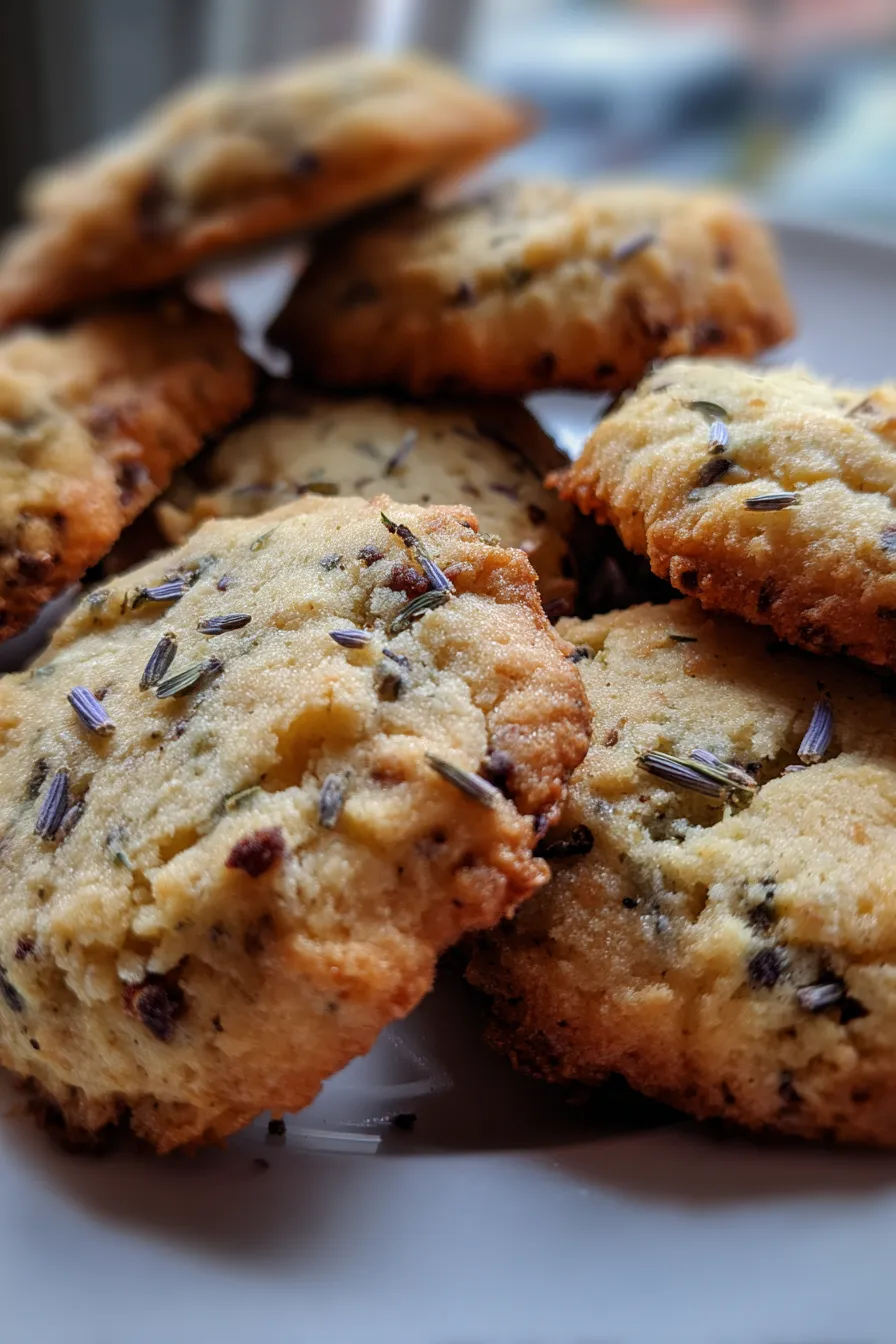
Honey-Lavender Scones: A sophisticated treat that brings together the floral notes of lavender with the sweetness of honey.
The possibilities are endless! Don’t be afraid to experiment with your favorite recipes. Try substituting honey for sugar and see what delicious results you achieve.
Final Thoughts: Embracing the Sweetness
Baking with honey opens up a world of flavor and texture possibilities. By understanding the differences between honey and sugar and how they interact in the baking process, you can create truly exceptional desserts.
Remember, baking is all about experimentation and enjoying the process. So, embrace the sweetness, have fun in the kitchen, and don’t be afraid to try something new. Happy baking!
Frequently Asked Questions About Honey vs. Sugar in Baking
1. Can I use honey in place of sugar in all my recipes?
While you can substitute honey for sugar in many recipes, it’s not a perfect swap for every single one. Recipes that rely heavily on a specific structure or crispness might not work as well with honey.
It’s best to start with recipes specifically designed for honey or to experiment cautiously, making adjustments to the liquid and baking time as needed.
2. Does honey make baked goods healthier than sugar?
Honey does contain some trace nutrients and antioxidants that are not found in granulated sugar. However, both honey and sugar are still primarily sources of simple sugars. The nutritional difference is relatively small. The key is to consume both in moderation as part of a balanced diet.
3. How do I prevent my honey-sweetened baked goods from being too moist?
Honey attracts and retains moisture, so reducing the liquid in your recipe is key. For every cup of honey used, reduce the other liquids (water, milk, etc.) by about ¼ cup.
You might also need to slightly increase the flour to achieve the desired consistency. Keep an eye on the baking time, as honey can also cause baked goods to brown faster.
4. How do I avoid a strong honey flavor in my baked goods?
If you prefer a more subtle honey flavor, choose a milder honey variety like clover or acacia. You can also use less honey than the recipe calls for, or balance the honey flavor with other ingredients, such as spices (cinnamon, nutmeg) or citrus zest. Start with a small amount and taste as you go.
5. Can I use honey in recipes that require a very precise texture, like macarons?
Macarons are notoriously finicky, and the precise ratios of ingredients are crucial for achieving the perfect texture.
While you could experiment with honey in a macaron recipe, it’s generally not recommended. The additional moisture from honey could significantly alter the final result. In this case, you’re better off sticking with granulated sugar for the best outcome.

2 thoughts on “Honey vs Sugar in Baking: Best Sweetener Wins”