Table of Contents
Ah, the dreaded sunken cake! We’ve all been there, staring with disappointment at a beautiful cake that decided to take a nosedive in the middle. It’s frustrating, especially when you’ve put time and effort into baking something special. But don’t worry, my fellow bakers! A sunken cake doesn’t mean your baking days are over. It’s usually a sign that something went a little awry during the process. Let’s dive in and uncover the common culprits behind this baking blunder, so you can prevent it from happening again. You’ll be back to creating gorgeous, perfectly risen cakes in no time! For more baking inspiration, you can check out some fantastic recipes here.
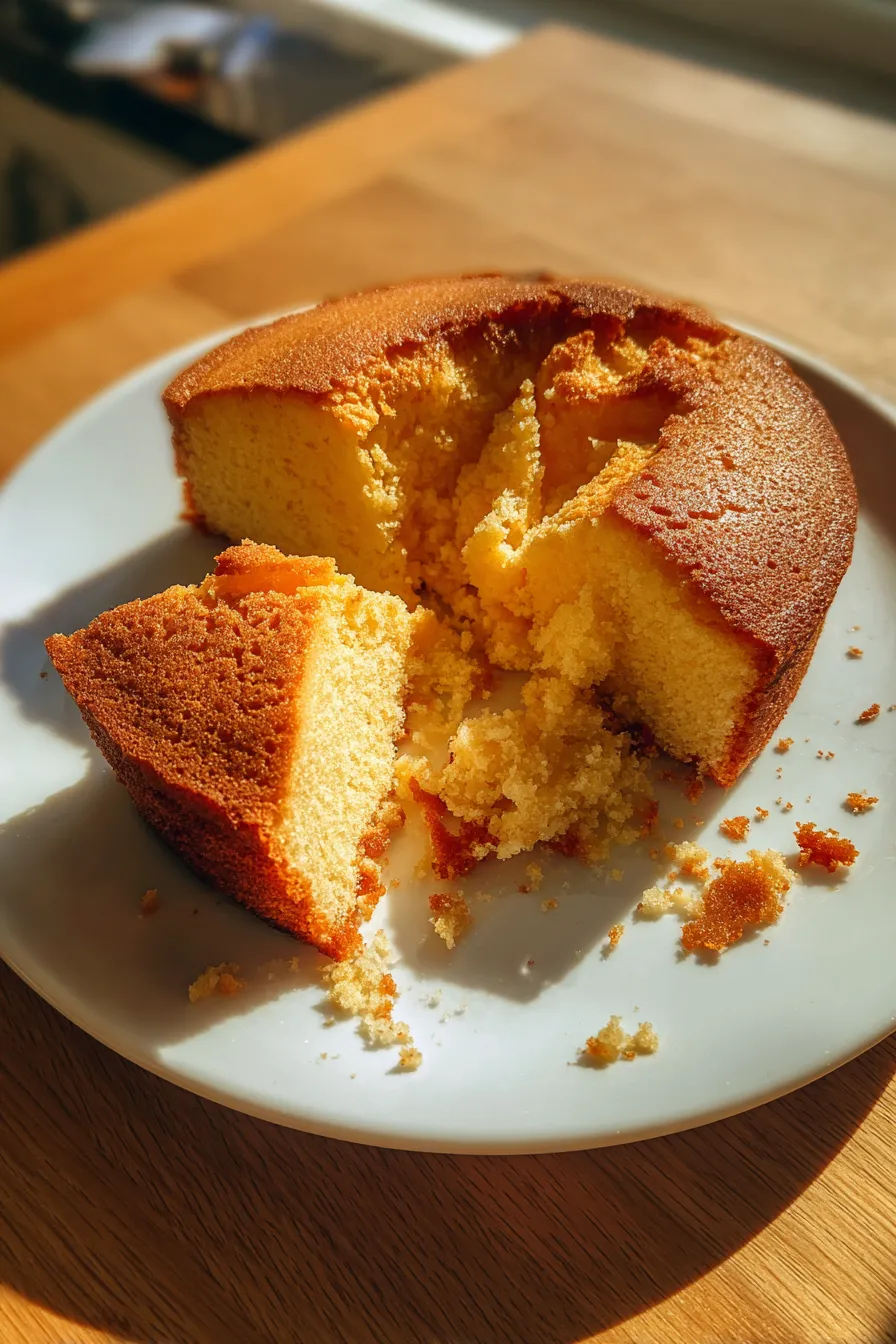
Understanding the Science of a Rising Cake
Before we troubleshoot, let’s briefly talk about how a cake rises in the first place. It’s a delicate dance of chemistry and physics! When you combine your ingredients, you’re creating a batter that contains air pockets. As the cake bakes, these air pockets expand due to the heat, causing the cake to rise. At the same time, the proteins in the flour and eggs coagulate, and the starches set, giving the cake its structure. If something disrupts this process, you’ll end up with a sunken cake.
Here’s a simplified breakdown:
- Leavening Agents: Baking powder and baking soda are the workhorses here. They produce carbon dioxide gas, which gets trapped in the batter and makes it rise.
- Heat: The oven’s heat is crucial. It sets the cake’s structure and causes the gases from the leavening agents to expand.
- Structure: Flour, eggs, and sometimes other ingredients like nuts or chocolate contribute to the cake’s structure, holding it up as it bakes.
Now, let’s explore the common reasons why your cake might sink in the middle. Knowing these will help you avoid the pitfalls and bake a perfect cake every time. I recommend checking out some baking tips to further your knowledge.
Common Culprits Behind the Sunken Cake
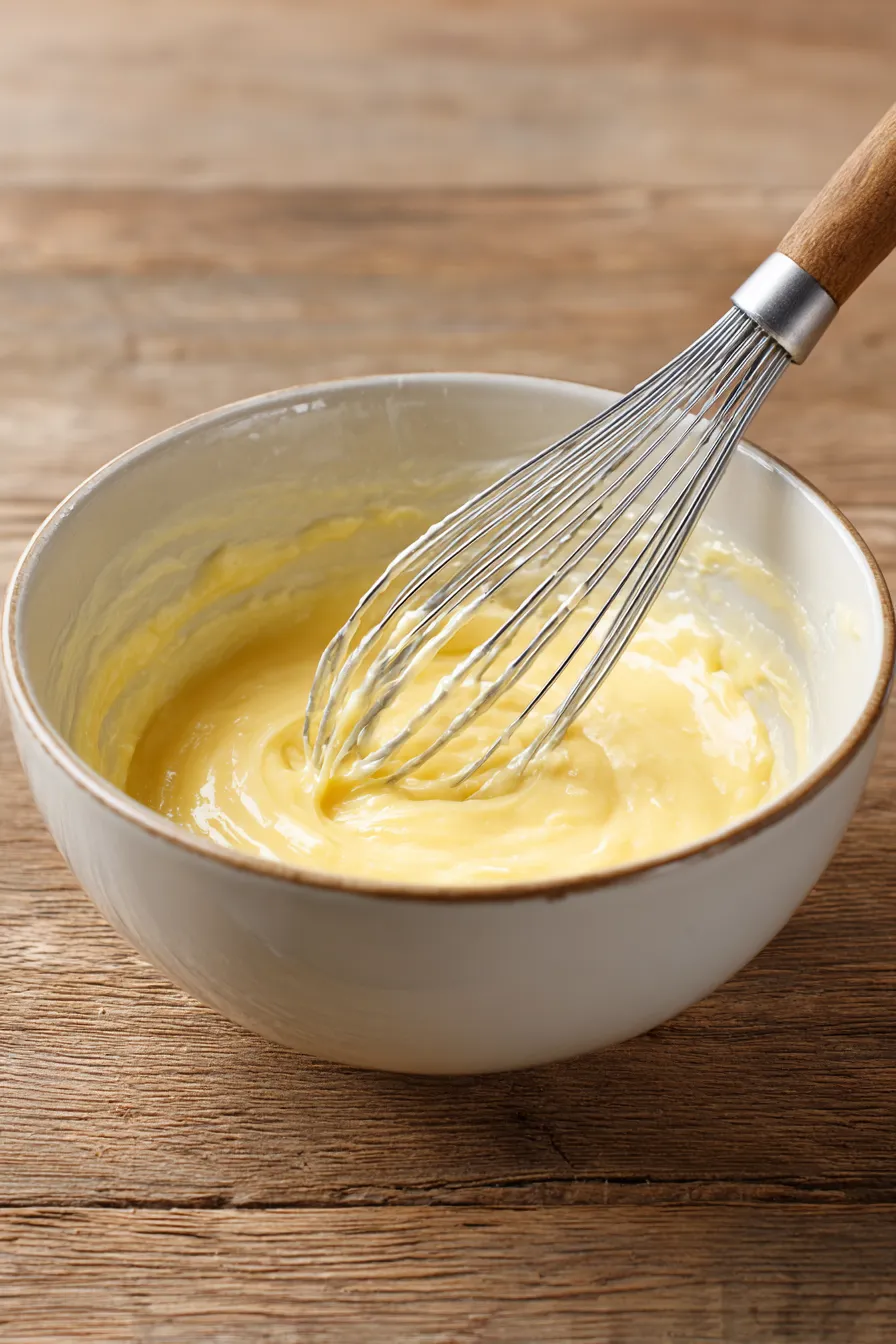
Several factors can lead to a sunken cake. Let’s break down the most frequent ones. Identifying the cause is the first step in preventing this baking mishap.
Too Much Leavening Agent
While leavening agents are essential for a fluffy cake, too much of a good thing can be detrimental. Excess baking powder or baking soda can cause the cake to rise too quickly in the oven. It creates a lot of air bubbles that expand rapidly. The cake then rises too high, too fast, and the structure can’t support itself. The center collapses as the cake cools, resulting in a sunken appearance.
How to Avoid It:
- Measure accurately: Always use measuring spoons and cups to measure your baking powder and baking soda. Don’t eyeball it!
- Check the expiration date: Baking powder and baking soda can lose their potency over time. Make sure they’re fresh. Test your baking powder by adding a teaspoon to a cup of hot water. It should fizz vigorously. For baking soda, add a teaspoon to a cup of vinegar; it should also fizz.
- Follow the recipe: Stick to the recipe’s instructions and amounts. Don’t add extra leavening agents to try to boost the rise.
Example: If a recipe calls for 1 teaspoon of baking powder, don’t add 1 ½ teaspoons, thinking it will make the cake extra fluffy. It’s more likely to collapse.
Oven Temperature Issues
Your oven’s temperature is critical for a well-risen cake. If the oven is too hot, the outside of the cake will set too quickly, while the inside is still undercooked. The rapid setting of the outside can prevent the center from rising properly. As the cake bakes further, the center collapses because it hasn’t set yet. If the oven is too cold, the cake won’t rise properly, and it may sink in the middle. The cake needs consistent heat to bake evenly.
How to Avoid It:
- Use an oven thermometer: Oven thermostats can be inaccurate. An oven thermometer will tell you the true temperature of your oven.
- Preheat properly: Always preheat your oven to the correct temperature before putting the cake in.
- Avoid opening the oven door: Resist the urge to peek during the first two-thirds of the baking time. Opening the door lets out heat, which can cause the cake to sink.
- Check for hot spots: If your oven has hot spots, rotate the cake halfway through baking to ensure even cooking.
Example: Baking a cake at 400°F (200°C) when the recipe calls for 350°F (175°C) can cause the outside to bake much faster than the inside, leading to a sunken center.
Incorrect Oven Rack Placement
Where you place your cake in the oven can also affect how it bakes. Placing the cake too close to the top heating element can cause the top to brown too quickly while the center remains underbaked. Conversely, placing the cake too low can result in uneven heating. The best placement is usually the center rack, allowing for even heat distribution.
How to Avoid It:
- Center rack: Place your cake pan on the center rack of your oven for optimal heat distribution.
- Check your oven manual: Some ovens have specific recommendations for baking cakes.
Example: Putting a cake on the top rack of an oven may cause the top to brown extremely quickly, while the inside remains raw, leading to a sunken center.
Underbaking the Cake
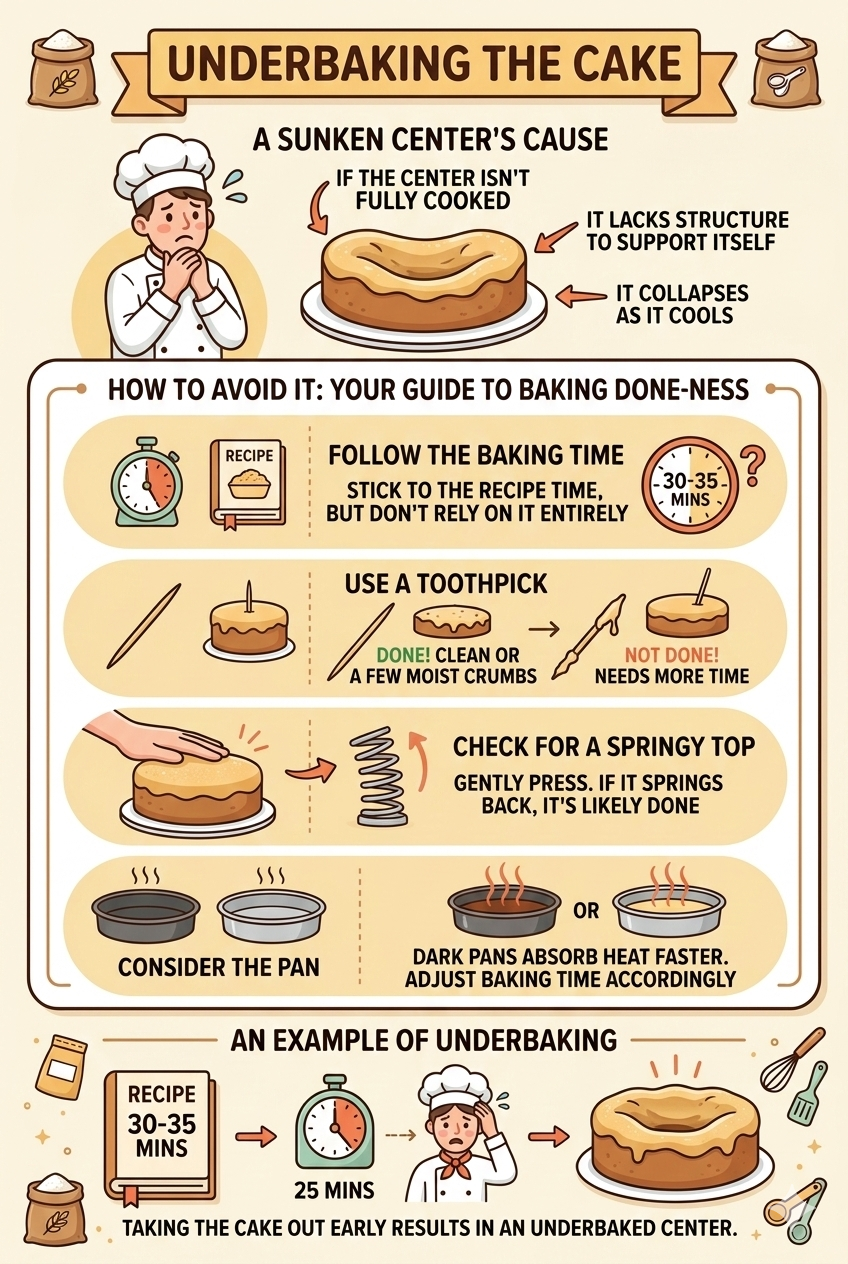
Underbaking is one of the most common reasons for a sunken cake. If the center of the cake isn’t fully cooked when you remove it from the oven, it won’t have enough structure to support itself. As it cools, the center collapses.
How to Avoid It:
- Follow the baking time: Stick to the baking time specified in the recipe, but don’t rely on it entirely.
- Use a toothpick: Insert a toothpick into the center of the cake. If it comes out clean or with a few moist crumbs, the cake is done. If it comes out with wet batter, it needs more time.
- Check for a springy top: Gently press the top of the cake. If it springs back, it’s likely done.
- Consider the pan: Dark-colored pans absorb heat more quickly than light-colored pans. You may need to adjust baking time accordingly.
Example: Taking a cake out of the oven after 25 minutes when the recipe calls for 30-35 minutes can result in an underbaked center.
Too Much Liquid or Fat
Excessive liquid or fat can weigh down the cake batter, making it harder for the structure to set properly. This can lead to a sunken center, as the cake struggles to rise and maintain its shape. Too much liquid can also result in a cake that is too moist, which makes it more likely to sink.
How to Avoid It:
- Measure accurately: Use measuring cups and spoons to measure all liquid and fat ingredients.
- Don’t substitute: Avoid substituting ingredients unless the recipe specifically allows it.
- Consider the recipe: Some recipes are naturally more prone to sinking (e.g., those with a lot of fruit or moisture).
Example: Adding an extra egg or a splash of milk to the batter without adjusting the other ingredients can throw off the balance and cause the cake to sink.
Improper Mixing Techniques
How you mix the batter can also impact the final result. Overmixing can develop the gluten in the flour, resulting in a tough cake that doesn’t rise well. Undermixing, on the other hand, can leave lumps of flour and ingredients that aren’t fully incorporated, which can also affect the cake’s structure.
How to Avoid It:
- Follow the recipe’s instructions: Pay close attention to the mixing method specified in the recipe (e.g., creaming butter and sugar, folding in dry ingredients).
- Don’t overmix: Mix the batter until the ingredients are just combined. Overmixing can result in a dense cake.
- Don’t undermix: Make sure all the ingredients are evenly distributed.
Example: Mixing a cake batter for too long, especially after adding the flour, can lead to a dense, tough cake that might sink.
Air Escaping During Cooling
Even if the cake bakes perfectly, how you cool it can make a difference. Rapid temperature changes can cause a cake to sink. If you remove a cake from the oven and place it in a drafty area, the sudden cooling can cause the air inside to contract, leading to the cake collapsing in the middle.
How to Avoid It:
- Cool in the pan: Let the cake cool in the pan for 10-20 minutes before inverting it onto a wire rack.
- Avoid drafts: Cool the cake away from drafts, such as open windows or air conditioning vents.
- Invert carefully: When inverting the cake, do it gently to avoid damaging the delicate structure.
Example: Removing a cake from a warm oven and immediately placing it on a cold countertop near an open window can cause it to sink.
Altitude Adjustments
Baking at high altitudes can be tricky. The lower air pressure causes gases to expand more quickly, which can lead to the cake rising too fast and then collapsing. If you live at a high altitude, you may need to adjust your recipes.
How to Avoid It:
- Use a high-altitude recipe: Look for recipes specifically designed for high-altitude baking.
- Reduce leavening: You may need to reduce the amount of baking powder or baking soda.
- Increase liquid: Adding a little more liquid can help.
- Increase oven temperature: You might need to increase the oven temperature slightly.
- Check baking times: Baking times may need to be adjusted.
Example: Baking a standard recipe in Denver, Colorado, (high altitude) without adjustments is more likely to result in a sunken cake than baking the same recipe at sea level.
Troubleshooting a Sunken Cake: Step-by-Step
So, your cake has sunk. Don’t panic! Here’s a step-by-step guide to help you troubleshoot the problem and salvage your baking efforts.
- Assess the Situation: Carefully examine the cake. How sunken is it? Is it just a slight dip, or is the center completely collapsed? Note any other issues, like a cracked top or uneven browning.
- Review the Recipe: Go back to the recipe and double-check that you followed all the instructions and measurements accurately.
- Check Your Oven: Use an oven thermometer to ensure your oven is calibrated correctly. Also, consider the rack placement.
- Consider the Ingredients: Did you use fresh leavening agents? Did you measure everything correctly? Did you use any substitutions?
- Evaluate Your Mixing: Think about how you mixed the batter. Did you overmix or undermix?
- Evaluate Baking Time: Did you bake the cake for the correct amount of time? Did you use a toothpick to test for doneness?
- Examine Cooling Process: Did you let the cake cool in the pan for the recommended time? Did you cool it in a drafty area?
- Taste the Cake: Even if it’s sunken, the cake might still taste delicious! Is the flavor good? Is it underbaked in the center?
- Learn from It: Baking is a learning process. Use this experience to improve your technique and prevent future sunken cakes.
How to Salvage a Sunken Cake
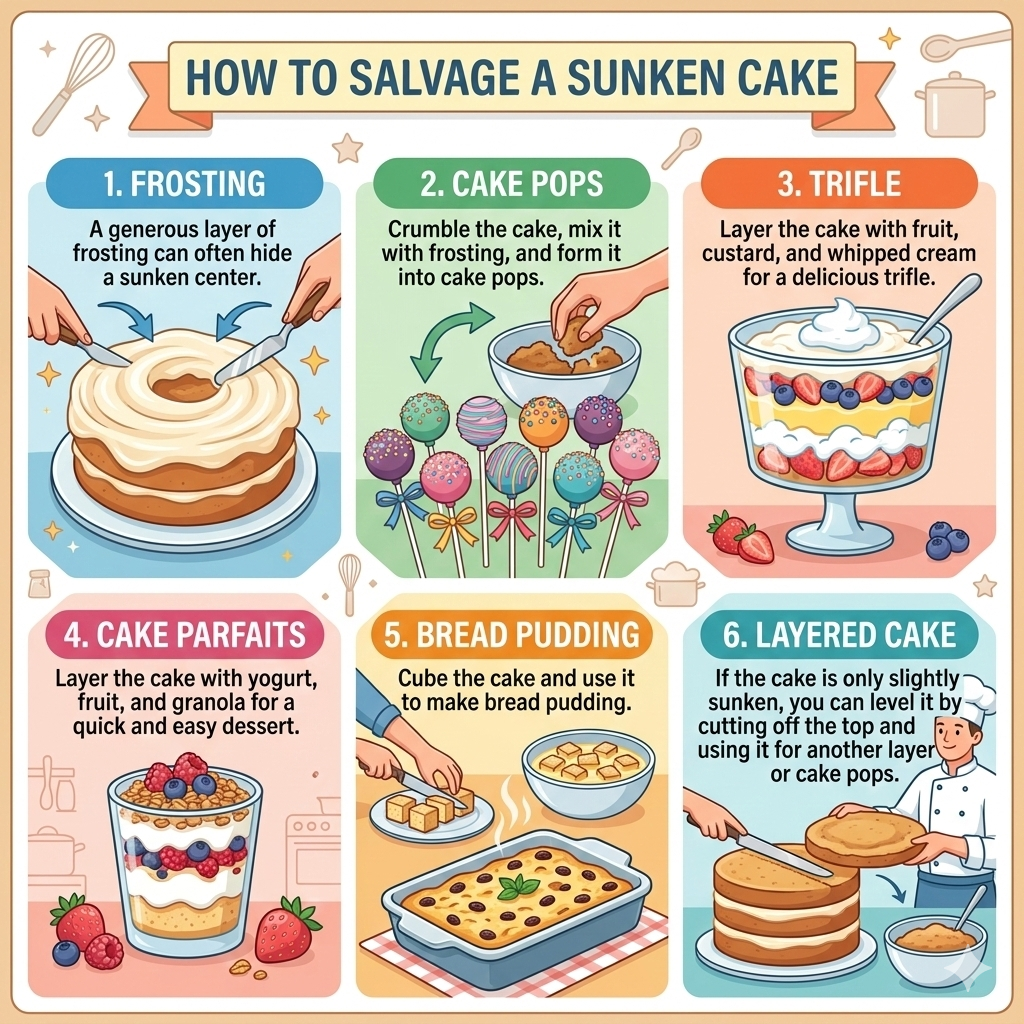
Even a sunken cake can often be salvaged. Here are a few ideas:
- Frosting: A generous layer of frosting can often hide a sunken center.
- Cake Pops: Crumble the cake, mix it with frosting, and form it into cake pops.
- Trifle: Layer the cake with fruit, custard, and whipped cream for a delicious trifle.
- Cake Parfaits: Layer the cake with yogurt, fruit, and granola for a quick and easy dessert.
- Bread Pudding: Cube the cake and use it to make bread pudding.
- Layered Cake: If the cake is only slightly sunken, you can level it by cutting off the top and using it for another layer or cake pops.
Preventative Measures for Future Baking Success
Here are some additional tips to help you avoid sunken cakes in the future:
- Read the Recipe Carefully: Before you start, read the entire recipe to understand the process.
- Prep Your Ingredients: Measure all your ingredients and have them ready to go before you start mixing.
- Use Room-Temperature Ingredients: Unless the recipe specifies otherwise, use room-temperature eggs and butter.
- Don’t Overfill the Pan: Fill the cake pan only about two-thirds full to allow for rising.
- Be Patient: Don’t rush the baking process. Follow the recipe’s instructions and resist the urge to open the oven door frequently.
- Practice: The more you bake, the better you’ll become! Don’t be discouraged by a few sunken cakes along the way.
Frequently Asked Questions
Here are some frequently asked questions about sunken cakes:
- Can I still eat a sunken cake?
Absolutely! A sunken cake can still be perfectly safe and delicious to eat, especially if it’s only slightly sunken. If the cake is underbaked, make sure to bake it for a little longer or consider repurposing it into cake pops or a trifle.
- How do I prevent my cake from cracking on top?
Cracking can be caused by a variety of factors, including too hot an oven, too much leavening, or overbaking. Try lowering the oven temperature slightly, being sure to measure your ingredients, and checking the cake for doneness before the recommended time.
- What is the best type of cake pan to use?
Light-colored metal pans are generally best for even baking. Dark-colored pans absorb heat more quickly and may cause the sides and top of your cake to brown faster. Also, be sure to grease and flour your pan thoroughly to prevent sticking.
- How do I know when my cake is done?
The best way to tell if a cake is done is to insert a toothpick into the center. If it comes out clean or with a few moist crumbs, the cake is done. You can also gently press the top of the cake; if it springs back, it’s likely done. Be careful not to overbake it, as this can lead to a dry cake.
Baking a perfect cake can be a rewarding experience. While a sunken cake can be disappointing, it’s not the end of the world! By understanding the causes, troubleshooting the issues, and learning from your mistakes, you’ll be well on your way to baking beautiful, delicious cakes that will impress your friends and family. Happy baking!