Table of Contents
Hello, fellow bakers! There’s nothing quite like the joy of pulling a beautifully baked cake from the oven. But the moment of truth often arrives when you have to wrestle that cake out of the pan. Sticking is the bane of every baker’s existence, leading to broken layers, uneven edges, and a whole lot of frustration.
But fear not, because with a little know-how, you can master the art of preparing your cake pans and ensure your sweet creations release perfectly every time. This guide will walk you through the best methods, from the classic to the innovative, so you can say goodbye to sticking and hello to flawless cakes. You will find plenty of helpful advice, tips, and tricks to make your baking experience more enjoyable. Let’s get started!
Understanding Why Cakes Stick
Before we dive into solutions, let’s understand why cakes stick in the first place. Several factors contribute to this common baking problem. The primary culprit is the interaction between the cake batter and the pan. As the cake bakes, the batter sets and adheres to the pan’s surface. This is especially true for pans with imperfections, scratches, or those that haven’t been properly seasoned.
Additionally, the type of cake, the ingredients used, and the baking time can all influence how easily a cake releases. For instance, cakes with high sugar content tend to stick more easily because the sugar caramelizes and bonds to the pan. Understanding these factors is the first step toward preventing sticking and achieving perfect results. Luckily, there are many ways to overcome this issue, and with a little practice, you’ll be able to master them all.
Another reason cakes stick is that the pan itself may not be in the best condition. Old pans can develop scratches or imperfections that make it easier for batter to stick. Even new pans can cause issues if they aren’t properly prepared. The material of the pan also plays a role. Dark-colored pans absorb more heat, which can lead to over-baking and sticking, especially around the edges. So, choosing the right pan and preparing it correctly is crucial. You can find more information about different types of cake pans and their properties by searching on The Kitchn.
Methods for Preparing Your Cake Pan
Now, let’s explore the various methods you can use to prepare your cake pans. Each technique has its pros and cons, so you can choose the one that best suits your needs and preferences. From simple greasing and flouring to the more elaborate “baker’s goop,” we’ll cover everything you need to know to ensure your cakes release smoothly.
Greasing and Flouring
This is the classic, tried-and-true method that has been used for generations. It’s simple, effective, and works well for most types of cakes. Here’s how to do it:
- Grease the Pan: Use solid vegetable shortening, butter, or a baking spray with flour to coat the inside of your cake pan thoroughly. Make sure to get into all the nooks and crannies. If using butter, ensure it’s at room temperature for easy spreading.
- Flour the Pan: Sprinkle a generous amount of all-purpose flour into the greased pan. Tilt and rotate the pan to ensure the flour coats all surfaces, including the sides.
- Tap Out Excess Flour: Gently tap the pan upside down over the sink or trash can to remove any excess flour. This prevents a thick coating of flour on your cake, which can affect the texture.
Tips for Success:
- Use a pastry brush to ensure even coverage when greasing the pan.
- For chocolate cakes, you can use cocoa powder instead of flour for a more even coating that won’t leave white streaks.
- Make sure to grease and flour your pan right before you add the batter.
Mistakes to Avoid:
- Not greasing the pan evenly, leading to uneven release.
- Using too little flour, resulting in sticking.
- Using too much flour, which can create a dry crust on your cake.
Using Baking Spray
Baking sprays, especially those that contain flour, are a convenient alternative to greasing and flouring. They provide a quick and easy way to coat your pan evenly. Simply hold the can a few inches away from the pan and spray the inside, covering all surfaces. Some bakers swear by these sprays, as they save time and often provide excellent results.
This method is particularly helpful if you’re baking multiple cakes or are short on time. Be sure to choose a baking spray that is specifically designed for baking, as some sprays may leave a residue that can affect the flavor of your cake. Also, keep in mind that baking sprays can sometimes leave a sticky residue on your pans over time, so regular cleaning is essential.
Tips for Success:
- Shake the can well before use to ensure the flour is evenly distributed.
- Hold the can upright and spray in a sweeping motion for even coverage.
- If you’re using a dark-colored pan, you may need to apply a slightly thicker coat of spray.
Mistakes to Avoid:
- Spraying too close to the pan, which can result in a pooling of the spray.
- Not shaking the can, which can lead to uneven coverage.
- Using a spray that doesn’t contain flour, which may not be as effective at preventing sticking.
Parchment Paper
Parchment paper is a game-changer for cake baking. It provides a non-stick barrier between the batter and the pan, making it incredibly easy to remove your cake. There are a few ways to use parchment paper:
- Lining the Bottom: Cut a circle of parchment paper to fit the bottom of your cake pan. Place the paper in the pan before greasing and flouring (or spraying). This is especially useful for round cakes.
- Lining the Sides: Cut strips of parchment paper to fit the sides of your pan. These strips should be tall enough to extend slightly above the rim of the pan. This method is particularly helpful for delicate cakes that tend to stick.
- Using a Sling: For easier removal, cut a long strip of parchment paper and place it across the bottom of the pan, leaving the ends hanging over the sides. After baking, you can lift the cake out of the pan using the parchment paper sling.
Tips for Success:
- Use a pencil to trace the shape of the pan on the parchment paper for precise cutting.
- Lightly grease the pan before adding the parchment paper to help it stay in place.
- For perfect circles, you can use the pan itself as a template, tracing around the bottom.
Mistakes to Avoid:
- Using the wrong type of parchment paper (make sure it’s specifically designed for baking).
- Not trimming the parchment paper properly, which can create wrinkles and uneven edges.
- Forgetting to grease the pan before adding the parchment paper, which can make it difficult to remove.
The “Baker’s Goop” Method
This method, also known as “cake goop” or “pan release,” is a favorite among professional bakers. It’s a homemade mixture of shortening, flour, and oil that you apply to your pans. The advantage of this method is that it creates a thick, even coating that is highly effective at preventing sticking. Here’s a basic recipe:
- 1/2 cup shortening (vegetable shortening works best)
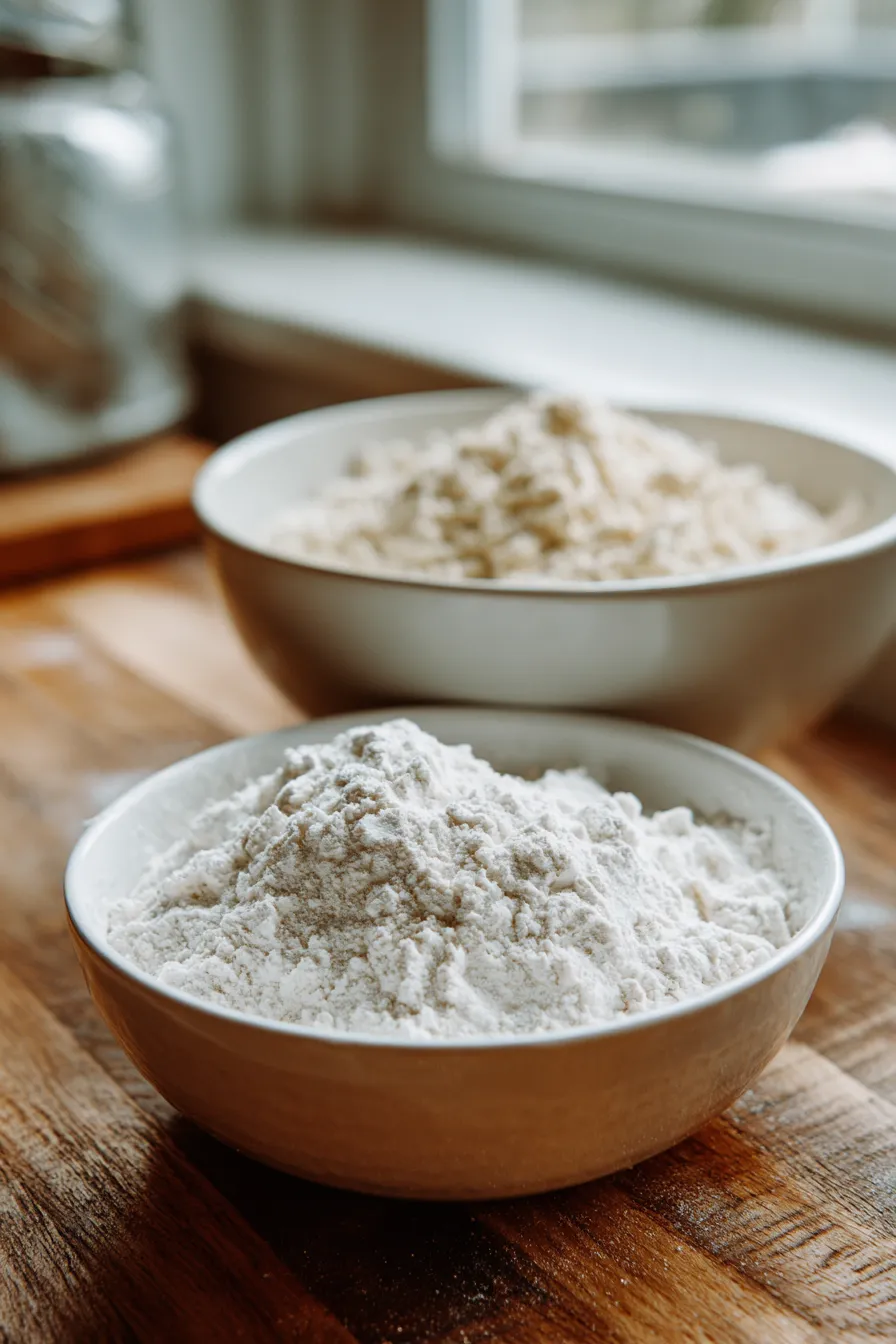
- 1/2 cup all-purpose flour
- 1/2 cup vegetable oil
Instructions:
- Combine all ingredients in a bowl.
- Whisk until smooth and well combined.
- Use a pastry brush to apply a generous layer of the mixture to your cake pans.
Tips for Success:
- Store the baker’s goop in an airtight container at room temperature.
- The mixture can be made in advance and stored for several weeks.
- For best results, apply the goop to the pans right before adding the batter.
Mistakes to Avoid:
- Not whisking the mixture until it’s completely smooth.
- Applying too thin a layer of the goop.
- Using an ingredient that is not at room temperature.
Troubleshooting Common Sticking Problems
Even with the best preparation, sticking can sometimes occur. Here are some troubleshooting tips to help you if your cake decides to play hard to get:
- Let the Cake Cool: Allow the cake to cool in the pan for the recommended time (usually 10-15 minutes) before inverting it onto a wire rack. This allows the cake to slightly shrink away from the sides of the pan, making it easier to release.
- Use a Knife or Spatula: Gently run a thin knife or offset spatula around the edges of the cake to loosen it from the pan. Be careful not to damage the cake.
- Warm the Pan: If the cake is still sticking, try warming the outside of the pan. You can do this by placing the pan on a warm, damp towel or by briefly placing it in a warm oven (around 200°F or 93°C) for a few minutes.
- Tap the Pan: Gently tap the bottom and sides of the pan to help the cake release.
- Invert Carefully: When inverting the cake, place a wire rack on top of the pan and flip them over together. If the cake is still sticking, try gently tapping the bottom of the pan again.
What to Do if the Cake Sticks:
Even after taking all the precautions, sometimes a cake will still stick. Don’t panic! Here’s what you can do:
- Assess the Damage: Determine the extent of the sticking. Is it just a few small spots, or is the entire cake stuck?
- Patch It Up: If the damage is minor, you can often patch it up with frosting or by using the broken pieces to create a trifle or cake pops.
- Embrace the Imperfection: Remember, even professional bakers have mishaps. A slightly imperfect cake can still be delicious. Decorate it creatively to hide any flaws.
- Learn from the Experience: Take note of what might have gone wrong (e.g., under-baking, insufficient greasing) and adjust your technique for the next time.
You can find more advice and tips on how to troubleshoot sticking problems by searching on Food Network.
Choosing the Right Pan and Ingredients
The type of pan you use and the ingredients in your cake can significantly impact how well your cake releases. Here are some tips:
Pan Materials:
- Aluminum Pans: These are a great all-around choice. They heat evenly and are relatively inexpensive.
- Dark-Colored Pans: These absorb heat more quickly, which can lead to over-baking and sticking. Reduce the oven temperature by 25°F (about 14°C) when using dark pans.
- Glass Pans: Glass pans also heat quickly and can cause over-baking. Reduce the oven temperature by 25°F (about 14°C) when using glass.
- Non-Stick Pans: While non-stick pans can be helpful, they still need to be properly prepared. Over time, the non-stick coating can wear down, so it’s best to grease and flour them as well.
Ingredients:
- High-Fat Cakes: Cakes with a higher fat content (e.g., butter cakes) tend to release more easily.
- High-Sugar Cakes: Cakes with a high sugar content (e.g., caramel cakes) are more prone to sticking. Proper pan preparation is crucial for these types of cakes.
- Delicate Cakes: Sponge cakes and angel food cakes are very delicate and require special care. Use parchment paper and avoid over-baking.
Tips for Baking Success
Here are some additional tips to help you achieve cake-baking success:
- Measure Ingredients Accurately: Use a kitchen scale for the most accurate measurements. This is especially important for baking, where precision is key.
- Follow the Recipe: Stick to the recipe instructions, including oven temperature and baking time.
- Don’t Open the Oven Door Too Often: Opening the oven door can cause temperature fluctuations, which can affect the cake’s rise and texture.
- Check for Doneness: Use a toothpick or cake tester to check if the cake is done. Insert it into the center of the cake; if it comes out clean or with a few moist crumbs, the cake is ready.
- Cool Properly: Allow the cake to cool in the pan for the recommended time before inverting it.
- Clean Your Pans Thoroughly: After each use, clean your pans thoroughly to remove any residue. This helps prevent sticking in future baking sessions.
FAQ: Cake Pan Preparation
Here are some frequently asked questions about preparing cake pans:
- Can I use cooking spray instead of greasing and flouring? Yes, you can. However, be sure to use a baking spray that contains flour for the best results. Some bakers prefer the classic greasing and flouring method, while others find baking spray more convenient.
- What kind of flour should I use for flouring the pan? All-purpose flour is the standard choice. For chocolate cakes, you can use cocoa powder instead of flour to avoid white streaks on the cake.
- How do I know if my pan is properly greased and floured? The pan should be evenly coated with grease and flour. When you tap out the excess flour, there should be a thin, even coating remaining. There should be no visible bare spots.
- What if I don’t have parchment paper? If you don’t have parchment paper, you can still prepare your pan by greasing and flouring it. However, parchment paper provides an extra layer of protection against sticking, especially for delicate cakes.
- How do I clean my cake pans? Wash your cake pans with warm, soapy water after each use. Avoid using abrasive cleaners or scrub brushes, as they can damage the surface of the pan. Dry the pans thoroughly before storing them.
By following these tips and techniques, you’ll be well on your way to baking beautiful, perfectly released cakes every time. Happy baking!