Table of Contents
Hello, fellow bakers! As a seasoned food editor and baking enthusiast, I’m often asked about the nuances of flour, particularly the difference between all-purpose flour and cake flour. It’s a question that can significantly impact your dessert creations, from the fluffiness of a cake to the tenderness of a cookie.
Choosing the right flour is a fundamental step in baking, and understanding their differences can elevate your baking game. Let’s dive in and unravel the secrets of these two essential ingredients. For more inspiration, you can explore various dessert recipes online.
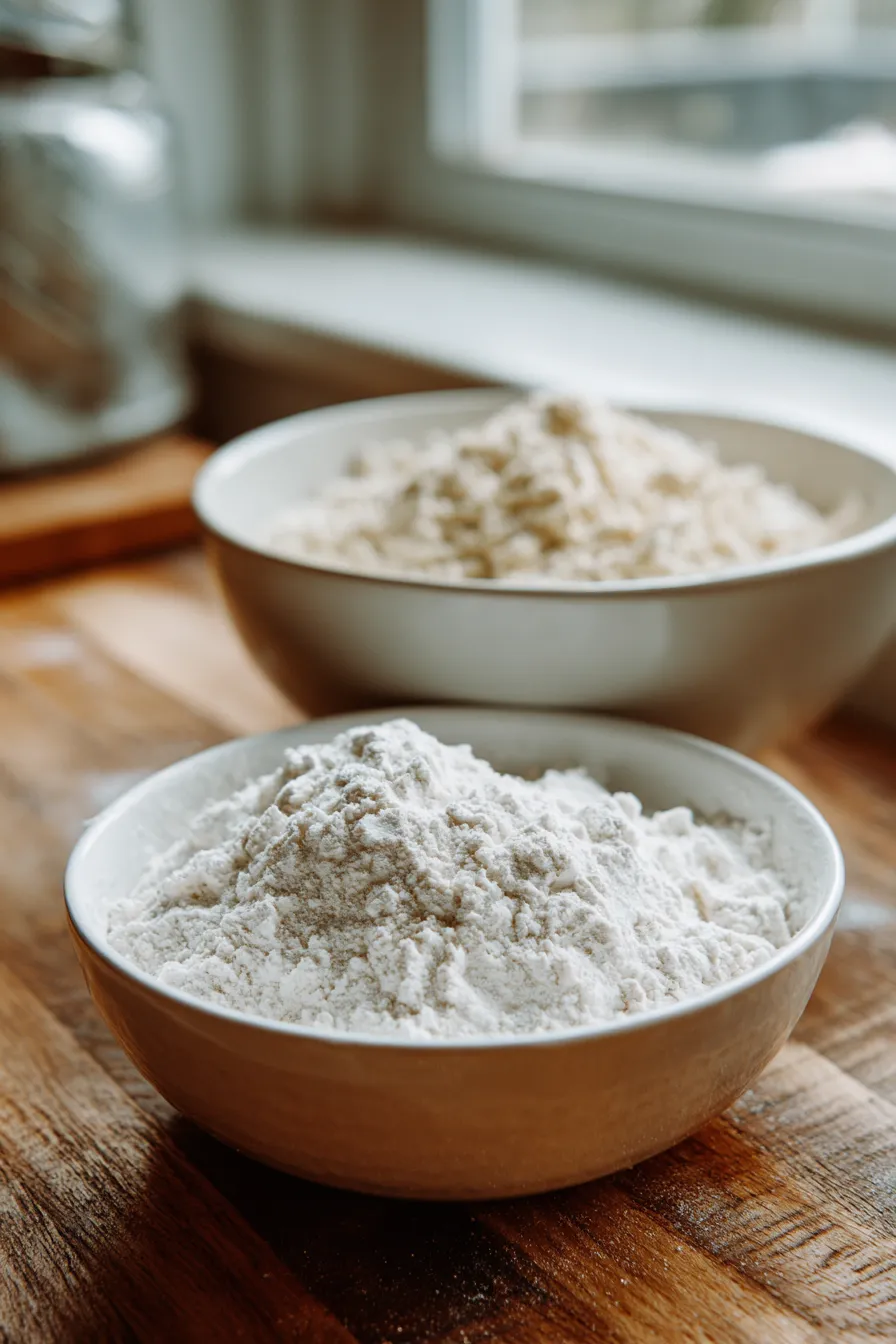
All-Purpose Flour: The Workhorse of the Kitchen
All-purpose flour, as the name suggests, is the most versatile flour you’ll find in most kitchens. It’s a blend of hard and soft wheat, offering a balance of protein content, typically around 10-12%. This protein is crucial because it develops gluten, which gives structure and chewiness to baked goods. All-purpose flour is your go-to for a wide range of recipes, from bread and pizza dough to cookies and muffins. It’s readily available, affordable, and a reliable choice for everyday baking.
The gluten development in all-purpose flour is moderate, which makes it suitable for various applications. It provides enough structure to hold cakes together but can also yield a slightly chewy texture in cookies. However, the moderate gluten content means it might not always produce the lightest or most tender results, especially when making delicate cakes. You can find more information about all-purpose flour here.
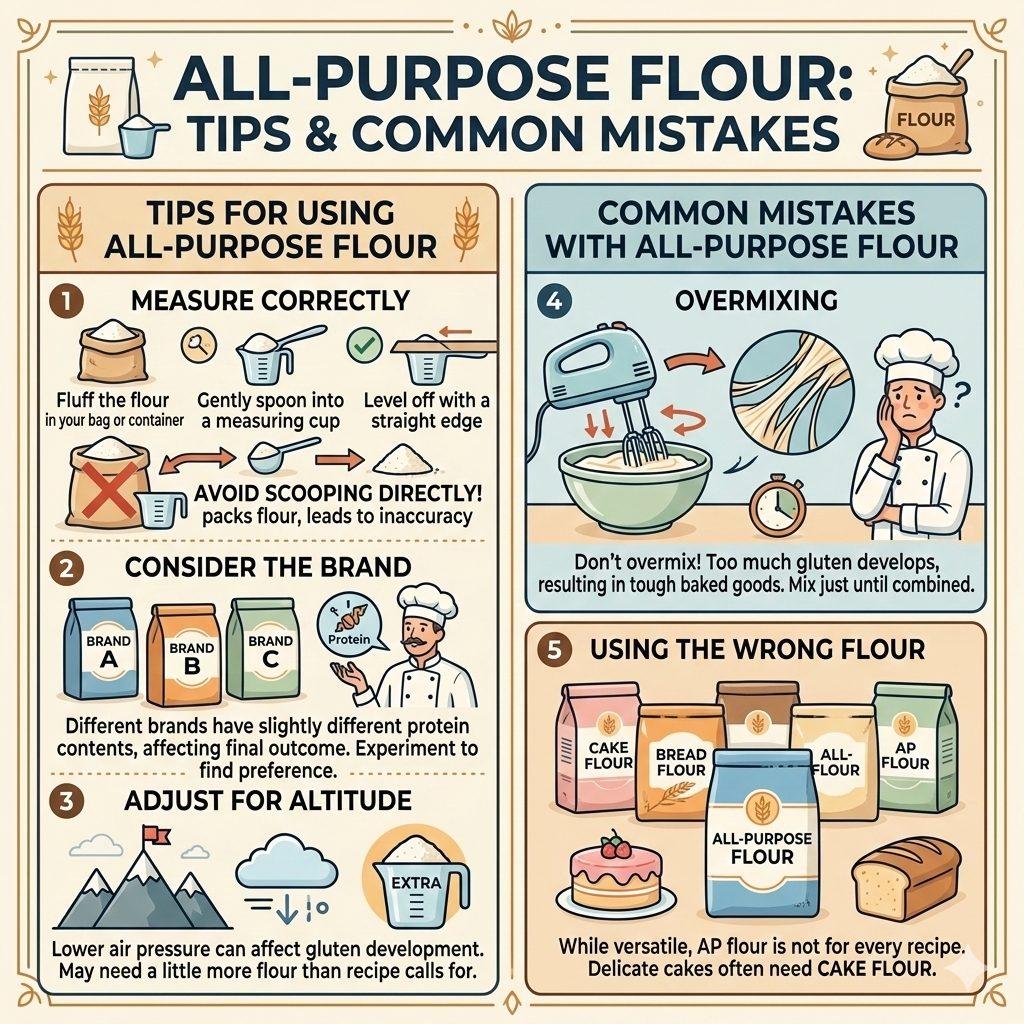
Tips for Using All-Purpose Flour:
- Measure correctly: Fluff the flour in your bag or container, then gently spoon it into your measuring cup and level it off with a straight edge. Avoid scooping directly from the bag, as this can pack the flour and lead to inaccurate measurements.
- Consider the brand: Different brands of all-purpose flour can have slightly different protein contents, which can affect the final outcome. Experiment with a few brands to see which one you prefer for your usual recipes.
- Adjust for altitude: If you bake at a high altitude, you may need to adjust the amount of flour, as the lower air pressure can affect gluten development. You might need to use a little more flour than the recipe calls for.
Common Mistakes with All-Purpose Flour:
- Overmixing: Overmixing can develop too much gluten, resulting in tough baked goods. Mix your batter just until the ingredients are combined.
- Using the wrong flour: While all-purpose flour is versatile, it may not be the best choice for every recipe. For delicate cakes, cake flour is often a better option.
Cake Flour: The Secret to Tender Cakes
Cake flour is a finely milled flour made from soft wheat. The most significant characteristic of cake flour is its low protein content, typically around 7-9%.
This lower protein level means less gluten development. The result? Cakes with a delicate, tender crumb and a soft texture that practically melts in your mouth. Cake flour also has a finer texture than all-purpose flour, which contributes to its superior quality in cakes and other delicate baked goods.
Cake flour is often bleached, although unbleached versions are available. The bleaching process helps to weaken the gluten and makes the flour even finer, resulting in a more tender cake. It’s important to note that the bleaching process doesn’t affect the nutritional value of the flour significantly.
Why Use Cake Flour?
- Tender Texture: The low protein content inhibits gluten development, leading to incredibly tender cakes.
- Fine Crumb: The finely milled texture creates a delicate, uniform crumb.
- Lightness: Cakes made with cake flour tend to be lighter and fluffier.
Examples of Recipes Where Cake Flour Shines:
- Angel food cake
- Sponge cake
- Layer cakes (especially those with delicate flavors)
- Cupcakes
- Some types of cookies (for a more tender result)
Tips for Using Cake Flour:
- Measure by weight: For the most accurate results, measure cake flour by weight using a kitchen scale. This will ensure you are using the correct amount of flour.
- Sift the flour: Sifting cake flour helps to remove any clumps and aerates the flour, which contributes to a lighter texture in your baked goods.
- Don’t overmix: As with all-purpose flour, avoid overmixing, as this can develop too much gluten and make your cake tough.
Common Mistakes with Cake Flour:
- Substituting with all-purpose flour without adjustments: If you substitute all-purpose flour for cake flour, your cake may be denser and less tender. You may also need to reduce the amount of flour slightly.
- Not sifting: Skipping the sifting step can lead to lumps and a less-than-perfect texture.
All-purpose flour vs. cake flour: A Side-by-Side Comparison
Let’s break down the key differences between all-purpose flour and cake flour:
| Feature | All-Purpose Flour | Cake Flour |
|---|---|---|
| Protein Content | 10-12% | 7-9% |
| Wheat Type | Blend of hard and soft wheat | Soft wheat |
| Gluten Development | Moderate | Low |
| Texture | Slightly coarse | Very fine |
| Best For | Versatile; cookies, muffins, bread, pizza dough | Cakes, cupcakes, delicate pastries |
| Result | Moderate structure; can be slightly chewy | Tender, delicate, and fine crumb |
The main difference lies in the protein content and the resulting gluten development. All-purpose flour provides a balance of structure and chewiness, while cake flour prioritizes tenderness and a delicate crumb. The choice between these two flours depends on the desired outcome of your baked goods.
Can You Substitute One for the Other?
While you can sometimes substitute all-purpose flour for cake flour, it’s not always a perfect swap. Your results will vary depending on the recipe. If you need to make a substitution, here’s what you can do:
Substituting All-Purpose Flour for Cake Flour:
In a pinch, you can use all-purpose flour in place of cake flour. To mimic the lower protein content of cake flour, measure out the all-purpose flour and then remove two tablespoons of flour for every cup needed. Replace the removed flour with two tablespoons of cornstarch. Sift the flour and cornstarch together before adding to your recipe. This helps to reduce the gluten development and create a slightly more tender texture.
Substituting Cake Flour for All-Purpose Flour:
Substituting cake flour for all-purpose flour is generally easier. Because cake flour has less protein, you will likely end up with a more tender result. You can use the same amount of cake flour as the recipe calls for all-purpose flour. However, you might find that your cookies spread a bit more, or your bread doesn’t rise as high.
Important Considerations:
- Recipe Specifics: Some recipes are more forgiving than others when it comes to flour substitutions. Delicate cakes and pastries will suffer more than heartier baked goods, such as muffins.
- Desired Texture: Consider the texture you’re aiming for. If you want a tender, delicate cake, using cake flour is the best choice. If you’re okay with a slightly chewier cookie, all-purpose flour will work fine.
Beyond the Basics: Other Types of Flour
While all-purpose and cake flour are the most common, there are other types of flour you might encounter in your baking journey. Knowing about these can expand your baking horizons.
- Bread Flour: Bread flour has a high protein content (around 12-14%), which develops a lot of gluten. This makes it ideal for bread and other baked goods that require a strong structure and chewy texture.
- Pastry Flour: Pastry flour sits between all-purpose and cake flour in terms of protein content (around 8-9%). It’s excellent for pastries, pie crusts, and biscuits, offering a balance of tenderness and structure.
- Self-Rising Flour: This flour has baking powder and salt already added. It’s convenient for recipes that call for these ingredients, but it’s not as versatile as other flours.
- Whole Wheat Flour: Made from the entire wheat kernel, whole wheat flour adds a nutty flavor and a denser texture to baked goods. It contains more fiber and nutrients than refined flours.
- Specialty Flours: There are many other specialty flours, such as almond flour, coconut flour, and gluten-free flours. These are often used in specific recipes, such as gluten-free baking.
Final Thoughts: Choosing the Right Flour
Choosing the right flour is an essential part of the baking process. Understanding the differences between all-purpose flour and cake flour will significantly improve your baking results.
All-purpose flour is your reliable workhorse, while cake flour is your secret weapon for creating tender, delicate desserts. Experiment with both flours, and you’ll soon discover which one is best for your favorite recipes. Happy baking!
FAQ
Here are some frequently asked questions about all-purpose flour and cake flour:
- Can I use cake flour for cookies?
Yes, you can use cake flour for cookies, and it will result in a more tender cookie. However, the cookies might spread more, so you may need to chill the dough before baking.
- Does cake flour make a difference in muffins?
Cake flour can be used in muffins to create a more tender crumb. However, the difference may not be as noticeable as in cakes. All-purpose flour works perfectly fine for muffins.
- Is it okay to use bread flour instead of all-purpose flour?
You can use bread flour instead of all-purpose flour, but your baked goods will likely have a chewier texture. Bread flour is ideal for recipes that need a strong structure, such as bread and pizza dough.
- How should I store different types of flour?
Store flour in an airtight container in a cool, dark, and dry place. This will help maintain its freshness and prevent it from absorbing odors or moisture. Properly stored flour can last for several months.
- Can I make my own cake flour?
Yes, you can make a cake flour substitute by combining all-purpose flour with cornstarch. For every cup of all-purpose flour, remove two tablespoons and replace them with two tablespoons of cornstarch. Sift the mixture before using it in your recipe.