Table of Contents
We’re diving deep into a fundamental question that often pops up in the kitchen: brown sugar vs. white sugar. It might seem like a simple choice, but understanding the differences between these two sweeteners can significantly impact your baking results.
Whether you’re a seasoned pro or just starting out, knowing when to use each type of sugar is key to creating delicious desserts. Let’s get started and unravel the secrets of these sweet staples. For a little extra inspiration, you can always find some fantastic dessert recipes to try out here.
The Basics: Unveiling the Differences
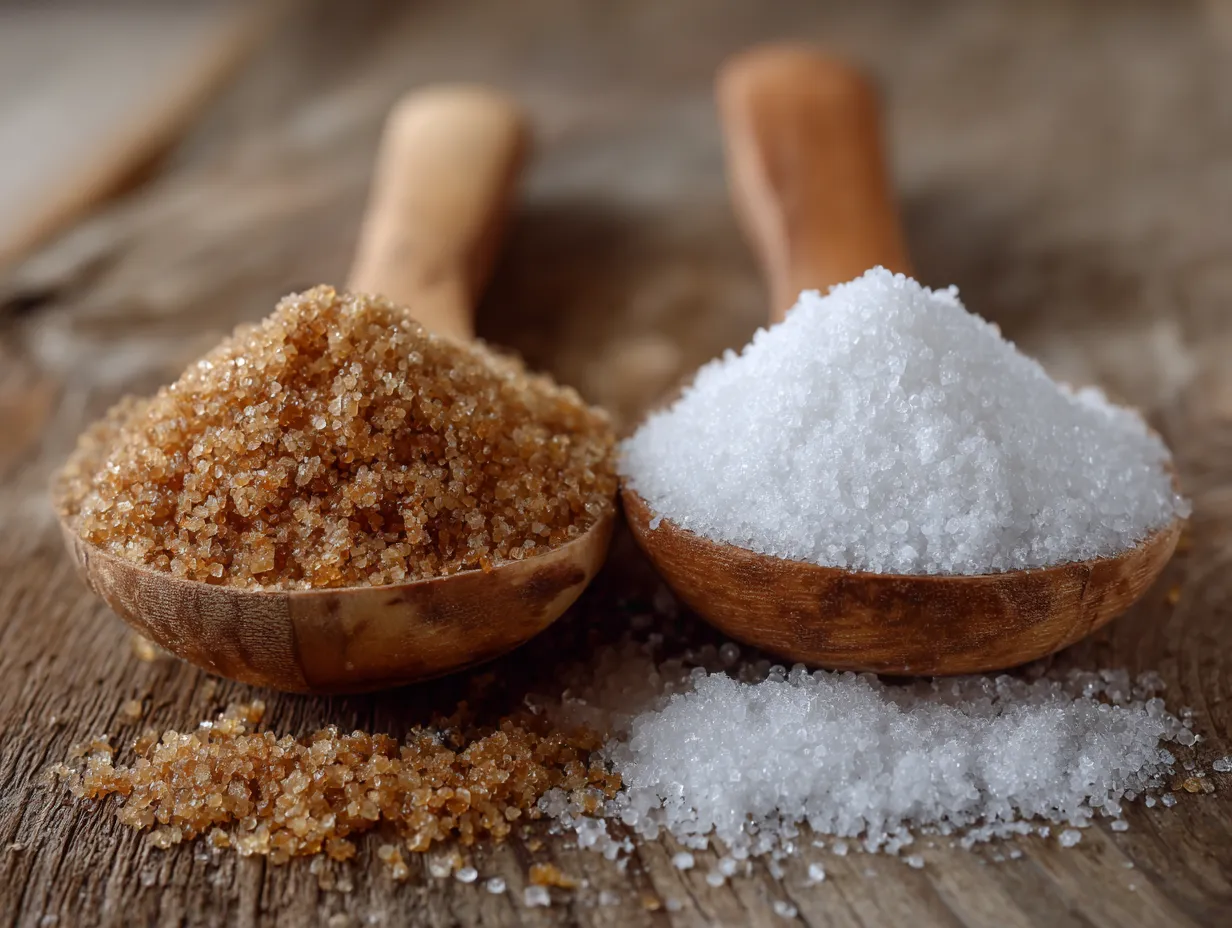
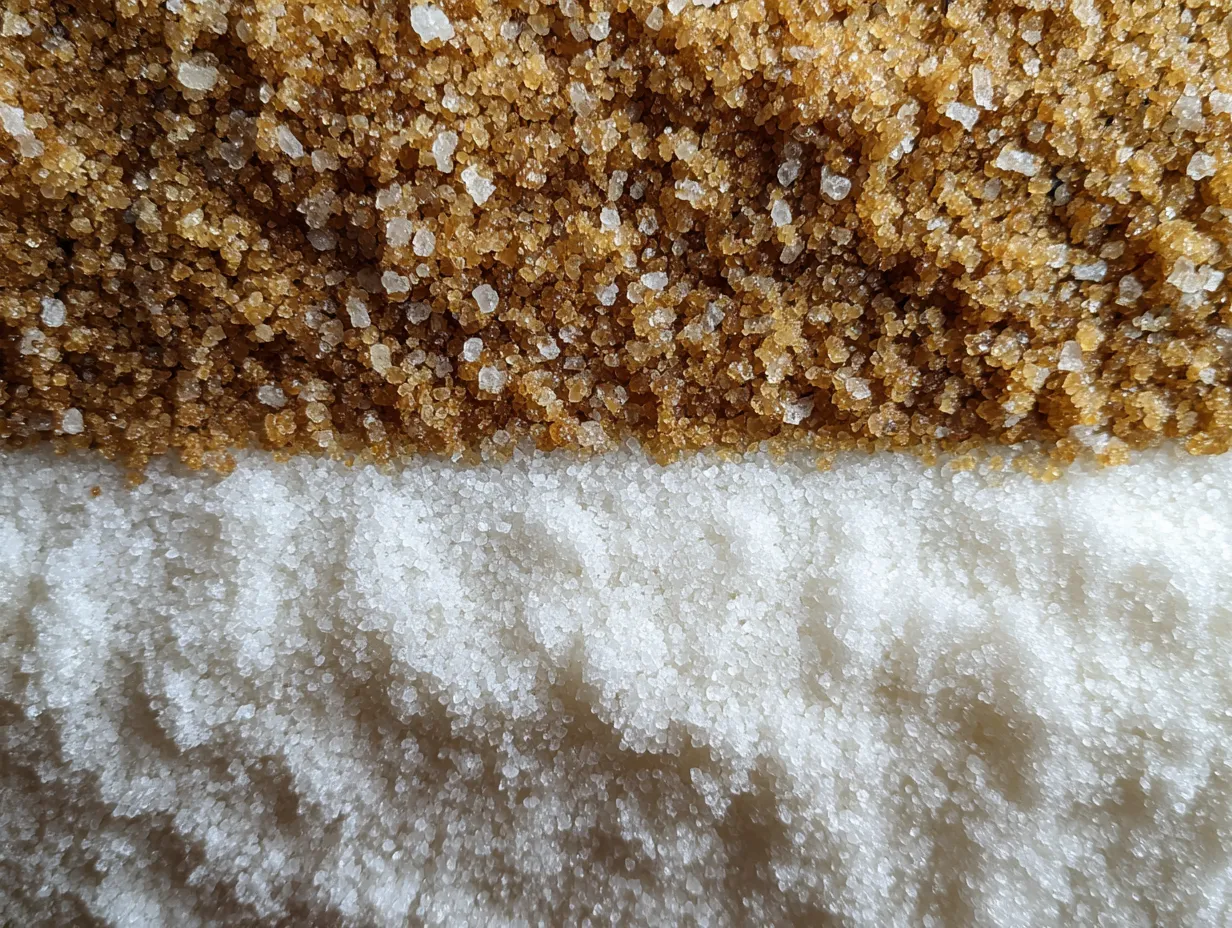
At their core, both brown sugar and white sugar are derived from sugarcane or sugar beets. However, the key difference lies in the processing and the addition of molasses.
White sugar, also known as granulated sugar, undergoes extensive refining to remove the molasses, resulting in pure sucrose crystals. It’s the cleanest, most neutral form of sugar, perfect for recipes where you want a consistent sweetness without any other flavor notes.
Brown sugar, on the other hand, is white sugar with molasses added back in. The molasses gives brown sugar its characteristic color, flavor, and moisture. The amount of molasses determines the type of brown sugar: light or dark. Light brown sugar has less molasses, offering a subtle caramel flavor, while dark brown sugar contains more molasses, resulting in a richer, more intense flavor profile. Understanding these nuances is crucial for choosing the right sugar for your baking project.
The type of sugar you choose directly affects the texture, flavor, and moisture content of your baked goods. For example, using the wrong sugar can lead to dry cookies or a cake that doesn’t rise properly. So, let’s explore the specific applications of each type of sugar to help you achieve baking success. To get a better understanding of the sugar-making process, you can explore more details here.
White Sugar: The Versatile Sweetener
White sugar is the workhorse of the baking world. Its neutral flavor makes it ideal for recipes where you want the other ingredients to shine. Think of delicate cakes, fluffy meringues, and crisp cookies. Because it’s pure sucrose, it provides a consistent sweetness and helps create a tender crumb in cakes and muffins.
Here’s a breakdown of white sugar’s key roles in baking:
- Sweetening: Obviously, white sugar provides sweetness. It’s the foundation of almost every dessert recipe.
- Tenderizing: Sugar interferes with gluten development, resulting in a more tender texture in baked goods.
- Browning: When heated, sugar undergoes the Maillard reaction, which contributes to browning and flavor development.
- Structure: Sugar helps create structure in baked goods, particularly in cakes and cookies.
Tips for Using White Sugar:
- Measure Accurately: Since white sugar is a key ingredient, measure it carefully using a kitchen scale for the most accurate results.
- Creaming Butter and Sugar: In many recipes, you’ll cream butter and sugar together. This process incorporates air, which helps leaven the baked goods.
- Storage: Store white sugar in an airtight container to prevent it from drying out and clumping.
Common Mistakes with White Sugar:
- Using Too Much: Over-sweetening can throw off the balance of flavors and make your baked goods cloying.
- Not Dissolving Properly: Make sure sugar is fully dissolved, especially in custards and meringues, to avoid a gritty texture.
Brown Sugar: Adding Depth and Moisture
Brown sugar brings a warm, molasses-infused depth of flavor to your baking. It’s a must-have for recipes where you want a caramel-like taste, a chewy texture, and a hint of moisture. Think of chocolate chip cookies, gingerbread, and brownies. The molasses in brown sugar adds a unique complexity that white sugar simply can’t replicate.
Here’s how brown sugar works its magic in baking:
- Flavor: The molasses provides a rich, caramel-like flavor that complements spices like cinnamon and ginger.
- Moisture: Brown sugar retains moisture, which helps keep baked goods soft and chewy.
- Texture: It contributes to a chewier texture in cookies and brownies.
- Browning: The molasses enhances browning, giving baked goods a beautiful color.
Tips for Using Brown Sugar:
- Choose the Right Type: Light brown sugar is great for a subtle molasses flavor, while dark brown sugar is perfect for a more intense taste.
- Pack it Down: When measuring brown sugar, pack it firmly into the measuring cup to ensure accuracy.
- Reviving Hard Brown Sugar: If your brown sugar has hardened, you can soften it by placing it in a container with a slice of bread or a damp paper towel.
Common Mistakes with Brown Sugar:
- Using Expired Brown Sugar: Brown sugar can dry out and lose its moisture and flavor over time.
- Substituting Incorrectly: Don’t substitute brown sugar for white sugar without adjusting other ingredients, as it will affect the texture and moisture of your baked goods.
Brown sugar vs white sugar: When to Use Which
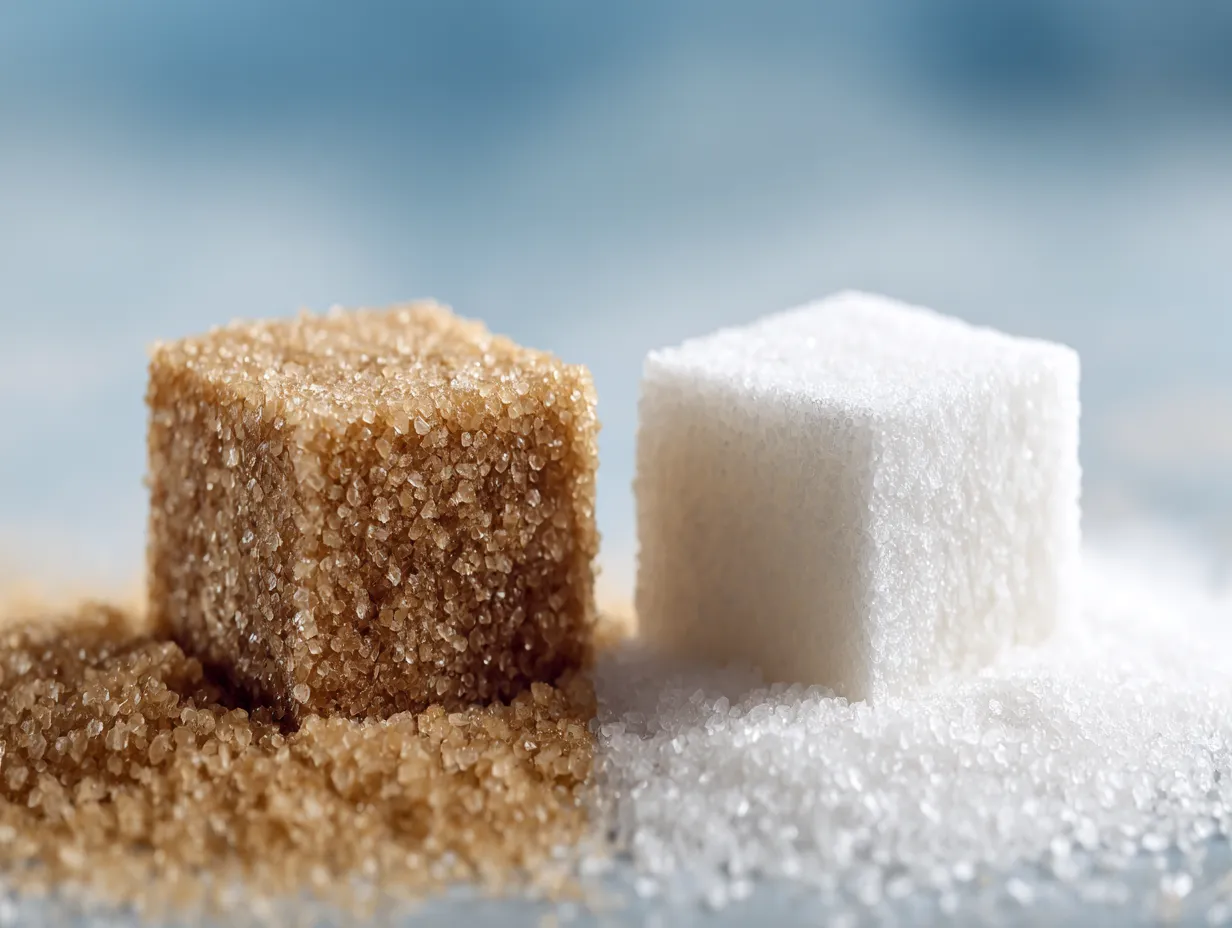
Now that we’ve covered the basics, let’s look at specific scenarios. Here’s a quick guide to help you choose between brown and white sugar:
| Recipe Type | Best Sugar | Why |
|---|---|---|
| Cakes (Vanilla, Yellow) | White Sugar | Provides a neutral sweetness and helps create a tender crumb. |
| Cookies (Chocolate Chip, Sugar) | Brown Sugar (for chewy), White Sugar (for crisp) | Brown sugar adds chewiness and caramel flavor; white sugar creates crispness. |
| Brownies | Brown Sugar | Adds moisture, chewiness, and a rich molasses flavor. |
| Muffins | White Sugar | Provides a balanced sweetness and helps with the rise. |
| Pies (Fruit) | Both (depending on the recipe) | White sugar for sweetness, brown sugar for flavor depth in the filling or crumble topping. |
| Meringues | White Sugar | Creates a stable structure and delicate sweetness. |
| Caramel | White Sugar or Brown Sugar (depending on desired flavor) | White sugar for a classic caramel; brown sugar for a richer, more complex caramel. |
Examples:
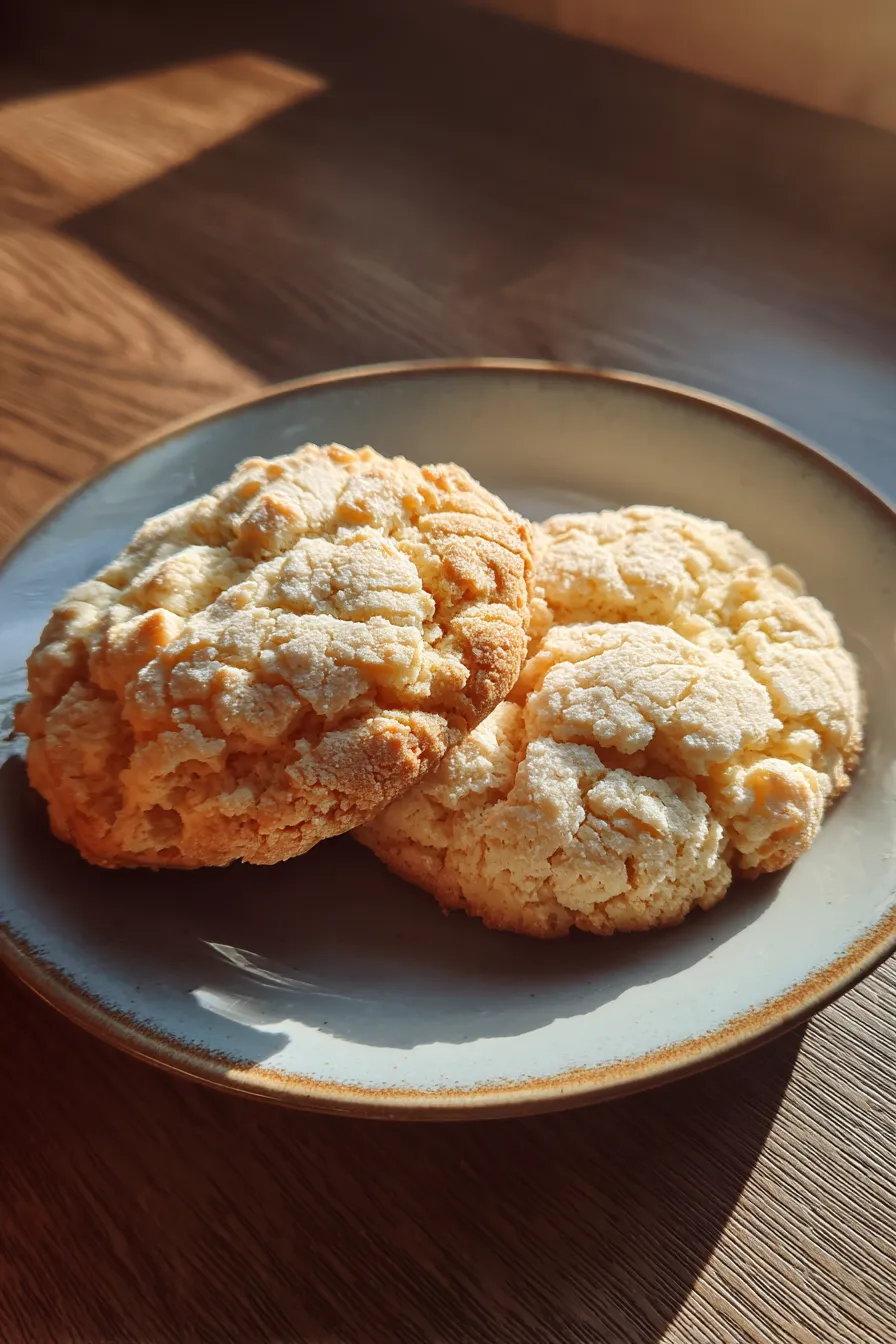
- Chocolate Chip Cookies: For chewy cookies, use a mix of brown and white sugar. The brown sugar adds moisture and a caramel flavor, while the white sugar helps with spreading. For crispier cookies, use more white sugar.
- Gingerbread: Dark brown sugar is essential for gingerbread. It delivers the rich molasses flavor and helps achieve the perfect texture.
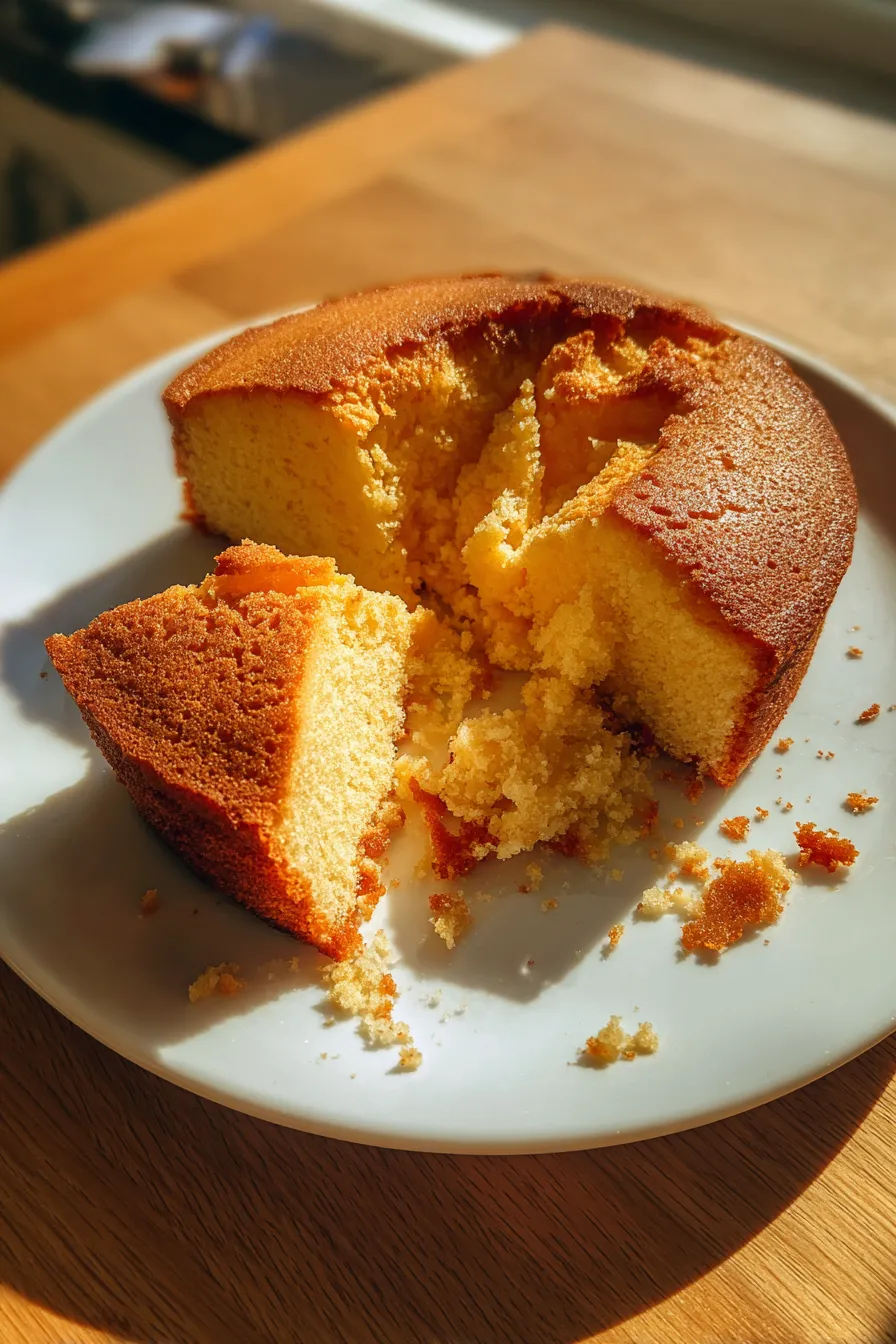
- Vanilla Cake: White sugar is the go-to choice for vanilla cake. It provides a clean sweetness that allows the vanilla flavor to shine.
Can You Substitute Brown Sugar for White Sugar?
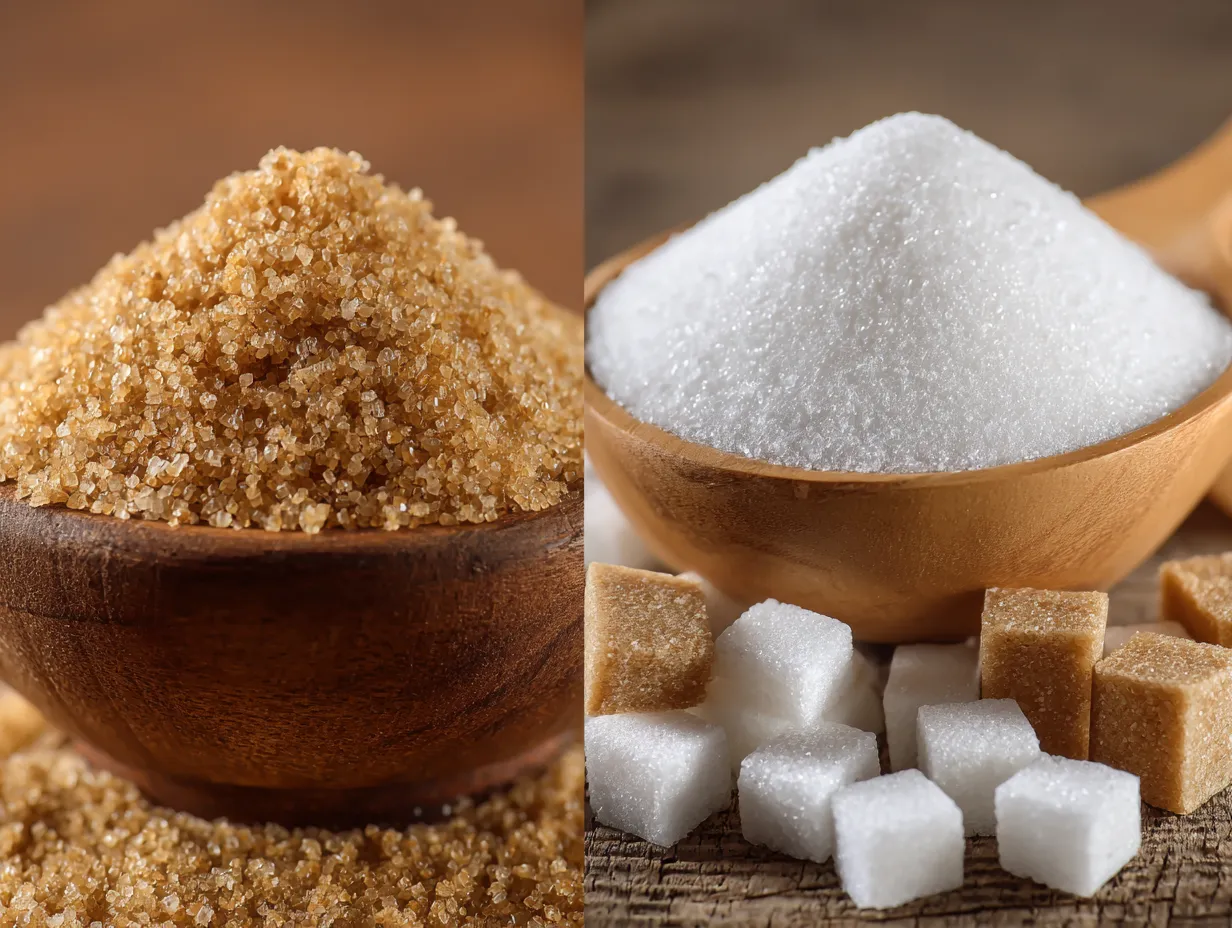
Yes, but with some caveats. Substituting brown sugar for white sugar can work, but it will change the final product’s flavor and texture. If a recipe calls for white sugar and you only have brown sugar, here’s what you need to consider:
- Flavor: The baked good will have a more pronounced molasses flavor.
- Texture: It will likely be chewier and moister.
- Adjustments: You may need to reduce the amount of liquid in the recipe, as brown sugar adds moisture.
Example:
If a recipe calls for 1 cup of white sugar, you can substitute with 1 cup of light brown sugar. However, be aware that the final product, such as a cake, might be a bit chewier and have a caramel-like flavor. You might also want to reduce the amount of liquid slightly to compensate for the extra moisture from the molasses.
When Not to Substitute:
- Meringues: The molasses in brown sugar can prevent the meringue from whipping properly.
- Delicate Cakes: The added moisture and flavor of brown sugar can alter the texture and taste of delicate cakes.
FAQ: Brown sugar vs white sugar Questions Answered
Here are some frequently asked questions to help you further master the art of sugar in baking:
1. Can I make my own brown sugar?
Yes, you absolutely can! It’s easy to make brown sugar at home. Simply combine white sugar with molasses. For light brown sugar, mix 1 cup of white sugar with 1 tablespoon of molasses. For dark brown sugar, use 2 tablespoons of molasses per cup of white sugar. Mix well until the molasses is evenly distributed.
2. Why is my brown sugar hard as a rock?
Brown sugar hardens because the moisture evaporates. To soften it, place the hardened sugar in an airtight container with a slice of bread, a few apple slices, or a damp paper towel. The moisture will rehydrate the sugar. Leave it for a few hours or overnight, and it should soften up.
3. Does the type of molasses matter when making brown sugar?
Yes, the type of molasses does matter. The quality and flavor of the molasses will affect the taste of your brown sugar. Use a good-quality molasses for the best results. Blackstrap molasses has a very strong, bitter flavor, so it’s best to avoid it when making brown sugar unless you want a very intense taste. For most baking, regular or unsulphured molasses works well.
4. How do I store brown sugar to prevent it from hardening?
Store brown sugar in an airtight container. You can also add a terra cotta disk that has been soaked in water to the container. The disk will release moisture, helping to keep the sugar soft. Avoid storing brown sugar in a place with high humidity, as this can cause it to clump.
5. Can I use white sugar in place of brown sugar in a recipe?
Yes, you can substitute white sugar for brown sugar, but the results will be different. The baked good will be less chewy and have a less pronounced molasses flavor. You might need to add a small amount of molasses to the recipe to get a similar flavor profile. Be prepared for a change in texture and flavor.
Happy baking, and remember, the right sugar can make all the difference!