Table of Contents
Today, we’re diving deep into a question that’s been asked in kitchens for generations: Butter vs. oil in cakes. This seemingly simple choice can dramatically impact the texture, flavor, and overall success of your dessert.
Whether you’re a seasoned pro or just starting out, understanding the nuances of these two ingredients is key to achieving cake perfection. Let’s explore the pros and cons of each, uncover some common mistakes, and equip you with the knowledge to make informed decisions for your next baking adventure.
Ready to elevate your cake game? Let’s get started! For more baking tips, you can explore various baking tips.
Butter: The Classic Choice
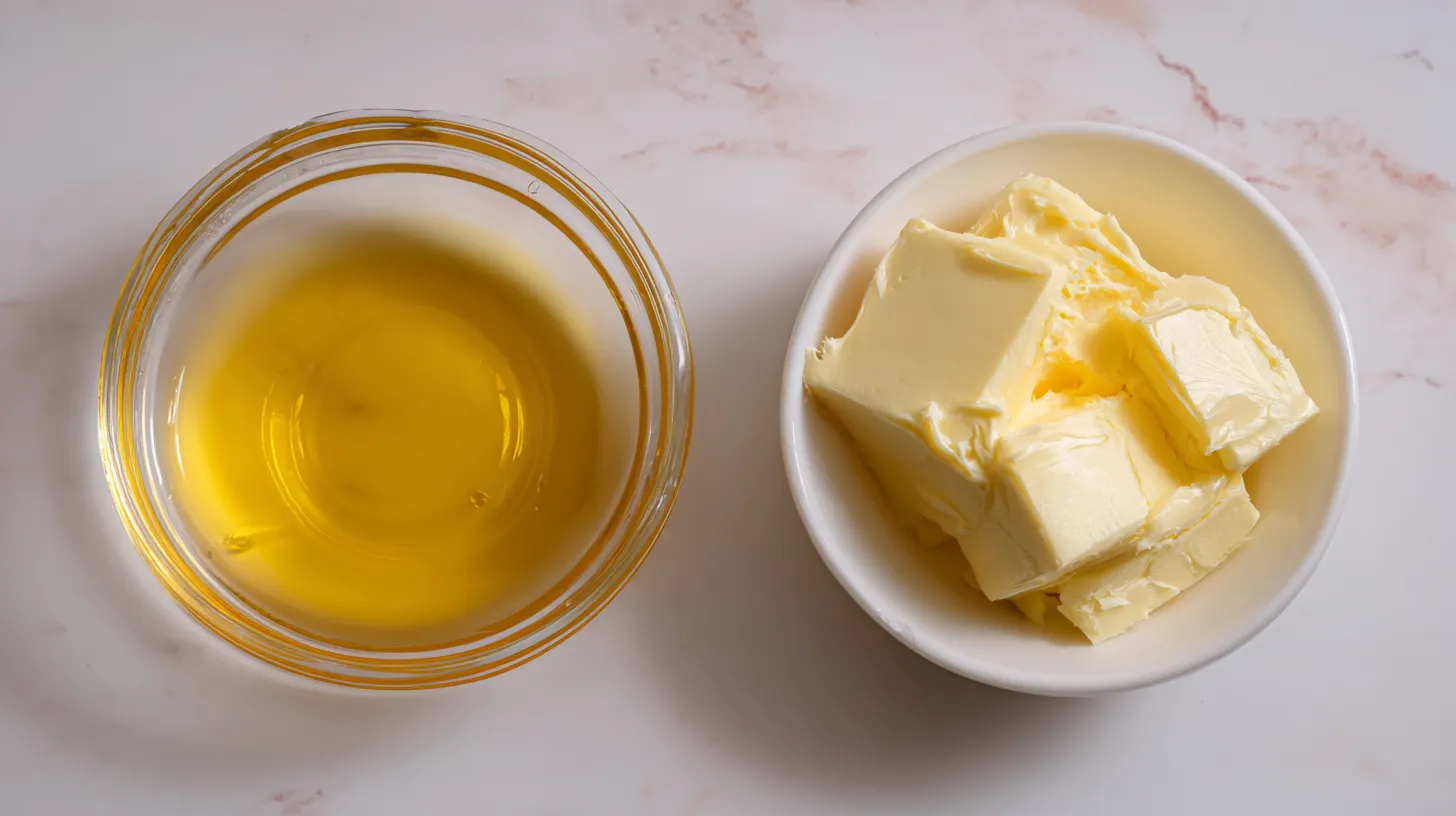
Butter, with its rich, creamy flavor, has long been the gold standard for many bakers. It’s a natural choice, offering a familiar taste that many of us associate with comfort and indulgence. But what makes butter so special in the realm of cakes?
Flavor: Butter contributes a depth of flavor that’s hard to replicate. Its natural fats impart a delicious, almost savory note that enhances the overall taste profile of the cake. This is particularly noticeable in cakes where butter is a primary ingredient, like pound cakes or butter cakes.
Texture: Butter’s solid nature at room temperature allows it to trap air when creamed with sugar. This process creates a light and airy texture in your cake. It also contributes to a tender crumb, making each bite a delightful experience. However, it can also lead to a denser cake if over-mixed.
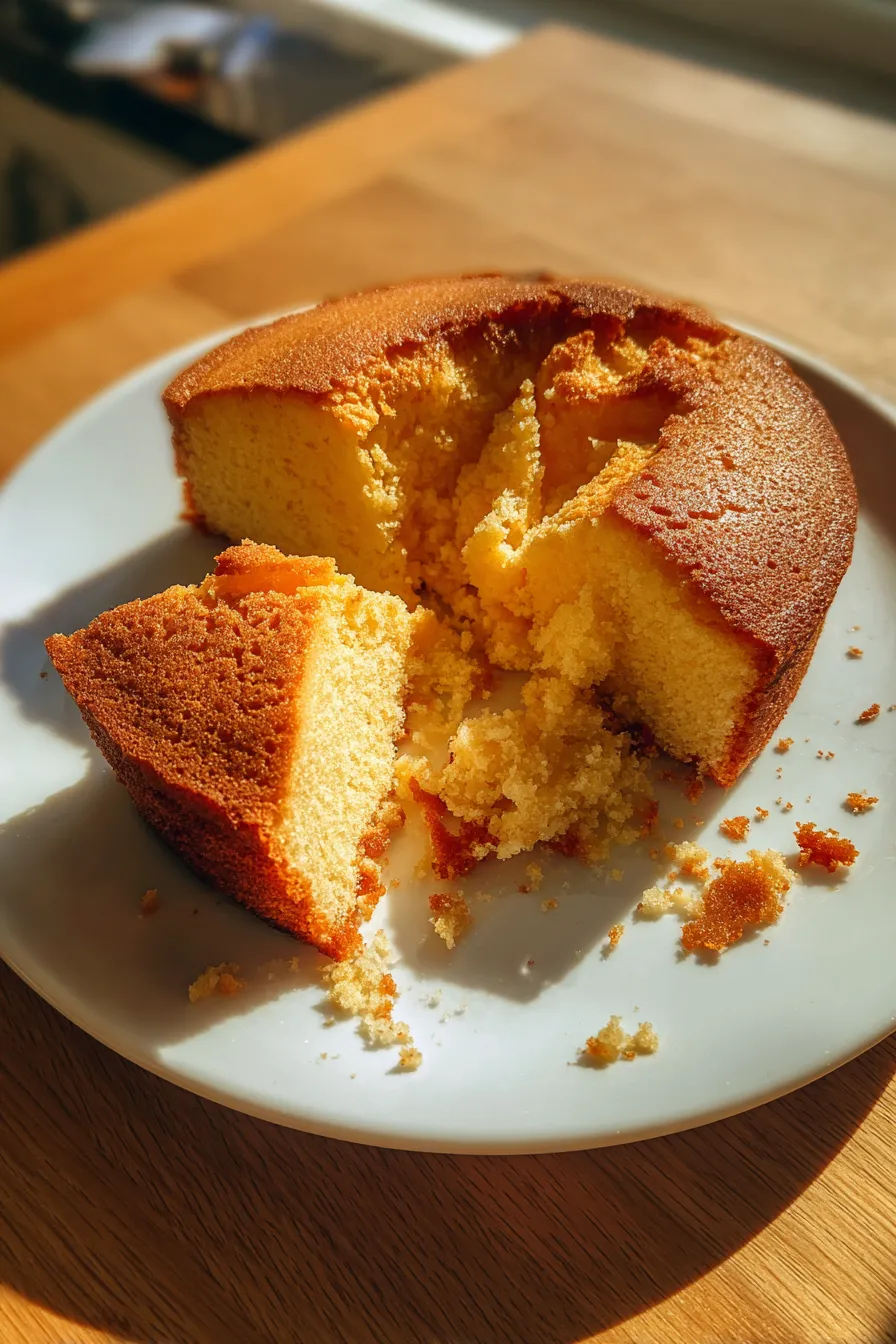
Appearance: Butter can create a beautiful, golden-brown crust and a moist interior. The fats in butter help with browning, giving your cake an appealing visual presentation. Consider the role of butter when you are looking for a cake with a great look. You can read more about it on cake appearance.
Types of Butter:
- Unsalted Butter: This is the preferred choice for baking, as it allows you to control the amount of salt in your recipe.
- Salted Butter: While convenient, salted butter can alter the balance of flavors in your cake. It’s best to stick with unsalted butter and add salt according to the recipe.
- European Butter: Often higher in butterfat, European butter can add extra richness and flavor, but it’s not always necessary for a great cake.
Tips for Using Butter:
- Temperature Matters: Always use softened butter (but not melted) when creaming it with sugar. This allows for proper air incorporation.
- Creaming Technique: Cream butter and sugar together until light and fluffy. This step is crucial for achieving a light and airy texture.
- Don’t Overmix: Overmixing can lead to a tough cake. Mix until the ingredients are just combined.
Oil: The Moistness Master
Oil, particularly vegetable oil or canola oil, is a fantastic alternative to butter. It’s known for its ability to produce incredibly moist cakes, and it offers some unique advantages.
Moistness: Oil-based cakes are often moister than butter-based cakes. This is because oil coats the flour particles, preventing gluten development and resulting in a tender crumb. It also stays liquid at room temperature, which contributes to a more consistently moist texture.
Ease of Use: Oil-based cakes are often quicker and easier to make. You don’t need to cream butter and sugar, which simplifies the process and saves time. This can be a great advantage when you’re short on time.
Cost: Oil is generally less expensive than butter, making it a budget-friendly option. This can be especially helpful if you’re baking for a large crowd or on a tight budget.
Flavor: Oil imparts a more neutral flavor, which can be beneficial if you want the other flavors in your cake to shine through. It allows the flavors of other ingredients, like vanilla or chocolate, to take center stage.
Types of Oil:
- Vegetable Oil: A common and versatile choice, it has a neutral flavor and is readily available.
- Canola Oil: Similar to vegetable oil, canola oil also has a neutral flavor and is a great option for baking.
- Olive Oil: While it can be used, olive oil’s distinct flavor may not be suitable for all cakes. It works well in cakes where its flavor complements the other ingredients.
- Coconut Oil: It can add a subtle coconut flavor. Refined coconut oil has a more neutral flavor.
Tips for Using Oil:
- Measure Accurately: Oil can be tricky to measure, so use liquid measuring cups for accuracy.
- Don’t Overmix: Overmixing can still lead to a dense cake, even with oil. Mix until the ingredients are just combined.
- Consider the Flavor: Choose an oil with a flavor that complements your cake’s other ingredients.
Butter vs. Oil: The Showdown
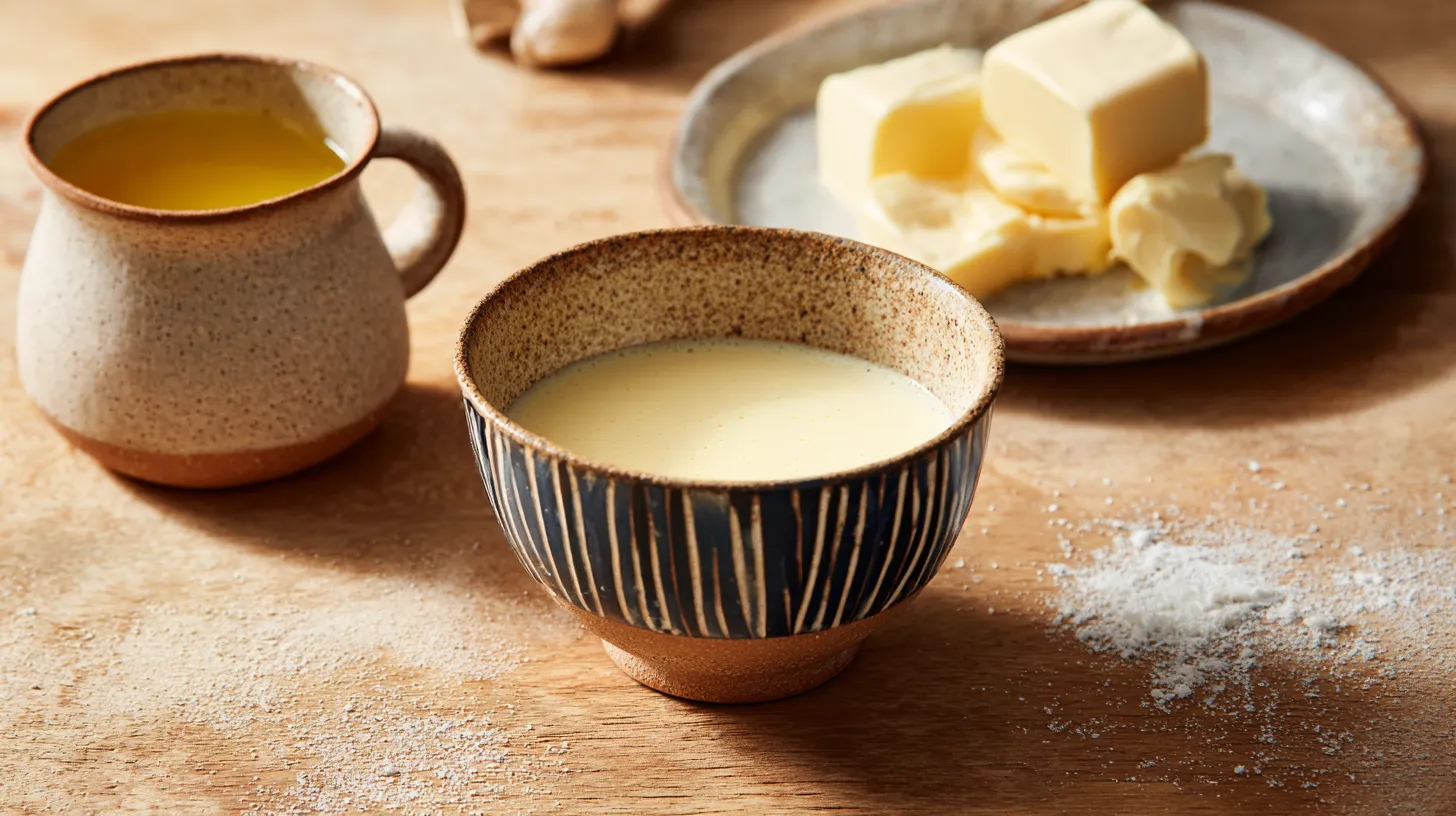
So, which is better? The answer isn’t a simple one. It depends on the type of cake you’re making and your desired outcome.
Butter is generally preferred for:
- Cakes where flavor is paramount (e.g., butter cakes, pound cakes)
- Cakes that require a specific texture (e.g., a delicate crumb)
- Cakes where a golden-brown crust is desired
Oil is generally preferred for:
- Cakes where moistness is the primary goal (e.g., chocolate cakes, carrot cakes)
- Cakes that need to be made quickly and easily
- Cakes where a neutral flavor is desired
Hybrid Approach: Some recipes call for a combination of butter and oil. This allows you to get the best of both worlds – the flavor and structure of butter, along with the moistness of oil. Try experimenting with this approach!
Common Mistakes and How to Avoid Them
Let’s look at some common mistakes bakers make when using butter or oil in cakes and how to avoid them.
Mistake: Using Cold Butter
Problem: Cold butter won’t cream properly with sugar, resulting in a dense cake. You won’t be able to incorporate enough air.
Solution: Ensure your butter is softened to room temperature before starting. It should be soft enough to make an indent but not melted.
Mistake: Overmixing
Problem: Overmixing develops gluten in the flour, leading to a tough cake. This is a common issue with both butter and oil-based cakes.
Solution: Mix until the ingredients are just combined. Stop mixing as soon as the batter is smooth.
Mistake: Using the Wrong Type of Oil
Problem: Using an oil with a strong flavor (like olive oil) in a cake where you want a neutral flavor can overpower the other ingredients.
Solution: Choose an oil with a neutral flavor, such as vegetable oil or canola oil, unless you specifically want the oil’s flavor to come through.
Mistake: Not Measuring Ingredients Accurately
Problem: Inaccurate measurements can throw off the balance of the recipe, leading to a cake that’s too dry, too dense, or doesn’t rise properly.
Solution: Use measuring cups and spoons for dry ingredients and liquid measuring cups for wet ingredients. For the best results, use a kitchen scale to weigh your ingredients, especially flour.
Mistake: Baking at the Wrong Temperature
Problem: Baking at too low a temperature can result in a cake that doesn’t rise properly. Baking at too high a temperature can lead to a cake that browns too quickly on the outside but is still raw inside.
Solution: Always preheat your oven to the correct temperature and use an oven thermometer to ensure accuracy.
Beyond the Basics: Advanced Techniques
Once you’ve mastered the basics, you can explore some advanced techniques to further refine your cake-baking skills.
Brown Butter: Browning butter before adding it to your cake batter adds a nutty, complex flavor. This is particularly delicious in cakes like financiers or madeleines.
Infused Oils: Infusing oil with herbs or spices can add another layer of flavor to your cakes. For example, you could infuse olive oil with rosemary for a savory cake.
Emulsification: Understanding emulsification (the process of combining two liquids that don’t usually mix, like oil and water) is crucial for achieving the perfect cake batter. Proper emulsification ensures a smooth, even texture.
Recipe Adaptations: Converting Butter to Oil and Vice Versa
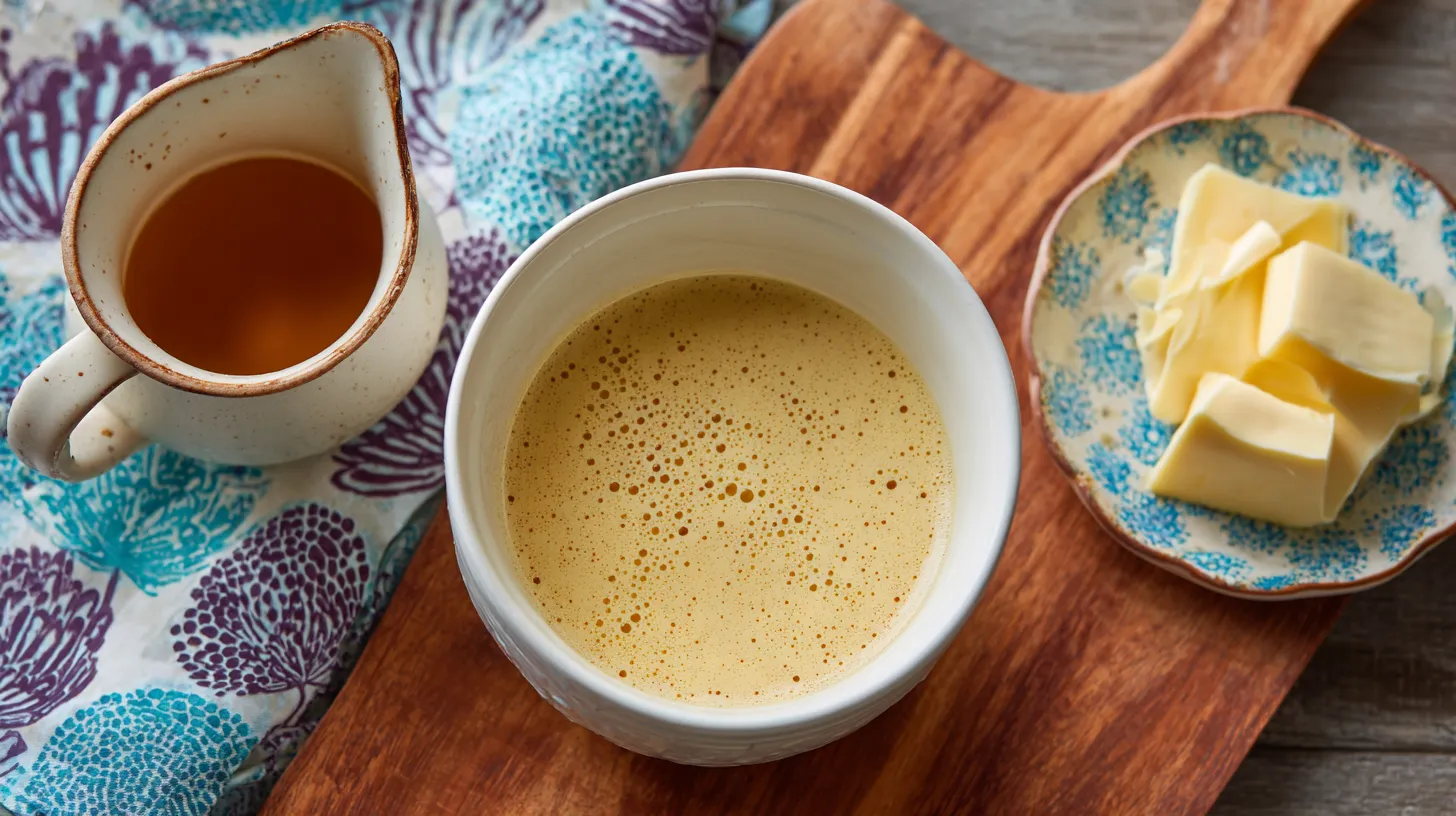
Can you substitute butter for oil, or vice versa? Yes, but there are a few things to keep in mind.
Converting Butter to Oil:
Ratio: Generally, you can substitute oil for butter in a 1:1 ratio. However, you might need to reduce the amount of liquid slightly, as oil adds more moisture than butter.
Adjustments: Since oil provides less structure than butter, you might need to add a tablespoon or two of flour to the recipe to compensate.
Flavor: The cake’s flavor will be different. You will lose the buttery flavor.
Converting Oil to Butter:
Ratio: Use the same weight of butter as the oil called for in the recipe.
Adjustments: You may need to add a little more liquid, because butter has less moisture than oil. Also, cream the butter and sugar for a longer time to incorporate more air.
Texture: The cake may be slightly denser, as butter provides more structure.
Conclusion: Baking Your Best Cake
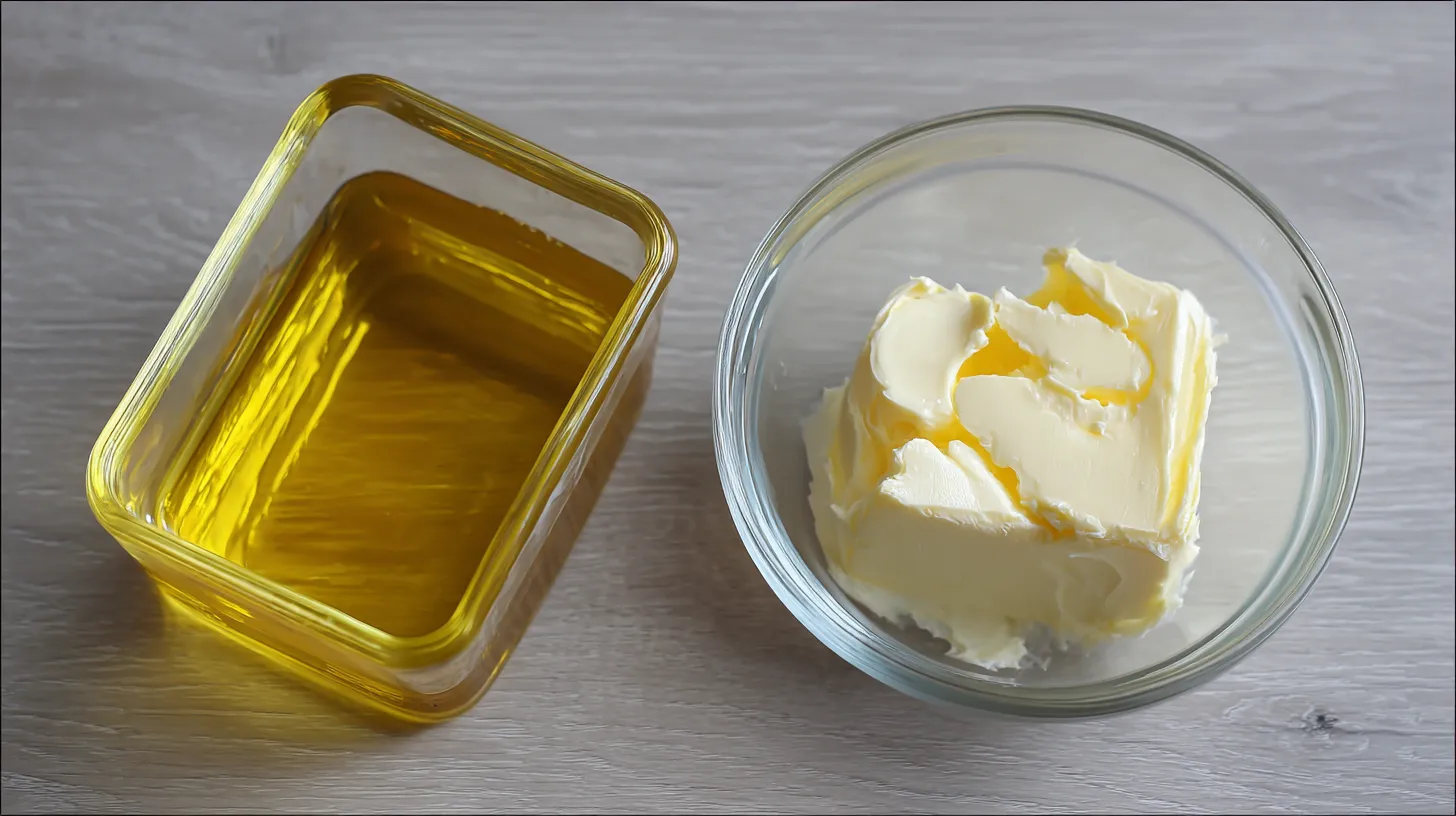
Choosing between butter and oil in your cakes is a creative decision. Consider the flavor, texture, and your personal preferences. Don’t be afraid to experiment, try new recipes, and find what works best for you. Happy baking!
FAQ for Butter vs oil in cakes
Here are some frequently asked questions about using butter versus oil in cakes:
1. Can I use melted butter instead of softened butter?
No, melted butter won’t cream properly with the sugar. This will result in a dense cake. Always use softened butter when creaming it with sugar.
2. Does the type of oil matter?
Yes, the type of oil can affect the flavor of your cake. For a neutral flavor, use vegetable or canola oil. For a more distinct flavor, you can use olive oil or coconut oil, but be mindful of how their flavors will combine with the other ingredients.
3. How can I tell if my cake is done?
Insert a toothpick or cake tester into the center of the cake. If it comes out clean or with a few moist crumbs, the cake is done. Also, the edges of the cake should be pulling away from the sides of the pan.
4. Can I freeze a cake made with butter or oil?
Yes, both butter and oil-based cakes freeze well. Wrap the cooled cake tightly in plastic wrap and then in foil before freezing. Thaw in the refrigerator overnight before serving.
5. What if my cake is too dry?
If your cake is too dry, it could be due to overbaking, too much flour, or not enough fat. Next time, try reducing the baking time, using a little more oil or butter, and making sure you measure your ingredients accurately.
You can also try adding a simple syrup or soaking the cake layers with a flavored liquid to add moisture.