Table of Contents
Hello, fellow bakers! Have you ever stared at a recipe, confused about whether to reach for that familiar red box of baking soda or the slightly less exciting-looking baking powder? You’re not alone! These two leavening agents are essential for many of our favorite desserts, but they’re not interchangeable.
Understanding the difference between baking powder vs baking soda is the key to achieving perfectly risen cakes, fluffy muffins, and cookies with just the right amount of spread. Let’s demystify these ingredients and get you baking with confidence! Before we dive in, if you’re looking for some delicious dessert recipes to try out your new knowledge, check out some options here.
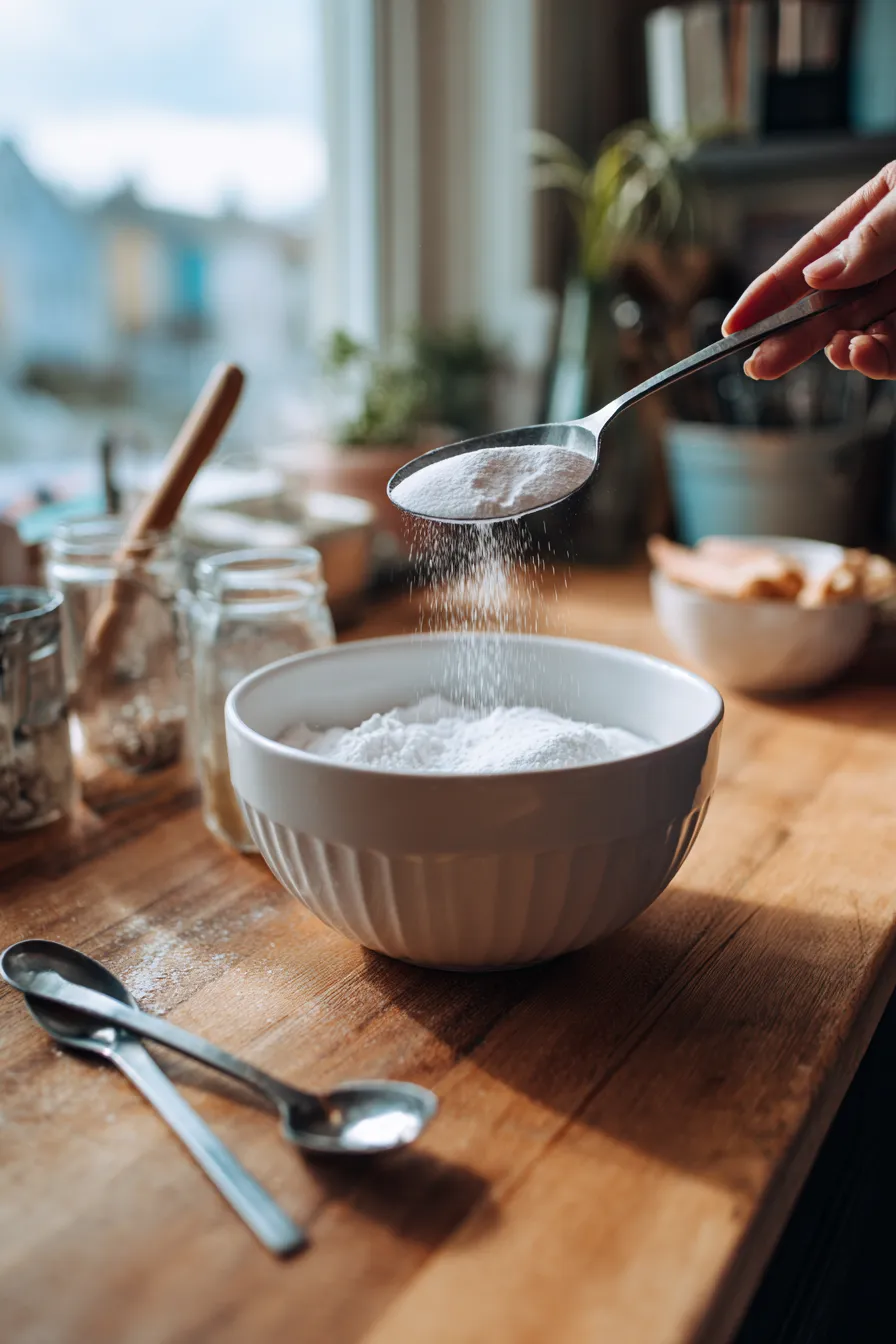
Baking Soda: The Basics
Baking soda (sodium bicarbonate) is a base. This means it needs an acid to react and produce carbon dioxide, the gas that makes your baked goods rise. Think of it as the catalyst for the magic! Without an acid, baking soda won’t do much in your recipe, and your cookies might end up flat.
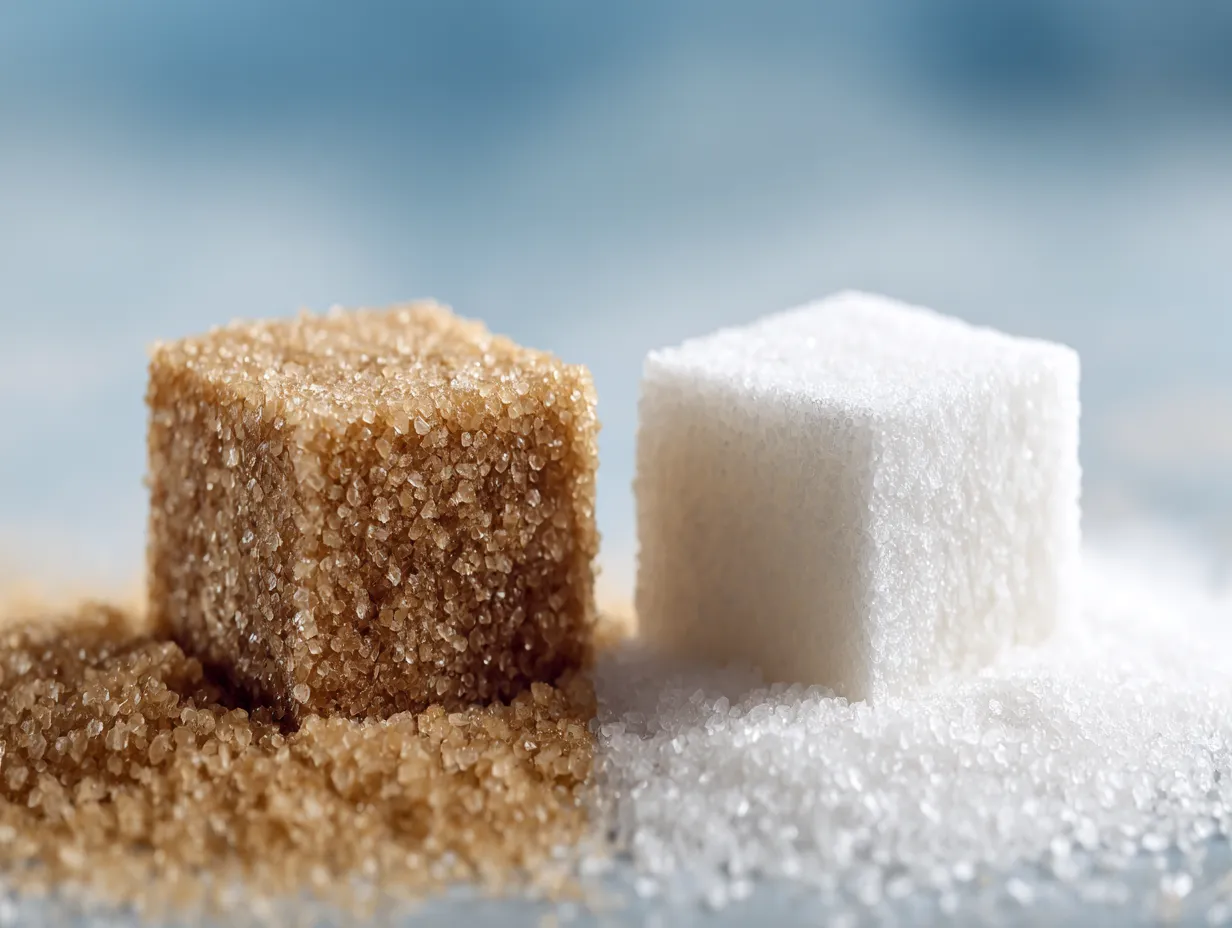
Common acidic ingredients in baking include buttermilk, yogurt, lemon juice, vinegar, brown sugar, or even cocoa powder. If a recipe contains one or more of these acidic ingredients, you’ll likely need baking soda.
A good example is a classic buttermilk biscuit recipe. The buttermilk provides the necessary acid to activate the baking soda, resulting in light, fluffy biscuits. Without that acid, the biscuits won’t rise properly. You’ll notice a distinct tang in recipes that use baking soda, thanks to the acidic ingredients. And if you’re looking for a deeper dive into the science, check out this resource.
Common Mistakes with Baking Soda:
- Using Expired Baking Soda: Baking soda loses its potency over time. Always check the expiration date and replace it if it’s past. A simple test: mix a teaspoon of baking soda with a couple of tablespoons of vinegar. If it doesn’t fizz, it’s time for a new box.
- Not Enough Acid: If your recipe calls for baking soda but doesn’t have enough acid, your baked goods might not rise. You can sometimes add a bit more of the acidic ingredient (like a splash of lemon juice) to compensate, but it’s best to follow the recipe closely.
- Too Much Baking Soda: Using too much baking soda can leave a metallic or bitter taste in your baked goods. It can also cause the batter to brown too quickly. This is a common issue with recipes that aren’t properly balanced.
Baking Powder: The All-in-One Leavener
Baking powder is a complete leavening agent. It contains both an acid and a base (baking soda), along with a drying agent, usually cornstarch, to keep the ingredients stable. Unlike baking soda, baking powder doesn’t need an additional acid to work. It comes ready to go! There are two main types of baking powder: single-acting and double-acting.
Single-acting baking powder reacts when it gets wet, meaning you need to get your batter into the oven quickly after mixing. Double-acting baking powder has a first reaction when mixed with liquid but a second, stronger reaction when heated in the oven. Most baking powders sold today are double-acting, providing a bit more flexibility in your baking process.
Baking powder is ideal for recipes that don’t contain acidic ingredients, such as plain cakes, pancakes, and scones. It provides a consistent rise without any added tanginess. Because it’s a complete leavening agent, using baking powder simplifies the recipe. You can use it in recipes where you don’t want any additional flavors from acidic ingredients.
Tips for Using Baking Powder:
- Check the Expiration Date: Like baking soda, baking powder loses its effectiveness over time. Test it by adding a teaspoon to a half cup of hot water. It should fizz vigorously. If it doesn’t, it’s time for a new container.
- Measure Accurately: Using too much baking powder can lead to a slightly bitter taste and a coarse texture. Follow the recipe carefully.
- Don’t Overmix: Overmixing can deflate the air bubbles created by the baking powder, resulting in a denser final product. Gently fold the ingredients together until just combined.
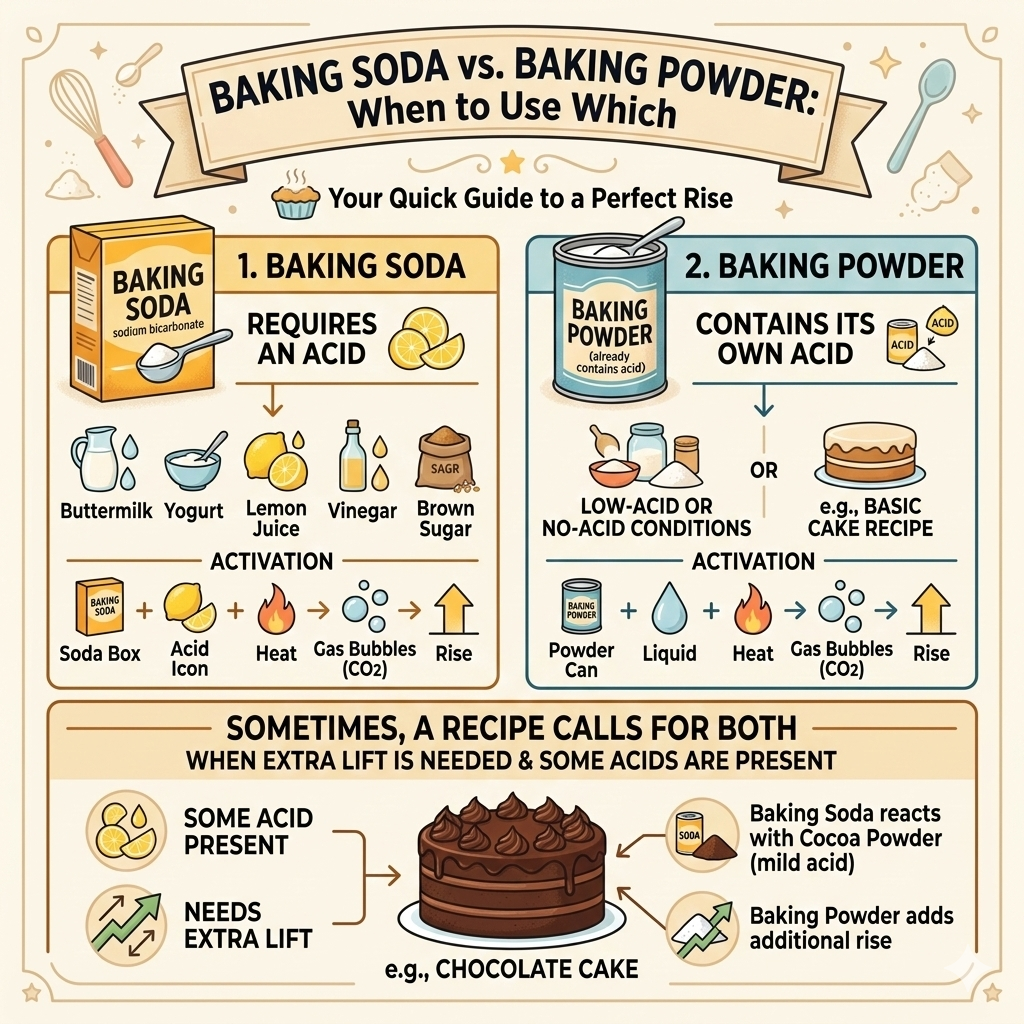
Baking powder vs baking soda: When to Use Which
The key to choosing between baking soda and baking powder is understanding the other ingredients in your recipe. Here’s a quick guide:
- Use Baking Soda When: The recipe contains acidic ingredients like buttermilk, yogurt, lemon juice, vinegar, or brown sugar.
- Use Baking Powder When: The recipe doesn’t contain acidic ingredients, or only a small amount, such as in a basic cake recipe.
Sometimes, a recipe may call for both baking soda and baking powder. This is often the case when a recipe contains some acid but also needs extra lift. For example, a chocolate cake might use both: baking soda to react with the cocoa powder and baking powder for additional rise.
Examples:
- Chocolate Chip Cookies: Typically use baking soda to react with the acidity in brown sugar and create that classic chewy texture.
- Pancakes: Usually use baking powder for a light and fluffy result, as the batter doesn’t usually contain acidic ingredients.
- Angel Food Cake: Relies solely on baking powder for its airy texture, as it doesn’t contain any acidic ingredients.
- Banana Bread: Often uses both baking soda (to react with the mashed bananas) and baking powder (for extra lift).
Substitutions and Adjustments
Can you substitute baking powder for baking soda, or vice versa? It’s tricky, but sometimes you can make adjustments. However, it’s not always a perfect swap, and the results might not be exactly what you expect.
Substituting Baking Soda for Baking Powder:
You can sometimes substitute baking soda for baking powder, but you’ll need to add an acidic ingredient to the recipe. Use about 1/4 teaspoon of baking soda for every teaspoon of baking powder the recipe calls for. Then, you’ll need to add an acid, such as:
- 1/2 teaspoon of cream of tartar
- 1/4 cup of buttermilk or yogurt (reduce the amount of liquid in the recipe accordingly)
- 1/4 teaspoon of lemon juice or vinegar (reduce the amount of liquid in the recipe accordingly)
Keep in mind that this substitution works best in recipes with some liquid, as the acid needs a medium to react. Also, the added acid may change the flavor profile of the final product.
Substituting Baking Powder for Baking Soda:
Substituting baking powder for baking soda is generally less successful. Baking powder is less potent than baking soda, so you’d need to use a lot more of it. If you try this, use three times the amount of baking powder as the baking soda called for. However, your baked goods might have a slightly metallic taste due to the extra baking powder, and the rise might not be as strong.
A Note on Self-Rising Flour:
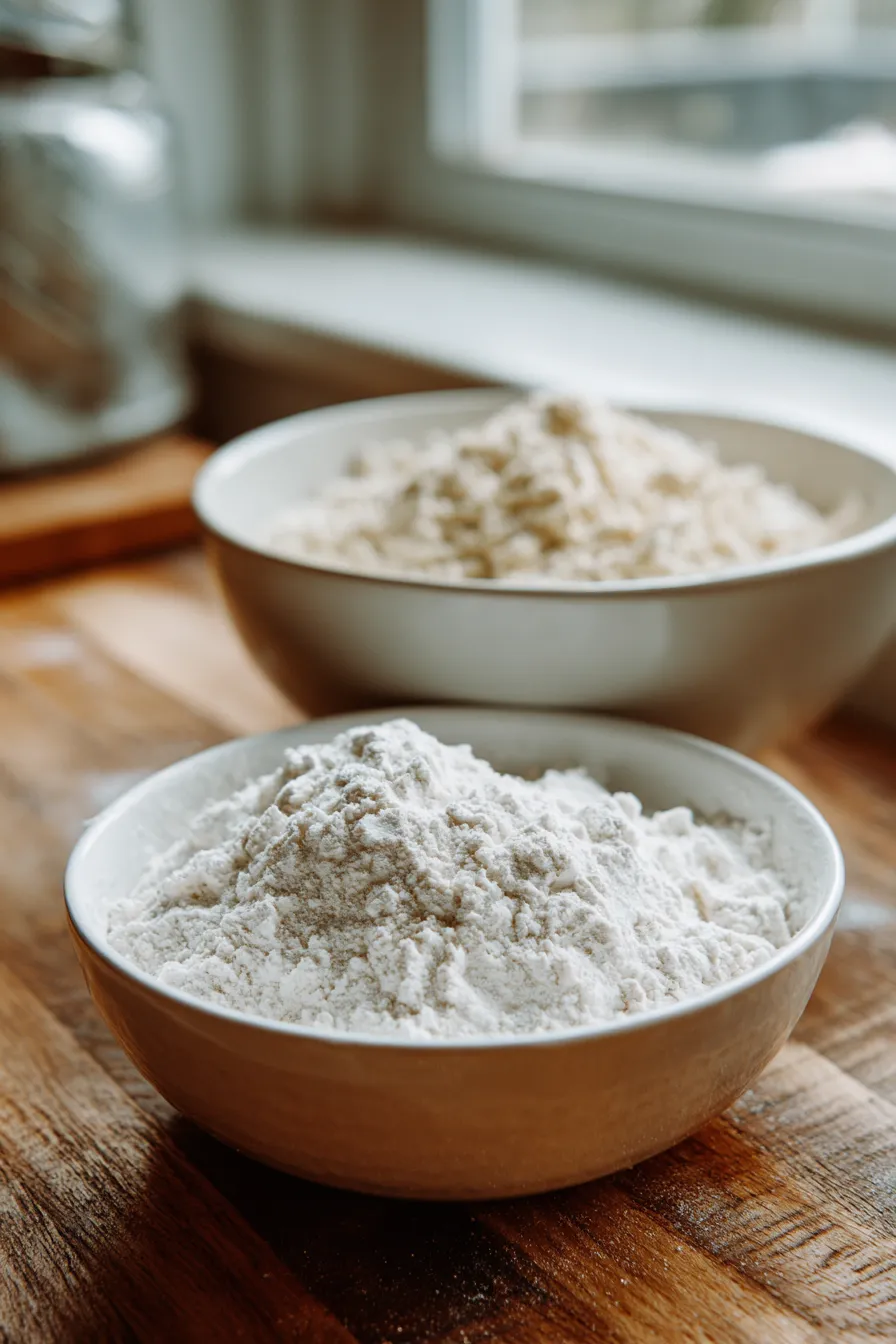
Self-rising flour already contains baking powder and salt. If your recipe calls for self-rising flour, you typically don’t need to add any additional leavening agents. Be sure to check your recipe carefully, as using both self-rising flour and baking powder or baking soda can result in an over-risen and potentially bitter-tasting baked good.
Troubleshooting Common Baking Problems
Even the most experienced bakers encounter problems sometimes! Here’s how to troubleshoot some common issues related to baking soda and baking powder:
- My cake is flat: This is often a sign of expired leavening agents, not enough leavening agent, or too much mixing after adding the leavening agent. Double-check your ingredients and the recipe instructions. Make sure your oven is preheated to the correct temperature.
- My cookies are spreading too thin: This can be due to too much baking soda or not enough flour. Try chilling the dough before baking.
- My muffins have a bitter taste: This is a classic sign of too much baking soda. Make sure you measured accurately. You might also try reducing the amount of baking soda in your recipe next time.
- My cake has a coarse texture: This can be caused by using too much baking powder or overmixing the batter. Gently fold the ingredients together until just combined.
- My baked goods are dense: This might be because your baking powder is old, or you might have used too little. Check the expiration dates of your ingredients.
Tips for Baking Success
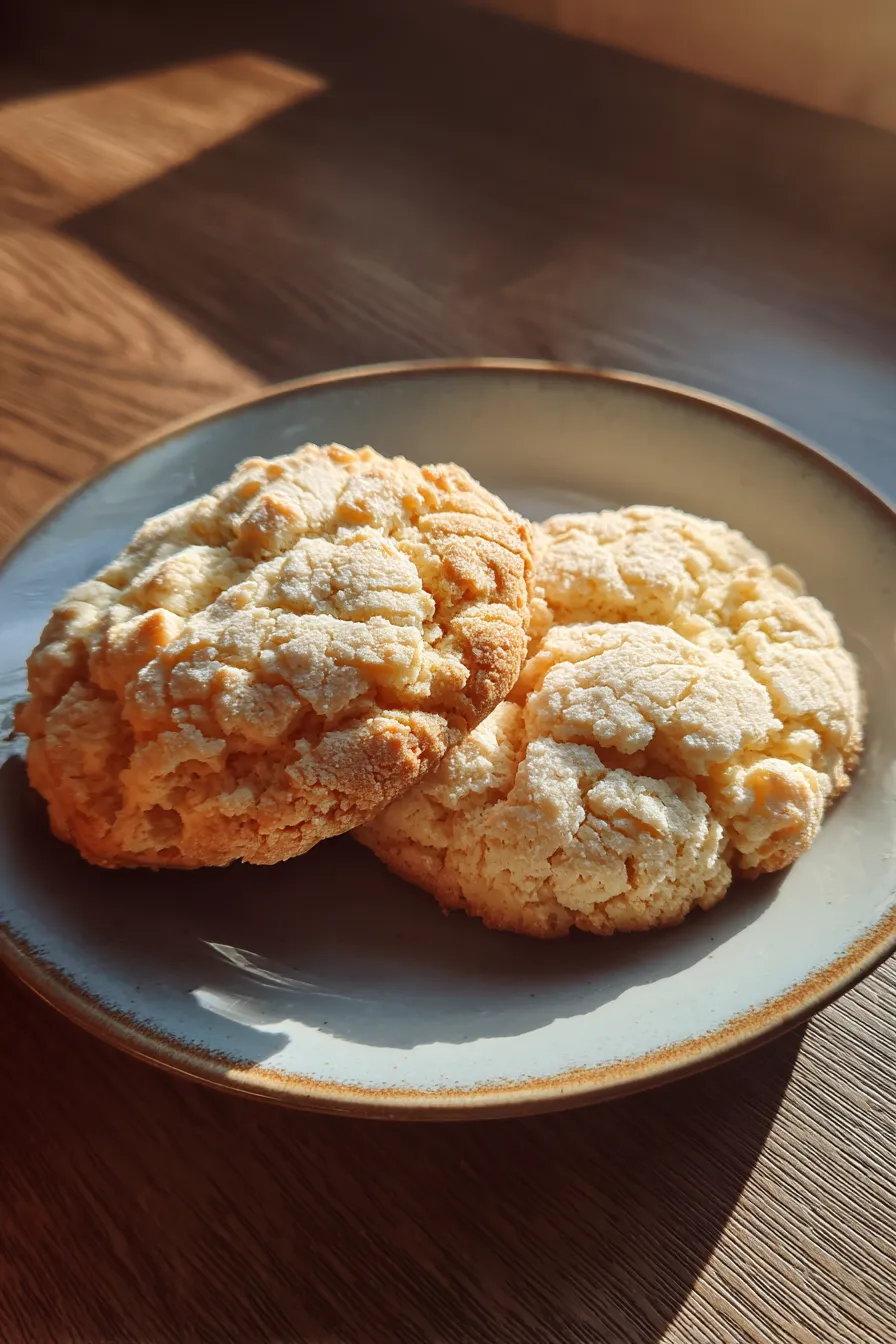
Here are some extra tips to help you achieve baking perfection:
- Always measure accurately: Use measuring spoons and cups designed for baking. For dry ingredients, level off the top with a straight edge.
- Preheat your oven: This ensures your baked goods bake evenly.
- Don’t overmix: Overmixing can develop the gluten in the flour, leading to tough baked goods.
- Use fresh ingredients: Especially baking soda and baking powder!
- Follow the recipe: Baking is a science. Following the recipe carefully is key to success.
- Take notes: Keep track of any changes you make to a recipe so you can replicate your successes and learn from your mistakes.
FAQ
Here are some frequently asked questions about baking powder and baking soda.
1. How do I store Baking powder vs baking soda?
Store baking soda and baking powder in a cool, dry place, away from moisture and direct sunlight. Keep them in their original containers, tightly sealed, to prevent them from absorbing moisture or odors. Replace them regularly, based on their expiration dates, to ensure they remain effective.
2. Can I use Baking powder vs baking soda interchangeably?
No, you generally can’t substitute them directly. Baking soda needs an acid to activate, while baking powder contains both an acid and a base. Substituting one for the other without making adjustments can lead to flat, dense, or bitter-tasting baked goods. However, in some cases, you can make substitutions with other ingredients — see the “Substitutions and Adjustments” section.
3. How can I tell if my baking powder is still good?
To test baking powder, place about a teaspoon in a small bowl and add a few tablespoons of hot water. If it fizzes vigorously, it’s still good. If it barely fizzes or doesn’t fizz at all, it’s time to replace it. For baking soda, you can test it by mixing a small amount with vinegar; it should fizz if the baking soda is fresh.
4. What happens if I use too much baking soda?
Using too much baking soda can result in a metallic or bitter taste in your baked goods, as well as an uneven rise or a coarse texture. It can also cause the outside of your baked goods to brown too quickly while the inside remains underbaked. Always measure baking soda carefully and follow the recipe precisely.
5. Why does my recipe call for both Baking powder vs baking soda?
Some recipes call for both Baking powder vs baking soda to achieve the best results. This is often the case when the recipe contains acidic ingredients (like buttermilk or brown sugar) that need baking soda to react with them, and also needs extra lift, which is provided by the baking powder. This combination helps to balance the flavors and create the desired texture and rise.