Table of Contents
Hello, fellow bakers! Are you ready to elevate your cake and cookie game? Today, we’re diving deep into the heart of baking: the creaming method. This technique is a cornerstone for creating light, airy cakes and delightfully tender cookies.
Mastering the creaming method is a game-changer, and it’s easier than you might think. Let’s get started on the journey to baking bliss! If you’re looking for other baking tips, you can check out this helpful resource.
What is the Creaming Method?
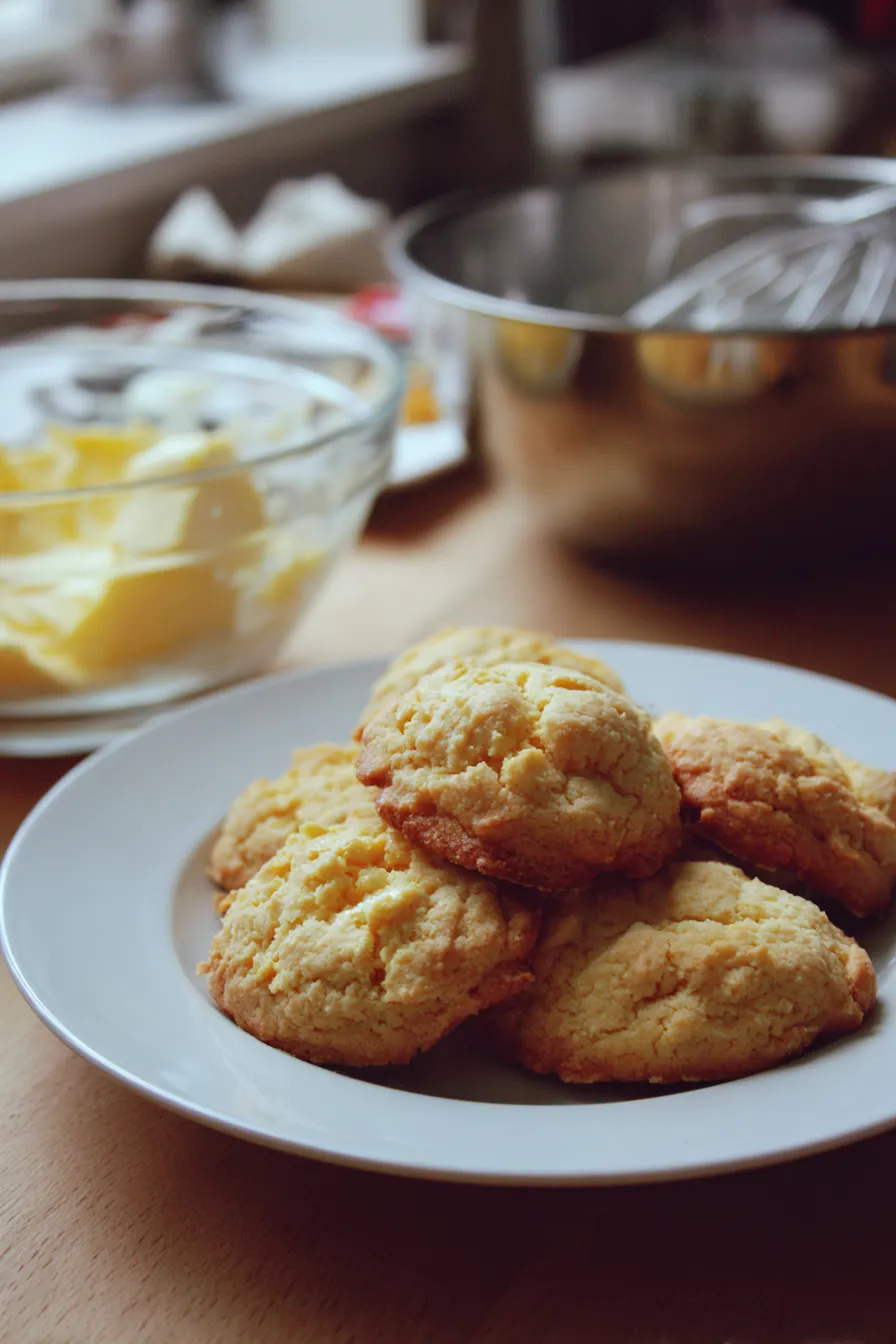
The Creaming Method for Cakes and Cookies, at its core, is the process of beating together fat (usually butter) and sugar until the mixture is light, fluffy, and pale in color. This process incorporates air into the fat, which is essential for creating a tender crumb in cakes and cookies. The air bubbles created during creaming expand during baking, contributing to the rise and airy texture we all crave.
The success of the creaming method hinges on a few key factors: the temperature of your ingredients, the type of fat you use, and the duration of the creaming process. Getting these elements right is the secret sauce to a perfect bake. This method is a tried-and-true technique that has been used for generations to create some of the most beloved desserts. This technique is often used in recipes for layer cakes, cupcakes, and even certain types of quick breads. It’s also a staple for many cookie recipes, helping to create those melt-in-your-mouth textures we adore.
Let’s break down the fundamentals. The magic happens when the sugar crystals cut into the fat, creating tiny pockets of air. These air pockets are what give your baked goods their lift and airy texture. The resulting mixture is a light and airy emulsion, ready to be combined with other ingredients. If you’re a visual learner, you can find some great step-by-step guides on how to do the creaming method.
The Ingredients: Butter and Sugar
The two stars of the creaming method are, of course, butter and sugar. Let’s look at each one in more detail. The quality of these ingredients can significantly impact your final product.
Butter
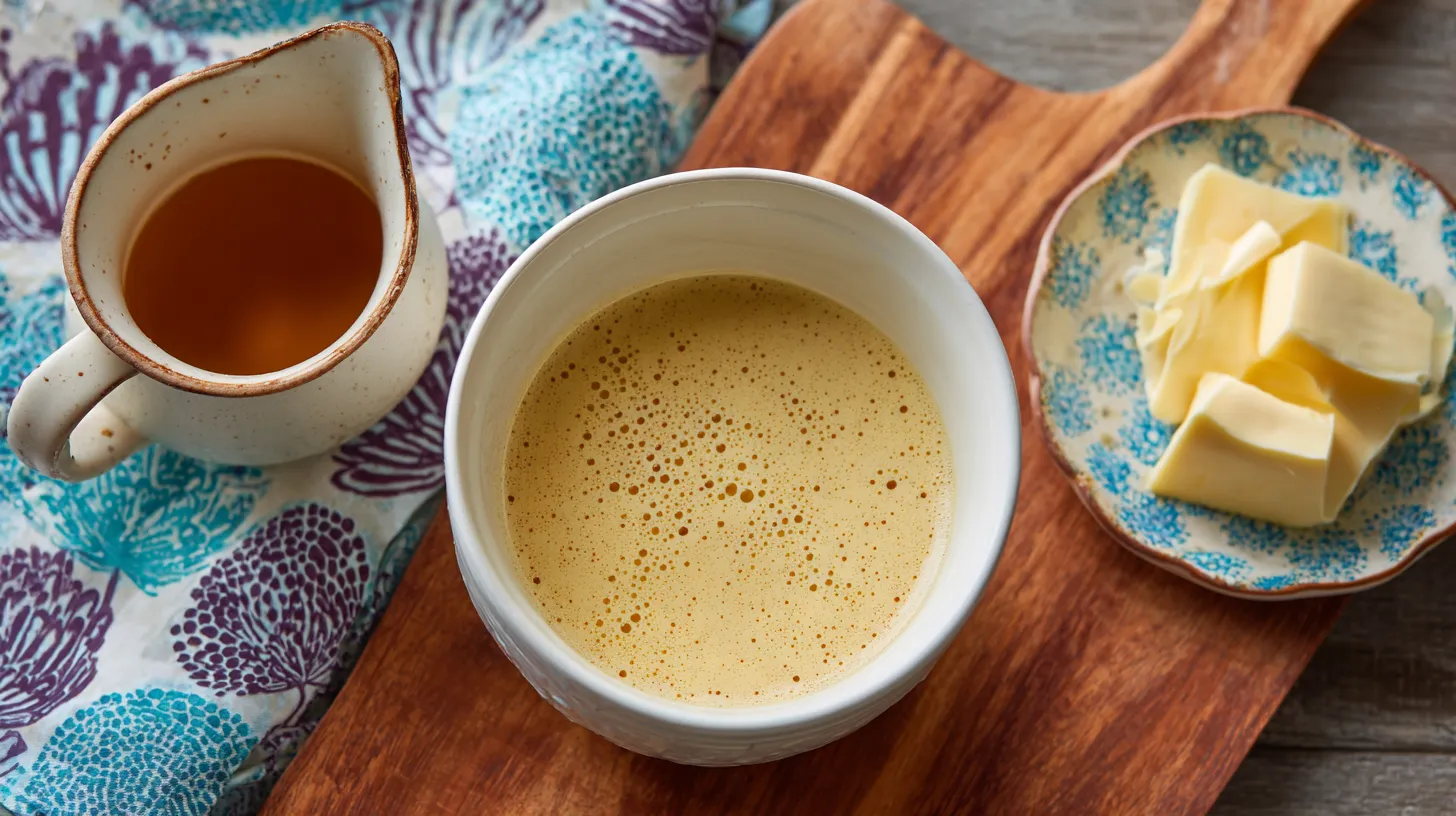
Unsalted butter is the preferred choice for most bakers. It allows you to control the amount of salt in your recipe. The butter should be at room temperature, ideally around 65-68°F (18-20°C). This temperature is crucial because it allows the butter to be soft enough to cream easily, but not so soft that it becomes greasy. If your butter is too cold, it won’t cream properly, and if it’s too warm, your cake or cookies might spread too thin during baking.
When you press your finger into the butter, it should leave a slight indentation but still hold its shape. If the butter is too cold, it will be hard to press. If it’s too warm, your finger will sink right in, and the butter will feel soft and mushy.
Tip: If you’re in a hurry, you can cut the cold butter into small cubes to help it soften more quickly.
Sugar
Granulated sugar (also known as white sugar) is the most common type of sugar used in the creaming method. The sugar crystals act as abrasives, helping to incorporate air into the butter. The sugar’s structure is also important, as it helps to create the structure of the baked good. The size of the sugar crystals also matters. Finer sugars are often used in cookies, as they dissolve more easily and create a more tender texture.
Some recipes might call for other types of sugar, such as brown sugar. Brown sugar contains molasses, which adds moisture and a unique flavor. When using brown sugar, be sure to pack it firmly when measuring. This ensures you’re getting the right amount for your recipe.
Mistake to Avoid: Don’t substitute liquid sweeteners like honey or maple syrup for granulated sugar in the creaming method. These will not provide the same structural benefits.
The Creaming Process: Step-by-Step
Now, let’s get to the fun part: the creaming process itself. Here’s a step-by-step guide to help you achieve the perfect creamed mixture.
- Get Ready: Make sure your butter is at room temperature and your sugar is measured. Have all your other ingredients measured and ready to go.
- Cream the Butter: In a mixing bowl (stand mixer or hand mixer), beat the room-temperature butter on medium speed until it’s smooth and creamy. This usually takes about 1-2 minutes.
- Add the Sugar: Gradually add the sugar to the butter, a little at a time. Don’t dump it all in at once, or the sugar will bounce around the bowl.
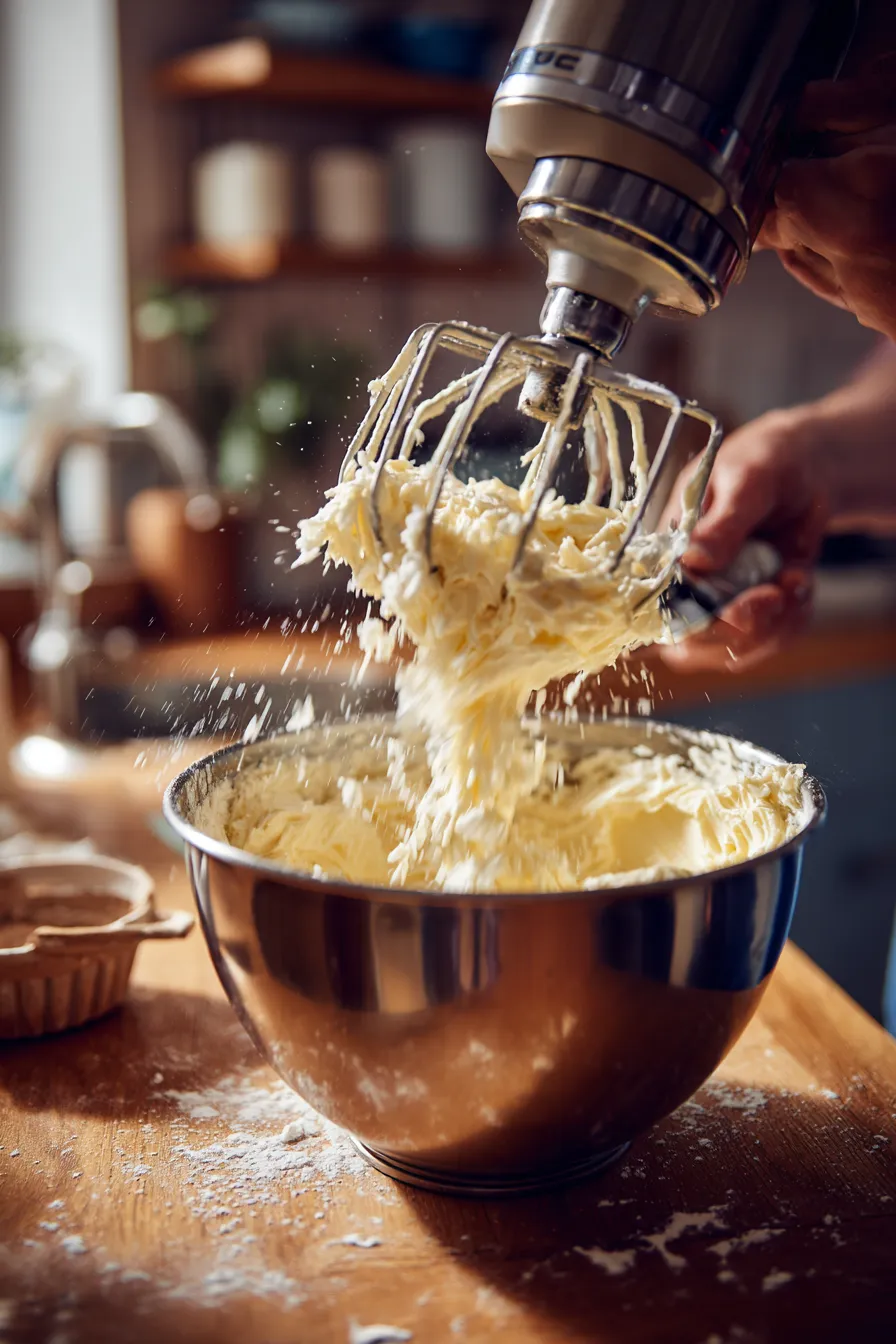
- Cream, Cream, Cream: Once all the sugar is added, increase the speed to medium-high and cream the butter and sugar together for 3-5 minutes, or until the mixture is light in color and fluffy. The mixture should look pale and airy, almost like whipped cream.
- Add Eggs (If Applicable): If your recipe calls for eggs, add them one at a time, beating well after each addition. This helps to emulsify the mixture and prevent it from curdling.
- Add Flavorings (If Applicable): Add any extracts or flavorings, such as vanilla extract, and mix until combined.
Tip: Scrape down the sides and bottom of the bowl frequently during the creaming process to ensure all the ingredients are evenly incorporated.
Mistakes to Avoid
Even experienced bakers can run into trouble with the creaming method. Here are some common mistakes and how to avoid them:
- Cold Butter: If the butter is too cold, it won’t cream properly, and you’ll end up with a lumpy mixture. Make sure your butter is at room temperature.
- Over-Creaming: While you want to cream the butter and sugar until light and fluffy, over-creaming can lead to a cake that collapses during baking.
- Adding Eggs Too Quickly: Adding eggs too quickly can cause the mixture to curdle. Add them one at a time, and beat well after each addition.
- Using the Wrong Sugar: Using the wrong type of sugar can affect the texture of your baked goods. Granulated sugar is best for the creaming method.
- Not Scraping the Bowl: Failing to scrape down the sides and bottom of the bowl can lead to unevenly mixed ingredients.
Creaming Method for Cakes
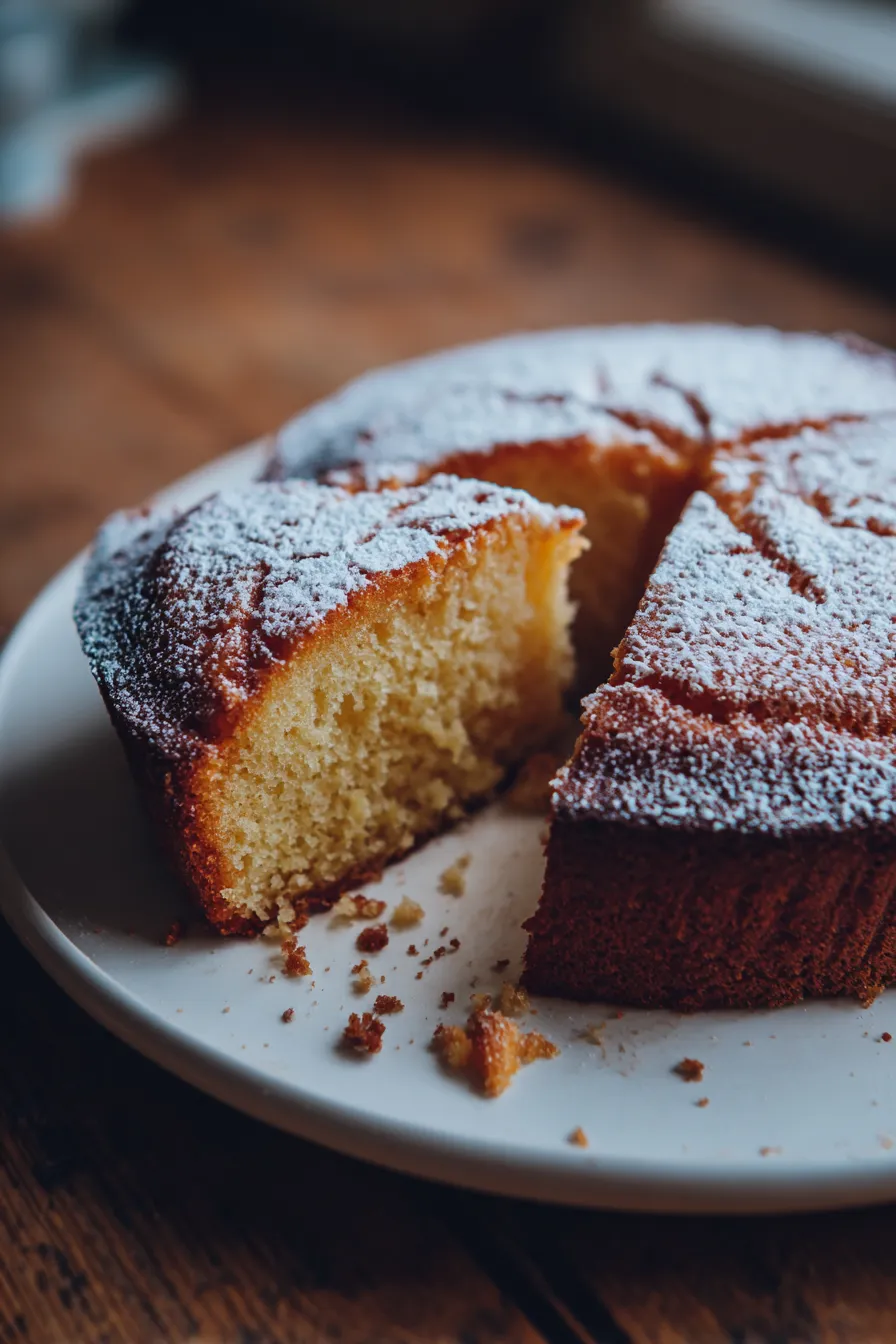
The creaming method is a foundational technique for many cake recipes. It’s the key to achieving that light, fluffy crumb that we all love. Here’s how the creaming method works in the context of cake baking:
- Creaming the Butter and Sugar: As described above, the first step is to cream the butter and sugar until light and fluffy. This is where you’re incorporating the air that’ll give your cake its lift.
- Adding Eggs: Eggs are added one at a time, ensuring each egg is fully incorporated before adding the next. This helps create an emulsion and adds richness.
- Adding Dry Ingredients: The dry ingredients (flour, baking powder, etc.) are usually added in stages, alternating with the wet ingredients (milk, buttermilk, etc.). This helps to prevent overmixing, which can lead to a tough cake.
- Final Mixing: Mix until just combined. Overmixing can develop the gluten in the flour, resulting in a cake with a dense texture.
- Baking: Pour the batter into your prepared cake pan and bake according to the recipe instructions.
Example: Imagine a classic vanilla cake. The creaming method is used to create a light and airy base. The butter and sugar are creamed until light and fluffy, eggs are added for richness, and then the dry and wet ingredients are gently folded in. The result is a cake that is soft, tender, and perfect for frosting.
Creaming Method for Cookies
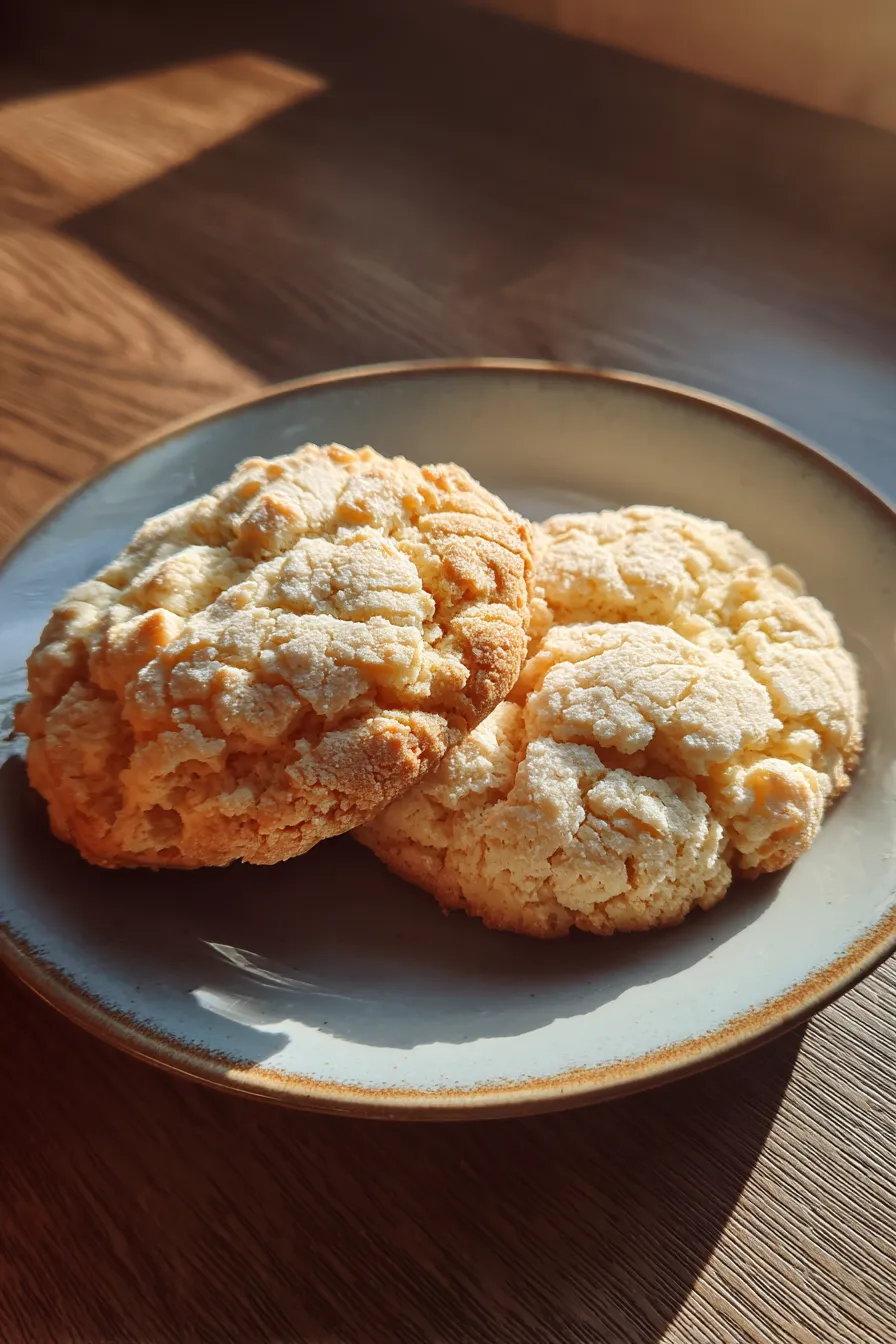
The creaming method is equally important for cookie recipes. It helps create a tender, chewy, or crisp texture, depending on the recipe. Here’s how it works in cookie baking:
- Creaming the Butter and Sugar: Creaming the butter and sugar until light and fluffy is still the first step. For cookies, this step is crucial for achieving the desired texture.
- Adding Eggs and Flavorings: Eggs and flavorings (such as vanilla extract) are added.
- Adding Dry Ingredients: The dry ingredients (flour, baking soda, etc.) are added and mixed until just combined. Be careful not to overmix.
- Adding Mix-ins: Add any mix-ins, such as chocolate chips or nuts, and mix until evenly distributed.
- Chilling (Optional): Some cookie doughs benefit from chilling before baking. This allows the flavors to meld and prevents the cookies from spreading too much.
- Baking: Scoop the dough onto baking sheets and bake according to the recipe instructions.
Example: Think about your favorite chocolate chip cookies. The creaming method is used to cream the butter and sugar, then the eggs and vanilla are added, and finally, the flour and chocolate chips. The creaming method contributes to the perfect balance of chewy edges and a soft center.
Variations on the Creaming Method
While the basic creaming method remains the same, there can be slight variations depending on the recipe. Here are a few examples:
- Reverse Creaming Method: In this method, the flour is mixed with the cold butter first, and then the sugar is added. This technique is often used in recipes where a more tender crumb is desired.
- Adding Liquids: Some recipes may call for adding liquids, such as milk or buttermilk, in stages. This helps to prevent the mixture from curdling.
- Using Different Fats: While butter is the most common fat, some recipes may use shortening or a combination of butter and shortening.
Always follow the recipe instructions closely, as these variations can significantly impact the final result.
Tips for Success
Here are some additional tips to help you master the creaming method:
- Use a Kitchen Scale: For the most accurate results, use a kitchen scale to weigh your ingredients.
- Don’t Overmix: Overmixing can develop the gluten in the flour, which can lead to a tough cake or cookie.
- Read the Recipe Carefully: Always read the recipe thoroughly before you begin baking.
- Use Fresh Ingredients: Fresh ingredients will yield the best results.
- Be Patient: The creaming process takes time. Be patient and allow the butter and sugar to cream together properly.
Troubleshooting
Even with the best intentions, things can go wrong. Here are some common problems and how to fix them:
- Curdled Mixture: If the mixture looks curdled after adding the eggs, it’s likely because the ingredients were too cold or the eggs were added too quickly. Try adding a tablespoon of the dry ingredients and mixing until smooth.
- Dense Cake: A dense cake can be caused by overmixing, using cold butter, or not creaming the butter and sugar long enough. Make sure to follow the recipe instructions carefully.
- Flat Cookies: Flat cookies can be caused by using melted butter, not chilling the dough (if the recipe calls for it), or using too much baking soda.
FAQ
Here are some frequently asked questions about the creaming method:
- Why is the creaming method important? The creaming method is important because it incorporates air into the fat, which helps create a light and airy texture in cakes and cookies. It also contributes to the flavor and overall structure of the baked goods.
- Can I use a hand mixer instead of a stand mixer? Yes, you can definitely use a hand mixer. However, it may take a bit longer to achieve the desired results. Make sure to scrape down the sides of the bowl frequently.
- What if my butter is too cold? If your butter is too cold, it won’t cream properly. You can try cutting it into small cubes and letting it sit at room temperature for a bit longer.
- Can I use a different type of sugar? While granulated sugar is the most common type used, you can experiment with other sugars, such as brown sugar, but keep in mind that it will affect the texture and flavor of your baked goods.
- How do I know when the creaming is done? The mixture should be light in color, fluffy, and have increased in volume. It should look almost like whipped cream.
Happy baking, and enjoy the delicious results!